
Are you thinking about adding a coffee table to your living room but unsure what size fits best? Knowing the average length of a coffee table can save you from costly mistakes and make your space feel just right.
Whether you want to create a cozy spot for your morning coffee or a stylish centerpiece for guests, choosing the right length matters more than you might think. Keep reading to discover the perfect dimensions that will transform your room and fit your lifestyle perfectly.
Standard Coffee Table Sizes
Standard coffee table sizes help create balance in living room spaces. They fit well with sofas and chairs. Choosing the right size avoids awkward gaps or crowding. Most coffee tables follow common dimensions for length, width, and height.
Typical Length Ranges
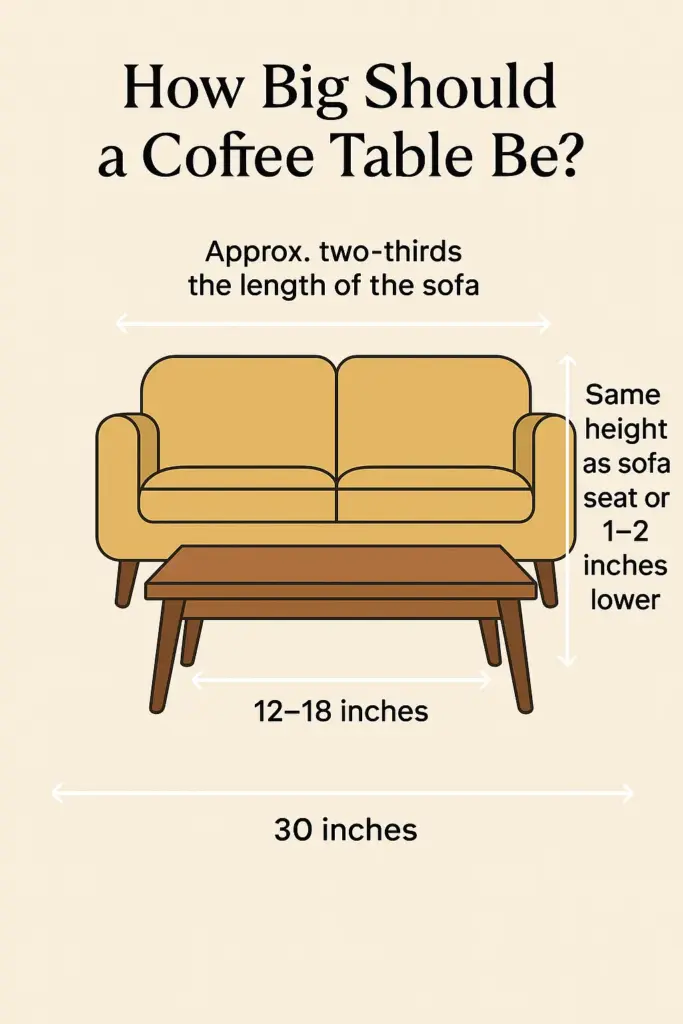
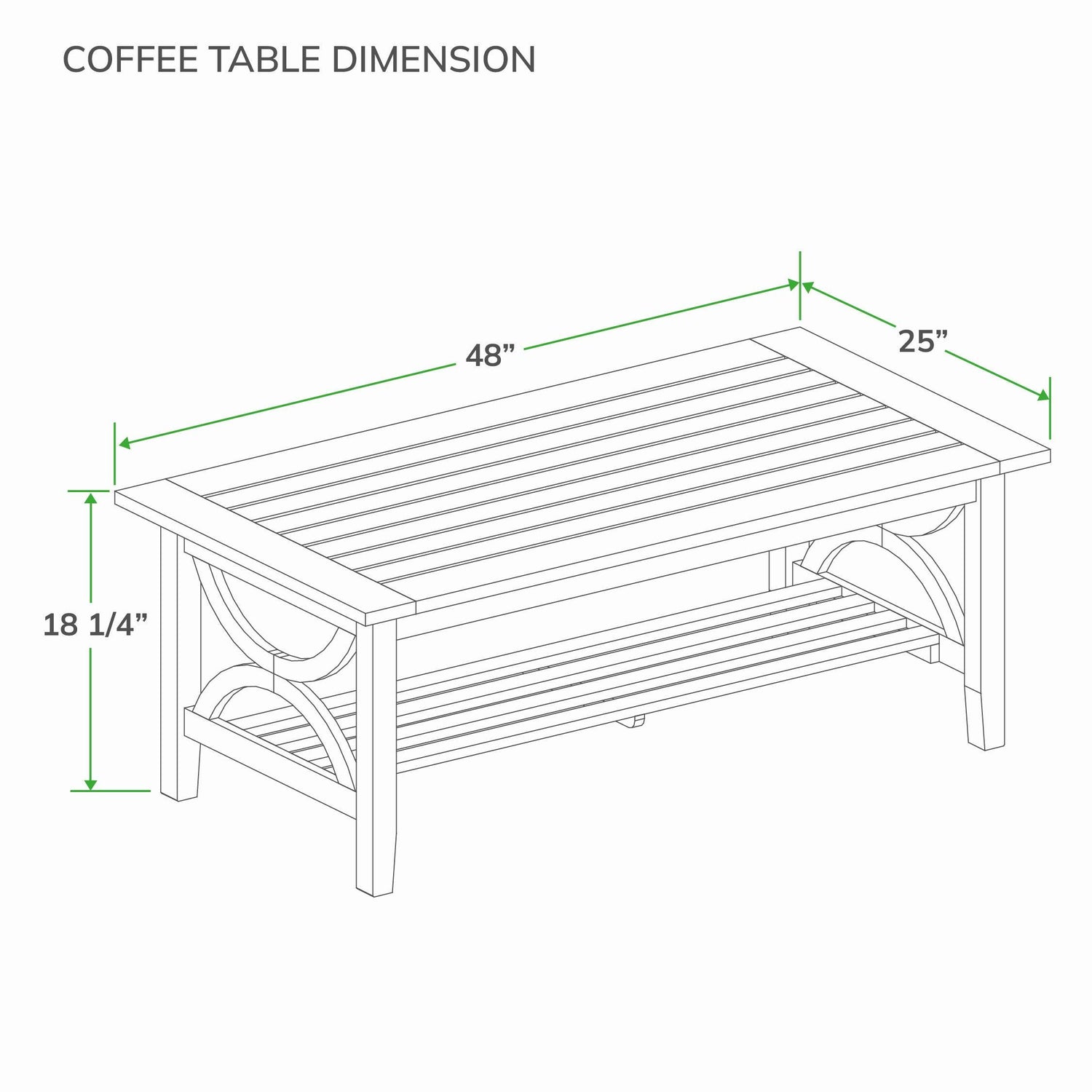
Length varies depending on the table style and room size. Most coffee tables measure between 36 and 48 inches long. Smaller tables can be as short as 30 inches. Larger tables sometimes reach 54 inches or more. The length should complement the sofa length for easy reach.
Common Width And Height Dimensions
Width usually falls between 18 and 24 inches. This size provides enough surface area without overwhelming the space. Height is crucial for comfort and usability. Coffee tables typically stand 16 to 18 inches tall. This height matches well with most sofa seat heights. It allows easy access to items on the table.
Credit: www.wayfair.com
Factors Influencing Coffee Table Length
Choosing the right length for your coffee table isn’t just about picking a size that looks good. Several factors come into play that affect how well the table fits and functions in your space. Understanding these factors will help you select a coffee table that complements your room and lifestyle perfectly.
Room Size And Layout
The size and shape of your room directly impact the coffee table length you should choose. In a small living room, a large table can feel overwhelming and restrict movement. Conversely, a tiny table in a spacious room might look lost and underwhelming.
Think about the flow of the room. Can people easily walk around the table without bumping into it? Leave at least 18 inches of space between the coffee table and surrounding furniture to keep the area comfortable and accessible.
Sofa And Seating Dimensions
Your coffee table should harmonize with your sofa and other seating furniture. Typically, the table should be about two-thirds the length of your sofa to create a balanced look. If your sofa is 90 inches long, a coffee table around 60 inches fits well.
Also, consider the height and depth of your seating. The ideal coffee table height is usually level with or slightly lower than the sofa seat. This makes reaching for drinks or snacks comfortable without stretching or bending awkwardly.
Function And Usage
How you plan to use your coffee table affects its size. If you entertain often or use the table for family game nights, a longer table provides more surface area. On the other hand, if it’s mainly for decor or occasional coffee cups, a smaller size might be better.
Think about storage needs as well. Some coffee tables come with shelves or drawers, which might require additional length or width. What functions do you want your coffee table to serve beyond just holding items? Your answer will guide your size choice.
Choosing The Right Length For Your Space
Choosing the right length for your coffee table is key to making your space look balanced and functional. The table should fit well with your room size and the furniture around it. It should also allow easy movement without feeling cramped. Small adjustments in length can change the entire room’s flow and comfort. Focus on three main points to pick the perfect size.
Measuring Your Room
Start by measuring the area where the coffee table will sit. Use a tape measure to note the length and width of the available space. Leave enough room around the table for walking and other furniture. The table should not take up more than two-thirds of the seating area’s length.
Matching With Furniture
The coffee table should match the size and style of your other furniture. It works best when its length is about half to two-thirds the length of your sofa. This balance helps keep the room looking harmonious and well planned. Avoid tables that are too long or too short compared to your seating.
Considering Traffic Flow
Think about how people will move around the table. Make sure there is at least 18 inches of space between the table and other furniture. This space allows easy walking and access to seats. Crowded areas make the room feel tight and uncomfortable. Keep paths clear to improve the room’s flow.
Popular Coffee Table Shapes And Their Lengths
Choosing the right coffee table shape affects both the style and function of your living space. Different shapes come with varying average lengths, fitting better with certain room layouts and furniture arrangements. Understanding these shapes and their typical sizes helps you pick a table that complements your space perfectly.
Rectangular Tables
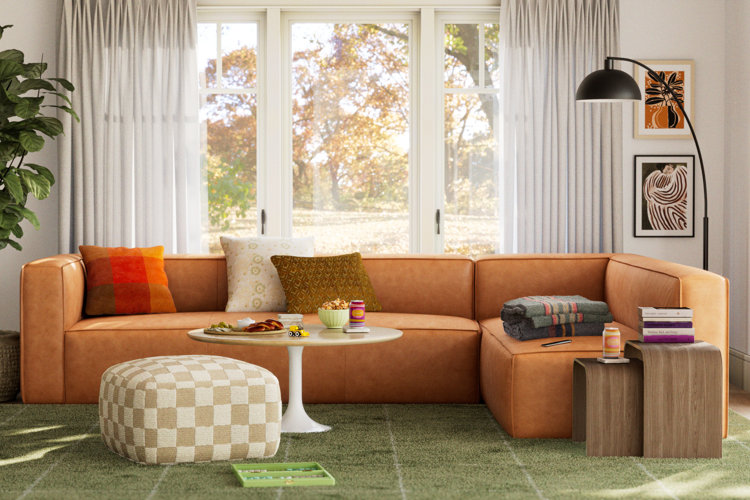
Rectangular coffee tables are the most common choice. They usually range between 40 to 60 inches in length. Their shape fits well in longer living rooms or in front of larger sofas.
If you have a sectional or a multi-seat sofa, a longer rectangular table offers ample surface area for drinks, books, and décor. You might ask yourself: does your room have enough wall space or floor area to accommodate a longer table without feeling cramped?
Square And Round Tables
Square and round coffee tables are popular for smaller spaces or cozy seating arrangements. Square tables typically measure around 30 to 40 inches per side. Round tables often have diameters in a similar range, around 30 to 48 inches.
The absence of sharp corners in round tables can make movement around the room easier. Square tables, on the other hand, provide balanced symmetry, which works well when paired with square or modular sofas. Do you prefer a shape that encourages conversation by allowing everyone to face each other?
Oval And Unique Designs
Oval coffee tables offer a softer alternative to rectangular ones, usually between 40 and 55 inches in length. Their elongated shape with rounded edges fits well in narrow or awkward spaces.
Unique designs, such as geometric or asymmetrical shapes, vary widely in length but often fall within the 30 to 50-inch range. These tables can become a centerpiece, but you must consider how their dimensions work with your room’s flow. Are you willing to prioritize style over maximum surface area?
Trends In Coffee Table Sizes For 2025
The coffee table remains a key piece in living rooms, blending style and function. In 2025, its size reflects new lifestyle trends and home layouts. Designs adapt to smaller spaces and changing user needs. Expect to see creative shapes and sizes that fit modern homes perfectly.
Minimalist And Compact Designs
Small living areas drive the demand for compact coffee tables. Minimalist styles focus on clean lines and simple shapes. These tables often measure between 30 to 40 inches in length. They save space while still offering enough surface for essentials.
Multi-functional Tables
Tables with extra features gain popularity in 2025. Some include hidden storage or lift-top surfaces. Multi-functional coffee tables range from 40 to 50 inches long. They provide both convenience and style in one piece.
Customizable Length Options
Custom sizing is a growing trend for unique homes. Buyers choose lengths that perfectly fit their rooms. Adjustable or modular designs allow changes in length. This flexibility suits various layouts and personal preferences.
Credit: cambridge-casual.com
Materials And Their Impact On Table Size
The materials used in crafting a coffee table significantly influence its size and style. Whether you favor the rustic charm of wood or the sleek finish of metal, each material choice brings unique dimensions to the design. Understanding how these materials impact table size can help you choose the perfect piece for your living room.
Wood And Metal Frames
Wooden coffee tables often exude warmth and tradition. They usually have thicker frames, contributing to a more robust appearance. You might notice that wooden tables are typically wider, creating a solid, grounded look.
Metal frames, on the other hand, offer a modern aesthetic with their thinner profiles. They can support broader surfaces without appearing bulky. This makes them an excellent choice for smaller spaces where you want to maintain an open feel.
Glass And Acrylic Designs
Glass tables are often associated with elegance and minimalism. Their transparent nature can make a room feel larger and less cluttered. Glass tops are usually supported by slender frames, which help maintain a lightweight appearance.
Acrylic designs offer a similar effect but with a slightly different texture. They are often used in contemporary settings, providing a seamless blend with other modern furniture. Both materials allow for creative shapes and sizes, often leading to more unique and artistic table designs.
Lightweight Vs. Heavyweight Materials
The weight of the material can greatly impact the table’s functionality. Lightweight materials like acrylic and thin metal are easy to move and rearrange. This flexibility is perfect for those who enjoy changing their room layout frequently.
Heavyweight materials, such as solid wood or thick glass, offer stability and durability. They can anchor a room but might be challenging to move. Consider your lifestyle and how often you might need to adjust your space when choosing between these materials.
Have you ever considered how the material of your coffee table might affect its size and functionality? Choosing the right material not only enhances your decor but also suits your lifestyle needs. Remember, the right coffee table is more than just a style statement—it’s a functional piece that complements your living space.
Tips For Buying The Perfect Coffee Table Length
Choosing the right length for your coffee table is more than just picking a number. It affects how comfortable and functional your living space feels. Consider your room size, seating arrangement, and how you plan to use the table before making a decision.
Budget Considerations
Your budget plays a big role in deciding the coffee table length. Longer tables often cost more due to extra materials and craftsmanship. Think about what you really need—sometimes a moderately sized table fits better and saves money.
Keep an eye out for sales or secondhand options that match your size needs without breaking the bank. Would a custom piece stretch your budget too far, or could a simpler, well-sized table serve you just as well?
Style And Aesthetics
The length of your coffee table should complement your room’s style. A sleek, narrow table can make a small space feel open, while a large, chunky table might overwhelm it. Match the table length with your sofa and chairs to maintain balance and flow.
Think about how the table fits with your existing furniture. Does it create a cozy spot or does it crowd your space? Your eyes will thank you for a well-proportioned setup.
Durability And Maintenance
Longer coffee tables mean more surface area to clean and maintain. If you have kids or pets, a durable surface might be more important than exact length. Materials like hardwood or metal stand up better over time than delicate glass or soft wood finishes.
Ask yourself if you’re willing to spend extra time on upkeep for a larger table. Sometimes, a slightly shorter table with easy-to-clean materials makes daily life simpler and stress-free.

Credit: www.bestpricefurnitureflorida.com
Frequently Asked Questions
What Is The Standard Length Of A Coffee Table?
The standard length of a coffee table ranges from 36 to 48 inches. This size fits well in most living rooms, providing enough space for decor and functionality without overwhelming the seating area.
How Does Coffee Table Length Affect Room Space?
A longer coffee table can dominate a small room, making it feel crowded. Choosing the right length ensures comfortable movement and maintains balance in your living space.
What Factors Influence Coffee Table Length Choice?
Consider your sofa size, room dimensions, and usage. The coffee table length should be proportional to seating and allow easy access for all users.
Can Coffee Table Length Vary By Style?
Yes, modern and minimalist tables may be shorter, while traditional styles can be longer. Style preferences impact the length to match overall room aesthetics.
Conclusion
Choosing the right coffee table length matters for any room. Most tables fall between 36 and 48 inches long. This size fits well in many living spaces. Think about your room size and sofa length. A table too big or small can feel off.
The right length helps your space feel balanced and cozy. Remember, comfort and style go hand in hand. Use these tips to find a coffee table that suits your home perfectly.



