
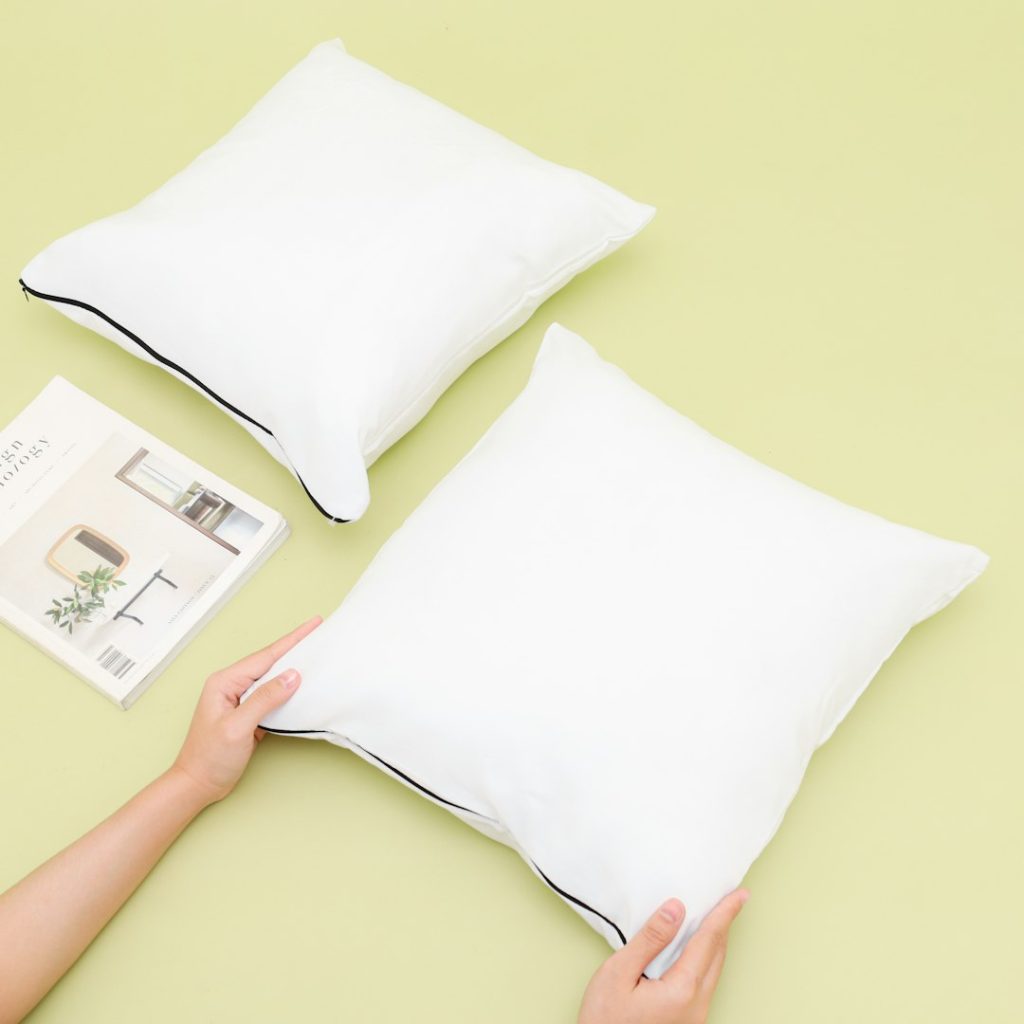
Looking to add a cozy and stylish touch to your living space? Making your own pouf floor pillow is easier than you think.
Imagine sinking into a soft, comfy pouf that you created yourself—perfect for relaxing, reading, or extra seating when friends come over. In this guide, you’ll discover simple steps and tips to craft a beautiful pouf that fits your style and space.
Ready to transform your room with a fun and practical DIY project? Let’s get started!
Materials Needed
Gathering the right materials is key to making a pouf floor pillow. Choose fabrics and fillings that suit your style and comfort needs. Having the right tools will make the process smooth and enjoyable.
Fabric Choices
- Cotton: Soft, breathable, and easy to sew.
- Linen: Durable with a natural texture.
- Canvas: Strong and perfect for heavy use.
- Velvet: Luxurious feel and rich look.
- Outdoor fabric: Water-resistant and sturdy.
Filling Options
- Polyester fiberfill: Light, fluffy, and affordable.
- Foam beads: Moldable and comfortable.
- Old clothes or fabric scraps: Eco-friendly and budget-friendly.
- Memory foam pieces: Supportive and soft.
- Bean bag pellets: Flexible and easy to shape.
Tools Required
- Sewing machine or needle and thread.
- Measuring tape or ruler.
- Fabric scissors.
- Pins to hold fabric together.
- Chalk or fabric marker for cutting lines.
- Zipper or buttons for closure (optional).
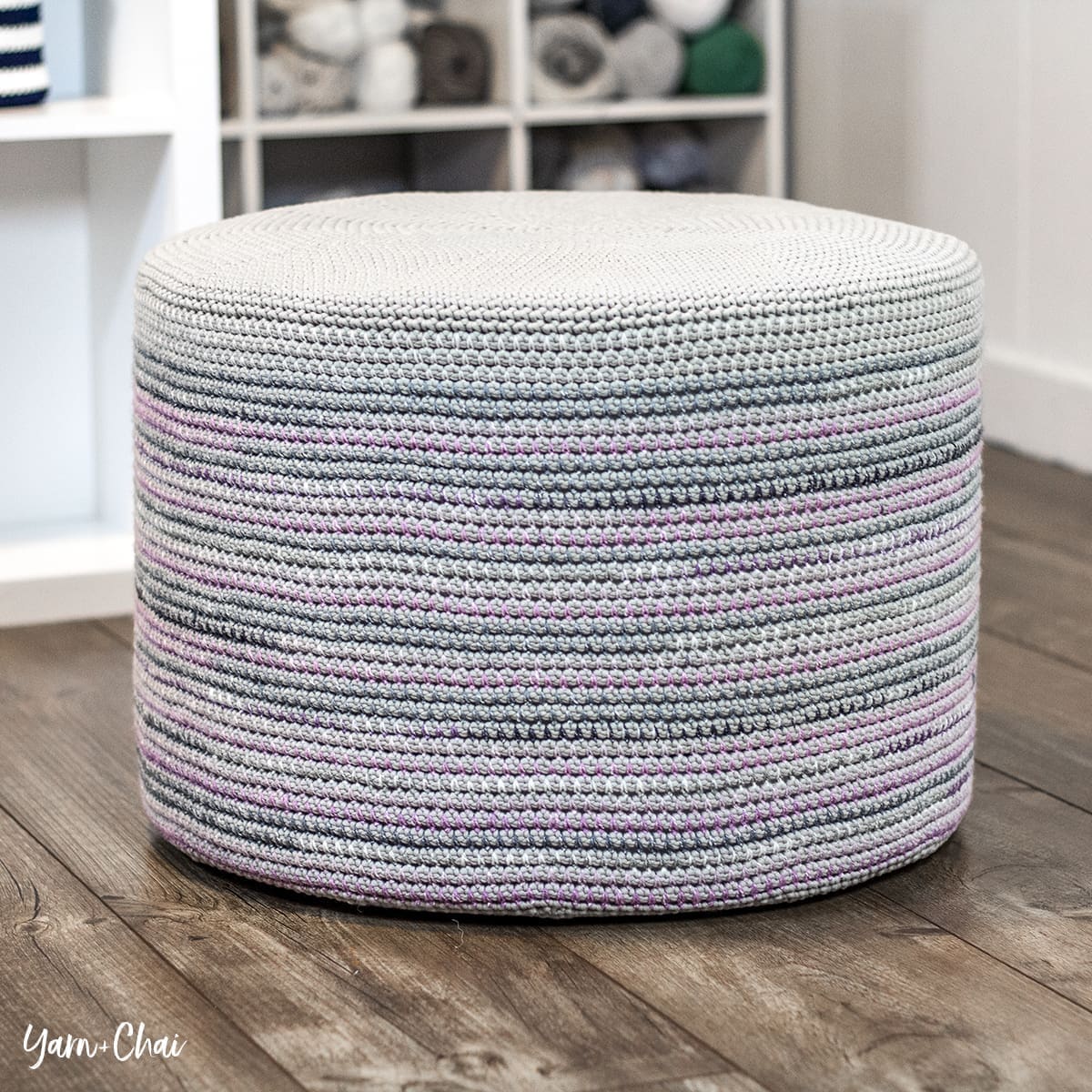
Credit: yarnandchai.com
Preparing Your Fabric
Preparing your fabric is a crucial step in making a pouf floor pillow. It sets the foundation for a neat, sturdy, and comfortable final product. Taking your time here will save you from headaches during sewing and stuffing.
Measuring And Cutting
Start by deciding the size of your pouf. Remember, the fabric pieces need to be slightly larger than the final dimensions to allow for seams and stuffing.
Use a measuring tape or ruler to mark the fabric accurately. A rotary cutter and cutting mat can help you make clean, straight cuts, but sharp fabric scissors work just as well.
Cut the fabric pieces slowly and carefully. Rushing here often leads to uneven edges, which can make sewing tricky and affect the pouf’s shape.
Marking Seam Allowances
Seam allowances are the extra fabric edges you leave beyond the stitching line. Marking these clearly helps you sew straight seams and keeps the fabric from fraying.
Use tailor’s chalk or a washable fabric marker to draw the seam allowance lines. A common allowance is ½ inch, but check your pattern or instructions for specifics.
Double-check your markings before you start sewing. It’s easier to fix a small line than to redo a whole seam.
Sewing The Pouf Panels
Sew the pouf panels carefully, joining edges with strong, even stitches. Keep seams straight to ensure a neat, sturdy shape. Pin panels before sewing to prevent shifting and achieve clean lines.
Sewing the pouf panels is a vital step in creating a cozy floor pillow. This step brings together all the pieces you’ve cut and prepared. It’s where the pouf begins to take shape and gain its unique character. The process involves careful stitching to ensure durability and a neat finish. Let’s dive into the details.Creating The Top And Bottom Circles
Start by cutting two large circles from your chosen fabric. These will form the top and bottom of your pouf. Use a fabric marker to draw the circles, ensuring they are the same size. A diameter of around 20 inches is ideal for a standard pouf. Cut the fabric along the lines with sharp scissors for clean edges. Next, reinforce the fabric with interfacing. This adds strength and structure to the pouf. Iron the interfacing onto the wrong side of each circle. This step helps the pouf maintain its shape over time. Remember to press the fabric gently to avoid wrinkles.Attaching The Side Panels
Cut a long strip of fabric for the side panel. The length should match the circumference of the circles. Measure carefully to ensure a snug fit when sewn. The width of this strip defines the height of your pouf. A width of 12 inches works well for comfortable seating. Pin the side panel to the top circle. Align the edges and pin them securely. Sew along the pinned edge, using a straight stitch. Keep the seam allowance consistent for a professional look. Repeat this process for the bottom circle, joining it to the other edge of the side panel. Ensure all seams are smooth and secure. This guarantees the pouf will hold its shape and provide lasting comfort.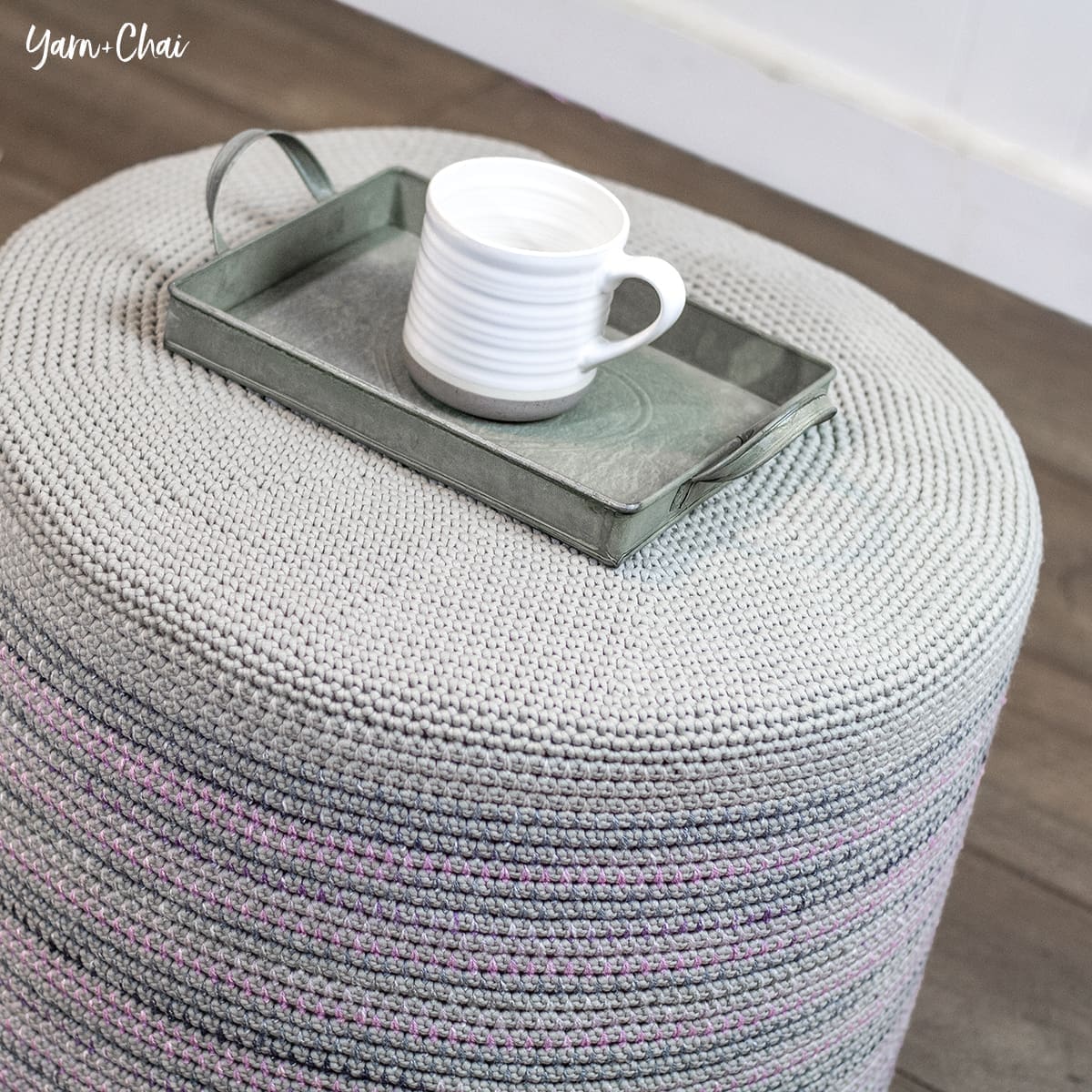
Credit: yarnandchai.com
Assembling The Pouf
Assembling the pouf is where your project starts to take real shape. You’ll bring together all the fabric pieces you carefully cut and prepare, turning flat panels into a three-dimensional, comfy floor pillow. The process requires attention to detail but it’s straightforward and rewarding.
Sewing Panels Together
Begin by aligning the edges of your fabric panels with the right sides facing each other. Pin the edges in place to keep them from shifting while sewing. Use a sturdy stitch like a straight stitch, sewing about half an inch from the edge to ensure durability.
Take your time with corners, as these spots need to be crisp and strong to hold the pouf’s shape. If you want extra strength, double-stitch along the seams or use a zigzag stitch to prevent fraying. Do you notice how sewing neatly here affects the final look and longevity of your pouf?
Leaving An Opening For Filling
Remember to leave a gap in one seam—about 6 to 8 inches wide—before you finish sewing all the panels together. This opening is essential for stuffing your pouf with filling. Without it, you won’t be able to add the soft material that makes the pouf comfortable.
When you sew around the opening, backstitch at both ends to reinforce the seam so it won’t tear when you’re pushing the filling inside. After filling, you’ll hand-sew this opening closed with a ladder stitch to keep the seam invisible and neat. Have you thought about what kind of filling you’ll use? It can change the firmness and feel of your pouf completely.
Stuffing The Pouf
Stuffing the pouf is a key step in making it comfortable and sturdy. The right filling gives the pouf shape and support. It also affects how soft or firm the pouf feels. Taking care during stuffing helps the pouf last longer and look better.
Choosing The Right Filling
Pick a filling that fits your needs and budget. Common choices include:
- Polyester fiberfill – soft and lightweight
- Foam pieces – firm and supportive
- Old clothes or fabric scraps – eco-friendly and cheap
- Bean bag beads – moldable and comfortable
Each filling offers a different feel and durability. Consider where you will use the pouf and how much support you want.
Filling Techniques
Stuff the pouf evenly for a smooth shape. Use these tips:
- Fill in small amounts at a time
- Press down the filling to remove air pockets
- Mix different fillings for balance
- Check firmness by pressing the pouf often
- Stop stuffing when the pouf feels just right
Proper filling keeps the pouf cozy and well-shaped. Take your time to get the best result.
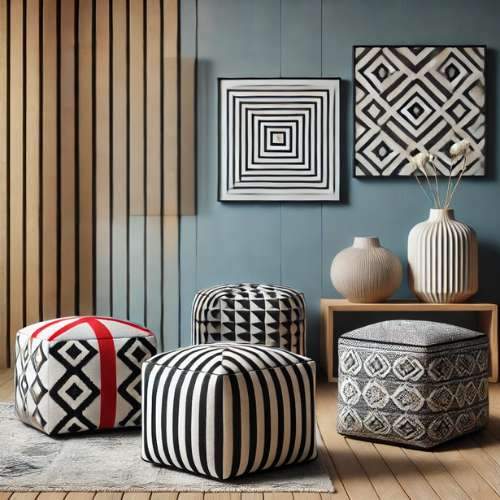
Credit: www.reasonstoskipthehousework.com
Finishing Touches
Finishing touches give your pouf floor pillow a polished, cozy look. These final steps help secure the pillow and add personality. Paying attention here makes a big difference in the pillow’s durability and style.
Closing The Opening
After stuffing, the opening needs to be closed neatly. Use a needle and thread that matches the fabric color. Sew with small, even stitches to keep the seam strong and invisible.
Try the ladder stitch for a clean finish. It pulls the fabric edges tightly together without showing thread on the outside. Take your time to avoid gaps or loose spots.
Adding Decorative Elements
Decorative touches turn your pouf into a unique piece. Add buttons, tassels, or fabric appliques for charm. Choose elements that match your room’s style and colors.
Consider sewing on a fabric handle for easy moving. Embroidery designs can add texture and interest. Keep decorations secure to last through daily use.
Care And Maintenance Tips
Keeping your pouf floor pillow looking fresh and feeling comfortable requires some care and attention. Simple maintenance can extend its life and keep it inviting for years. Let’s dive into easy ways you can clean and maintain your pouf without stress.
Cleaning Instructions
Start by checking the care label on your pouf cover. Many covers are removable and machine washable, which makes cleaning straightforward.
- Use a gentle cycle with cold water to protect the fabric.
- Avoid harsh detergents; opt for mild soap to prevent damage.
- Air dry the cover instead of using a dryer to avoid shrinking.
If your pouf has a non-removable cover, spot clean with a damp cloth and mild detergent. Test on a small area first to ensure the fabric doesn’t discolor. Regular vacuuming helps remove dust and keeps fibers looking fresh.
Maintaining Shape And Comfort
Over time, your pouf might lose its plumpness. Fluff it regularly to keep the filling evenly distributed and comfy.
If the filling compresses too much, consider opening the zipper and adding more stuffing. Polyester fiberfill is a common choice and easy to find.
Think about how often you use your pouf. Does it sit in one spot all day? Moving it around can prevent uneven wear and keep it looking balanced.
Frequently Asked Questions
What Materials Do I Need To Make A Pouf Floor Pillow?
To make a pouf floor pillow, you need fabric, stuffing, thread, scissors, and a sewing machine. Choose durable fabric like cotton or linen for comfort and longevity. Stuffing can be polyester fiberfill, foam beads, or old clothes for a soft yet firm pouf.
How Long Does It Take To Sew A Pouf Pillow?
Sewing a pouf pillow typically takes 2 to 4 hours. This includes cutting fabric, sewing seams, and stuffing the pillow. Time may vary based on your sewing experience and the complexity of the design you choose.
Can I Customize The Size Of My Pouf Floor Pillow?
Yes, you can customize the size easily by adjusting fabric dimensions before sewing. Measure your desired diameter and height, then cut fabric accordingly. Custom sizes allow you to fit the pouf perfectly into any room or space.
How Do I Stuff A Pouf Pillow For Best Comfort?
Stuff your pouf pillow firmly but not too tight to keep shape and comfort. Use polyester fiberfill or foam beads for a soft, supportive feel. Add stuffing gradually, checking firmness as you go to avoid lumps or sagging.
Conclusion
Making a pouf floor pillow is fun and simple. You only need a few materials and some patience. This project adds comfort and style to any room. Plus, you can choose colors and patterns you like. Try making one today and enjoy a cozy new spot.
Handmade pillows bring warmth and personality to your home. Keep practicing to improve your sewing skills. Enjoy the process and the final result. Your living space will thank you!



