
Are you looking to add a unique, cozy touch to your living space? Making your own Moroccan pouf is easier than you think—and it’s a great way to show off your personal style.
Imagine sinking your feet into a soft, handcrafted pouf that you built yourself. Not only will it brighten up any room, but it also brings a sense of pride and creativity. Keep reading, and you’ll discover simple steps and insider tips that make this DIY project fun and rewarding.
Your perfect Moroccan pouf is just a few moves away!

Credit: www.youtube.com
Materials Needed
Gathering the right materials is the first step in crafting your own Moroccan pouf. The quality and type of materials you choose will affect not just the look, but also the durability and comfort of your finished pouf. Let’s break down what you’ll need to create a piece that truly stands out.
Fabric Selection
Choose a fabric that matches your style and can withstand regular use. Leather is traditional and offers a classic, durable finish, but cotton or canvas are easier to work with and come in a variety of colors and patterns.
Think about the room where your pouf will live. Do you want a bold pattern to make it a focal point, or a neutral tone for subtle elegance? Your fabric choice sets the tone for the entire project, so pick something that excites you every time you see it.
Filling Options
The filling determines how comfortable your pouf will be. Common choices include polyester stuffing, foam, or even recycled materials like old clothes or fabric scraps. Each option offers a different level of firmness and support.
Consider how you’ll use the pouf. Will it be a footrest, extra seating, or just decorative? This will help you decide the right filling for your needs. Have you ever tried using something unconventional for filling? Sometimes, creative choices make the best results.
Sewing Tools
Having the right tools simplifies the process and improves your results. You’ll need a heavy-duty sewing machine or a strong needle if sewing by hand, especially for thick fabrics like leather. Don’t forget sharp fabric scissors, pins, and a measuring tape.
Extras like a leather punch or strong thread can make your work easier and more durable. What tools do you already have on hand that might work for this project? Sometimes repurposing tools can surprise you with their effectiveness.

Credit: salamhello.com
Choosing The Right Fabric
Choosing the right fabric is a key step in making a Moroccan pouf. The fabric sets the style and feel of your pouf. It should match your room’s decor and be strong enough to last. Think about the colors, patterns, and texture before buying fabric. The choice affects both the look and the durability of your pouf.
Traditional Vs Modern Patterns
Traditional Moroccan patterns often include geometric shapes and rich colors. These designs bring an authentic and classic look to your pouf. They work well in rooms with a boho or vintage style. Modern patterns offer simpler and cleaner designs. They fit well in contemporary and minimalist spaces. Choose a pattern that fits your personal style and room theme.
Durability Considerations
Durability matters because a pouf sees a lot of use. Thick fabrics like leather, canvas, or heavy cotton last longer. These materials resist wear and tear well. Avoid thin or delicate fabrics that can tear easily. Check the fabric’s weave and weight for strength. Durable fabric keeps your pouf looking good over time and saves money on repairs.
Cutting The Fabric
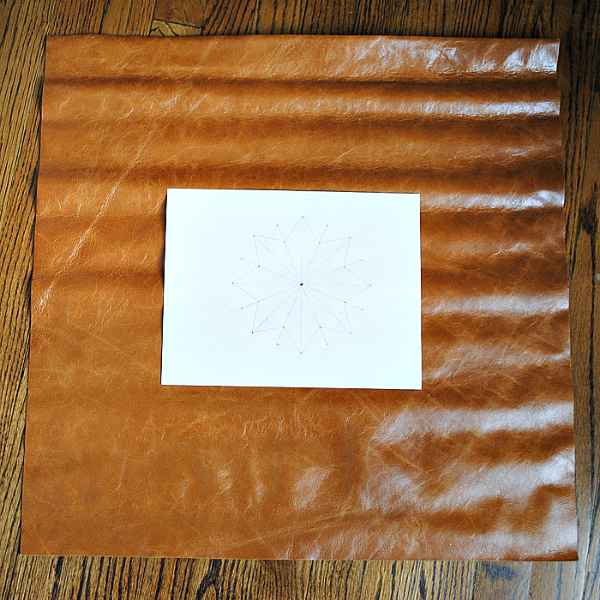
Cut fabric carefully following your pattern to ensure accurate shapes for your Moroccan pouf. Use sharp scissors and cut slowly for clean edges. Precise cutting helps pieces fit well during sewing.
Cutting the fabric for your Moroccan pouf is where creativity meets precision. It’s an exciting phase that requires attention to detail and a touch of artistic flair. Whether you’re using vibrant colors or subtle tones, the way you cut your fabric sets the foundation for the final look and feel of your pouf.Measuring Dimensions
Accurate measurements are crucial. Begin by determining the size of your pouf, considering both its height and width. Typically, a standard pouf might be around 20 inches in diameter and 14 inches high. Use a measuring tape to mark these dimensions on your fabric. It’s helpful to use chalk or a fabric marker for clear visibility. You might wonder if this step can be rushed, but precision here prevents uneven seams later. How will you feel when your carefully crafted pouf doesn’t sit right because of a small measurement error?Creating Pattern Pieces
Once measurements are set, it’s time to create your pattern pieces. This involves cutting out panels that will be sewn together. A typical Moroccan pouf consists of several equal sections that form a sphere-like shape. To do this, draw and cut out a circular top and bottom piece, as well as several side panels. The side panels should be trapezoid-shaped, tapering slightly towards the top. Arrange your pieces on the fabric, ensuring you maximize the material and minimize waste. This is where your artistic side shines—choosing the fabric pattern placement can enhance the final aesthetic. Consider this: how will the patterns align when assembled? Think of each piece as part of a larger puzzle. The satisfaction of seeing your vision come together perfectly is worth the extra care.Sewing The Pouf
Sewing the Moroccan pouf is an important part of this craft. It brings together all the pieces into one beautiful item. Careful stitching creates a strong and neat pouf. This step needs patience and attention to detail. Using the right thread and needle helps the pouf last longer. Take your time and enjoy the process.
Stitching The Panels
Start by placing the leather or fabric panels side by side. Use pins or clips to hold the edges together. Sew each edge with a strong, straight stitch. Keep the stitches close for durability. Backstitch at the start and end to secure the seam. Check that all panels fit well before moving on. Smooth seams give the pouf a clean look.
Adding Decorative Elements
Decorations make your pouf unique and eye-catching. Use embroidery thread to add simple patterns on each panel. Attach small tassels or pompoms at the corners. Stitch on beads or small mirrors for extra shine. Keep decorations balanced around the pouf. Secure each element tightly so they do not fall off. Decorative touches add charm and character.
Filling And Shaping
Filling and shaping your Moroccan pouf is where the magic really happens. This stage determines not only the comfort but also the look and durability of your pouf. Choosing the right materials and stuffing it well will help you create a pouf that holds its shape and feels just right under your hands or feet.
Selecting Fill Material
Choosing the right fill material affects the pouf’s firmness and weight. Common options include foam, polyester fiberfill, old clothes, or even recycled fabric scraps. Foam provides firm support, but fiberfill offers a softer, more cushioned feel.
Think about how you plan to use the pouf. Will it be a footrest, extra seating, or just decorative? You might want firmer foam for seating, but softer fiberfill works well for a cozy footrest.
Don’t overlook natural fillers like wool or cotton—they can add a unique texture and eco-friendly touch. Have you considered mixing materials to balance firmness and softness?
Stuffing Techniques
How you stuff your pouf affects its shape and longevity. Start by adding a base layer of firmer material to support the bottom. Then, gradually fill in the sides and top to avoid lumps and create an even surface.
Use your hands to press and shape as you fill. This helps you spot any uneven spots early. Don’t be afraid to remove some stuffing and redistribute it if the pouf feels off-balance.
Try stuffing in small batches rather than all at once. This allows you to adjust the firmness as you go and achieve the exact shape you want.

Credit: salamhello.com
Finishing Touches
Finishing touches give your Moroccan pouf its final charm and function. These details make it both beautiful and easy to use. Focus on small additions that improve comfort and style. The right finishing steps bring the whole piece together perfectly.
Attaching The Top Handle
The top handle makes moving the pouf simple and practical. Use strong fabric or leather strips. Sew the ends securely to the top center of the pouf. Reinforce the stitching with extra passes. This helps the handle hold weight without tearing.
Choose a handle color that matches or contrasts nicely. Keep the handle size comfortable to grip. A well-attached handle adds a touch of traditional Moroccan style.
Adding Embellishments
Decorate the pouf with simple embellishments for a unique look. Consider sewing small tassels or pom-poms along the edges. Use colorful embroidery to create patterns on the surface. These details enhance the pouf’s authenticity and beauty.
Use beads or sequins carefully to avoid discomfort. Keep decorations balanced and not too crowded. Embellishments give your handmade pouf personality and flair.
Care And Maintenance
Taking good care of your Moroccan pouf ensures it stays beautiful and lasts for years. Regular maintenance protects the leather and fabric from wear and tear, preserving its vibrant look. How often you clean or repair depends on where you place your pouf and how much you use it.
Cleaning Tips
Start by dusting your pouf regularly with a soft cloth to remove surface dirt. For leather poufs, use a damp cloth with mild soap, but avoid soaking the material. Dry it immediately to prevent water stains.
If your pouf has fabric elements, spot clean with a gentle detergent and cold water. Avoid harsh chemicals that could damage the colors or fabric texture. You might want to test cleaning solutions on a small hidden area first to see how it reacts.
For stubborn stains, a mixture of equal parts white vinegar and water can work wonders on leather. Just dab gently and wipe off with a clean cloth. Do you notice your pouf losing its shine? Applying a leather conditioner every few months can restore softness and color.
Repairing Common Issues
Small tears or cracks in leather are common but fixable. Use a leather repair kit to patch holes and smooth out rough spots. These kits come with easy-to-follow instructions and tools that help blend repairs seamlessly.
If your pouf loses shape, try adding more stuffing. You can use polyester fiberfill or foam pieces to bring back firmness. Sometimes, the stitching can come loose; a simple needle and strong thread can keep your pouf intact.
Have you noticed loose threads or small holes? Don’t ignore them. Tackling these problems early prevents bigger damage and keeps your pouf comfortable and attractive.
Styling Ideas
Styling your Moroccan pouf adds a unique charm to any room. It’s not just about placing it somewhere; it’s about making it a statement piece that complements your space. Let’s look at how you can style your pouf to make your decor truly stand out.
Incorporating Poufs In Decor
Think about where a pouf can serve more than just a seat. It works great as a footrest, a side table with a tray on top, or even extra seating for guests. Placing it near a cozy armchair or by a low coffee table creates a welcoming vibe.
Have you tried using a pouf in your reading nook? It instantly adds comfort and style. You can also group several smaller poufs for a playful, casual look in a living room or kids’ play area.
Mixing Colors And Textures
Your Moroccan pouf can be a pop of color or a subtle earth tone. Pair bright, bold colors with neutral walls to make the pouf the centerpiece. Or, if your room is colorful, choose a pouf in a solid, muted shade to balance the look.
Textures matter too. A leather pouf feels warm and natural, while a fabric one with embroidery adds a soft, artistic touch. Try mixing your pouf with rugs, cushions, or throws that have different textures. This creates a rich, layered effect that draws the eye.
- Match a leather pouf with a woven rug for contrast.
- Pair embroidered poufs with velvet cushions to add depth.
- Combine bright poufs with wooden furniture to bring warmth.
What color or texture combination would you like to try in your space? Experimenting with these elements can turn your pouf into a focal point that reflects your personal style.
Frequently Asked Questions
What Materials Do I Need For A Moroccan Pouf?
You need leather or faux leather, strong thread, needle, stuffing like cotton or foam, and scissors. Embroidery thread is optional for decoration. Choose durable materials for a long-lasting pouf that matches your decor style.
How Long Does It Take To Make A Moroccan Pouf?
Making a Moroccan pouf typically takes 3 to 5 hours. This depends on your sewing skill and design complexity. Beginners might need more time to carefully stitch and stuff the pouf properly.
Can I Customize The Size Of My Pouf?
Yes, you can customize your pouf size by adjusting the leather pattern dimensions. Measure carefully to maintain the classic shape. Larger poufs require more stuffing and stronger stitching for durability.
How Do I Stuff A Moroccan Pouf Correctly?
Stuff your pouf tightly with foam, cotton, or old clothes for firmness. Fill all corners evenly to keep its shape. Overstuffing can make it hard, while under-stuffing leads to sagging.
Conclusion
Making your own Moroccan pouf brings charm and comfort to any room. This project lets you add a personal touch to your home decor. You can choose colors and patterns that suit your style. Plus, crafting it yourself saves money and gives pride in your work.
Enjoy relaxing on a pouf that you made with your own hands. Try this fun and creative project soon. Your space will feel warm and inviting.



