
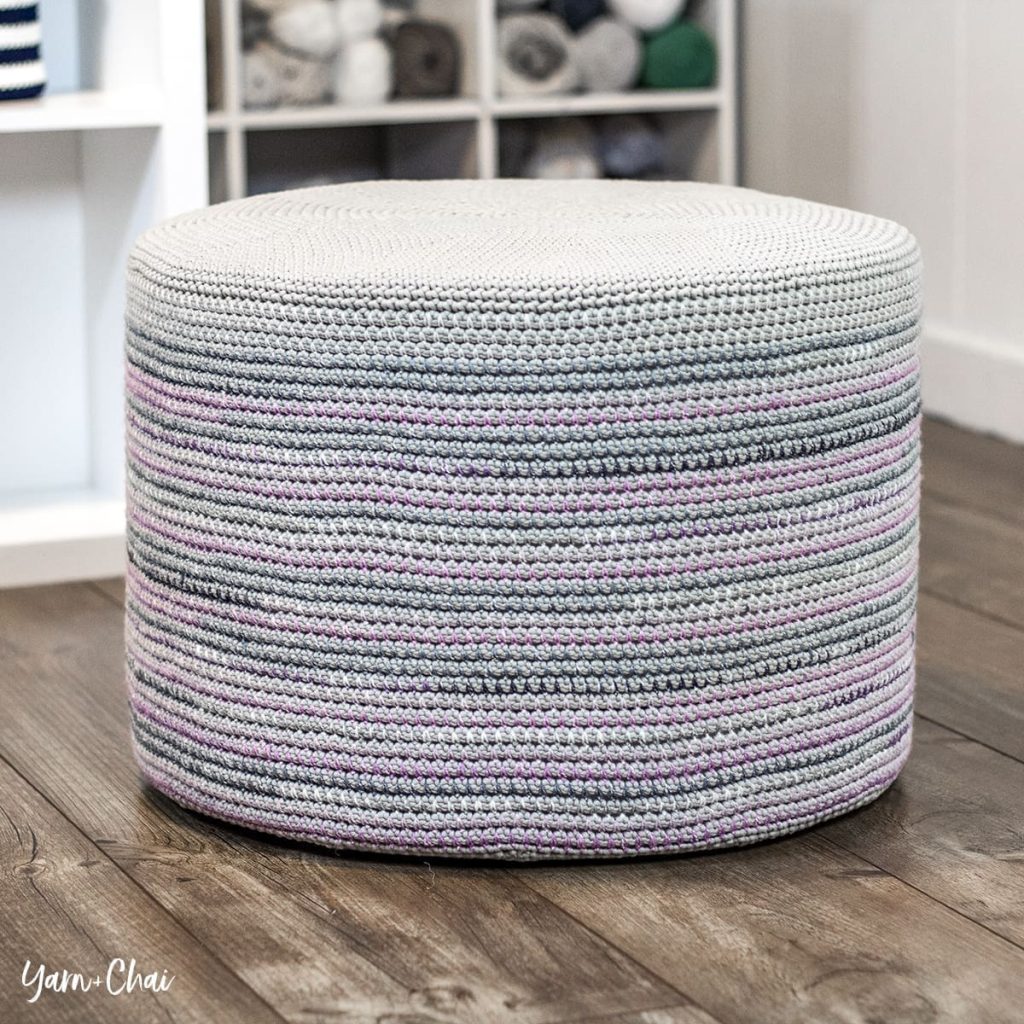
Is your pouf looking flat and lifeless after just a few uses? You’re not alone.
Keeping your pouf firm and full can be tricky, but it’s easier than you think. Imagine sinking into a soft, plump pouf that never loses its shape, adding comfort and style to your space every single day. You’ll discover simple, practical tips that help your pouf stay looking fresh and inviting.
Ready to bring your pouf back to life? Let’s dive in and transform your favorite seat for good.
Choosing The Right Materials
Choosing the right materials is key to making a pouf hold its shape. The fabric, filling, and support all work together to keep the pouf firm and comfortable. Using durable materials ensures the pouf lasts longer and stays looking good.
Best Fabrics For Durability
Durable fabrics help the pouf resist wear and tear. Look for thick, tightly woven fabrics like canvas or denim. These fabrics handle pressure well and do not stretch easily.
Other good options include:
- Leather or faux leather for a sturdy, easy-to-clean surface
- Heavy-duty cotton or linen blends for breathability and strength
- Outdoor fabrics that resist moisture and stains
Filling Options That Maintain Shape
The filling keeps the pouf firm and shaped. High-density foam holds shape the best over time. It bounces back after use and provides good support.
Other effective fillings include:
- Polystyrene beads that mold to the body but stay firm
- Compressed polyester fiberfill for softness with shape retention
- Memory foam for comfort and long-lasting form
Frame And Support Structures
A strong frame helps the pouf keep its form. Wooden or metal frames provide solid support inside the pouf. They stop it from collapsing under weight.
Some poufs use reinforced stitching or internal webbing for extra strength. These elements improve durability and maintain shape during use.
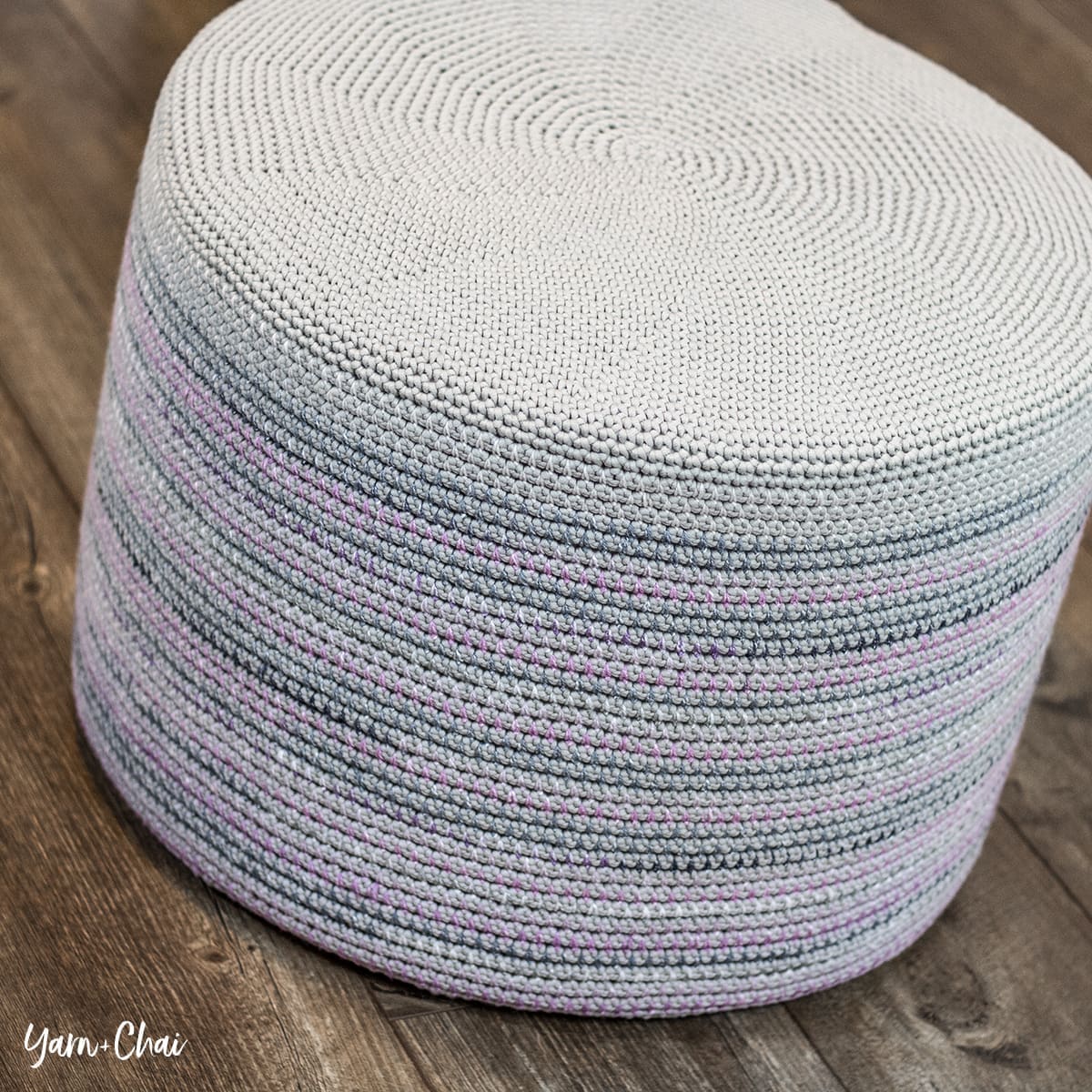
Credit: yarnandchai.com
Proper Filling Techniques
Proper filling techniques are essential to keep your pouf looking fresh and sturdy. The right approach prevents sagging and helps maintain the shape you want. Taking the time to fill your pouf correctly can save you from constant adjustments later on.
Layering Different Fillings
Using a mix of fillings can improve both comfort and durability. Start with a firm base like foam chunks or polystyrene beads to give structure. Then add softer materials, such as shredded fabric or cotton, on top for a plush feel.
This layering technique supports your body while keeping the pouf from collapsing. Have you tried mixing fillings to get the perfect balance? Experimenting with different layers can reveal surprising results.
Stuffing Density And Firmness
How tightly you stuff your pouf directly affects its shape. Too loose, and it will look floppy; too tight, and it may feel uncomfortable. Aim for a medium to firm density that holds form but still feels inviting.
Press down on the filling as you add it to avoid gaps and lumps. You want the pouf to bounce back when you sit or lean on it. Adjusting firmness gradually helps you find the sweet spot for your comfort.
Refilling And Adjusting Over Time
Even the best-filled poufs lose shape with use. Check your pouf regularly and add more filling when it starts to sag. Small adjustments keep your pouf firm without overstuffing.
Consider opening a hidden zipper or seam for easy refilling. How often you refill depends on how much you use the pouf, so listen to what your furniture needs. Keeping up with these tweaks extends the life of your pouf and keeps it looking great.
Sewing And Construction Tips
Choosing firm filling materials helps a pouf keep its shape longer and stay comfortable. Sewing reinforced seams adds strength and prevents sagging over time. Using a sturdy fabric cover also supports the pouf’s structure effectively.
Sewing and constructing a pouf that holds its shape can be challenging. The right techniques make all the difference. By focusing on specific methods, your pouf will look great and last longer. Here are some essential sewing and construction tips.Reinforced Stitching Methods
Reinforced stitching is crucial for durability. Use a strong thread that matches the fabric. A double stitch provides extra strength. This method prevents seams from coming apart. Consider using a zigzag stitch along the edges. It helps prevent fraying and adds stability. These techniques ensure your pouf stays intact.Seam Placement For Shape Retention
Strategic seam placement is key for shape retention. Place seams where they support the structure. Avoid seams in high-stress areas. Vertical seams add height and maintain form. Horizontal seams help distribute weight evenly. This thoughtful placement keeps the pouf in shape longer.Using Zippers And Closures
Zippers offer convenience and functionality. Use a strong, durable zipper for easy access. It allows for easy filling and cleaning. Velcro or buttons are alternative closures. Ensure they are well-attached to avoid tearing. These closures help maintain the pouf’s shape and utility.
Credit: yarnandchai.com
Maintenance And Care
Keeping your pouf looking fresh and firm takes a bit of attention and care. A well-maintained pouf not only lasts longer but also keeps your space inviting. Let’s dive into practical tips that help your pouf hold its shape and charm over time.
Regular Fluffing And Reshaping
Fluffing your pouf often is key to maintaining its shape. Every few days, give it a good squeeze and pat to redistribute the filling evenly. This prevents lumps and keeps the pouf comfortable and supportive.
If you notice any flat spots, don’t hesitate to shake or knead the pouf. Think of it like giving your furniture a quick workout—this wakes up the stuffing and restores volume.
Cleaning Without Damaging Structure
Cleaning your pouf carefully helps avoid damage to its shape. Use a vacuum with a soft brush attachment to remove dust and dirt gently. Spot clean stains with a mild detergent and a damp cloth, blotting instead of rubbing to protect the fabric and filling.
Avoid soaking your pouf or using harsh chemicals, as these can break down the materials inside. If your pouf has a removable cover, check the care label for washing instructions to keep it looking fresh without harming the structure.
Preventing Wear And Tear
Think about where you place your pouf. High-traffic areas or spots near sharp edges can cause faster wear. Rotate your pouf regularly to spread out the pressure and prevent one side from wearing out faster.
Consider adding a protective cover if you use your pouf outdoors or in active spaces. Small habits like removing shoes before sitting can also extend its life. Have you ever noticed how little changes in care routines make a big difference over time?
Creative Enhancements
Creative enhancements can transform your pouf from a simple piece of furniture into a sturdy and stylish focal point. These techniques help maintain its shape while adding personality and comfort. Think about how small changes can make a big difference in both durability and design.
Adding Internal Supports
Internal supports give your pouf structure and prevent it from collapsing over time. You can use lightweight wooden frames or PVC pipes to create a solid skeleton inside. This support keeps the pouf firm without adding too much weight.
Another option is to insert foam boards or stiff cardboard between the filling layers. These materials are easy to cut and fit, providing extra shape retention. Have you tried reinforcing your pouf this way before? It’s a simple trick that works wonders.
Using Decorative Elements To Support Shape
Decorative details can serve a dual purpose by supporting your pouf’s form while enhancing its look. Consider adding tufted buttons or stitched patterns to hold the filling in place. This technique stops the filling from shifting and keeps the pouf looking neat.
Using a sturdy fabric like canvas or denim also strengthens the pouf’s exterior. You can add piping or trim along the edges to reinforce the seams. These small touches not only secure the shape but also add character to your pouf.
Customizing For Comfort And Style
Customizing your pouf allows you to balance comfort with a shape that lasts. Try layering different types of filling such as memory foam on top of firmer stuffing to create a plush yet supportive seat. This mix helps the pouf bounce back after use.
Pick covers that reflect your personal taste but also offer durability. Removable covers make cleaning easier and let you switch styles without changing the structure. What design would make your pouf both inviting and long-lasting?
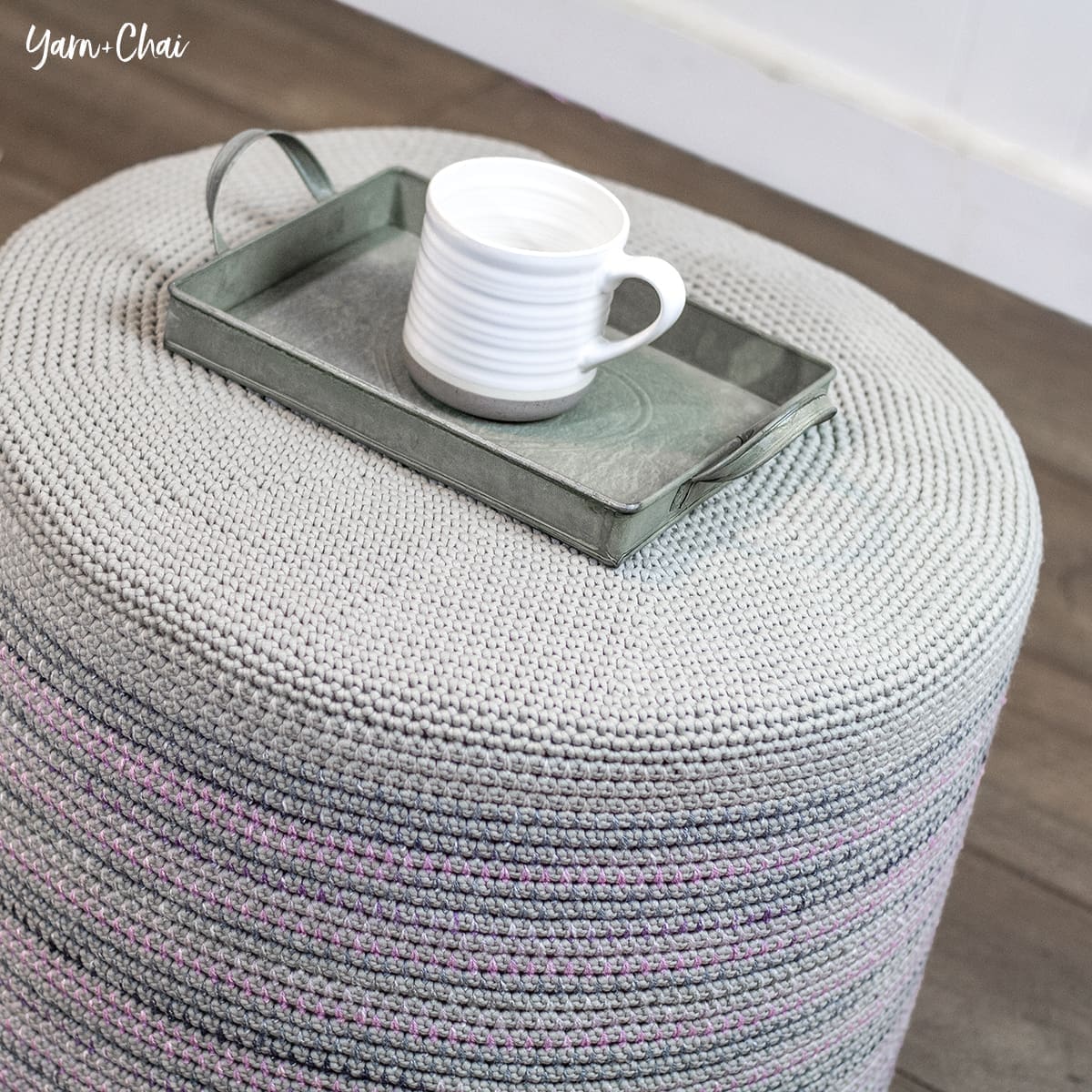
Credit: yarnandchai.com
Frequently Asked Questions
How Can I Prevent My Pouf From Losing Shape?
Choose high-density filling like foam or polyester fibers. Regularly fluff and rotate your pouf to maintain even distribution and shape.
What Materials Keep A Pouf Firm And Durable?
Use dense foam, memory foam, or tightly packed polyester fill. These materials provide consistent support and help poufs retain their shape longer.
How Often Should I Fluff My Pouf?
Fluff your pouf weekly to redistribute the filling. This prevents uneven lumps and helps maintain its original shape and comfort.
Can Pouf Covers Affect Shape Retention?
Yes, stretchy or loose covers can cause sagging. Opt for fitted, sturdy fabric covers to support the pouf’s structure effectively.
Conclusion
A pouf that keeps its shape stays comfortable and looks great longer. Regular fluffing and adding filling help maintain its form. Choose quality stuffing for better support and durability. Avoid heavy use on one side to prevent sagging. Simple care can extend your pouf’s life.
Enjoy a neat, cozy space with a well-shaped pouf. Small efforts make a big difference. Keep these tips in mind for lasting comfort. Your pouf will thank you!



