
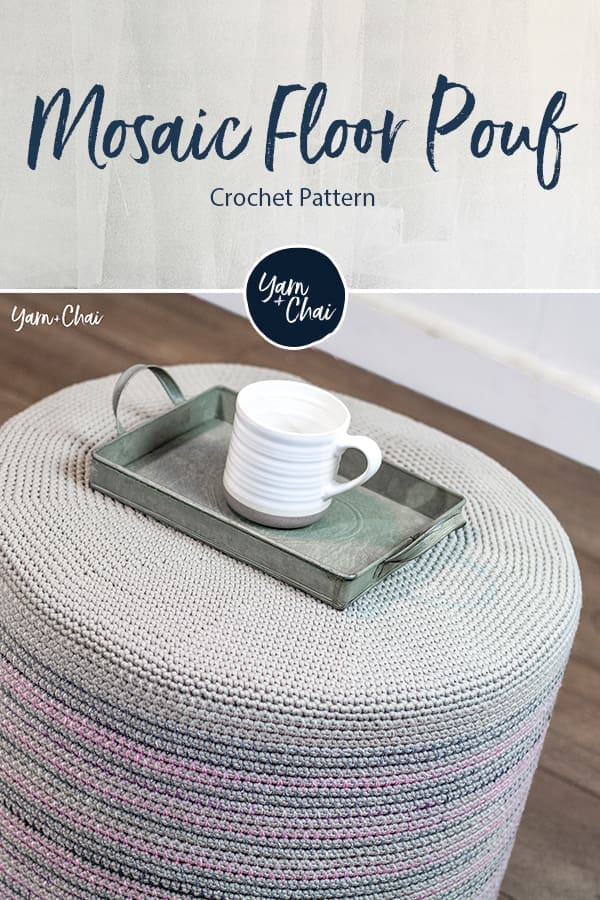
Looking for a fun and easy way to add extra seating to your space? Imagine having a cozy pouf that you made yourself—one that’s not just stylish but also comfortable enough to sit on.
You don’t need fancy skills or expensive tools to create it. In this guide, you’ll discover simple steps that turn basic materials into a pouf that fits perfectly in your home. Keep reading, and you’ll soon have a unique piece that’s as practical as it is charming.
Your new favorite seat is closer than you think!
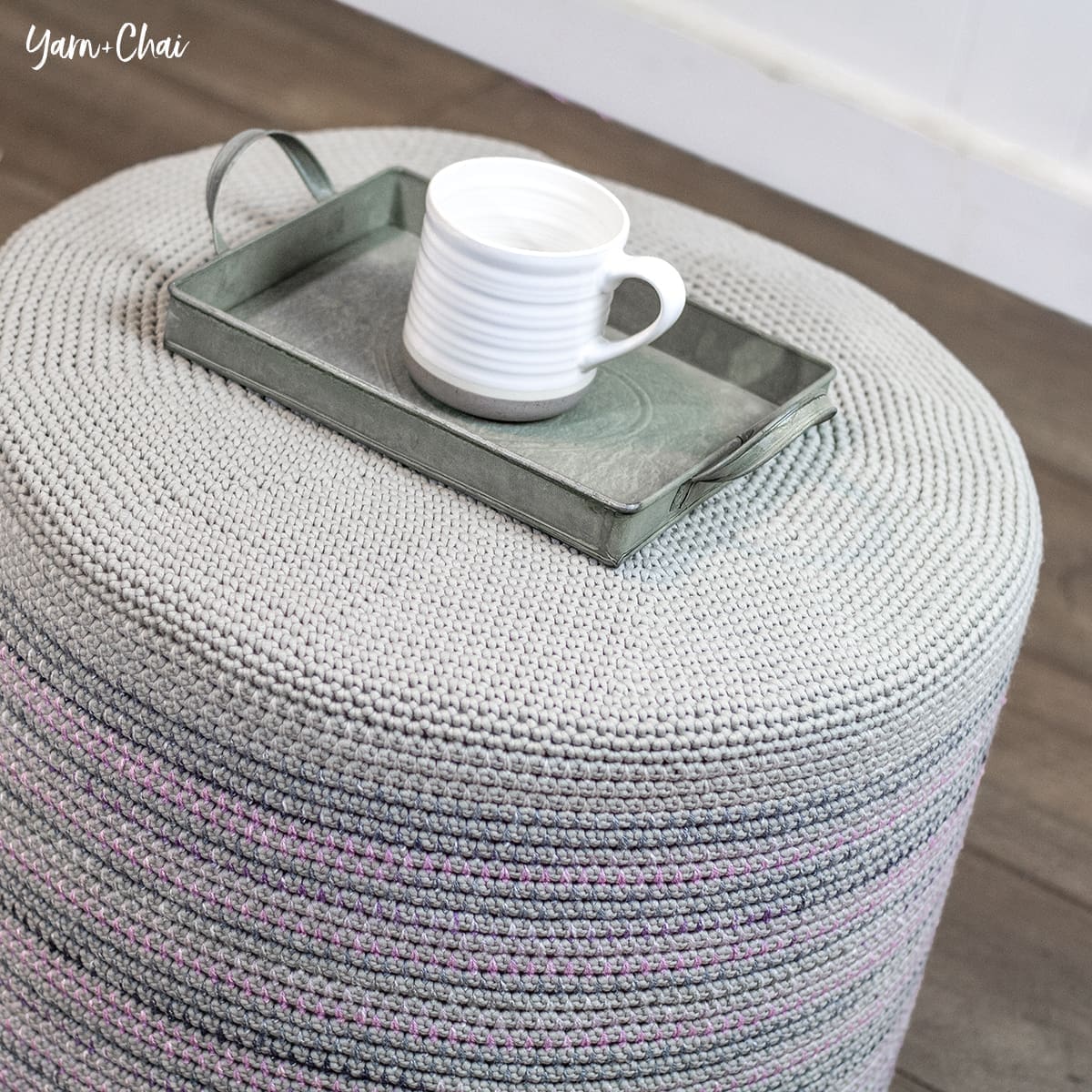
Credit: yarnandchai.com
Materials Needed
To make a pouf you can sit on, gather the right materials first. Choosing good fabric, filling, and tools matters. These materials affect comfort, look, and durability. Start with fabric that feels soft but strong. Pick filling that holds shape well. Have tools ready to cut and sew easily. The right supplies make the project smooth and fun.
Fabric Choices
- Cotton canvas: durable and easy to clean
- Linen: breathable and natural texture
- Velvet: soft with a luxurious feel
- Denim: strong with a casual look
- Outdoor fabric: water-resistant and tough
Choose fabric that matches your style. Pick material thick enough to hold shape. Consider colors and patterns for a nice finish.
Filling Options
- Polyester fiberfill: light and fluffy
- Foam beads: moldable and supportive
- Old clothes or fabric scraps: eco-friendly and cheap
- Foam blocks: firm and durable
- Bean bag pellets: comfortable and flexible
Select filling that fits your comfort needs. Combine options for better support and softness.
Tools Required
- Fabric scissors: sharp for clean cuts
- Measuring tape: accurate sizing
- Sewing machine or needle and thread: for stitching
- Pins: to hold fabric pieces together
- Chalk or fabric marker: for marking cuts
- Zipper or buttons: for removable covers
Use tools that are easy to handle. Good tools save time and improve results.
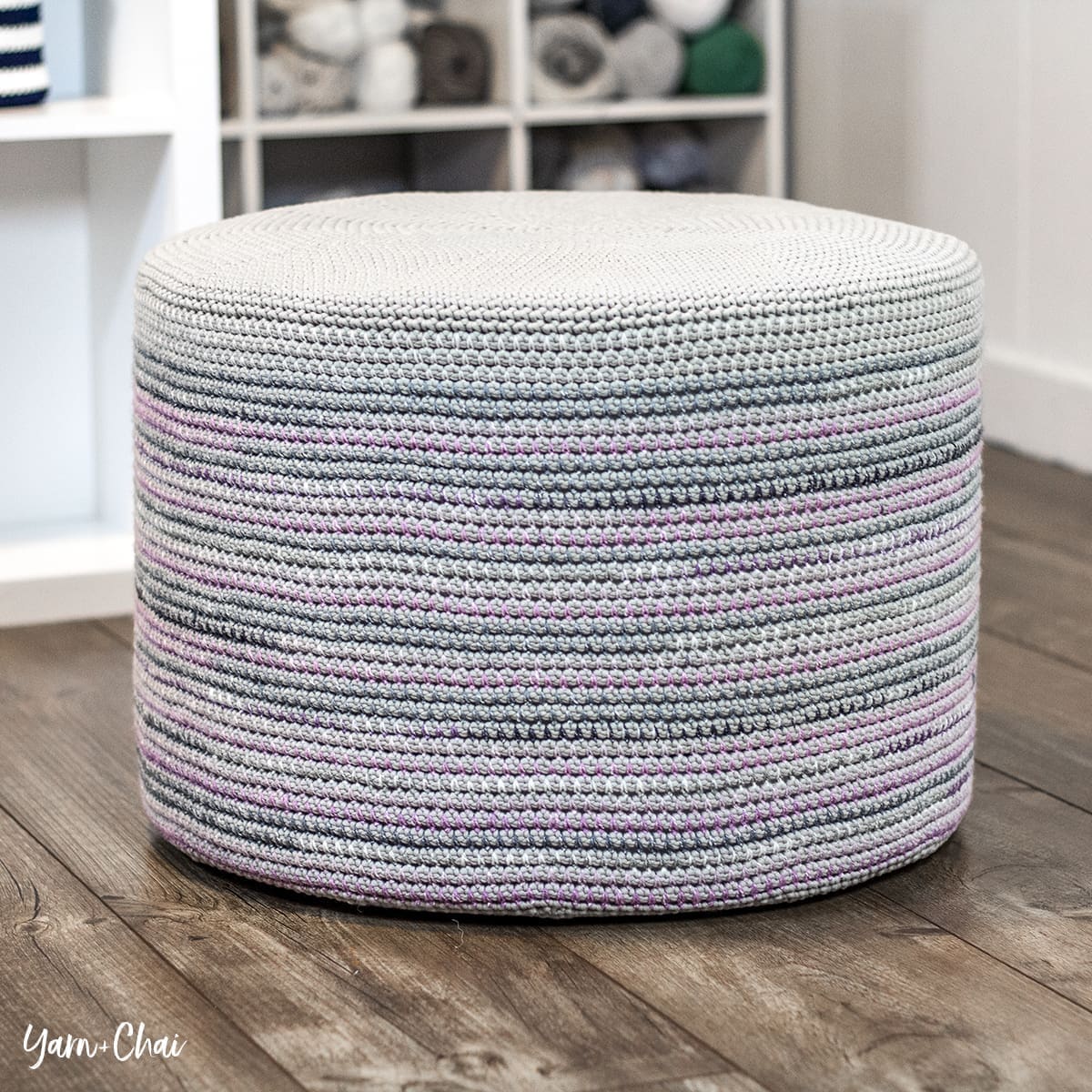
Credit: yarnandchai.com
Selecting The Right Fabric
Choosing the right fabric for your pouf is key to ensuring it looks great and stands up to regular use. The fabric not only affects the style but also the comfort and longevity of your pouf. Take your time to pick something that fits your lifestyle and space.
Durability Factors
Consider how often your pouf will be used. If it’s a spot where you’ll sit daily, opt for strong, tightly woven fabrics like canvas, denim, or upholstery-grade cotton. These materials resist wear and tear better than delicate fabrics.
Think about the fabric’s resistance to stains and fading, especially if you have pets or kids. Synthetic blends or fabrics with stain-resistant finishes can save you from headaches down the line. Don’t forget to check the fabric’s rub count, a higher number means more durability.
Color And Pattern Tips
Choosing the color and pattern is where your personal style shines. Darker colors hide dirt and stains better, which is practical for a frequently used pouf. But lighter shades can brighten a room and make your pouf a standout piece.
Patterns can add texture and interest, but they can also make your pouf clash with other furniture. If your space is already busy, go for solid colors or subtle patterns. If your room is simple, feel free to experiment with bold prints or geometric designs.
Preparing The Fabric
Cut the fabric to the right size for your pouf. Make sure to choose a strong, durable material for long-lasting use. Iron the fabric to remove wrinkles before sewing.
Preparing the fabric for your pouf is a crucial step that sets the foundation for a durable and stylish piece. The right fabric choice can elevate your pouf from a simple seat to a chic home accessory. It’s not just about aesthetics; the fabric must be sturdy enough to withstand regular use.Measuring And Cutting
Accurate measurements are your best friend here. Start by deciding the dimensions of your pouf. A typical pouf might be around 20 inches in diameter and 14 inches high, but you can adjust this to fit your space. Use a measuring tape to outline your fabric. Mark the dimensions with chalk or a fabric marker. Ensure you have enough fabric for all sides, including the top and bottom circles. Double-check your measurements to avoid any cutting mishaps. Cutting the fabric with precision ensures that each piece fits together seamlessly. Use sharp scissors or a rotary cutter for clean edges. This attention to detail will pay off when you sew the pieces together.Seam Allowance Tips
Seam allowance is the unsung hero of sewing. It’s the extra fabric between the edge of the fabric and the stitching line. Typically, a seam allowance of half an inch works well for a pouf. Consistent seam allowance is key to a professional-looking finish. Consider marking the seam allowance with a ruler and fabric marker before you start sewing. This can prevent any last-minute adjustments that might compromise the structure of your pouf. Think about the fabric’s thickness. Thicker fabrics may require a slightly larger seam allowance. This ensures that the seams lay flat and the fabric doesn’t bunch up. Preparing your fabric with precision and care can make a noticeable difference in the final product. What tricks have you learned to ensure your fabric is ready for sewing?Sewing The Pouf Cover
Sewing the pouf cover is where your project starts to take shape. It’s the moment you transform fabric pieces into a cozy, stylish seat. Getting this part right ensures your pouf is both durable and comfortable.
Stitching The Panels
Begin by laying out your fabric panels flat. Align the edges carefully to avoid mismatched seams. Use pins or clips to hold the panels together securely before sewing.
Choose a strong stitch like a straight stitch with a slightly longer stitch length to give your seams flexibility. Sewing slowly helps keep your lines straight and your corners neat.
Remember to backstitch at the start and end of each seam to lock the stitches in place. This prevents your pouf cover from coming apart after use. How confident are you with your sewing machine’s tension settings? Getting these right can save a lot of frustration.
Creating A Zipper Or Closure
Adding a zipper or closure makes your pouf cover removable and washable. Select a zipper that matches your fabric’s color and is sturdy enough to handle daily use.
Position the zipper on one side panel before stitching the rest of the cover. Pin it carefully, keeping the zipper teeth aligned with the fabric edges.
Use a zipper foot on your sewing machine for a close, clean stitch. If a zipper feels tricky, consider other closures like buttons or Velcro strips. What closure will fit your lifestyle best—ease of use or durability?
Filling The Pouf
Filling the pouf is where comfort meets creativity. It’s not just about stuffing material inside; it’s about choosing the right filling and applying it smartly to ensure your pouf is both supportive and cozy. The right filling can transform a simple pouf into a favorite spot in your living room.
Choosing Comfortable Fillings
Think about how you want to use your pouf. Will it be a footrest, extra seating, or a decorative piece? This affects the type of filling you should pick.
- Foam beadsoffer a soft, moldable feel and adjust easily to your body shape.
- Polyester fiberfill
- Memory foam
- Old clothes or fabric scraps
Have you considered mixing fillings to get the best of both worlds? For example, combining foam beads with fiberfill can create a pouf that’s both supportive and soft.
Filling Techniques For Support
How you fill your pouf influences its durability and comfort. Filling it too loosely can make it sag, while overstuffing can make it too firm and uncomfortable.
Start by adding a base layer of dense material like shredded memory foam to provide structure. Then, fill the rest with softer materials like polyester fiberfill to add cushion.
- Fill gradually and test the firmness by sitting on the pouf as you go.
- Use a funnel or a wide opening for easier filling if you’re using small beads or shredded foam.
- Leave a small gap before fully closing the pouf to allow for future fluffing and adjustment.
Have you felt a pouf that was too flat or too stiff? Adjusting the filling step-by-step can help you find that perfect balance.
Final Assembly
The final assembly is the most exciting part of making your pouf. This is where your hard work turns into a comfortable seat. Pay close attention to this stage to ensure your pouf looks great and holds its shape well.
Inserting The Filling
Choose a filling that is firm yet soft. Foam beads or polyester stuffing work well. Fill the pouf slowly to avoid lumps.
- Start by adding a small amount of filling.
- Press it down gently to spread evenly.
- Keep adding filling until the pouf feels firm but squishy.
Make sure the filling reaches all corners for a smooth surface. Adjust as needed to avoid empty spots.
Closing The Pouf
Close the opening carefully to keep the filling inside. Use strong thread and a needle for hand sewing.
- Pinch the edges together neatly.
- Use a whip stitch or ladder stitch for a clean finish.
- Sew slowly to keep the seam tight and secure.
Check the seam by pressing lightly to ensure no filling escapes. Your pouf is now ready for use and display.
Customization Ideas
Customization lets you make your pouf truly yours. It adds style and function. Simple tweaks turn a basic pouf into a unique piece. Use these ideas to enhance comfort and look. Your pouf can reflect your taste and needs perfectly.
Adding Handles Or Feet
Handles make moving the pouf easy. Use sturdy fabric or leather straps. Sew them on opposite sides for balance. Choose colors that match or contrast for style.
Feet lift the pouf off the floor. Small wooden or metal legs work well. They add height and protect your floor. Pick feet shapes that fit your room’s theme.
Decorative Embellishments
Decorations give your pouf personality. Try sewing buttons or fabric patches on the cover. Use colorful embroidery for patterns or names.
Consider attaching tassels or pom-poms around the edges. They add a playful, cozy touch. Choose items that suit your room’s vibe and your style.
Credit: www.thecountrychiccottage.net
Maintenance Tips
Proper maintenance keeps your pouf comfortable and looking fresh. Regular care helps it last longer. Focus on cleaning and reshaping to maintain its form and style. Simple steps make a big difference in daily use.
Cleaning The Cover
Remove the cover if it is detachable. Wash according to the fabric instructions. Use gentle detergent and cold water for most fabrics. Spot clean stains with a soft cloth and mild soap. Avoid harsh scrubbing to protect the fabric. Let the cover air dry fully before putting it back on.
Refilling And Reshaping
Check the pouf’s filling regularly. Add more stuffing when it feels flat or uneven. Use foam, polyester fiberfill, or old clothes as filler. Open the zipper or seam carefully to add stuffing. Distribute the filling evenly for a smooth shape. Close the pouf securely to keep the filling inside. Fluff the pouf often to keep its form and comfort.
Frequently Asked Questions
What Materials Are Needed To Make A Sit-on Pouf?
To make a pouf, you need fabric, stuffing, thread, and sewing tools. Choose durable fabric like cotton or canvas. Use foam or polyester fiberfill for stuffing. Additionally, gather scissors, a measuring tape, and a sewing machine or needle for assembly.
How Long Does It Take To Make A Pouf?
Making a pouf typically takes 2 to 4 hours. Time varies based on your sewing skills and design complexity. Beginners may need more time, while experienced crafters can finish faster. Planning and preparation can also reduce overall making time.
Can I Customize The Size Of My Pouf?
Yes, you can customize your pouf size easily. Adjust fabric measurements to create larger or smaller poufs. Ensure stuffing quantity matches your desired firmness and size. Custom sizing helps fit your pouf perfectly into any room space.
Is Sewing Experience Required To Make A Pouf?
Basic sewing skills are helpful but not mandatory. Simple pouf designs use straightforward stitches suitable for beginners. Tutorials and step-by-step guides can assist you. Practice on scrap fabric before starting your pouf project to build confidence.
Conclusion
Making a pouf you can sit on is simple and fun. You only need a few materials and some patience. This project helps you save money and add style to your room. Try different fabrics and shapes to match your space.
Enjoy your new pouf and the comfort it brings. Give it a try today!



