
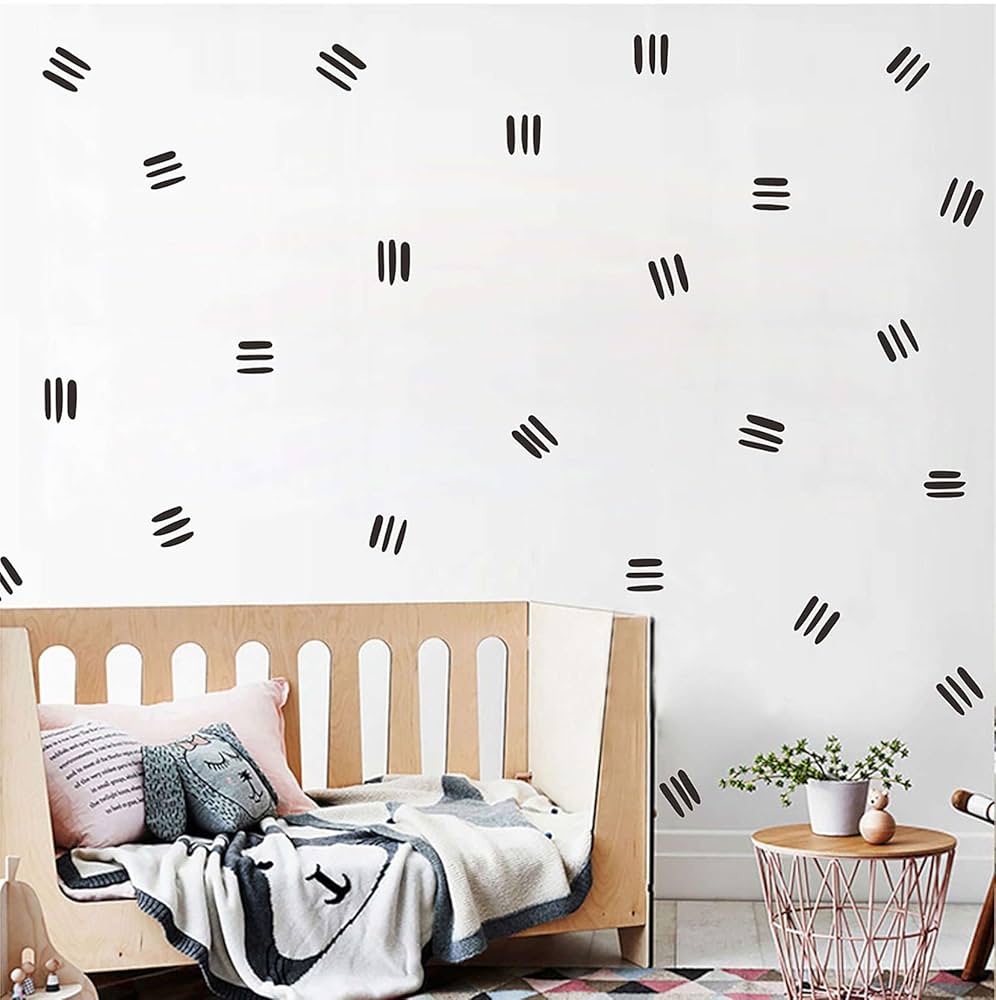
Are you tired of your wall stickers peeling off just days after you put them up? You want your space to look great, but those stubborn stickers won’t stay put.
The good news is, you don’t have to struggle with this anymore. You’ll discover simple, effective tips to make your wall stickers stick firmly and last longer. Keep reading to transform your walls effortlessly and enjoy a flawless look every time.
Choose The Right Stickers
Choosing the right wall stickers is key to making sure they stick well and look great on your walls. Not all stickers are created equal, and picking the right type can save you from frustration and damage to your surfaces. Let’s break down the factors you should consider before buying your next set of wall stickers.
Material Types
Wall stickers come in various materials, each with different sticking properties. Vinyl stickers are popular because they are durable and waterproof, making them perfect for kitchens and bathrooms.
Paper-based stickers are cheaper but less durable and often peel off quickly. If you want something reusable, look for static cling materials that don’t use adhesive but stick through static electricity instead.
Surface Compatibility
Ask yourself: what surface will you apply the sticker to? Smooth, clean surfaces like painted walls, glass, or tiles work best for most stickers. Rough or textured surfaces like brick or wallpaper might cause stickers to peel off prematurely.
Before buying, check if the sticker packaging specifies the type of surface it adheres to. You don’t want to waste money on stickers that won’t stick well to your specific wall type.
Sticker Quality
Quality affects both appearance and adhesion. High-quality stickers have strong adhesive that sticks well but can be removed without leaving residue. Cheaper stickers often use low-grade glue that either won’t stick or damages the wall when removed.
Look for stickers with good reviews or brands known for durability. A small investment upfront can save you time and hassle in the long run.

Credit: www.walmart.com
Prepare The Wall Surface
Getting your wall stickers to stick well starts with preparing the wall surface properly. A smooth, clean, and dry wall helps the adhesive bond better and last longer. Skipping these steps often leads to peeling or bubbles, which nobody wants to see after all the effort.
Cleaning Techniques
Dust, grease, and dirt can stop your stickers from sticking tightly. Use a mild detergent mixed with water and a soft cloth to wipe the wall thoroughly. Avoid harsh chemicals that might damage the paint or wallpaper.
If you notice stubborn spots, try a gentle scrub with a sponge, but be careful not to soak the wall. After cleaning, rinse with a damp cloth to remove soap residue. This simple step can make a huge difference in how well your stickers hold.
Drying The Surface
Moisture is the enemy of strong adhesion. Even if the wall feels dry to touch, give it some time to air dry completely. Using a fan can speed up the drying process, especially in humid rooms.
Imagine applying a sticker on a damp surface — it will start peeling within hours. So, patience here pays off. Your stickers will stick firmly and look flawless for much longer.
Repairing Imperfections
Any cracks, holes, or bumps on your wall will show through the sticker and cause it to lift. Take a moment to fill small holes with spackling paste or wall filler. Smooth the area with fine sandpaper once dry.
Uneven spots can ruin the sticker’s appearance and reduce its lifespan. A perfectly flat surface might seem like extra work, but it makes your wall stickers look professionally applied. Don’t overlook this step if you want a clean, polished finish.
Optimal Temperature And Humidity
When it comes to getting your wall stickers to stick properly, the environment in which you apply them plays a crucial role. Optimal temperature and humidity levels are essential for ensuring that your wall stickers adhere well and remain in place. If you overlook these factors, your stickers might not stick as expected or could peel off sooner than you’d like.
Ideal Conditions
For the best results, aim to apply your wall stickers in a room with a temperature between 60°F and 80°F (15°C to 27°C). This range is generally comfortable for most adhesives, allowing them to bond effectively without becoming too brittle or too soft. Consider using a thermometer to monitor the room temperature if you’re unsure. If you’ve ever tried to apply stickers on a freezing day, you likely noticed how stubborn they were. Keep your room at a moderate temperature to ensure a seamless application process.
Avoiding Moisture Issues
Humidity can be a silent enemy when it comes to wall stickers. High humidity levels can cause the adhesive to weaken, leading to poor sticking performance. Aim for a humidity level of 40% to 60% to keep your stickers firmly in place. If you’re in a humid climate, a dehumidifier can be your best friend, ensuring the air stays just right for sticker application. Have you ever noticed how a bathroom mirror fogs up after a hot shower? Imagine what that kind of moisture can do to your wall stickers. By managing the moisture levels in your home, you can prevent your stickers from peeling and keep your walls looking fresh.
Applying The Stickers
Applying wall stickers might seem straightforward, but getting them to stick perfectly takes a bit of care and attention. The key is in how you position the sticker, deal with air bubbles, and use the right tools. Let’s break down each part so you can achieve a smooth, lasting finish on your walls.
Positioning Tips
Start by cleaning the wall surface thoroughly. Dust or grease can prevent stickers from sticking well. You want a dry, smooth wall for the best grip.
Next, hold the sticker up and step back to check your placement. Are you happy with the height and alignment? Use painter’s tape to temporarily hold the sticker in place. This allows you to adjust without risking a ruined sticker.
Thinking about symmetry? Use a level or ruler to make sure your sticker isn’t crooked. Small adjustments here save frustration later.
Smoothing Out Bubbles
Once the sticker is positioned, start pressing it down from the center outwards. This pushes air out as you go. If bubbles appear, don’t panic.
Use your fingers or a soft cloth to gently smooth the sticker. For stubborn bubbles, try lifting the nearest edge and reapplying slowly while smoothing.
Have you ever left bubbles under your stickers and regretted it? Taking time here prevents annoying bumps that catch the eye and reduce adhesion.
Using Tools For Application
A plastic squeegee is your best friend when applying wall stickers. It spreads pressure evenly and helps avoid tears or wrinkles. If you don’t have one, a credit card wrapped in a soft cloth works well too.
Some people use a pin to pop tiny bubbles after application, but this can damage the sticker. Instead, try to smooth bubbles out before they set.
Remember, patience pays off. Tools help, but your careful hand makes the biggest difference.
Enhancing Adhesion
Enhancing adhesion is key to making wall stickers stay longer. Proper adhesion prevents peeling and keeps the stickers looking fresh. Several simple techniques can improve how well stickers stick to your wall.
Heat Application
Applying gentle heat helps activate the sticker’s adhesive. Use a hairdryer on low heat and move it evenly over the sticker. Warmth softens the glue, allowing it to bond better with the wall surface. Avoid overheating to prevent damage to the sticker or wall.
Pressure Techniques
Pressing firmly ensures the sticker sticks without air bubbles. Use a soft cloth or a squeegee to smooth out the sticker. Start from the center and push outwards toward the edges. Consistent pressure improves contact between the adhesive and wall.
Additional Adhesives
Sometimes the sticker’s own glue is not enough. You can use double-sided tape or spray adhesive for extra hold. Test these adhesives on a small area to check for wall damage. Choose adhesives safe for painted or delicate surfaces to avoid marks.
Maintaining Wall Stickers
Maintaining wall stickers ensures they look fresh and stay attached longer. Proper care keeps the colors bright and prevents damage. Small habits protect your wall stickers from peeling or fading.
Cleaning Without Damage
Use a soft, dry cloth to wipe dust gently. Avoid wet cloths or harsh chemicals that can ruin stickers. For stubborn dirt, slightly dampen a cloth with water only. Never scrub or rub hard; it can lift edges.
Avoiding Peeling
Keep walls dry and avoid steam or humidity near stickers. Check edges regularly and press gently if they start to lift. Avoid touching or pulling stickers often to prevent damage. Use a hairdryer on low heat to reactivate adhesive if peeling occurs.
Long-term Care
Place stickers away from direct sunlight to prevent fading. Clean walls before applying stickers for better adhesion. Avoid placing stickers on textured or rough surfaces. Store extra stickers flat in a cool, dry place for future use.
Troubleshooting Common Issues
Wall stickers add personality to any room but can sometimes cause frustration. Common issues like peeling edges, bubbles, or wrinkles may ruin their look. Simple fixes can restore their smooth, clean appearance. Understanding how to address these problems helps keep your walls beautiful.
Peeling Edges
Peeling edges happen when the surface is dusty or oily. Clean the wall with a mild soap solution and dry it well. Press the edges firmly back onto the wall using your fingers or a soft cloth. For stubborn edges, a small amount of wallpaper glue can help. Avoid touching the edges too much after fixing them.
Bubbles And Wrinkles
Bubbles and wrinkles appear if air gets trapped under the sticker. Smooth the sticker from the center outwards using a plastic card or squeegee. For larger bubbles, gently lift the sticker and reapply it slowly. A pin can pop tiny bubbles; press out the air carefully afterward. Make sure the wall is clean and dry before applying stickers.
Sticker Removal Tips
Remove stickers slowly to avoid wall damage. Heat the sticker with a hairdryer to soften the adhesive. Peel the sticker gently at a low angle. Use a mild adhesive remover or warm soapy water to clean leftover glue. Avoid sharp tools that can scratch or damage the wall surface.
Credit: rockymountaindecals.com

Credit: www.amazon.com
Frequently Asked Questions
How Do I Prepare The Wall For Stickers?
Clean the wall thoroughly using mild soap and water. Ensure it’s dry and smooth. Avoid textured or dusty surfaces for better adhesion.
What Temperature Is Best For Applying Wall Stickers?
Apply stickers in a room temperature of 60-75°F (15-24°C). Extreme cold or heat can affect the adhesive’s effectiveness.
Can I Reuse Wall Stickers After Removing Them?
Most wall stickers lose their stickiness once removed. Reusing is possible only if the adhesive remains intact and the surface is clean.
How Long Do Wall Stickers Typically Last On Walls?
Wall stickers usually last 3-5 years. Proper wall preparation and avoiding moisture extend their lifespan.
Conclusion
Getting wall stickers to stick well is simple with the right steps. Clean the surface thoroughly before applying stickers. Make sure the wall is smooth and dry. Press the sticker firmly to avoid air bubbles. Take your time and adjust the sticker carefully.
This helps the sticker stay longer and look better. Follow these tips for easy and neat decoration. Enjoy your refreshed space with stickers that hold strong.



