
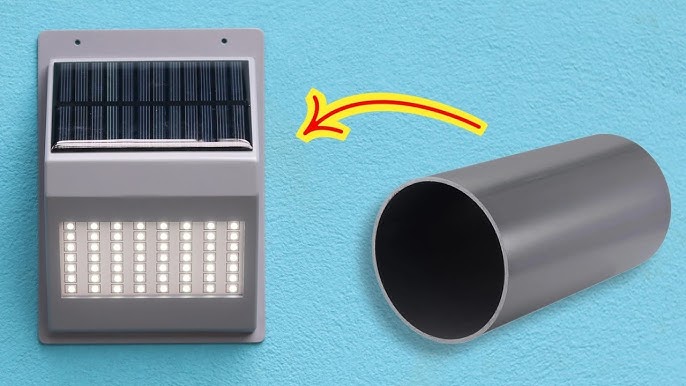
Imagine having a desk lamp that never needs plugging in or changing batteries. A lamp powered entirely by the sun, saving you money and helping the environment.
You might think building one is complicated, but it’s easier than you expect. In this guide, you’ll discover simple steps to create your own solar powered desk lamp. By the end, you’ll have a unique, eco-friendly light source right on your desk.
Ready to brighten your workspace with the power of the sun? Let’s get started.
Credit: circuitdigest.com
Materials Needed
Gathering the right materials is key to building a functional solar powered desk lamp. The components you choose affect how well your lamp performs and how long it lasts. I learned this firsthand when I first tried using a low-quality battery—it barely held a charge, and I had to replace it quickly.
Before you start, make sure you have everything on hand. Missing just one part can slow down your project or cause it not to work at all. Let’s break down the essential materials you’ll need.
Solar Panel
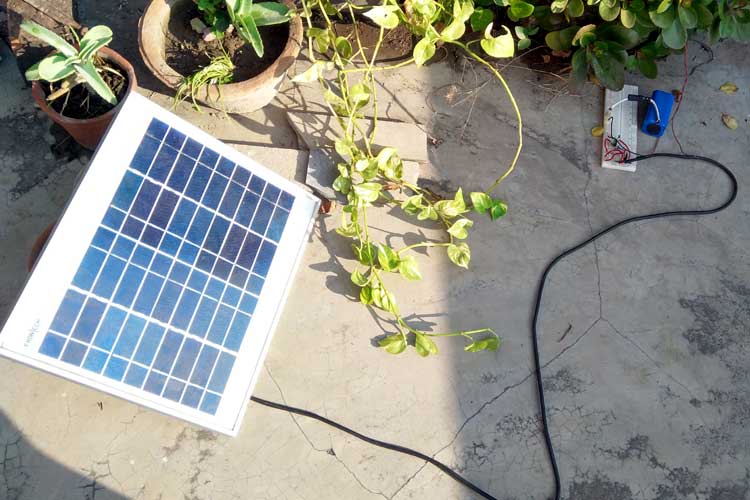
The solar panel captures sunlight and converts it into electricity. Choose one with a power output that matches your lamp’s needs, typically around 5V and 1-3 watts for a desk lamp. Smaller panels might save space but can take longer to charge your battery.
Think about where you’ll place the lamp. If it won’t get direct sunlight, you might need a panel with higher efficiency. Have you checked the sunlight availability in your workspace?
Led Light
LEDs are energy-efficient and provide bright light with minimal power use. Pick an LED with the right brightness—around 300-500 lumens works well for reading and working. You can choose between warm or cool light, depending on your preference.
Remember, brighter LEDs consume more energy, which means your battery might drain faster. I once tried a super bright LED, but it made my battery last only a couple of hours. Balancing brightness and power consumption is essential.
Rechargeable Battery
This stores the energy collected by the solar panel for use when it’s dark. Lithium-ion batteries are a popular choice because they last long and hold a good charge. Make sure the battery voltage matches your solar panel and LED setup, usually 3.7V to 5V.
Safety matters here—avoid cheap batteries that can overheat or leak. Quality rechargeable batteries might cost more upfront but save you headaches later. How long do you want your lamp to run each night?
Lamp Housing
The housing protects your components and gives your lamp its shape. You can use materials like wood, plastic, or metal depending on your tools and style. I crafted mine from recycled wood, which added a warm touch and was easy to work with.
Consider ventilation to avoid overheating and space for wiring. If you want portability, keep the housing lightweight. What design fits your desk and personal taste?
Wiring And Tools
Basic wiring supplies include insulated copper wires, a switch, and connectors. You’ll also need tools like a soldering iron, wire strippers, and a multimeter for testing. Having these ready makes assembly smoother and troubleshooting easier.
Don’t skip on testing each connection before finalizing. A simple loose wire can stop the whole lamp from working. Do you have experience with soldering or wiring, or will this be your first time?

Credit: www.youtube.com
Choosing The Right Solar Panel
Choosing the right solar panel is crucial for building an efficient solar-powered desk lamp. The panel you pick directly affects how much energy you can capture and how long your lamp will shine. Let’s break down what to consider so your lamp won’t leave you in the dark.
Panel Size And Power
The size of the solar panel often dictates its power output. Larger panels usually produce more electricity, but they might not fit your desk lamp’s design. Think about the space available and balance it with your power needs.
For a small desk lamp, a panel producing between 1 to 5 watts is often enough. If you want brighter light or longer run time, go for a slightly larger panel. Have you measured the space on your lamp where the panel will sit?
Types Of Solar Panels
You’ll find mainly three types of solar panels: monocrystalline, polycrystalline, and thin-film. Monocrystalline panels are known for high efficiency and sleek appearance but come at a higher price.
Polycrystalline panels cost less but are slightly less efficient. Thin-film panels are flexible and lightweight but don’t produce as much power. Consider what fits your budget and style without sacrificing too much performance.
Efficiency Considerations
Efficiency tells you how well a solar panel converts sunlight into electricity. Higher efficiency means more power from less sunlight, which is perfect if your lamp won’t get direct sun all day.
Look for panels with at least 15-20% efficiency to ensure your lamp works well indoors or near a window. Ask yourself: will your desk lamp get enough light during the day to recharge fully? If not, prioritize higher efficiency panels.
Selecting The Led Light
When creating a solar-powered desk lamp, selecting the right LED light is crucial. The LED you choose impacts not only the brightness of your workspace but also how efficiently the entire system operates. This decision will ultimately affect the lamp’s performance and your satisfaction with the final product.
Brightness And Color Temperature
Brightness and color temperature are key factors in choosing an LED light. You want an LED that provides enough light to illuminate your workspace without being overly harsh. Look for LEDs measured in lumens to determine brightness; around 450 lumens is suitable for a desk lamp.
Consider the color temperature, measured in Kelvin (K), to set the right mood. For a warm and cozy atmosphere, aim for 2700K to 3000K. If you prefer a daylight effect, opt for a range between 5000K and 6500K. Think about how these choices will affect your productivity and comfort.
Energy Efficiency
Energy efficiency is a top priority when it comes to a solar-powered desk lamp. LEDs are known for their low power consumption, which is perfect for a solar setup. Check the wattage of the LED; the lower, the better for conserving energy while still providing ample light.
Efficiency not only saves energy but also prolongs the life of your battery. This means you can enjoy longer periods of illumination without needing frequent recharges. Have you ever wondered how much energy you could save by switching to efficient LEDs?
Compatibility With Battery
Ensuring compatibility between the LED and the battery is critical. The LED’s voltage and current requirements must match your battery’s output. This ensures smooth operation without straining the battery or the light.
Consider using a battery with a higher capacity if you plan on using your lamp for extended periods. This will prevent the LED from dimming prematurely. Choosing a compatible setup will save you from potential headaches down the road.
By carefully selecting the right LED, you can create an efficient and effective solar-powered desk lamp that meets your needs. What kind of lighting setup will enhance your workspace the most?
Battery Options
Choosing the right battery for your solar powered desk lamp is crucial. It affects how long your lamp will run, how often you need to recharge it, and overall safety. Let’s look closely at what battery options you have and what to consider when picking one.
Types Of Rechargeable Batteries
You have several types of rechargeable batteries to choose from:
- Nickel-Metal Hydride (NiMH):Affordable and widely available, but they self-discharge faster than others.
- Lithium-ion (Li-ion):High energy density and longer life, perfect if you want compact and powerful batteries.
- Nickel-Cadmium (NiCd):Durable and reliable but contain toxic metals, so handling and disposal require care.
I once used NiMH batteries in my DIY lamp and found they worked well for casual use. However, switching to Li-ion later gave me longer lamp runtime without increasing battery size.
Capacity And Voltage
Battery capacity, measured in milliampere-hours (mAh), tells you how long your lamp can run before recharging. Higher capacity means longer light time but often larger size.
Voltage is equally important. Most small solar lamps use 3.7V Li-ion or 1.2V NiMH batteries. Matching the voltage to your LED and solar panel ensures efficient power flow.
| Battery Type | Typical Voltage | Capacity Range (mAh) |
|---|---|---|
| NiMH | 1.2V per cell | 600 – 2500 |
| Li-ion | 3.7V per cell | 1000 – 3500+ |
| NiCd | 1.2V per cell | 600 – 1500 |
Think about your lamp’s size and brightness needs before choosing capacity and voltage. Would a bigger battery make your lamp bulky? Or does a smaller one limit your usage time?
Safety Tips
Handling rechargeable batteries needs care. Avoid overcharging or discharging batteries completely; both can damage them or cause overheating.
Use a proper battery holder and never mix different types or old and new batteries together. This can lead to leakage or reduced battery life.
Protect your battery from extreme heat or cold, and always follow manufacturer instructions for charging. Have you checked if your solar panel’s charging circuit includes overcharge protection? It can save your battery and your lamp.
Assembling The Components
Assembling the components of your solar powered desk lamp is where your project starts to take real shape. This stage requires careful attention to wiring and connections to ensure everything works smoothly. Take your time and double-check each link — a small mistake can stop your lamp from lighting up.
Wiring The Solar Panel To The Battery
Begin by identifying the positive and negative terminals on both the solar panel and the battery. Connect the positive wire from the solar panel to the positive terminal of the battery, and do the same for the negative wires.
Use a soldering iron or wire connectors to secure these connections firmly. Loose wires can cause inconsistent charging, which affects your lamp’s performance.
Connecting The Led Light
Next, focus on the LED light. LEDs have polarity, so connect the positive lead of the LED to the battery’s positive terminal and the negative lead to the negative terminal.
If your LED requires a resistor to prevent burning out, add it in series with the positive lead. Have you checked the LED’s voltage and current requirements? Matching these with your battery ensures long-lasting brightness.
Installing Switches
Adding a switch gives you control over when your lamp turns on and off. Place the switch on the positive wire between the battery and the LED.
This setup allows you to easily interrupt the circuit without disconnecting wires. Test the switch by toggling it—your LED should light up only when the switch is on.
Designing The Lamp Housing
Designing the lamp housing is a crucial part of creating your solar-powered desk lamp. It protects the internal components and adds to the lamp’s overall style and functionality. Paying attention to the details here can improve both the lamp’s durability and the efficiency of its solar panel.
Choosing Materials
Your choice of materials affects the lamp’s weight, durability, and heat management. Lightweight plastics like acrylic or polycarbonate are easy to work with and allow light to pass through easily. Wood adds a warm, natural look but needs to be treated to resist moisture and heat.
Think about where you’ll use the lamp. If it’s near a window or outdoors, materials that resist UV damage and moisture are better. Have you tried using recycled materials? They not only reduce waste but can also add a unique character to your lamp.
Building A Stable Base
A stable base keeps your lamp steady and prevents it from tipping over. Use heavier materials like metal or thick wood for the base to counterbalance the top-heavy solar panel. You can add rubber feet or pads to avoid slipping and protect your desk surface.
Consider the size and shape of your base carefully. Does it fit well in your workspace? A wide, flat base works best for stability, but a slim design might suit smaller desks. What balance between size and stability feels right to you?
Positioning The Solar Panel
The solar panel’s placement determines how much sunlight it captures. Place it on top or at an angle that faces the brightest window or light source. Avoid shadows from nearby objects—any shade reduces the panel’s power output.
Try tilting the panel between 30 to 45 degrees for optimal sunlight exposure. If you want, you can add a small adjustable mount to change the panel’s angle throughout the day. How often would you be able to adjust it to maximize sunlight?
Testing And Troubleshooting
Testing and troubleshooting are key to making sure your solar powered desk lamp works perfectly. Without careful checks, you might miss small issues that stop the lamp from shining bright. Spending time here saves you from frustration later and helps you understand your lamp better.
Checking Electrical Connections
Loose or incorrect wiring is a common problem that can keep your lamp from turning on. Start by visually inspecting each connection—make sure wires are tightly twisted or soldered, and that no bare wire touches where it shouldn’t.
Use a multimeter to test continuity between points. This helps you find broken wires or bad joints. If you spot any corrosion or dirt on contacts, clean them gently with a small brush or rubbing alcohol.
Ensuring Proper Charging
Your solar panel must get enough sunlight to charge the battery fully. Place the panel in direct sunlight for several hours and check if the battery voltage rises using a multimeter.
If the battery voltage stays low, the panel might be dirty, damaged, or incorrectly connected. Try cleaning the solar panel surface or adjusting its angle toward the sun. Also, confirm the charge controller (if used) is functioning to prevent overcharging or undercharging.
Fixing Common Issues
If the lamp flickers or won’t stay on, the battery could be weak or faulty. Recharge it fully or try swapping it with a new rechargeable battery to see if performance improves.
Another frequent issue is the LED bulb not lighting. Check the bulb itself for damage and verify polarity—LEDs only work if connected the right way.
Do you feel stuck at any point? Don’t hesitate to go back and double-check every step. Small oversights often cause big headaches, but careful testing will get your lamp glowing reliably.

Credit: just-solar.en.made-in-china.com
Customization Ideas
Customization makes your solar powered desk lamp truly unique. It lets you tailor the lamp to fit your needs and style perfectly. Small changes can boost its function and appearance. Explore ideas to enhance your lamp’s look and usability.
Adding Dimmers Or Sensors
Dimmers help adjust light brightness smoothly. They save energy and create the right mood for work or rest. Motion sensors switch the lamp on only when you are near. Light sensors can turn the lamp off in bright rooms automatically. These features improve convenience and save power.
Decorative Enhancements
Decorations give your lamp personality. Use colored or patterned lampshades to match your room. Add stickers or paint the base with fun designs. Natural materials like wood or bamboo add warmth and charm. Small plants around the lamp can create a fresh, cozy look.
Portable Designs
Make your lamp easy to move. Use lightweight materials for the frame and base. Add a handle or strap for carrying. Choose a rechargeable battery for cordless use. Portable lamps work well outdoors or in different rooms. Flexibility lets you enjoy solar light anywhere.
Frequently Asked Questions
How Does A Solar Powered Desk Lamp Work?
A solar powered desk lamp uses solar panels to capture sunlight. The panels convert sunlight into electricity. This electricity charges a battery inside the lamp. The lamp then uses this stored energy to provide light at night or in dark spaces.
What Materials Are Needed To Build A Solar Desk Lamp?
You need a small solar panel, rechargeable battery, LED bulb, wires, and a lamp base. Additional materials include a switch and soldering tools. These components work together to convert sunlight into light for your desk lamp.
How Long Does The Solar Desk Lamp Last On A Full Charge?
A fully charged solar desk lamp typically lasts 6 to 12 hours. The exact duration depends on battery capacity and LED power. Efficient LEDs and quality batteries extend usage time, making the lamp reliable for nightly use.
Is It Easy To Assemble A Solar Powered Desk Lamp?
Yes, assembling a solar powered desk lamp is straightforward. Basic knowledge of wiring and soldering helps. Following a step-by-step guide ensures proper assembly. It’s a great DIY project for beginners interested in renewable energy.
Conclusion
Making a solar powered desk lamp is simple and fun. It saves energy and helps the environment. You only need a few parts and some basic tools. This project teaches you about solar power and light. Your lamp will work without batteries or wires.
Try building one to brighten your room in a green way. Small steps like this make a big difference. Enjoy your new, eco-friendly desk lamp every day.



