
Are you ready to bring a magical glow to your holiday décor without the hassle of a traditional tree? Making a string light Christmas tree is a simple and creative way to brighten up your space.
Imagine the warm, twinkling lights creating a cozy atmosphere that everyone will admire. In this guide, you’ll discover easy steps to craft your very own stunning light display. Whether you have limited space or want a unique centerpiece, this idea is perfect for you.
Keep reading, and you’ll be surprised at how quickly and affordably you can transform your home for the holidays!

Credit: www.festive-lights.com
Materials Needed
Gathering the right materials is the first step to creating a stunning string light Christmas tree. The quality and type of materials you choose will affect both the look and safety of your project. Let’s break down what you need to bring your festive idea to life.
Choosing The Right String Lights
Not all string lights are created equal. Pick lights that are bright enough to stand out but not so overpowering they blind you. LED lights are a great choice—they use less energy and stay cool to the touch, which is safer for indoor use.
Consider the length and color of the lights. Do you want classic warm white or vibrant multicolor? Also, check if the lights are rated for indoor or outdoor use, depending on where you plan to set up your tree.
Additional Supplies
Besides lights, you’ll need a few more items to build your tree. A sturdy frame or a cone-shaped base helps give your tree shape and support. Wire hangers, zip ties, or floral wire work well for attaching the lights to the frame.
Don’t forget a power strip with a surge protector to keep things safe and convenient. If you want to add ornaments or other decorations, gather those now so you have everything on hand while assembling.
Selecting A Tree Base
Choosing the right base is key to building a sturdy string light Christmas tree. The base holds the entire structure and keeps it balanced. A good base also makes the tree easy to move and store. Think about the space you have and how big you want your tree to be. The base must support the weight of the lights and any decorations you add. Below are some popular base options to consider.
Using A Wire Frame
A wire frame is a classic choice for a string light tree base. It is lightweight and easy to shape. You can find wire frames in cone shapes, perfect for a tree look. The frame allows you to wrap string lights evenly. It also gives a clean and modern style. The frame holds its shape well and is stable on flat surfaces. Some wire frames come with a stand for extra support. You can decorate the frame with garlands or ribbons for added charm.
Alternative Base Options
Wooden bases offer strong support and a rustic feel. Use a wooden tripod or a flat board with a pole in the center. Metal stands work well for heavy or large trees. They provide firm balance and last for many years. PVC pipes can be assembled into a frame. This option is budget-friendly and easy to customize. Another idea is to use a sturdy bucket filled with sand or stones. This keeps the tree from tipping over and allows easy outdoor use. Choose a base that matches your style and space limits.
Preparing The Lights
Preparing the lights is a crucial step before you start building your string light Christmas tree. It ensures safety, functionality, and the overall look of your tree. Taking a little extra time now saves you from frustrating moments later on.
Testing The Lights
Before hanging anything, plug in your string lights to check if all bulbs work. Sometimes, a single faulty bulb can cause a whole section to go dark. If you spot any non-working bulbs, replace them or swap out the string entirely.
Testing also helps you avoid surprises on the day you plan to display your tree. Have you ever unboxed lights only to find half of them dead? Avoid that disappointment by testing early and often.
Arranging The Length
Measure the space where you want to create your tree and compare it with your string light length. This helps you decide if you need more lights or if you should trim the length for a neater look. Remember, you can always add more strands, but removing excess wire can be tricky.
Try laying the lights out flat on the floor to visualize how they will wrap around your frame or wall. This step reveals how evenly the lights will spread and where you might need adjustments. Have you considered marking spots where the lights will turn or loop to keep the shape consistent?
Credit: www.fairybell.co.uk
Constructing The Tree
Crafting a string light Christmas tree is not just a festive activity but a chance to add a personal touch to your holiday decor. Whether you’re looking to save space or simply want a unique piece, constructing this glowing masterpiece is both fun and rewarding. Let’s dive into the steps of bringing this enchanting tree to life.
Shaping The Frame
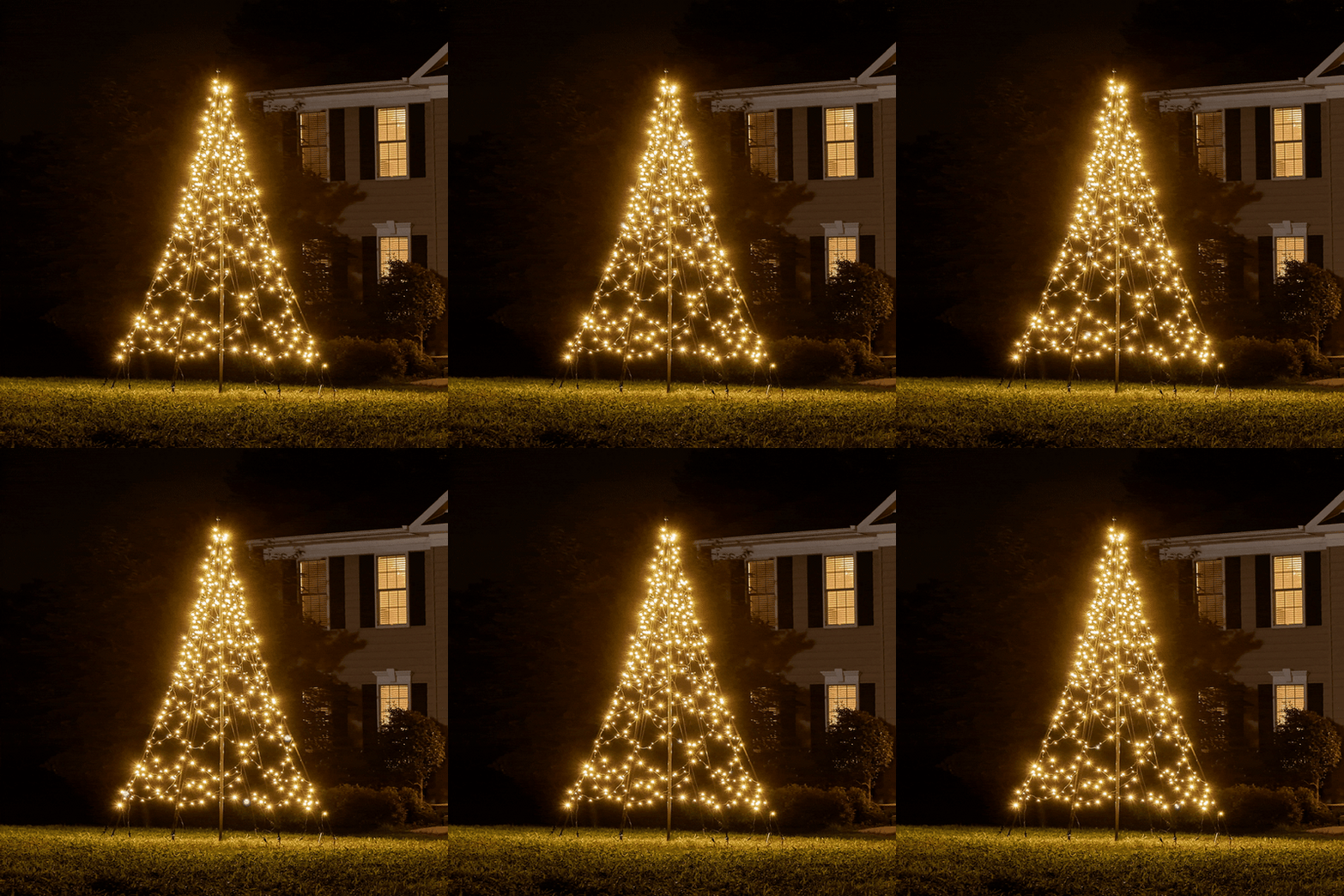
The frame is the backbone of your string light Christmas tree. You can use a variety of materials such as wire, PVC pipes, or even an old ladder. The key is to ensure it’s sturdy enough to hold the lights in place.
Start by deciding the height and width of your tree. A taller frame adds grandeur, while a wider one offers more space for creativity. Use a tape measure to ensure symmetry, as uneven frames can affect the final look.
Secure your frame using zip ties or duct tape. If you’re using a ladder, you’re halfway there—just extend it to the desired height and secure it to prevent wobbling. A stable foundation is crucial for a successful setup.
Wrapping The Lights
Now comes the exciting part—wrapping the lights! Begin at the base of your frame and work your way up. Choose lights that match your theme, be it warm white for a classic look or multicolored for a festive flair.
Wrap the lights tightly around the frame to ensure they stay in place. Use zip ties or clips to secure any loose ends. This will prevent sagging and maintain a tidy appearance.
Experiment with light placement. Spiral them, zigzag them, or layer them—each method gives a different visual effect. Step back occasionally to assess the overall look and make adjustments as needed.
Remember to leave enough cord length to reach the power source without strain. A well-lit tree is the heart of your holiday decor, so ensure every bulb shines brightly.
Creating your own string light Christmas tree can be a fulfilling project. What unique twist will you add to yours this year?
Securing And Adjusting
Securing and adjusting your string light Christmas tree ensures it looks neat and stays safe. Proper fastening prevents lights from sagging or falling. Adjusting the lights helps create a balanced, glowing tree shape. Take time to secure each strand firmly. Check every angle to keep the lights even and bright.
Fixing Loose Ends
Loose ends can make your tree look messy and unsafe. Use small hooks or clear tape to hold wires in place. Wrap extra wire neatly around the base or branches. Avoid tight knots that may damage the lights. Keep plugs and sockets off the ground to prevent water contact. Regularly check for any slack and tighten as needed.
Optimizing Light Placement
Place lights evenly for the best glow. Start from the bottom and work upward in a spiral. Space lights with care to avoid dark spots. Use clips or twist ties to keep lights steady. Turn on the lights and adjust any dim or crowded areas. This step brings your tree to life with a warm, festive shine.
Adding Decorative Touches
Adding decorative touches is what transforms your string light Christmas tree from simple to spectacular. It’s the chance to express your style and make the tree truly yours. Small additions can create big impact, making your tree a standout centerpiece in your holiday décor.
Ornaments And Garlands
Choose ornaments that complement the warm glow of the string lights. Matte or metallic finishes work well because they catch and reflect light differently, adding depth. Try using a mix of sizes and shapes to keep the look interesting.
Garlands add texture and color. Consider thin bead strands or lightweight tinsel to avoid overshadowing the lights. Wrapping garlands loosely lets the lights peek through, enhancing the sparkle rather than hiding it.
Have you ever noticed how a single ornament can set the tone for your whole tree? Pick a few special pieces that tell a story or evoke a memory to make decorating more meaningful.
Tree Topper Ideas
Your tree topper is the finishing touch that draws the eye upward. Instead of a traditional star, try a large bow made from festive ribbon for a softer look. Or, use a cluster of fairy lights shaped into a star or snowflake for a modern twist.
DIY toppers can be fun and personal. I once crafted a topper from pine cones and small ornaments glued onto a foam cone, then wrapped in string lights. It was unique and perfectly matched my tree’s rustic theme.
Think about the balance between size and brightness. A topper that’s too big can overwhelm the delicate lights, while one that’s too small may get lost. What kind of statement do you want your tree topper to make?
Safety Tips
Creating a string light Christmas tree is a fun and creative project, but safety should always be your top priority. Ignoring basic safety tips can lead to electrical hazards or accidents that spoil the holiday spirit. Let’s look closely at key safety measures you need to keep in mind to protect your home and loved ones.
Electrical Precautions
Always check your string lights for any damaged wires, broken bulbs, or loose connections before plugging them in. Using lights with frayed cords can cause short circuits or even fires. If you notice any damage, replace the string lights immediately.
Use lights that are rated for indoor use if you’re setting up inside. Outdoor lights might be tougher, but indoor-rated lights are designed to work safely in dry conditions and lower voltages.
Plug your lights into a surge protector to avoid electrical overloads. Overloading a single outlet can cause sparks or trip your circuit breaker. Have you ever experienced a sudden blackout after plugging in too many devices? That’s a clear sign you need to spread out your electrical load.
Placement And Stability
Place your string light tree on a flat, stable surface to prevent it from tipping over. A wobbly base can cause the entire setup to fall, potentially breaking bulbs or causing injury. I learned this the hard way when my tree fell during a family gathering—luckily, no one was hurt, but it was a mess to clean up.
Keep your tree away from heat sources like heaters, fireplaces, or direct sunlight. Excess heat can damage the wires and increase the risk of fire. Additionally, avoid placing it near flammable materials such as curtains or paper decorations.
Think about the traffic flow in the room and avoid placing the tree where people might bump into it or trip over cords. Secure cords with tape or cable organizers to keep walkways clear. What small adjustments can you make to your space to keep everyone safe and your decorations intact?
Credit: serwalloutdoor.com
Frequently Asked Questions
How Do I Start Making A String Light Christmas Tree?
Begin by selecting a sturdy frame like a wire cone. Wrap string lights evenly around the frame. Secure lights with clips or ties for stability.
What Materials Are Needed For A String Light Christmas Tree?
You need string lights, a wire frame or cone, clips or zip ties, and a power source. Optional decorations enhance the look.
Can I Use Led Lights For The Christmas Tree?
Yes, LED lights are energy-efficient and safe. They emit less heat and last longer, perfect for indoor or outdoor trees.
How Do I Secure The String Lights On The Frame?
Use zip ties, twist ties, or clips to fasten lights. Ensure they are tight but avoid damaging the wires.
Conclusion
Creating a string light Christmas tree adds charm to your holiday decor. It is simple and fun to make. You can customize the size and shape to fit your space. Use safe materials and follow steps carefully. This project brightens any room with warm, cozy light.
Enjoy the festive atmosphere you create yourself. Try it this season and see the magic glow.



