
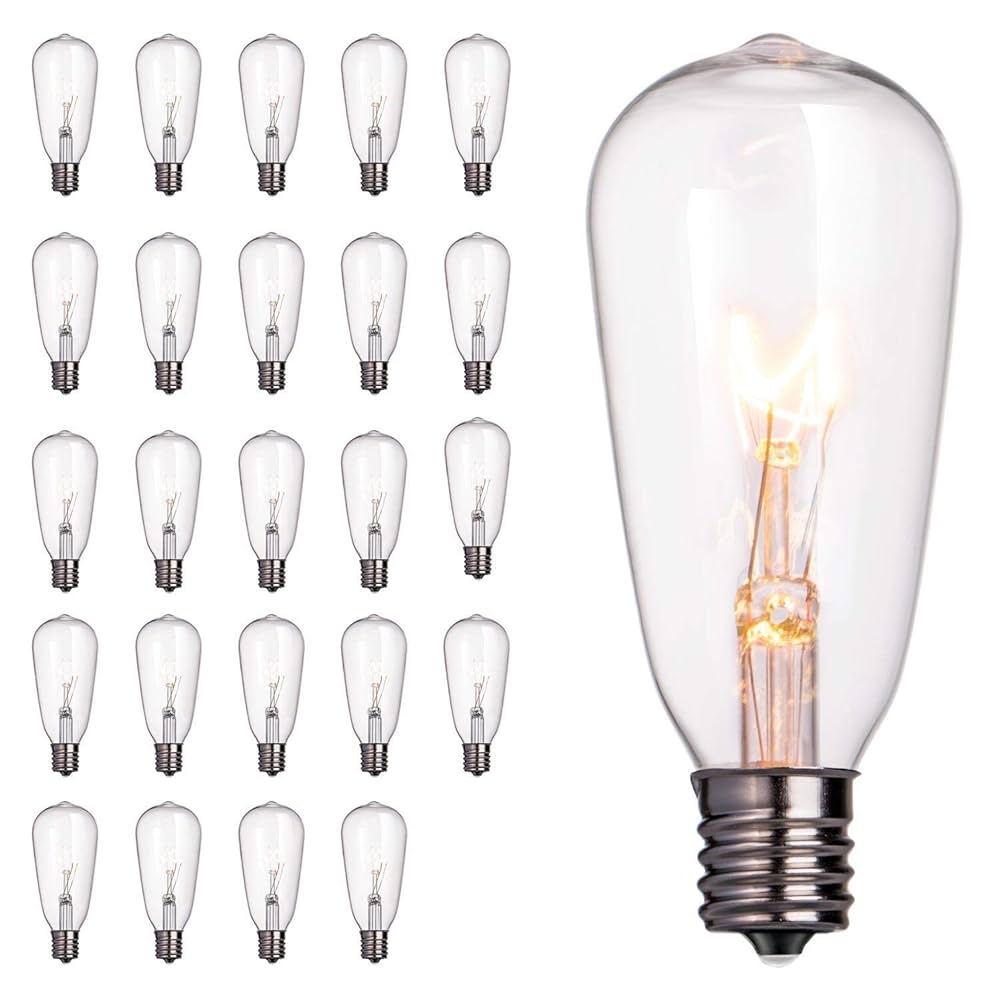
Your outdoor string lights add magic to your evenings, creating the perfect atmosphere for relaxing or entertaining. But what happens when a bulb goes out?
It can dim the entire look and leave you feeling frustrated. Don’t worry—replacing those bulbs is easier than you think. In this guide, you’ll learn simple, step-by-step tips to get your lights shining bright again quickly and safely. Keep reading, and you’ll have your outdoor space glowing like new in no time!

Credit: www.amazon.com
Tools And Materials Needed
Before you start replacing bulbs in your outdoor string lights, gather all the necessary tools and materials. Having everything ready makes the process smoother and safer. It also saves you from multiple trips outside or to the store, especially on a chilly evening.
Types Of Replacement Bulbs
Not all bulbs are the same. Check the size, shape, and voltage of your current bulbs before buying replacements.
- Incandescent bulbsare common and give a warm glow but use more energy.
- LED bulbslast longer and consume less power, but they must match your string’s voltage.
- Miniature bulbsare often used in holiday or decorative strings and come in various colors.
Make sure to pick bulbs that fit snugly in the sockets to avoid flickering or damage. Have you checked the packaging of your lights for bulb specifications?
Safety Equipment
Safety is crucial when working with electrical items outdoors. Always use insulated gloves to protect your hands from shocks or cuts while handling bulbs.
- Insulated gloves help prevent electric shocks.
- Safety glasses protect your eyes from broken glass if a bulb shatters.
- A sturdy step ladder ensures you can reach higher strands safely.
Think about your last time changing bulbs—did you feel fully safe? Using the right safety gear can make a big difference in your confidence and protection.
Additional Supplies
Besides bulbs and safety gear, some extra supplies can make your job easier.
- A soft cloth or rag to clean sockets before inserting new bulbs.
- A voltage tester to ensure the string lights are off before you start working.
- A small screwdriver might be needed for certain light sets that have protective covers.
Keep these items handy to avoid interruptions. Have you ever struggled with dirty sockets or unsure if the power is off? These extras help you avoid common pitfalls.
Preparing Your String Lights
Preparing your outdoor string lights before replacing bulbs ensures safety and efficiency. Proper preparation helps avoid electric shock and prevents damage to your lights. Taking time to check the string carefully makes the replacement process smoother and quicker.
Unplugging The Lights
Always unplug the string lights from the power source. This stops electricity flow and keeps you safe. Never work on the lights while they are plugged in. Unplugging also prevents short circuits and accidental burns.
Inspecting For Damage
Look closely at the entire string for any visible damage. Check wires for cracks, cuts, or fraying. Examine bulbs for cracks or discoloration. Replace or repair damaged parts before changing bulbs. Damaged wires can cause electric shocks or fires.
Locating The Burned-out Bulbs
Turn on the lights briefly before unplugging to spot burned-out bulbs. Look for bulbs that are dark or broken. Note their position on the string for easy replacement. Burned-out bulbs often cause other bulbs to flicker or go out.
Removing Old Bulbs
Turn off the lights before touching the bulbs to stay safe. Gently twist and pull out the old bulb from its socket. Handle bulbs carefully to avoid breaking them during removal.
Replacing bulbs in outdoor string lights can refresh your space. It’s a simple task that requires some care. Removing old bulbs is the first step. With the right approach, it’s easy and safe.Handling Bulbs Safely
Always ensure the lights are unplugged first. Safety is key. Use a ladder if the lights are high. Have someone hold the ladder for stability. Grip the bulb gently. Avoid using too much force. If the bulb is hot, wait for it to cool. This prevents burns and makes removal easier. Use gloves to protect your hands.Techniques For Stubborn Bulbs
Some bulbs may resist removal. Don’t worry. Try using a rubber glove for extra grip. This can help with slippery bulbs. Gently twist the bulb counterclockwise. If it still won’t budge, use pliers. Wrap the bulb in a cloth first. This prevents breaking. Apply steady pressure. Avoid jerking motions. This can damage the socket. If the bulb breaks, use a potato. Push it onto the broken base. Turn it counterclockwise. This should remove the remnants. Clean the socket before inserting a new bulb.
Credit: www.amazon.com
Installing New Bulbs
Installing new bulbs in your outdoor string lights is a task that requires attention to detail. The right bulbs not only brighten your space but also ensure safety and longevity. Let’s dive into how to choose and install bulbs correctly to keep your lights shining beautifully.
Matching Bulb Types And Sizes
Start by checking the existing bulbs on your string lights. Matching the exact type and size is crucial to avoid electrical issues and ensure a perfect fit.
- Look for markings on the base or bulb itself indicating wattage and size.
- Common types include C7 and C9 bulbs, which differ in size and shape.
- Using the wrong bulb size can cause poor contact or damage the socket.
I once tried fitting a smaller bulb into a larger socket, thinking it would work. It didn’t light up and even made the bulb feel loose. That experience taught me to always carry a spare bulb that matches exactly before starting replacements.
Proper Insertion Methods
How you insert the bulb matters as much as choosing the right one. A secure fit prevents flickering and potential short circuits.
- Align the bulb’s base with the socket carefully.
- Gently push and twist the bulb until it fits snugly.
- Avoid forcing the bulb as it can break the glass or damage the socket.
Have you ever struggled with bulbs that just won’t sit right? Sometimes, cleaning the socket contacts with a dry cloth before inserting a new bulb makes a big difference. It removes dirt and helps the bulb connect firmly.
Testing The Lights
Testing your outdoor string lights after replacing bulbs is key to making sure everything works perfectly. It saves you from the frustration of incomplete lighting and helps spot any issues early. Let’s break down how to test your lights effectively.
Plugging In And Checking
First, plug the string lights into a power source. Watch closely to see if all bulbs light up evenly. If some bulbs remain dark, note their positions for a closer look.
Move along the string slowly, checking each bulb’s brightness. Sometimes a bulb may glow dimmer than others, which could mean it’s faulty or needs tightening. Don’t rush—your eyes will catch subtle differences that matter.
Troubleshooting Common Issues
If some bulbs don’t light up, don’t assume they’re all dead. Check for loose bulbs by gently twisting them to ensure a solid connection. A loose bulb often causes a break in the circuit.
Look for damaged wires or corrosion around the sockets. These can stop electricity flow and cause dark spots. If you spot corrosion, clean it carefully with a soft cloth or a small brush.
Consider testing bulbs individually with a bulb tester if you have one. It’s a quick way to find out if a bulb is truly burnt out. If you don’t have a tester, swapping bulbs between working and non-working spots can help isolate the problem.
Have you ever had to replace a bulb only to find the string still doesn’t work? Sometimes, the problem lies beyond the bulbs—like a faulty fuse or a damaged plug. Checking these can save you time and additional replacements.

Credit: food52.com
Maintaining Outdoor String Lights
Maintaining outdoor string lights keeps them bright and safe for use. Regular care helps prevent damage from weather and wear. This ensures long-lasting lighting and fewer bulb replacements. A simple maintenance routine saves time and money over the seasons.
Regular Inspection Tips
Check your string lights before every use. Look for cracked bulbs or loose connections. Inspect wires for frays or exposed areas. Test all bulbs to ensure they light up. Replace any damaged bulbs immediately to avoid short circuits. Keep an eye out for corrosion on sockets. Clean sockets gently if dirt or rust appears.
Storage And Care Advice
Turn off and unplug lights before storing. Remove bulbs carefully to avoid breakage. Coil the string lights loosely to prevent wire damage. Store in a dry, cool place away from moisture. Use a container or box to keep dust off. Avoid folding or crushing the strings during storage. Check lights again before the next use to confirm condition.
Frequently Asked Questions
How Do I Safely Replace Bulbs In Outdoor String Lights?
Always unplug the lights before replacing bulbs. Use gloves to protect your hands. Replace bulbs with the exact size and voltage to avoid damage.
What Type Of Bulbs Fit Outdoor String Lights?
Outdoor string lights typically use G40 or G50 bulbs. Check your light strand’s specifications for exact bulb type and voltage requirements.
How Can I Tell If A Bulb Is Burnt Out?
A burnt-out bulb usually appears dark or broken. If the light section is dim or not lighting, test the bulb by replacing it.
Can I Replace Bulbs With Led Versions In String Lights?
Yes, but ensure LED bulbs match the voltage and base type. LEDs are energy-efficient and last longer than traditional bulbs.
Conclusion
Replacing bulbs in outdoor string lights keeps your space bright and inviting. It saves money by fixing lights instead of buying new ones. Always turn off power before starting for safety. Use the right bulb type to avoid damage. Check each bulb carefully to find the broken ones.
With simple steps, you can enjoy your lights longer. Bright evenings and cozy nights are just a few bulbs away. Keep your outdoor area glowing with easy bulb replacement.



