
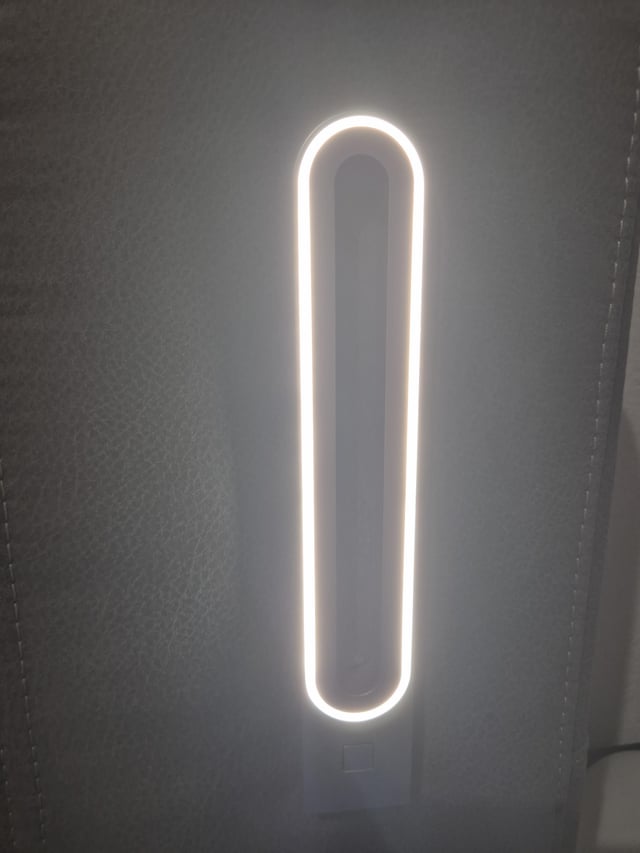
Is your desk lamp shining too brightly, making it hard to focus or relax? You’re not alone.
Too much light can strain your eyes and ruin the cozy atmosphere you want while working or reading. But don’t worry—there are simple ways to make your desk lamp less bright without buying a new one. Keep reading to discover easy tricks that will help you create the perfect lighting for your space and protect your eyes at the same time.
/product/15/2741031/1.jpg?0925)
Credit: www.jumia.com.eg
Choose The Right Bulb
Choosing the right bulb is key to making your desk lamp less bright. The bulb type affects the light’s intensity and color. Picking the perfect bulb helps create a comfortable workspace without harsh glare. Consider wattage, color temperature, and dimmability to adjust brightness easily.
Opt For Lower Wattage
Lower wattage bulbs use less power and give off softer light. They reduce brightness without changing your lamp. Choose bulbs with 40 watts or less for gentle illumination. This option saves energy and prevents eye strain from strong light.
Use Soft White Or Warm Bulbs
Soft white and warm bulbs produce a cozy, yellowish glow. These colors are easier on the eyes than cool white or daylight bulbs. Use bulbs labeled 2700K to 3000K for a warm feel. This tone helps reduce harshness at your desk.
Try Led Dimmable Bulbs
LED dimmable bulbs let you adjust brightness to your liking. They work with most dimmer switches for smooth control. These bulbs use less energy and last longer than traditional ones. Choose dimmable LEDs for flexible lighting that suits any task.
Use Lamp Shades And Covers
Using lamp shades and covers is an effective way to soften the harsh brightness of your desk lamp. They help spread the light more evenly and reduce glare, making your workspace more comfortable. Plus, you can customize your lamp’s look while controlling the light intensity.
Select Diffusing Lamp Shades
Choose lamp shades made from materials that diffuse light well, such as frosted glass or fabric. These shades scatter light gently, preventing it from shining directly into your eyes. If your current shade is clear or transparent, swapping it for a diffusing one can make a big difference in brightness.
Think about the shape and size too. A larger shade can soften light more effectively by giving the bulb more space to spread its glow. Have you noticed how a paper lantern creates a cozy vibe? That’s the effect diffusing shades aim for.
Apply Frosted Or Translucent Covers
Frosted or translucent covers stick directly onto the bulb or lamp surface to tone down brightness. These covers reduce harsh light without changing your lamp’s style or structure. You can find adhesive films or silicone sleeves designed specifically for this purpose.
These covers are practical if you want a quick fix without replacing your entire lamp shade. They’re especially handy for LED bulbs, which often emit a brighter, cooler light. Could a simple cover be the easy upgrade your desk lamp needs?
Diy Fabric Covers
Creating your own fabric cover is a fun way to personalize your desk lamp and control light intensity. Use lightweight materials like cotton or linen that allow some light through but soften the glare. You can wrap the fabric around the shade frame or create a detachable slipcover.
Experiment with colors and patterns that complement your workspace. Darker fabrics block more light, while lighter ones create a warm glow. Have you ever tried crafting something that not only looks good but makes your work easier?
Adjust Lamp Position
Moving the lamp farther from your workspace softens the light and reduces glare. Tilting or angling the lamp away can also lower brightness without changing bulbs. Adjusting its position helps create a comfortable, less harsh lighting environment.
Adjusting the position of your desk lamp can significantly reduce its brightness, creating a more comfortable working environment. Sometimes, it’s not about changing the bulb but rather how you place and angle the lamp. This small tweak can make a big difference, saving you from headaches and eye strain.Angle The Light Away
Consider directing the lamp’s light away from your direct line of sight. By angling the light towards a wall or the ceiling, you can diffuse the brightness. This technique softens the intensity and creates a more ambient glow. Have you ever noticed how light reflects differently on surfaces? Use this to your advantage by experimenting with angles. Find a position where the light bounces off surfaces rather than hitting your eyes directly. This method is especially useful if your workspace gets natural light, which can amplify the lamp’s brightness.Increase Distance From Workspace
Moving the lamp further away from your desk can also reduce its brightness. A simple shift in distance can transform the light from glaring to gentle. Try placing the lamp at the edge of your desk or on a nearby shelf. This not only decreases the intensity but also opens up your workspace. How far is too far? Test different distances and see what feels best. Sometimes, even a few inches can make a noticeable difference in comfort.
Credit: www.reddit.com
Add Light Filters
Adding light filters to your desk lamp is a simple way to reduce brightness without changing the bulb or lamp itself. These filters can soften harsh light and create a more comfortable environment for work or relaxation. Let’s look at two effective options that you can try right away.
Use Colored Gels
Colored gels are thin sheets of translucent material that you can place over your lamp’s bulb or shade. They come in various colors and tints, allowing you to customize the light’s warmth and intensity.
Applying a gel can reduce glare and make the light less harsh on your eyes. For example, a soft amber gel warms the light, making it easier to focus during long reading sessions. You can find colored gels online or at craft stores, and they’re easy to cut to size and attach with tape or clips.
Try Light Dimmer Films
Light dimmer films work like a filter but offer adjustable brightness control. These thin films stick onto your lamp’s surface and let you reduce the light output gradually.
They are especially handy if you want more flexibility without replacing bulbs or installing a dimmer switch. Dimmer films also help prevent harsh shadows and reduce eye strain by smoothing out the light. Have you ever noticed how a slight change in brightness can make your workspace feel entirely different? This simple addition might be the change you need.
Install A Dimmer Switch
Installing a dimmer switch is one of the most effective ways to control the brightness of your desk lamp. It allows you to adjust the light intensity based on your needs, creating a comfortable workspace without harsh glare. Plus, dimmer switches can help save energy and extend the life of your bulb.
Choose Compatible Lamps
Not all lamps work well with dimmer switches. You need to check if your desk lamp’s bulb is dimmable.
- LED bulbs often require specific dimmers designed for LED compatibility.
- Incandescent and halogen bulbs generally work with most dimmer switches.
- Fluorescent bulbs usually don’t dim well without special ballasts.
If you try to use a dimmer with an incompatible lamp, you might see flickering or buzzing sounds. Have you noticed any odd behavior from your lamp when adjusting brightness? That’s a clear sign to check compatibility before buying a dimmer switch.
Easy Dimmer Installation Tips
Installing a dimmer switch can be a simple DIY project, but safety comes first. Always turn off the power at the circuit breaker before starting any electrical work.
- Remove the existing switch plate and unscrew the current switch.
- Note how the wires are connected and take a photo if needed.
- Connect the dimmer switch wires to the corresponding wires in your wall box.
- Secure the dimmer switch and replace the switch plate.
- Turn the power back on and test the dimmer’s functionality.
If you’re unsure about any step, a quick call to a professional electrician can save time and trouble. Have you ever installed a dimmer switch before? You might find it easier than you think.
Create Ambient Lighting
Creating ambient lighting is a smart way to soften the harsh brightness of your desk lamp. Instead of relying on a single light source, ambient lighting spreads gentle light throughout your space. This approach not only reduces eye strain but also makes your workspace feel inviting and comfortable.
Combine With Other Light Sources
Adding multiple light sources balances the intensity of your desk lamp. You might use a floor lamp or wall sconces to fill the room with soft light, which helps your desk lamp feel less overpowering. Have you tried using a small LED strip behind your monitor? It adds a subtle glow that eases the contrast between your bright lamp and the darker surroundings.
Mixing lights with different temperatures can also change the mood. For example, pairing a cool desk lamp with warm ambient lights creates a cozy yet functional environment. This layering trick works wonders if you spend long hours working or reading.
Use Reflective Surfaces
Reflective surfaces can redirect and soften your desk lamp’s light. Placing a white or light-colored wall near your lamp can bounce light around, reducing glare. A mirror positioned thoughtfully can spread light in unexpected areas, making your workspace feel brighter without cranking up the lamp’s brightness.
Think about your desk setup. Could a glossy desktop or metallic decor pieces help diffuse light? Experiment with different surfaces to see how they change the lamp’s effect. This simple tweak can transform harsh light into a gentle, ambient glow that’s easier on your eyes.

Credit: www.amazon.com
Frequently Asked Questions
How Can I Dim A Desk Lamp Easily?
You can dim a desk lamp using a dimmer switch or a smart bulb. These options reduce brightness smoothly and save energy. Some lamps have built-in dimmers for quick adjustment.
What Bulbs Make Desk Lamps Less Bright?
LED bulbs with lower lumens or wattage make desk lamps less bright. Warm white bulbs also create softer light, reducing glare and eye strain.
Can I Use A Lampshade To Soften Desk Lamp Light?
Yes, a lampshade diffuses harsh light and softens brightness. Choose a light-colored, translucent shade for even light distribution without dimming too much.
Does Changing Lamp Placement Affect Brightness?
Yes, placing your desk lamp farther from your workspace reduces direct brightness. Angling the light away from your eyes also helps prevent glare and discomfort.
Conclusion
Making your desk lamp less bright helps reduce eye strain. You can try changing the bulb or adding a shade. Dimming the light creates a softer, calmer workspace. Simple steps like these improve focus and comfort. Adjust the brightness to fit your needs anytime.
Small changes make a big difference in your room’s mood. Keep experimenting until the light feels just right. A well-lit space helps you work better every day.



