
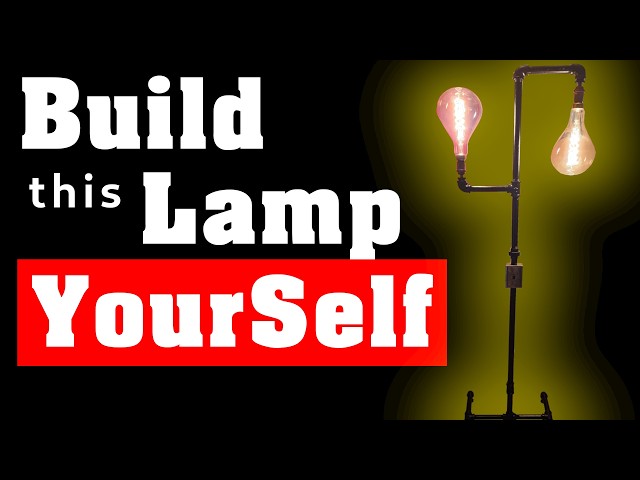
Are you looking for a unique way to brighten up your workspace? Making an industrial pipe desk lamp can add a bold, stylish touch to your room while giving you a satisfying hands-on project.
Imagine having a lamp that not only lights up your desk but also becomes a conversation starter. In this guide, you’ll discover simple steps to build your own industrial pipe lamp using easy-to-find materials. Whether you’re a DIY newbie or a seasoned maker, this project is designed to be fun and rewarding.
Keep reading, and you’ll soon have a one-of-a-kind lamp that’s all yours.

Credit: www.youtube.com
Materials Needed
Gathering the right materials is the first step in building an industrial pipe desk lamp. The materials include pipe parts, electrical components, and essential tools. Each part plays a key role in the lamp’s look and function. Preparing everything before starting saves time and effort. Below is a detailed list of the materials needed.
Pipe Components
- Black steel pipes (1/2 inch diameter works well)
- Pipe elbows and tees for joints
- Flanges to secure the base
- Pipe caps to finish ends
- Pipe nipples for length adjustments
Electrical Parts
- Light socket (E26 or E27 base)
- Electrical cord with plug
- Switch (inline or base mounted)
- Light bulb (LED preferred for efficiency)
- Wire connectors and electrical tape
Tools Required
- Pipe wrench or adjustable wrench
- Wire strippers and cutters
- Screwdriver set (flat and Phillips)
- Drill with bits for mounting
- Measuring tape and marker
Design Planning
Design planning sets the foundation for building your industrial pipe desk lamp. It helps you visualize the final product and avoids mistakes during assembly. Taking time to plan ensures your lamp will be both functional and stylish.
Choosing The Lamp Style
Think about the look you want for your lamp. Do you prefer a minimalist design with clean lines or a more complex shape with multiple joints? Your choice affects how many pipes and fittings you’ll need.
Consider the lamp’s purpose. Will it be a bright task light or a soft ambient glow? This decision influences the type of bulb and shade you select. Sketch your idea on paper or use a simple drawing app to see how different styles come together.
Ask yourself: How will this lamp fit into your room’s décor? Matching metal finishes and pipe sizes to existing furniture can create a cohesive look. Don’t forget to plan where the switch and cord will be placed for easy access.
Measuring And Cutting Pipes
Accurate measurements are crucial for a stable and balanced lamp. Start by measuring the space where you want to place your lamp. Then, decide how tall and wide the lamp should be to fit that space comfortably.
Use a tape measure and mark each pipe section clearly before cutting. Double-check measurements to avoid wasting materials. If you’re new to cutting pipes, practice on scrap pieces first to get a clean edge.
Remember that pipe threading can add a little length, so allow extra space when planning your cuts. Using a pipe cutter or a hacksaw with a guide will help you achieve precise cuts. How will you ensure your cuts are straight and smooth for easy assembly?
Assembling The Base
Begin by connecting the pipe fittings to create a sturdy base. Tighten each joint securely to ensure stability. This foundation supports the entire lamp structure safely.
Assembling the base of your industrial pipe desk lamp is a crucial step that sets the foundation for the entire piece. This is where creativity meets functionality. A well-crafted base not only supports your lamp but also adds an aesthetic charm that stands out. Let’s dive into the details of creating a robust and stylish base for your lamp.Connecting Pipe Sections
Begin by gathering all your pipe sections and fittings. A typical setup might include a mix of elbows, tees, and straight pipes. Assemble these pieces on a flat surface to get a sense of the overall shape. Connect each pipe section by twisting them into the fittings. Make sure they are snug but not overtightened. You want a firm connection that doesn’t strip the threads. Consider adding a flange at the bottom for added support. This will serve as the anchor point for your base. It’s essential for maintaining balance and ensuring that your lamp stands upright.Securing Stability
Stability is key to preventing any wobble or tipping. To secure the base, you can use adhesive pads or rubber feet at the bottom. These will protect your desk surface while keeping the lamp steady. If you’re using a flange, screw it securely into a wooden or metal base. This adds weight and stability. Choose a base material that complements the industrial look, like reclaimed wood or a metal plate. Double-check all connections. Give the base a gentle shake to test its sturdiness. If any part feels loose, tighten it further to ensure everything stays in place. Remember, every piece you connect contributes to the lamp’s overall stability and appearance. How will you make your base both functional and a statement piece?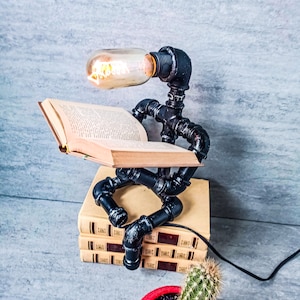
Credit: www.etsy.com
Wiring The Lamp
Wiring the lamp is a crucial stage in building your industrial pipe desk lamp. This part ensures your lamp not only lights up but does so safely and reliably. Taking time to wire everything correctly can save you from future headaches and keeps your workspace hazard-free.
Installing The Socket
Start by choosing a socket that fits your bulb and pipe setup. Most industrial lamps use a standard E26 or E27 socket, which is easy to find and install.
Secure the socket firmly to the pipe or base. If you’re using a threaded pipe end, the socket should screw on tightly without wobbling.
Make sure the socket’s mounting bracket or clamp is snug. Loose fittings can cause electrical shorts or make the lamp unstable.
Connecting The Wiring Safely
Use a quality lamp cord that matches the socket and your electrical outlet. Two-wire cords with a polarized plug are a good choice for safety.
Strip the insulation off the wire ends carefully without cutting the copper strands. This gives a clean connection point.
- Attach the black (hot) wire to the brass terminal on the socket.
- Attach the white (neutral) wire to the silver terminal.
- If your cord has a green or bare copper wire, connect it to the metal pipe frame or grounding screw.
Double-check all connections are tight and secure. Loose wires can spark or cause the lamp to fail.
Have you ever wondered why some DIY lamps stop working after a few weeks? Often, the culprit is a poor wiring connection. Taking extra care during this step will keep your lamp shining bright longer.
Finishing Touches
The finishing touches bring your industrial pipe desk lamp to life. This stage ensures the lamp works perfectly and looks great. Small details make a big difference in the final product.
Adding Light Bulb
Choose a bulb that fits the lamp socket and style. Edison bulbs add vintage charm. LED bulbs offer energy efficiency. Screw the bulb gently into the socket until secure. Avoid overtightening to prevent damage.
Testing The Lamp
Plug the lamp into a power source. Turn the switch on and off to check function. Make sure the bulb lights up without flickering. Inspect all connections for safety and stability. If the lamp doesn’t work, recheck wiring and bulb placement.
Customizing The Look
Paint the pipes with heat-resistant spray paint. Choose colors like black, copper, or matte gray. Add decorative elements such as vintage switches or wire cages. Use fabric cords for a softer, classic touch. Personal touches create a unique lamp fitting your space.
Safety Tips
Safety should always be your top priority when building an industrial pipe desk lamp. Electrical parts and metal pipes can pose risks if not handled carefully. Taking the right precautions ensures your project is both fun and safe, letting you enjoy your custom lamp without worry.
Handling Electrical Components
Always unplug the lamp or ensure the power is off before working on any electrical parts. Use a voltage tester to double-check that wires aren’t live. This simple step can prevent shocks that might cause injury.
Wear insulated gloves when stripping wires or connecting sockets. This adds an extra layer of protection. Also, never rush wiring tasks—take your time to connect wires firmly and correctly to avoid shorts.
Consider using wire nuts or electrical tape to secure wire connections. Loose wires can spark or cause the lamp to malfunction. Have a clear workspace and good lighting to see what you’re doing clearly.
Maintaining The Lamp
Regularly inspect your lamp for loose fittings or exposed wires. Tighten any screws or pipe joints that have loosened over time. Loose parts can lead to instability or electrical hazards.
Clean the lamp gently with a dry cloth to avoid moisture getting into electrical components. Avoid using water or harsh chemicals near wiring. Keeping dust and grime off also helps the lamp last longer and work better.
If you notice flickering or unusual sounds, unplug the lamp immediately and check the wiring. Sometimes a quick fix like tightening a connection solves the problem, but don’t ignore signs that something might be wrong.

Credit: www.ebay.com
Frequently Asked Questions
What Materials Are Needed For An Industrial Pipe Desk Lamp?
You need metal pipes, pipe fittings, a lamp socket, electrical wire, a bulb, and a lamp switch. Also, basic tools like a drill and screwdriver are essential.
How Do You Assemble The Industrial Pipe Desk Lamp?
First, connect the pipes and fittings to form the lamp base and arm. Attach the lamp socket, wire it properly, and secure the bulb. Test electrical connections before finalizing.
Can I Customize The Lamp Height And Design?
Yes, pipe lengths and fittings are adjustable. Customize height, angles, and base design to fit your style and workspace needs.
Is Wiring The Lamp Safe For Beginners?
Basic wiring is safe if you follow instructions carefully. Use insulated wires and a proper lamp socket. If unsure, consult a professional electrician.
Conclusion
Creating an industrial pipe desk lamp is a fun and useful project. You need simple tools and materials to start. Follow each step carefully to build a strong lamp. This lamp adds a cool look to any room or office.
It also saves money compared to buying one. Try making your own lamp to enjoy a hands-on experience. It shows your creativity and skill. Keep practicing to improve your DIY projects over time. Enjoy the process and the final result.



