
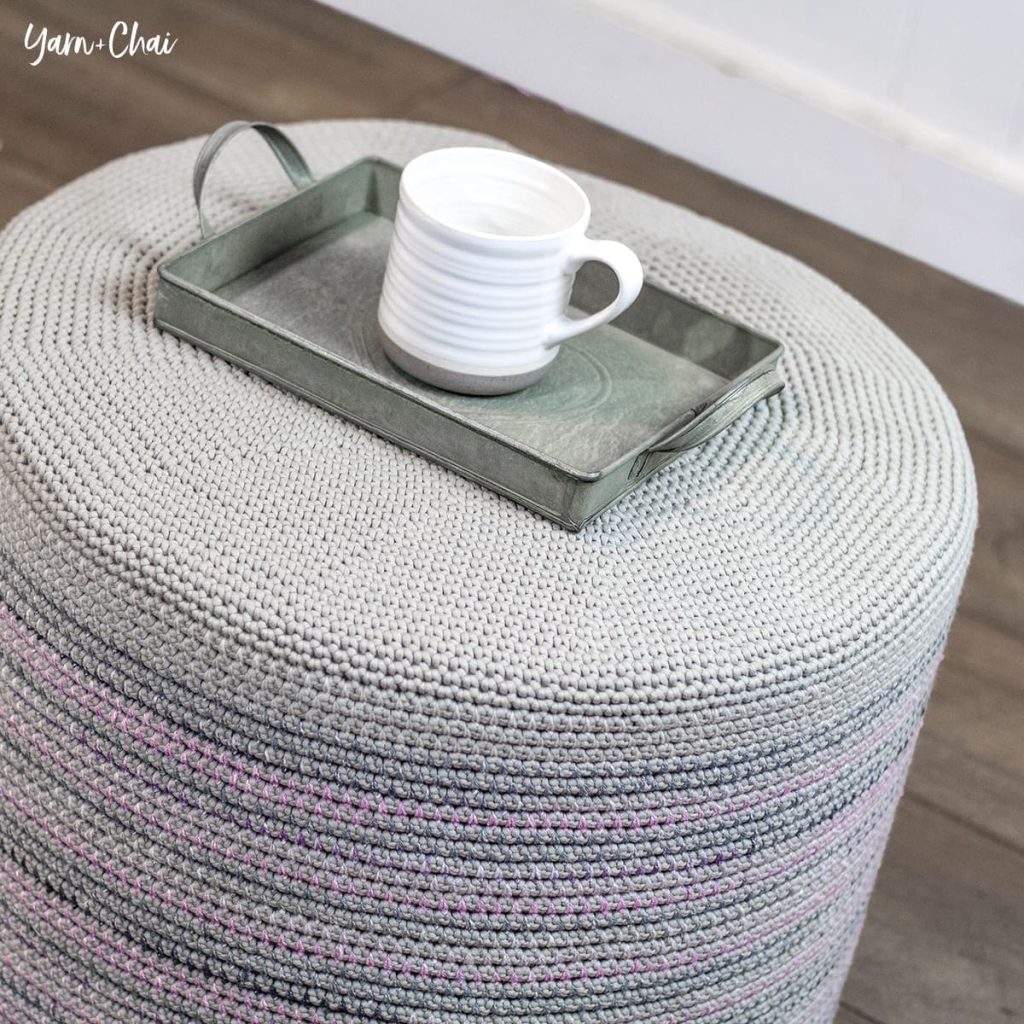
Have you ever wanted a stylish pouf ottoman that fits perfectly in your space but can’t find one that matches your style or budget? What if you could create your own, tailored exactly to your taste and needs?
Making your own pouf ottoman isn’t as hard as it sounds. With a few simple materials and easy steps, you can craft a cozy, trendy piece that adds comfort and charm to your home. Keep reading, and you’ll discover how to bring your vision to life—saving money and gaining a unique, handmade item you’ll be proud of.
Materials Needed
Gathering the right materials is key to making your own pouf ottoman. The choices you make here affect comfort, style, and durability. Focus on fabric, filling, and tools to create a pouf that fits your space perfectly.
Fabric Choices
Pick a fabric that matches your room and feels nice to touch. Cotton and linen work well for a soft, casual look. Leather or faux leather add a sleek, modern vibe. Durable fabrics like canvas or denim hold up to daily use. Choose colors or patterns that blend or pop, depending on your style.
Filling Options
The filling gives your pouf its shape and comfort. Polyfill stuffing is light and fluffy, easy to shape. Foam pieces create a firmer, more supportive seat. Old clothes or fabric scraps make an eco-friendly, budget option. You can also use a mix to get the right balance of soft and firm.
Tools Required
- Measuring tape for accurate sizing
- Scissors sharp enough to cut fabric cleanly
- Needle and strong thread or a sewing machine
- Pins to hold fabric pieces in place
- Optional: zipper for a removable cover
Choosing The Right Size
Choosing the right size for your pouf ottoman is key to making it a perfect fit. The size affects comfort, style, and how it works in your space. Too big, and it can crowd the room. Too small, and it might not be useful or look right.
Take time to understand your space and what you need. This helps you pick dimensions that match your room and your lifestyle. The goal is a pouf that adds value without causing clutter.
Measuring Your Space
Start by measuring the area where you want the pouf. Use a tape measure to get length, width, and height available. Note any nearby furniture or walkways that need space.
Mark the floor with tape or paper to visualize the pouf’s footprint. This step helps avoid buying or making a pouf that blocks movement or looks too large.
Deciding Pouf Dimensions
Think about what you will use the pouf for. Will it be a footrest, extra seating, or a small table? Each use might need a different size.
- Footrest: Keep it low and wide for comfort.
- Extra seating: Choose a height similar to chairs or sofas.
- Small table: Pick a flat, sturdy top with moderate height.
Standard poufs range from 16 to 20 inches in height and 18 to 24 inches in diameter or width. Adjust these sizes based on your room and use.
Cutting The Fabric
Cut fabric carefully on a flat surface using sharp scissors for clean edges. Measure twice to ensure accurate cuts for your pouf ottoman pieces. Precision helps the fabric fit perfectly and makes sewing easier.
Creating your own pouf ottoman can be a rewarding project, offering a perfect blend of functionality and style. The secret to a professional-looking finish lies in the precision of your fabric cutting. This step sets the foundation for the entire project, ensuring the pieces fit together seamlessly.Preparing Patterns
Before grabbing your scissors, take time to prepare your patterns. Use sturdy paper or cardboard to draft the shape of your pouf. This will serve as a template for cutting your fabric. Ensure the pattern pieces are symmetrical and aligned. It’s helpful to label each piece to avoid confusion later. Remember, accurate patterns lead to a perfect pouf!Tips For Accurate Cutting
Cutting fabric can be tricky, but with a few tips, you can achieve precise results. Always use sharp fabric scissors to prevent frayed edges. Dull scissors can distort the fabric and ruin your hard work. Lay your fabric on a flat surface and pin the pattern pieces securely. This prevents any shifting that might lead to uneven cuts. Double-check measurements before making that first snip—accuracy at this stage saves time and frustration later. Consider the fabric’s grain direction. Cutting along the grain ensures the fabric holds its shape. This attention to detail will elevate the quality of your pouf, making it sturdy and stylish. By carefully preparing and cutting your fabric, you’re one step closer to crafting a beautiful pouf ottoman. What’s your biggest challenge in DIY projects like this?Sewing The Pouf
Sewing the pouf is the stage where your fabric panels come to life. This process shapes the ottoman and gives it strength. Careful stitching ensures your pouf looks neat and holds its form well. Use a strong thread that matches your fabric color. A sewing machine will speed up the work and provide even stitches.
Stitching The Panels
Start by placing two fabric panels right sides together. Pin the edges to keep them aligned. Sew along the pinned edge with a straight stitch, leaving a small seam allowance. Repeat this step for all panels until you form a continuous piece. Press the seams open with an iron for a flat finish. Double-check the seams for any missed spots or loose threads.
Creating The Pouf Shape
After stitching the panels, fold the fabric into the pouf shape. Align the edges carefully, making sure all seams match. Sew the edges together to close the shape, leaving a small opening for stuffing. Reinforce the seams by sewing over them twice. Once stuffed, sew the opening closed by hand with small, tight stitches. Your pouf will now have a smooth, rounded look ready for use.
Adding Filling
Adding filling to your pouf ottoman shapes its comfort and durability. The right filling offers support and softness. It also keeps the pouf looking full and inviting. This step needs care to balance plushness and firmness.
Stuffing Techniques
Choose a filling that suits your style and use. Common options include polyester fiberfill, foam, or old cushions. Polyester fiberfill is soft and easy to shape. Foam provides firm support and holds shape well.
Fill the pouf in small amounts. Push the filling deep into corners and edges. This avoids empty spots and lumps. Use your hands or a stick to spread the filling evenly. Keep checking the shape as you go.
Ensuring Even Comfort
Distribute the filling evenly for consistent comfort. Press down gently on the pouf to spot soft or hard areas. Add more filling where it feels flat. Remove some if certain parts feel too firm.
Fluff the filling regularly during the process. This helps air flow and prevents clumps. Close the pouf loosely before final stitching. Sit on it lightly to test the feel. Adjust the filling until the pouf feels balanced and cozy.
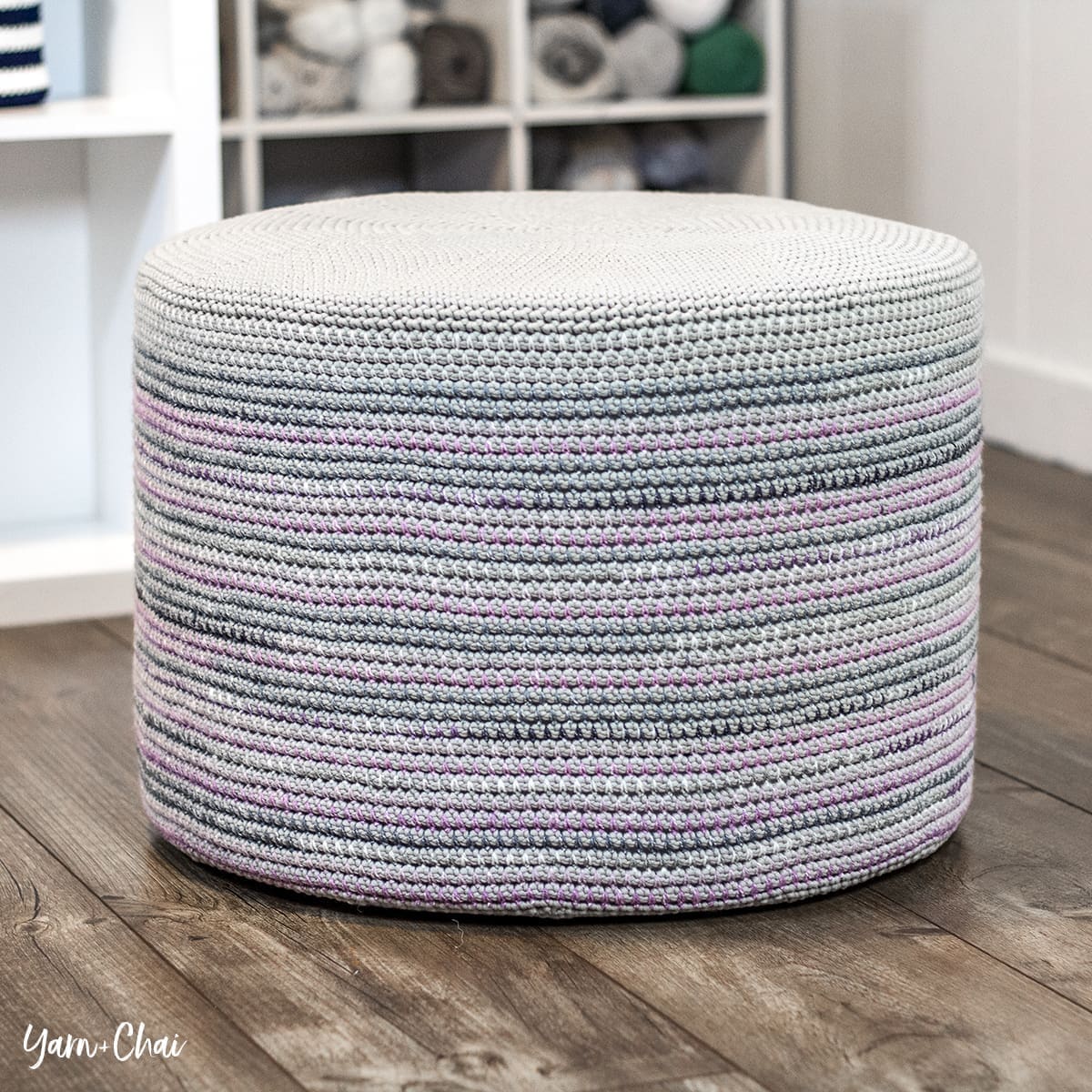
Credit: yarnandchai.com
Finishing Touches
Finishing touches bring your pouf ottoman project to life. They ensure durability and add personality to your creation. This final phase is where your pouf transforms from a simple cushion to a statement piece in your room.
Closing The Pouf
Closing your pouf securely is crucial for maintaining its shape. Use a strong needle and thick thread to stitch the opening by hand for a neat finish. If you prefer, a hidden zipper can be added to make the cover removable and washable.
Make sure to evenly distribute the stuffing before sealing it up. Uneven stuffing can make the pouf lumpy and uncomfortable. Take your time to smooth out the filling, then stitch slowly and tightly to prevent any gaps.
Decorative Elements
Adding decorative touches lets your personality shine through. You could sew on buttons to create a tufted look, which adds texture and visual interest. Try contrasting thread colors or patterned fabric patches to make your pouf stand out.
Consider attaching a braided handle if you want easy portability. It’s both functional and stylish. What small detail would make your pouf uniquely yours?
Caring For Your Pouf
Caring for your pouf is key to keeping it looking fresh and comfy for years. A little attention goes a long way, whether it’s cleaning spills or keeping its shape intact. You’ll find that simple habits help maintain your pouf’s charm and functionality.
Cleaning Tips
Start by vacuuming your pouf regularly to remove dust and dirt. Use a handheld vacuum or the upholstery attachment on your vacuum cleaner to avoid damaging the fabric.
If a spill happens, blot the area immediately with a clean cloth. Avoid rubbing, as this can push the stain deeper into the fibers.
For fabric poufs, test a small hidden spot with mild soap and water before cleaning the whole area. Leather or faux leather poufs respond well to a damp cloth and gentle leather cleaner.
- Use baking soda on fabric poufs to absorb odors—sprinkle it, wait 15 minutes, then vacuum.
- Spot clean with a solution of water and white vinegar for stubborn stains.
- Check the care label for any special instructions.
Maintaining Shape
Your pouf’s shape depends a lot on how you use and store it. Avoid sitting on it with sharp objects in your pockets or using it as a step stool, which can deform the filling.
Fluff and rotate your pouf regularly to keep the filling evenly distributed. This simple habit prevents one side from becoming flat or lumpy.
If the stuffing starts to thin out, consider adding more filling. Polyester fiberfill or foam pieces are easy to add through the zipper or opening.
Have you noticed some poufs lose their bounce faster than others? It often comes down to the quality and type of filling. Choosing a durable filling can save you from frequent reshaping.
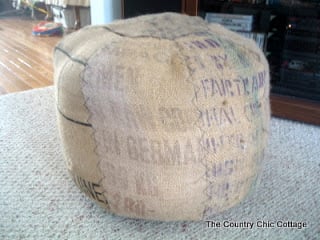
Credit: www.thecountrychiccottage.net
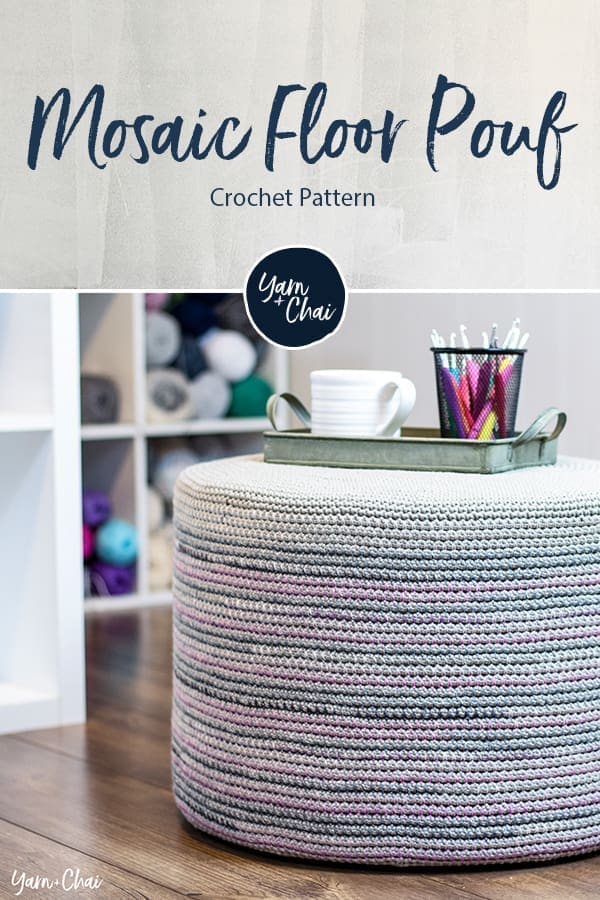
Credit: yarnandchai.com
Frequently Asked Questions
How Do I Start Making A Pouf Ottoman?
Begin by selecting sturdy fabric and filling material like foam or beads. Cut fabric pieces, sew them, and stuff the ottoman evenly for shape.
What Materials Are Best For A Diy Pouf Ottoman?
Choose durable fabrics like cotton or linen. Use foam or polyester stuffing for comfort and shape stability. Strong thread and a sewing machine help.
How Long Does It Take To Make A Pouf Ottoman?
Making a pouf ottoman usually takes 2 to 4 hours. Time varies by skill level and design complexity.
Can I Customize The Size Of My Pouf Ottoman?
Yes, measure your desired height and diameter before cutting fabric. Adjust stuffing amount to maintain firmness and shape.
Conclusion
Making your own pouf ottoman brings joy and style to any room. It saves money and lets you choose colors and fabrics you love. The process is simple and fun, even for beginners. Plus, you get a unique piece that fits your space perfectly.
Try creating one today to add comfort and charm to your home. Small projects like this build confidence and skill over time. Enjoy crafting something that feels truly yours.



