
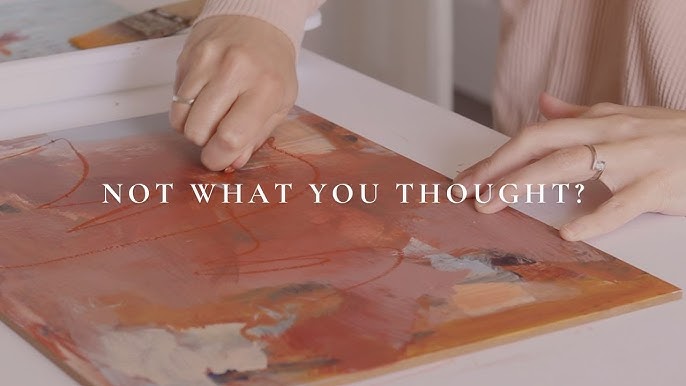
Have you ever wanted to turn your favorite painting into a beautiful canvas print? Imagine seeing your artwork come alive on a sturdy, textured surface that adds depth and style to any room.
Making prints of paintings on canvas isn’t as tricky as you might think. With the right steps, you can create stunning reproductions that look just like the original. In this guide, you’ll discover simple, effective methods to bring your paintings to life on canvas.
Ready to transform your art? Let’s dive in and make your creations stand out!
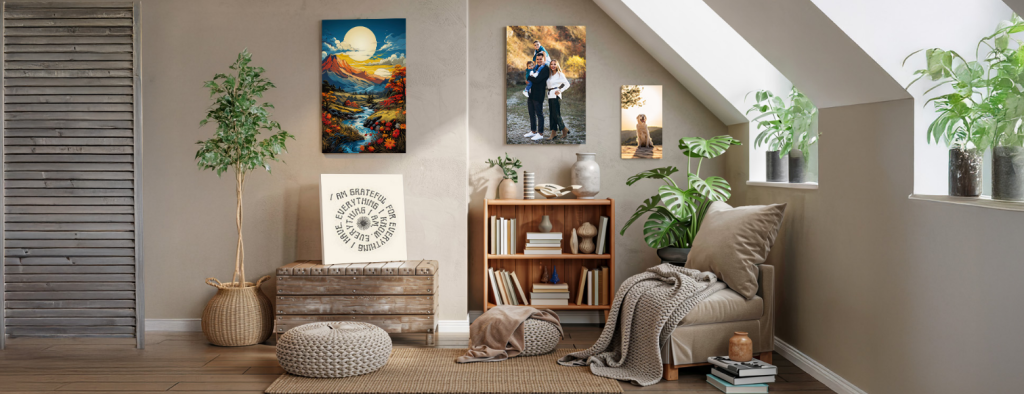
Credit: vivyxprinting.com
Choosing The Right Painting
Choosing the right painting for canvas prints depends on image quality and color vibrancy. Clear, high-resolution images produce the best results. Consider the painting’s style and details to ensure they translate well onto canvas texture.
Choosing the right painting is a crucial first step when you want to make prints of your art on canvas. The artwork you select will determine not only the aesthetic appeal but also the overall success of your prints. It’s about finding a piece that resonates with both you and your potential audience, ensuring it will look just as captivating in print as it does in person.Selecting Original Artwork
When selecting original artwork, consider pieces that have a strong personal connection or a unique story. This adds value and intrigue for anyone viewing the print. Ask yourself, does this painting evoke emotion or capture a moment worth sharing? Ensure the artwork has a clear focus or theme. A busy or overly complex piece might lose its charm in the translation to print. Simplicity can often lead to more striking canvas prints, allowing the details to shine.Considering Image Quality
Image quality is paramount when making prints of paintings. High-resolution images ensure that every brushstroke and color gradient is preserved, providing a faithful reproduction of your original work. Low-quality images can result in blurred or pixelated prints, which diminish the artwork’s impact. Check the lighting conditions when taking a photo of your painting. Natural light is often the best choice as it captures the true colors without casting harsh shadows. Have you ever noticed how a painting can look different under various lighting conditions? Use a decent camera or smartphone with a good camera lens. This ensures that the depth and texture of the painting are captured accurately. Remember, a quality image is the backbone of a stunning print.Preparing The Image File
Preparing the image file is a crucial step in making high-quality prints of your paintings on canvas. The quality of your print depends heavily on how well you capture and edit the original artwork digitally. Taking your time to ensure the image file is sharp, well-lit, and correctly adjusted can make a huge difference in the final result.
Scanning Or Photographing The Painting
Choosing between scanning and photographing depends on the size and texture of your painting. Scanning works best for smaller, flat pieces because it captures fine details and color accuracy. However, large or textured paintings require photographing to preserve the surface nuances and scale.
If you photograph your painting, use a high-resolution camera and natural, even lighting to avoid glare and shadows. Position your camera directly in front of the artwork to prevent distortion. Try different angles and distances to find the sharpest, most color-true image.
Have you noticed how changing the lighting can completely alter the colors in your photo? Experimenting with lighting setups can help you capture the true essence of your painting.
Editing For Print
Once you have your digital image, editing is essential to prepare it for printing on canvas. Start by cropping any unwanted edges and straightening the image to match the original proportions. Then, adjust brightness, contrast, and saturation to make sure the colors pop without looking unnatural.
Use software like Adobe Photoshop or free alternatives like GIMP to sharpen the image and remove any dust or imperfections picked up during scanning or photographing. Pay attention to the resolution—set it to at least 300 DPI to ensure your print doesn’t come out pixelated.
Have you checked the image size against your desired print dimensions? Oversized prints require higher resolution files, so you may need to resize or enhance the image accordingly. Always preview your edits on a screen that is calibrated for color accuracy to get the best results.
Picking Canvas And Printing Options
Picking the right canvas and printing options shapes the final look of your artwork. The choice influences color, texture, and durability. Knowing different materials and printing methods helps you choose what fits your style and budget. This guide breaks down key details about canvas types and popular printing techniques.
Types Of Canvas Materials
Canvas comes in various types, each with unique qualities. The most common are cotton, linen, and polyester. Cotton is soft and affordable, good for everyday prints. Linen offers a smooth, fine texture and lasts longer. Polyester is durable and resists moisture well, ideal for outdoor displays.
- Cotton:Affordable, natural texture, absorbs ink well.
- Linen:Premium feel, smooth surface, excellent for fine details.
- Polyester:Strong, water-resistant, vibrant color retention.
Choose the canvas based on where you will display the print and the look you want. Matte or glossy finishes also affect the presentation.
Printing Techniques
Different printing methods produce distinct effects on canvas. The two main types are inkjet and giclée printing. Inkjet is common and offers good color quality. Giclée uses high-resolution printers and archival inks for longer-lasting prints.
- Inkjet Printing:Cost-effective, decent color range, widely available.
- Giclée Printing:High resolution, vibrant colors, archival quality.
Other options include screen printing and dye sublimation, but these suit specific needs. Consider print longevity, color accuracy, and texture when selecting a technique.
Using Printing Services
Using printing services is a popular way to create prints of paintings on canvas. These services offer high-quality results and save time. They handle the technical part, so you get a professional finish. Choosing the right printing service ensures your artwork looks vibrant and sharp.
Finding Reliable Print Shops
Start by checking local print shops with good reviews. Ask about their experience with canvas prints. Quality matters, so look at samples of their past work. Confirm they use high-resolution printers and durable canvas material. Reliable shops provide clear pricing and delivery details. Customer service is important for smooth communication.
Online Vs In-store Printing
Online printing offers convenience and a wide range of options. You can upload your artwork from home and compare prices easily. Delivery takes a few days but saves travel time.
In-store printing gives a chance to see paper and canvas samples. You can discuss details directly with staff. Quick turnaround is possible if you need prints fast. Choose based on your preference for convenience or personal interaction.
Diy Canvas Printing Methods
Printing your own paintings on canvas opens a world of creative possibilities. It allows you to reproduce your artwork in a form that feels professional and tangible. There are several DIY methods you can try at home, each with its own set of tools and techniques.
Using Inkjet Printers
Inkjet printers can deliver surprisingly good results for canvas prints if you use the right materials. Start with canvas sheets designed for inkjet printing, which you can find at most art or office supply stores. These sheets have a coating that absorbs ink well and prevents smudging.
Make sure your printer settings are adjusted to the highest quality and select the canvas or photo paper option if available. You might be surprised how vivid and sharp your artwork looks once printed. One tip I learned is to let the print dry completely before handling it to avoid any smearing.
Have you ever tried printing on canvas but ended up with dull colors? Adjusting the printer’s color profile or using photo editing software to enhance saturation can make a big difference.
Heat Transfer Techniques
Heat transfer is another hands-on way to get your paintings onto canvas. This involves printing your artwork on special transfer paper and then using heat to press it onto the canvas surface. A household iron or a heat press machine works well for this process.
One trick I found useful is to pre-warm the canvas slightly before transferring. This helps the ink bond better and reduces the risk of peeling. Remember to apply even pressure and follow the transfer paper instructions carefully for the best outcome.
Heat transfer lets you experiment with layering and textures that can add depth to your prints. What kind of texture would you like your canvas print to have? Trying different canvas types can also change the final look significantly.
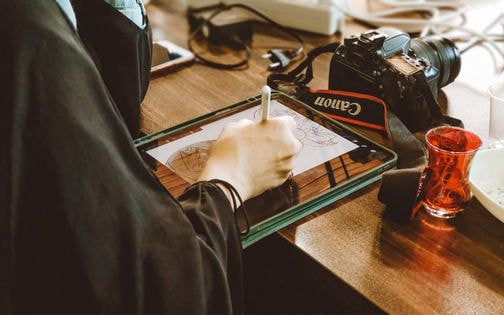
Credit: www.printful.com
Finishing Touches
The finishing touches bring your canvas print to life and protect it for years. These steps enhance the look and durability of your artwork. Attention to detail here ensures your print looks polished and professional.
Applying Protective Coatings
Protective coatings guard the print from dust, moisture, and sunlight. Use a clear varnish spray designed for canvas prints. Choose between matte, satin, or glossy finishes to suit your style.
- Work in a well-ventilated area to avoid fumes.
- Hold the spray about 12 inches from the surface.
- Apply light, even coats to prevent drips.
- Allow each coat to dry fully before applying another.
This coating keeps colors vibrant and stops fading. It also adds a subtle texture that enhances the painting’s depth.
Stretching And Framing Canvas
Stretching the canvas gives it a smooth, taut surface. Use wooden stretcher bars slightly larger than your print size. Pull the canvas tight and staple it to the bars, starting from the center and moving outward.
- Keep the canvas even and wrinkle-free.
- Fold corners neatly for a clean look.
- Check tension regularly to avoid sagging.
Framing adds a final layer of protection and style. Choose frames that complement the colors and theme of your print. Frames can be simple or decorative, depending on your preference.
Proper stretching and framing make your print ready to hang and impress.
Caring For Canvas Prints
Caring for canvas prints helps keep their beauty and colors bright. Proper care prevents damage and extends the life of the artwork. Small steps in cleaning, storage, and display make a big difference.
Cleaning Tips
Dust canvas prints regularly using a soft brush or microfiber cloth. Avoid using water or liquid cleaners on the surface. Lightly brush to remove dust and dirt without rubbing hard. For stubborn spots, use a dry, clean cloth gently. Never spray cleaners directly on the canvas. Keep prints away from smoke and grease to avoid stains.
Storage And Display Advice
Store canvas prints in a dry, cool place away from direct sunlight. Sunlight can fade colors and weaken the canvas fibers. Avoid high humidity areas to stop mold and mildew growth. Use acid-free paper or bubble wrap for extra protection during storage. When hanging, use sturdy hooks to prevent falls. Keep prints away from heat sources and damp walls. Rotate displayed prints occasionally to reduce light exposure on one side.

Credit: www.youtube.com
Frequently Asked Questions
What Materials Are Needed For Canvas Painting Prints?
You need high-quality canvas, archival inks, a printer, and protective coatings. Proper tools ensure vibrant, lasting prints that replicate original paintings accurately.
How Do I Prepare Artwork For Canvas Printing?
Scan or photograph the painting in high resolution. Edit colors digitally for accuracy. Ensure the file is print-ready in the correct size and format.
Which Printing Methods Work Best For Canvas Prints?
Inkjet printing with pigment-based inks offers excellent color and durability. Giclée printing is preferred for fine art reproductions due to its precision and longevity.
How Can I Protect Prints On Canvas?
Apply a UV-protective varnish or laminate to shield prints from fading and damage. Proper framing or stretching also helps preserve the artwork’s quality.
Conclusion
Printing paintings on canvas brings art to life in new ways. Choose good materials and prepare your files carefully. Use the right printer settings to keep colors true. Stretch and frame your canvas with care for a neat look. This process allows you to share and enjoy artwork easily.
Try different styles to find what you like best. Keep practicing, and your prints will improve each time. Enjoy turning your paintings into beautiful canvas prints.



