
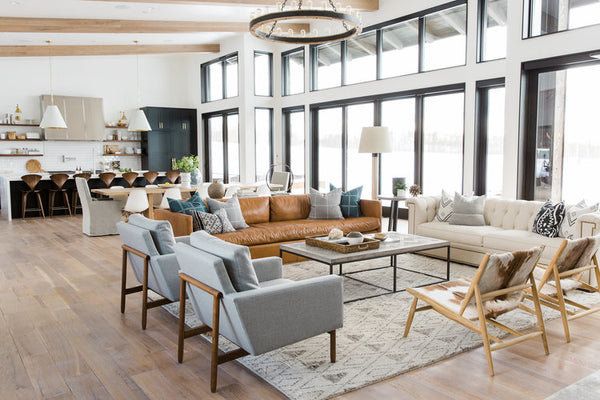
Are you struggling to make your open floor plan feel cozy and stylish? Mixing rugs might be the secret you’re missing.
When done right, layering different rugs can define spaces, add texture, and bring your studio to life. But it’s easy to get it wrong—clashing patterns or odd sizes can make your room look messy instead of inviting. In this guide, you’ll discover simple, smart ways to mix rugs inspired by Studio McGee’s timeless style.
By the end, you’ll feel confident creating a beautiful, balanced space that truly feels like home. Keep reading to unlock the art of mixing rugs in your open floor plan!
Credit: jane-athome.com
Choosing The Right Rugs
Choosing the right rugs can transform your open floor plan studio into a cohesive and inviting space. Rugs not only define areas but also add texture, color, and personality. The key is to select rugs that work well together without overwhelming your space.
Consider Size And Scale
Start by measuring your space carefully. A rug that’s too small can make your room feel disjointed, while one that’s too large might overpower the layout. Ideally, each rug should anchor the furniture within its zone, such as under a sofa or dining table.
Think about the flow between areas. Using rugs of different sizes helps delineate spaces without creating harsh divisions. Have you noticed how a well-sized rug invites you to sit down and relax?
Select Complementary Colors
Choose colors that complement each other to create harmony. You don’t need to match exactly, but aim for tones that speak the same language. For example, pairing a soft beige rug with a deeper rust or navy can add warmth without clashing.
Consider your walls, furniture, and accessories when picking rug colors. Neutral hues provide flexibility, while bolder colors can highlight specific areas. What color scheme makes you feel most comfortable in your studio?
Mix Patterns With Balance
Mixing patterns can add excitement, but balance is essential. Combine a large-scale pattern with a smaller, subtler one to avoid visual chaos. For instance, a geometric rug paired with a soft floral or stripe can look intentional and stylish.
Limit the number of patterns to two or three within the same space to keep it digestible. If you love bold prints, ground them with solid colors elsewhere. How do you usually decide when a pattern feels right or too much?
Layering Techniques
Layering rugs in an open floor plan adds depth and warmth. It brings life to a studio space. This technique blends different textures, colors, and patterns for a unique look. Using layers creates cozy zones and defines areas clearly. It is an easy way to upgrade your room’s style.
Start With A Neutral Base
Choose a large, neutral rug as your base. It sets a calm foundation. Neutral colors like beige, gray, or soft white work well. This base rug anchors the space without overwhelming it. It allows other rugs to stand out and shine.
Add Textured Layers
Place a smaller rug with texture on top of the base. Materials like jute, wool, or shag add touchable interest. Textured layers create contrast and invite comfort. Mixing smooth and rough textures keeps the space dynamic and engaging.
Create Visual Interest With Patterns
Introduce patterned rugs to draw the eye. Stripes, florals, or geometric shapes bring personality. Use colors that complement the neutral base. Patterns break monotony and add energy. Balance bold designs with simpler textures for harmony.
Defining Zones With Rugs
Rugs create clear areas in an open floor plan, helping separate spaces naturally. Mixing patterns and sizes adds texture and interest without cluttering the room. Choose colors that connect the zones for a balanced look.
Defining zones in an open floor plan can be a challenge. Rugs offer a simple solution. They can create distinct areas within a single space. Studio McGee demonstrates this beautifully. Using rugs strategically can enhance both function and style.Separate Living And Dining Areas
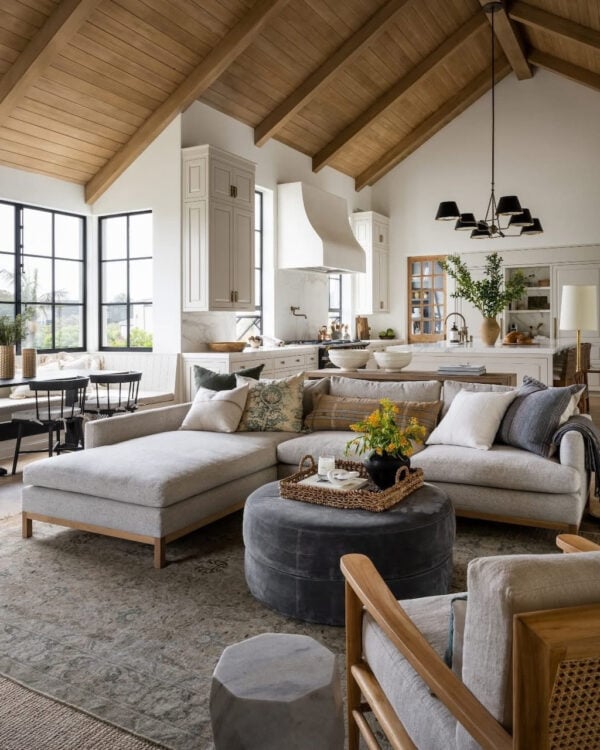
Rugs can separate different areas easily. Place a large rug under the dining table. It creates a dedicated dining space. Use a different rug for the living area. This visual separation helps organize the room. It makes each area feel distinct yet connected.Anchor Furniture Groups
Rugs help anchor furniture groups effectively. A rug under the sofa defines the living space. It visually pulls the furniture together. This creates a cozy conversation area. In the dining area, a rug under the table anchors it firmly. This unifies the furniture and enhances stability.Maintain Flow And Cohesion
Choose rugs that complement each other. This maintains flow throughout the space. Similar colors or patterns work well. They create a harmonious look. This cohesion makes the room feel unified. It ensures the design flows naturally from one area to the next.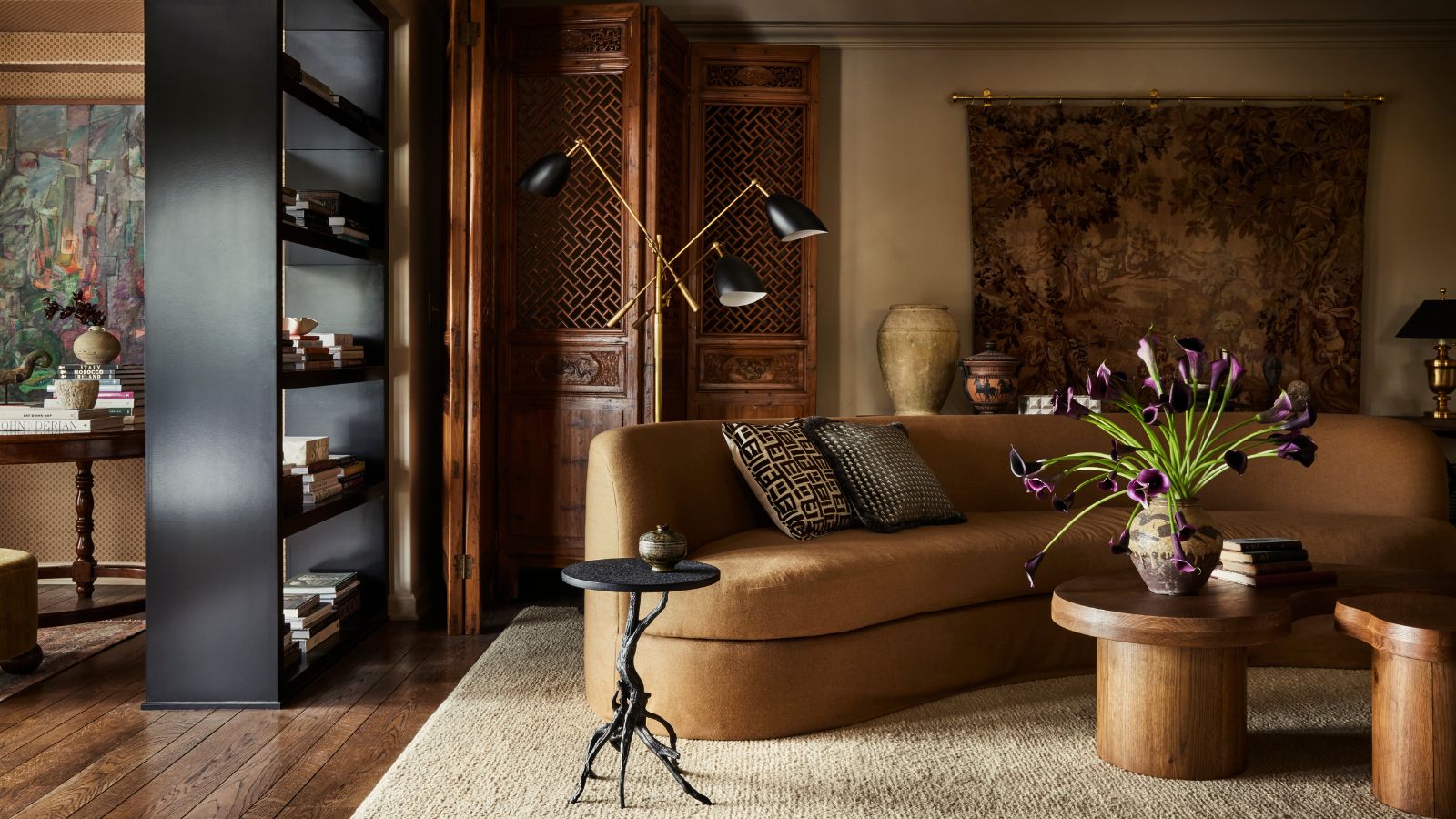
Credit: www.homesandgardens.com
Styling Tips From Studio Mcgee
Studio McGee offers simple tips to style rugs in open floor plans. Their approach helps create cozy, defined spaces. Rugs bring warmth and texture to large rooms. Mixing different rugs can show your unique style. Follow these ideas to blend rugs beautifully.
Incorporate Natural Fibers
Natural fiber rugs add softness and texture. Materials like jute, sisal, and wool work well. They bring an earthy, relaxed feel to your space. These rugs are durable and perfect for high-traffic areas. Use them as a base layer to ground your room.
Mix Vintage And Modern Rugs
Combine old and new rugs for a fresh look. Vintage rugs add character and rich patterns. Modern rugs bring clean lines and bold colors. Mixing styles creates visual interest and depth. Place a vintage rug under a sleek sofa. Layer a modern rug near a rustic coffee table.
Use Rugs To Enhance Lighting
Rugs can reflect and soften natural light. Light-colored rugs brighten darker corners. Choose rugs with subtle patterns to avoid overpowering light. Position rugs where sunlight hits for a warm glow. This trick makes your studio feel open and inviting.
Maintenance And Care
Maintaining and caring for your rugs in an open floor plan studio is key to keeping your space inviting and stylish. Rugs can easily become worn or dirty, especially when layered or mixed, so taking the right steps ensures they stay fresh and vibrant. Let’s look at practical ways to protect your investment and extend the life of your rugs.
Regular Cleaning Tips
Vacuum your rugs at least once a week to prevent dirt buildup. Use a vacuum without a beater bar to avoid damaging delicate fibers. Spot clean spills immediately with a damp cloth and mild detergent to stop stains from setting in.
Have you noticed how dust tends to settle more in open layouts? Regular cleaning isn’t just about looks—it improves your air quality too. Consider professional cleaning once a year, especially for natural fiber rugs like wool or jute.
Protect Rugs From Wear
Place rug pads underneath each rug to reduce slipping and add cushioning. This also prevents friction between the rug and floor, which can cause premature wear. High-traffic areas need extra attention—think near entryways or seating zones.
Try to keep furniture legs off the rugs or use furniture coasters to distribute weight evenly. Have you ever seen a rug with those permanent indentations? Avoid them by occasionally shifting furniture placement.
Rotate For Longevity
Rotate your rugs every few months to ensure even wear and fading. This simple habit helps avoid uneven discoloration from sunlight or heavy foot traffic. It’s a small effort that makes a big difference over time.
Think about how sunlight hits your studio at different times of the day. Would rotating your rugs change how your space feels or looks? Give it a try and watch your rugs maintain their beauty longer.
Credit: www.homesandgardens.com
Frequently Asked Questions
How Do I Choose Rugs For An Open Floor Plan?
Select rugs with complementary colors and patterns. Ensure sizes define separate areas. Balance texture and style for harmony.
Can Mixing Rug Patterns Work In Studio Mcgee Style?
Yes, mixing patterns adds depth and interest. Use a common color theme to unify the look.
What Rug Shapes Work Best In Open Floor Plans?
Rectangular and round rugs create defined zones. Layering different shapes adds dimension and flow.
How To Layer Rugs Without Overwhelming The Space?
Use rugs of varying textures and sizes. Keep colors cohesive to maintain balance and avoid clutter.
Conclusion
Mixing rugs in an open floor plan adds warmth and style. Choose rugs that complement each other in color and texture. Place rugs to define different zones clearly. Balance patterns with solid colors for a cozy look. Keep sizes appropriate to the furniture and space.
This approach makes your studio feel inviting and organized. Experiment with layers to create depth and interest. Enjoy a beautiful, comfortable home that reflects your taste.



