
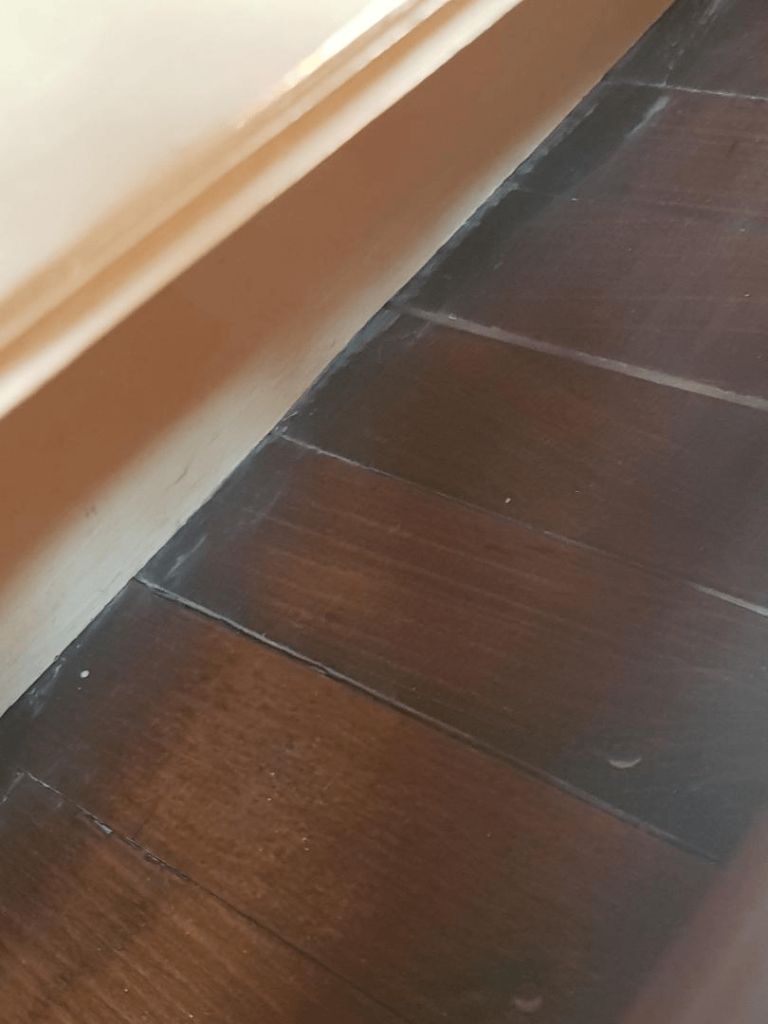
Have you ever tried pulling up a rug only to find sticky glue left behind on your beautiful wood floor? That stubborn residue can be frustrating and tricky to remove.
But don’t worry—your wood floor doesn’t have to stay damaged or sticky. You’ll discover simple, effective ways to get rid of rug glue without harming your floor’s finish. Keep reading, and you’ll learn easy steps that save you time, effort, and the stress of dealing with sticky messes.
Your floor will look smooth and clean again before you know it!

Credit: www.youtube.com
Tools And Materials Needed
Removing rug glue from a wood floor requires the right tools and materials to make the process smoother and avoid damage. Having everything prepared before you start saves time and reduces frustration. You might be surprised how much easier the job gets with just a few key items.
Essential Cleaning Supplies
- Warm Water and Mild Soap:A simple solution to clean the area before and after glue removal.
- Rags or Microfiber Cloths:Useful for wiping off residue and drying the floor.
- Bucket:To mix your cleaning solution and keep things organized.
Tools For Scraping And Removal
- Plastic Scraper or Putty Knife:Gentle enough to avoid scratching wood but effective in lifting glue.
- Steel Wool or Fine Sandpaper:Helps remove stubborn glue spots but requires careful use to prevent damage.
- Heat Gun or Hair Dryer:Softens the glue, making it easier to scrape off.
Specialized Products
- Adhesive Remover:Choose a wood-safe formula to break down glue without harming the finish.
- Mineral Spirits or Rubbing Alcohol:These can be alternatives for tough glue, but test a small area first.
- Protective Gloves:Always protect your skin when handling chemicals.
Do you have all these items ready? Missing even one can slow you down. Think about what you already have at home before buying new products. Sometimes, ordinary household items can do the trick if used correctly.
Safety Precautions
Handling rug glue on wood floors can be tricky, but safety should always come first. Chemicals used to dissolve the glue can be harsh and harmful if not handled properly. Taking the right precautions protects your health and preserves your beautiful wood flooring.
Wear Protective Gear
Always wear gloves to protect your skin from irritants in glue removers. Safety goggles are a must to prevent splashes from getting into your eyes. Consider a mask if you’re working with strong solvents to avoid inhaling fumes.
Ventilate The Area
Open windows and doors to let fresh air circulate while you work. Using a fan can speed up ventilation and reduce harmful fumes. Poor airflow increases the risk of dizziness or headaches, so don’t skip this step.
Test Products On A Small Spot
Before applying any glue remover widely, test it on a hidden corner of your floor. This prevents unexpected damage or discoloration. Have you ever ruined a surface by rushing in? Testing helps avoid costly mistakes.
Keep Fire Hazards Away
Many solvents are flammable, so keep them away from open flames or heat sources. Avoid smoking in the work area to prevent accidents. Store all chemicals in a safe place out of reach of children and pets.
Dispose Of Waste Properly
Don’t pour leftover chemicals down the drain or throw them in regular trash. Follow local regulations for disposing hazardous materials. This protects the environment and your community from contamination.
Preparing The Wood Floor
Start by clearing the floor of all furniture and debris. Clean the wood surface gently to remove dust and dirt. Ensure the floor is dry before beginning to remove the rug glue.
Preparing the wood floor for glue removal is a crucial step in ensuring a smooth and successful process. This stage sets the foundation for effective cleaning and protects your wood from potential damage. As you embark on this task, take a moment to gather your tools and assess the condition of your floor.Gather Your Tools
Before you begin, make sure you have all the necessary tools at hand. This typically includes a plastic scraper, a bucket, mild detergent, and warm water. Having a sponge or soft cloth will also be useful for spot cleaning.Clear The Area
Remove any furniture, rugs, or other items from the room. This gives you full access to the floor and prevents accidental damage to your belongings. Consider using furniture sliders to move heavier items easily and avoid scratches.Inspect The Floor
Examine your wood floor closely for any signs of damage. Look for scratches, dents, or areas where the finish might be compromised. Understanding the condition of your floor will help you determine the best approach for glue removal.Test A Small Area
Before applying any cleaning solution, test it on a small, inconspicuous area. This helps ensure that the product won’t harm the wood or alter its finish. Be patient and wait to see the results before proceeding with the entire floor.Ventilate The Room
Open windows and doors to ensure proper ventilation. This is important to dissipate any fumes from cleaning products and maintain air quality. A well-ventilated space will make the task more pleasant and safer for you.Wear Protective Gear
Protect yourself by wearing gloves and a mask if necessary. Gloves shield your hands from harsh chemicals, while a mask can prevent inhalation of dust or fumes. Safety should always be a priority when handling cleaning agents.Prepare A Cleaning Solution
Mix a mild detergent with warm water in a bucket. This solution will be used to clean the floor and loosen the glue. Opt for a gentle detergent to avoid damaging the wood finish.Create A Plan Of Action
Decide on a starting point and work methodically across the floor. Having a plan will help you stay organized and ensure that no area is missed. Consider dividing the floor into sections to manage the task efficiently. By taking these preparatory steps, you’re setting yourself up for a more effective and less stressful glue removal process. Are you ready to tackle the next phase with confidence?
Credit: www.plushardwoodflooring.com
Using Heat To Soften Glue
Using heat to soften rug glue on wood floors is a practical way to make removal easier. Heat melts the adhesive, loosening its grip on the wood. This technique reduces the risk of damaging the floor while scraping off the glue.
Applying the right amount of heat is important. Too much heat can harm the wood finish, while too little won’t soften the glue enough. Controlled heat helps the glue become soft and pliable, making cleanup smoother and faster.
Tools Needed For Heating Rug Glue
- Hairdryer or heat gun with adjustable settings
- Plastic scraper or putty knife
- Soft cloth for wiping residue
- Protective gloves to avoid burns
How To Safely Apply Heat To The Glue
- Set the hairdryer or heat gun to a low or medium heat setting.
- Hold the heat source about 6 inches above the glue spot.
- Move the heat tool in small circles to evenly warm the area.
- Heat the glue for 30 to 60 seconds or until it softens.
Removing Softened Glue From The Wood Floor
- Use a plastic scraper to gently lift the softened glue.
- Work slowly to avoid scratching the wood surface.
- Wipe the area with a soft cloth to remove leftover residue.
- Repeat heating and scraping as needed for stubborn spots.
Applying Solvents And Adhesive Removers
Applying solvents and adhesive removers is a key step in removing rug glue from wood floors. These products help break down the sticky residue, making it easier to wipe away. Choosing the right solvent and using it safely ensures good results without damaging the wood.
Choosing The Right Solvent
Select a solvent made for wood floors. Avoid harsh chemicals that can harm the finish or wood itself. Common options include:
- Mineral spirits – gentle and effective for many adhesives
- Citrus-based removers – natural and less toxic
- Commercial adhesive removers – designed for tough glue
Test the solvent on a small, hidden area first. Watch for any discoloration or damage before full use.
How To Apply Safely
Work in a well-ventilated space to avoid inhaling fumes. Wear gloves to protect your skin. Use a soft cloth or sponge to apply the solvent gently onto the glue.
Let the solvent sit for a few minutes to soften the adhesive. Avoid soaking the wood to prevent warping. Gently scrape the glue with a plastic scraper or putty knife. Wipe the area clean with a damp cloth afterward.
Credit: www.plushardwoodflooring.com
Scraping And Removing Glue Residue
Scraping and removing glue residue from your wood floor can be a tricky task. The key is to approach it carefully to avoid damaging the wood while effectively lifting off the stubborn glue. With the right tools and techniques, you can restore your floor’s surface to its natural beauty without frustration.
Best Tools For Scraping
Choosing the right tools can make a huge difference. A plastic scraper is often the safest choice because it reduces the risk of scratching your wood. However, if the glue is particularly tough, a metal putty knife with a thin edge can work well.
- Plastic scraper:Gentle on wood, ideal for light glue residue.
- Metal putty knife:Use with caution on thicker glue, perfect for scraping in tight spots.
- Rubber gloves:Protect your hands when working with solvents or scraping aggressively.
- Heat gun or hairdryer:Softens glue, making it easier to scrape off.
One time, I tried removing glue with just a metal scraper and ended up scratching my floor. Switching to a plastic scraper after softening the glue with a hairdryer made the process smoother and safer.
Techniques To Avoid Damage
Be patient and gentle; rushing can cause scratches or gouges. Always scrape at a low angle to the floor rather than pressing straight down. This helps lift the glue off instead of digging into the wood.
If the glue is stubborn, try warming it first with a heat gun or hairdryer on a low setting. This softens the glue, making it easier to scrape without excessive force. Also, test your scraper on a small hidden spot to ensure it won’t harm the finish.
Ask yourself: How much time am I willing to spend scraping versus risking damage? Sometimes slow and steady wins the race, especially with delicate wood floors. Remember, preserving your floor’s finish is just as important as removing the glue.
Cleaning And Restoring The Floor
After you’ve successfully removed the bulk of the rug glue from your wood floor, the next task is to clean and restore the surface. This step is crucial to eliminate any leftover solvent residue and bring back the floor’s natural shine. A well-restored floor not only looks great but also lasts longer and resists damage.
Removing Solvent Residue
Solvent residue can leave your wood floor sticky or dull if not properly removed. Start by wiping the area with a clean, damp cloth to lift any leftover chemicals. Avoid soaking the wood; a slightly damp cloth works best to prevent moisture damage.
If residue persists, mix a few drops of mild dish soap with water and gently scrub the surface using a soft sponge. Rinse with a clean, damp cloth afterward to ensure no soap remains. Remember, harsh chemicals or abrasive tools can harm the wood’s finish, so always test your cleaning solution on a small hidden spot first.
Polishing And Refinishing Tips
Once the floor is clean and dry, polishing can restore its original luster. Use a wood floor polish suitable for your floor type. Apply a thin, even layer with a microfiber cloth, working in small sections to avoid streaks.
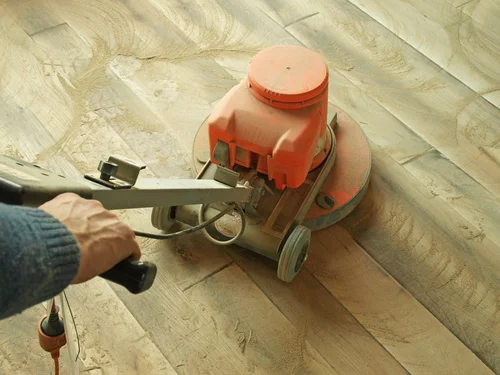
If the finish looks worn or scratched, consider light sanding followed by refinishing. Sand gently with fine-grit sandpaper to smooth out imperfections. After sanding, apply a wood stain or finish that matches your floor’s color. This process can make a significant difference in the overall appearance.
Have you noticed how small scratches can make your entire floor look tired? Taking the time to polish or refinish can bring surprising results that refresh your living space instantly.
Preventing Future Glue Damage
Preventing future glue damage on your wood floor is just as important as removing the old glue. Taking proactive steps can save you hours of frustration and keep your floor looking beautiful for years. Small changes in your approach to laying rugs can make a huge difference in maintaining the integrity of your wood.
Choose The Right Rug Pads
Using the correct rug pad is a simple yet effective way to protect your wood floors from glue damage. Opt for non-adhesive, breathable pads made of natural materials like felt or rubber. These pads create a barrier that prevents direct contact between the rug and floor, reducing the need for glue altogether.
Use Double-sided Tape Sparingly
If you must use tape to keep your rug in place, select a low-tack, double-sided tape designed specifically for wood floors. Avoid heavy-duty tapes that can pull up the finish or leave stubborn residue. Test a small, hidden area first to see how your floor reacts before applying tape across the entire rug.
Regularly Shift And Clean Rugs
Leaving rugs in the same spot for months can trap dirt and moisture, which weakens the wood finish and encourages glue buildup. Try moving your rugs every few weeks to let your floor breathe and prevent prolonged pressure. Additionally, regularly cleaning under your rugs can stop glue and dirt from sticking permanently.
Consider Alternative Securing Methods
Have you tried securing rugs without glue or tape? Non-slip rug grippers or corner anchors can hold your rugs firmly without risking damage to your wood floors. These methods also make it easier to lift rugs for cleaning and inspection, helping you catch any issues early.
Maintain Proper Floor Finishes
A strong, well-maintained finish acts like armor against glue adhesion. Regularly apply a protective sealant or polish recommended for your wood type. This maintenance not only enhances your floor’s appearance but also reduces the risk of glue seeping into the wood grain.
Frequently Asked Questions
How Do I Safely Remove Rug Glue From Wood Floors?
Use a plastic scraper to gently lift the glue. Apply a wood-safe adhesive remover. Avoid harsh chemicals to prevent damage. Always test in an inconspicuous area first. Wipe clean with a damp cloth.
What Household Items Can Remove Rug Glue On Wood?
White vinegar and warm water can soften glue residue. Apply with a cloth and scrub gently. Baking soda mixed with water also helps. Use mild solutions to protect the wood finish.
Can Heat Help In Removing Rug Glue From Wood?
Yes, a hairdryer can soften the glue. Heat it for a few minutes, then scrape gently. Avoid overheating to prevent wood damage. This method works best with stubborn glue spots.
How Long Does It Take To Remove Rug Glue Completely?
Time varies by glue type and floor condition. Typically, it takes 30 minutes to a few hours. Patience and careful scraping are essential. Multiple treatments may be needed for tough glue.
Conclusion
Removing rug glue from wood floors takes patience and care. Use gentle methods first to avoid damage. Warm water and mild soap can help loosen glue. Scrape softly with a plastic tool to protect wood. For tougher glue, try a small amount of adhesive remover.
Always test cleaning products on a hidden spot first. Dry the floor well after cleaning. Regular care keeps wood floors looking fresh. With these steps, your floor will look clean and smooth again. Simple actions make a big difference in home care.



