
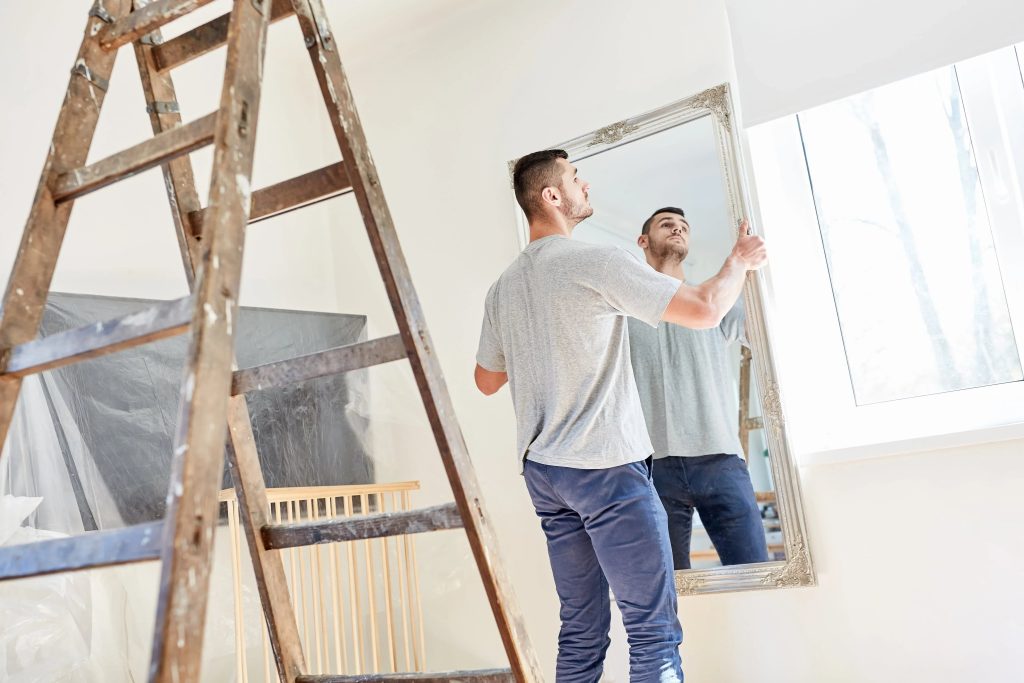
Hanging a heavy mirror on your wall can feel like a big challenge. You want it to look great, stay secure, and avoid any accidents.
If you’re worried about damaging your walls or the mirror falling, you’re not alone. But here’s the good news: with the right steps and tools, you can mount your heavy mirror safely and confidently. Keep reading, and you’ll discover simple tips that make this task easier than you think.
By the end, you’ll have the skills to hang your mirror perfectly—no stress, no guesswork.
Choose The Right Mirror Location
Choosing the right location for your heavy mirror is crucial to ensure it stays securely mounted and looks great in your space. The spot you pick affects not only the mirror’s stability but also its functionality and the overall room vibe. Think about the walls, the flow of traffic, and the mirror’s purpose before you start drilling.
Consider Wall Material
Different walls can hold different weights. Drywall alone won’t support a heavy mirror well without extra reinforcement. You’ll want to identify if your wall is drywall, plaster, brick, or concrete because each requires specific tools and anchors.
For example, brick or concrete walls usually need masonry anchors, while drywall might need toggle bolts or to be mounted directly onto studs. Have you checked your wall’s material yet? It’s the first step to avoid a mirror crash.
Check Wall Studs
Studs are the wooden or metal framing behind your drywall that provide strong support. Mounting your mirror directly into studs ensures it holds firm without risking damage to your wall. Use a stud finder to locate these hidden supports.
If your mirror is heavy, skipping studs can lead to the mirror falling off and causing injury or damage. Sometimes, studs don’t line up perfectly with where you want the mirror, so consider if you’re willing to adjust your placement. Would a slight shift make a big difference in your room’s layout?
Avoid High-traffic Areas
Placing a heavy mirror in a busy hallway or near doors might seem convenient, but it can be risky. High-traffic spots increase the chance of accidental bumps that can loosen the mirror over time. Think about where people move the most and try to pick a spot that’s visible but safe.
Also, avoid locations where the mirror could reflect glare from windows or lights, which can be distracting. Have you noticed any spots where a mirror might get in the way or cause discomfort? Choosing a calm and steady spot will keep your mirror—and everyone around it—safe.
Gather Necessary Tools And Materials
Gather a drill, screws, wall anchors, a level, measuring tape, and a stud finder. These tools ensure safe and secure mirror installation on your wall. Preparing materials beforehand saves time and avoids interruptions during mounting.
Mounting a heavy mirror on the wall requires preparation and the right tools. Gathering these tools and materials ensures a smooth and safe installation. Proper equipment will help avoid any damage to your mirror or walls. Here’s a detailed guide on what you need.Select Appropriate Mounting Hardware
Choosing the right mounting hardware is crucial. Heavy mirrors need sturdy support. Check the weight limit on your hardware. Use wall anchors or brackets designed for heavy loads. Ensure your hardware matches your wall type. Brick, plaster, and drywall need different supports.Prepare Safety Equipment
Safety should always be a priority. Wear protective gloves to prevent cuts. Safety goggles protect your eyes from dust. If using a power drill, consider ear protection. Keep a first-aid kit nearby for emergencies.Use Measuring And Leveling Tools
Accurate measurements are vital for a balanced mirror. Use a tape measure to find the perfect spot. A pencil helps mark positions on the wall. A spirit level ensures your mirror hangs straight. Consider a laser level for greater precision.Prepare The Wall Surface
Preparing the wall surface is essential for safely mounting a heavy mirror. A well-prepared wall ensures strong support and prevents damage. Take time to get this step right before hanging your mirror.
Clean The Wall Area
Start by cleaning the wall where the mirror will hang. Use a damp cloth to remove dust and dirt. Dry the area completely. A clean surface helps the mounting hardware stick better. It also prevents slipping or falling later.
Mark Mounting Points
Next, decide the exact spots for the mounting brackets or hooks. Measure the mirror’s width and height carefully. Use a pencil to mark these points on the wall. Double-check the marks for accuracy. Proper marks guide you to place the mirror evenly and securely.
Use A Stud Finder
Locate the wall studs behind the drywall with a stud finder. Studs provide the strongest support for heavy items. Move the finder slowly across the wall to find edges of studs. Mark the center of each stud clearly. Mount the mirror brackets into these studs for best strength.

Credit: www.rjliving.com.au
Install Wall Anchors And Brackets
Installing wall anchors and brackets is essential to mount a heavy mirror safely. These components hold the mirror firmly and protect your wall from damage. Proper installation ensures the mirror stays secure over time.
Use strong anchors that match your wall type. Brackets must fit the mirror’s mounting hardware perfectly. Take care during this process to ensure everything aligns well.
Drill Pilot Holes
Mark the spots on the wall where anchors will go. Use a level to keep marks straight. Select a drill bit slightly smaller than the anchor size. Drill holes gently to avoid cracking the wall. Clean out dust from each hole before moving on.
Insert Anchors Securely
Push the wall anchors into the drilled holes. Tap them lightly with a hammer if needed. Make sure anchors sit flush with the wall surface. Check they do not spin or move inside the hole. Secure anchors provide strong support for heavy mirrors.
Attach Mounting Brackets
Align the brackets with the installed anchors. Use screws to fasten brackets tightly to the wall. Avoid over-tightening to prevent anchor damage. Confirm brackets do not wiggle or shift. Properly attached brackets keep the mirror steady and safe.
Mount The Heavy Mirror
Mounting a heavy mirror requires care and precision. Proper handling ensures safety and prevents damage. Follow these steps to place your mirror securely on the wall.
Lift Mirror Safely
Use both hands to lift the mirror. Hold it firmly at the sides for balance. Avoid lifting by the glass or corners. Ask for help if the mirror is very heavy. Clear the path to the wall before moving.
Align Mirror With Brackets
Stand close to the wall and position the mirror near the brackets. Check that the mounting brackets match the mirror’s hooks or slots. Adjust the mirror slowly to line up perfectly. Make small movements to avoid scratching the wall or mirror.
Secure Mirror In Place
Once aligned, gently lower the mirror onto the brackets. Confirm it sits firmly without wobbling. Tighten any screws or fasteners on the brackets if needed. Test the stability by pressing lightly on the mirror. Ensure it feels solid and secure before letting go.

Credit: www.rjliving.com.au
Check Stability And Safety
After mounting a heavy mirror on your wall, ensuring its stability and safety is crucial. A securely attached mirror not only protects your walls but also keeps your space safe from accidents. Taking the time to double-check your work can save you from costly repairs and unexpected injuries.
Test For Firm Attachment
Once the mirror is hung, gently press and wiggle it to check if it feels solid. Avoid applying too much force, but enough to detect any movement or looseness. If the mirror shifts or feels unstable, it needs a stronger hold before you proceed.
Try using a level to confirm the mirror stays straight without tilting. A mirror that leans forward or sideways can indicate weak support. Have you ever noticed a mirror slightly tilting over time? That’s a clear sign the attachment isn’t secure enough.
Adjust If Necessary
If you detect any instability, don’t hesitate to adjust the mounting hardware. Tighten screws or replace anchors with heavier-duty options if needed. Using wall studs or specialized mirror mounting brackets can make a big difference.
Sometimes, repositioning the mirror slightly can improve its grip. Small changes in placement might help distribute the weight better. Ask yourself if the mirror feels safer after each tweak—your safety depends on it.
Maintain Mirror Over Time
Checking your mirror’s stability isn’t a one-time task. Over weeks and months, walls settle and mounting hardware can loosen. Make it a habit to inspect your mirror regularly, especially if you live in an area with vibrations or temperature changes.
Keep an eye out for cracks, chips, or any signs of stress on the mirror or its frame. These can indicate the mounting is failing. Have you scheduled your next safety check yet? Taking a few minutes now can prevent accidents later.

Credit: ledmirrorworld.co.uk
Frequently Asked Questions
How Do I Securely Mount A Heavy Mirror On Drywall?
Use wall anchors or toggle bolts rated for the mirror’s weight. Locate studs for better support. Always use a level and measure twice before drilling.
What Tools Are Needed To Hang A Heavy Mirror Safely?
You need a drill, stud finder, level, tape measure, screwdriver, wall anchors, and mounting brackets. Safety goggles and gloves are recommended.
Can I Hang A Heavy Mirror Without Studs?
Yes, if you use heavy-duty wall anchors or toggle bolts. Make sure the anchors support the mirror’s weight to avoid accidents.
How High Should I Mount A Heavy Mirror?
Mount the mirror at eye level or slightly above. Typically, the center should be about 57 to 60 inches from the floor.
Conclusion
Mounting a heavy mirror on the wall can feel tough but is doable. Choose the right tools and wall anchors for strong support. Measure carefully and mark spots before drilling holes. Take your time to follow each step safely. A well-hung mirror adds style and light to any room.
Enjoy your new wall décor with confidence and pride.



