
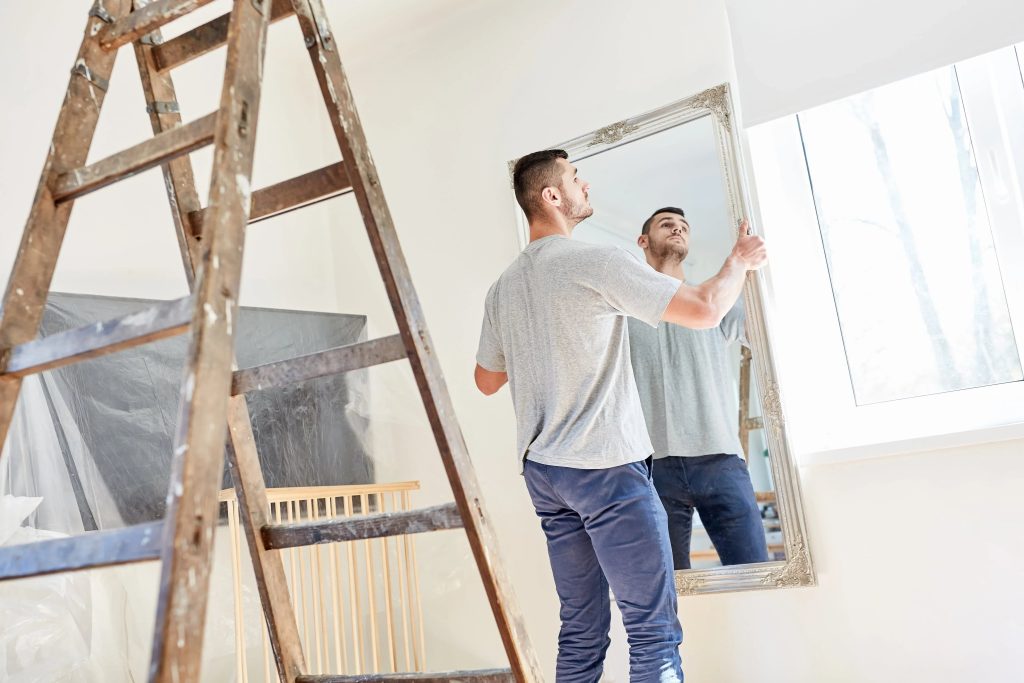
Are you ready to give your space a fresh look with a stylish mirror but unsure how to hang it on a brick wall? Mounting a mirror on brick can seem tricky, but with the right steps, you can do it safely and securely.
Imagine your room instantly feeling bigger and brighter, just by adding that perfect mirror in the right spot. This guide will walk you through simple, clear instructions that anyone can follow. Keep reading, and you’ll discover how easy it is to transform your space with just a few tools and some confidence.
Choosing The Right Mirror
Choosing the right mirror for a brick wall is important for both style and safety. The mirror must match the wall’s texture and support the weight securely. Picking the proper size and frame type helps ensure it stays in place and looks great.
Size And Weight Considerations
Select a mirror size that fits the wall space well. Large mirrors make a bold statement but need strong support. Small mirrors are easier to mount but may get lost on big brick walls.
Weight matters a lot with brick walls. Heavy mirrors need sturdy anchors and more effort to hang. Lightweight mirrors are simpler to install and reduce the risk of damage.
- Measure the wall area before choosing the mirror size
- Consider mirror weight to select proper mounting hardware
- Balance size with the wall’s strength and room style
Frame Types Suitable For Brick Walls
Frames affect both the look and ease of mounting. Metal and wooden frames offer solid support and match brick textures well. Plastic frames might be too light or weak for heavy mirrors.
Look for frames with a flat back and strong hanging points. This design makes it easier to secure the mirror firmly on the rough brick surface.
- Metal frames provide durability and good grip
- Wooden frames blend naturally with brick walls
- Avoid delicate or ornate frames that complicate mounting

Credit: www.yahoo.com
Gathering Necessary Tools
Mounting a mirror on a brick wall requires careful planning. The first step is gathering the necessary tools. Having the right tools ensures a secure and stable installation. Let’s explore the essential tools for this task.
Drill And Masonry Bits
A power drill is crucial for drilling into brick. Choose a drill with enough power for masonry. Use masonry bits specifically designed for brick walls. These bits can penetrate tough surfaces effectively. Always select the correct size bit for your screws.
Anchors And Screws
Masonry anchors provide stability. They hold the mirror securely on the wall. Choose anchors suitable for the mirror’s weight. Paired with the right screws, they ensure a firm hold. Stainless steel screws are a durable choice.
Measuring And Leveling Tools
Accurate measurements are key. Use a measuring tape to mark positions. A spirit level ensures the mirror hangs straight. Double-check all measurements before drilling. This avoids mistakes and ensures precision.
Preparing The Brick Wall
Preparing your brick wall properly is key to ensuring your mirror stays securely in place and looks great. Skipping this step can lead to weak adhesion or damage to both the wall and the mirror. Taking time to clean and choose the right spot will save you from headaches later.
Cleaning The Surface
Start by removing any dirt, dust, or loose debris from the brick surface. Use a stiff brush or vacuum to clear out crevices where dust tends to gather. A clean surface helps the adhesive or mounting hardware grip better.
If the wall has any grease or stains, wipe it down with a mixture of mild detergent and water. Avoid soaking the brick; use a damp cloth to prevent moisture from weakening the wall. Let the area dry completely before moving on.
Identifying The Best Spot
Look for a flat, stable section of the brick wall where the mirror can hang evenly. Uneven bricks or mortar can cause your mirror to tilt or feel insecure. Test the area by pressing lightly with your hand to check for loose bricks or crumbling mortar.
Consider the height and lighting in the room—will the mirror reflect natural light or brighten a darker corner? Think about accessibility too; placing the mirror too high or low can reduce its usefulness. Where do you want the mirror to make the most impact?

Credit: www.rjliving.com.au
Marking Drill Points
Marking drill points accurately is a crucial step when mounting a mirror on a brick wall. If you don’t get this right, the mirror can end up crooked or unstable, leading to frustration and potential damage. Taking your time here saves you from having to patch up extra holes or reposition the mirror later.
Measuring For Accurate Placement
Start by measuring the mirror itself. Note the distance between the mounting brackets or hooks on the back of the mirror.
Next, transfer these measurements to the brick wall using a pencil. Mark where the drill holes should go based on the bracket spacing.
Double-check these marks by holding the mirror against the wall. Does the placement look balanced and centered in the space? Adjust your marks if needed before drilling.
Using A Level For Straight Alignment
Even if your measurements are perfect, the mirror can still hang crooked without proper leveling. Place a level horizontally along the pencil marks you made.
Adjust the marks until the bubble is centered between the lines on the level. This ensures your mirror will hang straight.
Try to imagine how the mirror will look when hung. Would you want it slightly tilted for a unique look, or perfectly straight? Your choice will influence how precise you need to be with these marks.
Drilling Into Brick
Drilling into brick can seem intimidating at first, but with the right approach, you can create secure anchor points for your mirror without damaging the wall. The key lies in understanding how to control your drill and handle the brick material carefully. Let’s break down the essentials to help you drill confidently and safely.
Choosing The Right Drill Speed
Using the correct drill speed is crucial when working with brick. Too fast, and you risk overheating the drill bit or causing cracks in the brick. Too slow, and you may struggle to penetrate the surface effectively.
Start with a low to medium speed setting on your drill. This gives you better control and reduces the chance of slipping. As you feel the drill biting into the brick, you can slightly increase the speed, but avoid going full throttle.
Have you noticed how some drills have a variable speed trigger? This feature lets you adjust pressure and speed on the fly, giving you precise control. If your drill lacks this, consider investing in one that does for projects like this.
Avoiding Brick Damage
Brick is sturdy but also brittle if handled roughly. To avoid cracks or chips, use a masonry drill bit designed specifically for brick and stone. These bits have a special tip that cuts cleanly through the material.
Before drilling, mark the exact spot with a pencil and create a small indentation using a nail and hammer. This helps prevent the drill bit from wandering off target. Applying steady, gentle pressure during drilling is better than forcing the bit.
If your brick is old or crumbly, consider drilling pilot holes with a smaller bit first. It’s surprising how much this simple step reduces stress on the brick. Have you ever had a wall chip just when you thought you were done? Taking these precautions can save you that frustration.
Inserting Anchors And Screws
Inserting anchors and screws into a brick wall is a critical step to ensure your mirror stays securely mounted. The right choice of anchors can make the difference between a mirror that holds firm and one that risks falling. Let’s break down how to select the proper anchors and secure the screws firmly to give your mirror the strong support it needs.
Selecting Proper Anchors
Not all anchors are created equal, especially for brick walls. You want anchors designed specifically for masonry, such as sleeve anchors, expansion anchors, or plastic wall plugs made for brick. Using drywall anchors here is a common mistake that leads to weak support.
Think about the mirror’s weight. Heavy mirrors require metal anchors that expand inside the brick to hold securely. For lighter mirrors, plastic anchors may be sufficient, but it’s safer to err on the side of strength.
Have you checked the anchor packaging for weight limits? If not, take a moment to confirm they can handle your mirror’s weight plus a safety margin.
Securing The Screws Firmly
Once your anchors are in place, the next step is tightening the screws firmly—but not too tight. Over-tightening can crack the brick or strip the anchor, weakening the hold. You want the screw to feel snug and stable.
Use a drill with a clutch setting or a manual screwdriver to control the pressure. If you feel resistance that suddenly gives way, stop and reassess the anchor’s grip.
Check the stability by gently wiggling the screw after installation. If it moves, the anchor is not holding properly, and you may need to try a different anchor or drill a new hole slightly offset.
Hanging The Mirror
Hanging a mirror on a brick wall requires careful preparation and attention. This part focuses on making sure the mirror is secure and stable. Proper mounting hardware and safe handling are key to avoid damage or accidents.
Attaching Mounting Hardware To Mirror
Start by checking the back of the mirror for mounting points. Use heavy-duty hardware designed for the mirror’s weight and size.
- Measure and mark where the hardware will go.
- Attach D-rings or hanging wire securely on each side.
- Use screws suitable for the mirror frame material.
Ensure the hardware is tight and will not move. This step keeps the mirror stable on the wall.
Placing The Mirror Safely
Before hanging, prepare the brick wall with the right anchors and hooks. Use a drill with a masonry bit to make holes for anchors.
- Insert wall plugs into the holes firmly.
- Screw in heavy-duty hooks or brackets.
Lift the mirror carefully. Use two people to avoid dropping or scratching it.
Hang the mirror on the hooks. Check if it sits level and feels secure.

Credit: ledmirrorworld.co.uk
Final Adjustments And Safety Tips
After mounting your mirror on a brick wall, focus on final adjustments and safety tips. These steps help keep the mirror secure and prevent accidents. Small tweaks improve the mirror’s appearance and stability. Safety measures protect your home and everyone around.
Ensuring Stability
Check that the mirror is firmly attached to the wall. Gently push on the mirror to test its hold. Use a level to confirm it hangs straight. Tighten any screws or anchors if the mirror feels loose. Avoid over-tightening to prevent damage to the wall or mirror frame. Choose the right wall anchors designed for brick surfaces to support the weight safely. Use rubber pads behind the mirror to reduce slipping and wall marks.
Regular Maintenance Checks
Inspect the mirror mount regularly. Look for signs of wear on screws, anchors, and hooks. Replace any rusty or damaged hardware promptly. Clean the mirror surface with a soft cloth to keep it clear. Avoid harsh chemicals that can damage the frame or wall finish. Check the wall around the mirror for cracks or crumbling bricks. Early detection of issues prevents bigger problems later.
Frequently Asked Questions
What Tools Are Needed To Mount A Mirror On A Brick Wall?
You need a drill with a masonry bit, wall plugs, screws, a screwdriver, a spirit level, and a tape measure. These tools ensure secure and accurate mounting on a brick surface.
How Do I Choose The Right Wall Anchors For Brick?
Select heavy-duty wall anchors or masonry anchors designed for brick walls. They provide strong support and prevent damage or loosening over time.
Can I Mount A Large Mirror Safely On Brick?
Yes, by using appropriate anchors and screws rated for the mirror’s weight. Always check the mirror’s weight and anchor capacity before installation.
How To Avoid Damaging Brick While Mounting A Mirror?
Use a masonry drill bit and drill slowly to avoid cracks. Mark drill points carefully and avoid excessive force during installation.
Conclusion
Mounting a mirror on a brick wall is simple with the right steps. Use strong anchors and the correct tools to keep it safe. Take your time measuring and drilling carefully. This helps avoid mistakes and damage to the wall.
A well-mounted mirror adds style and light to any room. Enjoy the new look and the extra space it creates. Keep these tips in mind for a smooth, easy project.



