
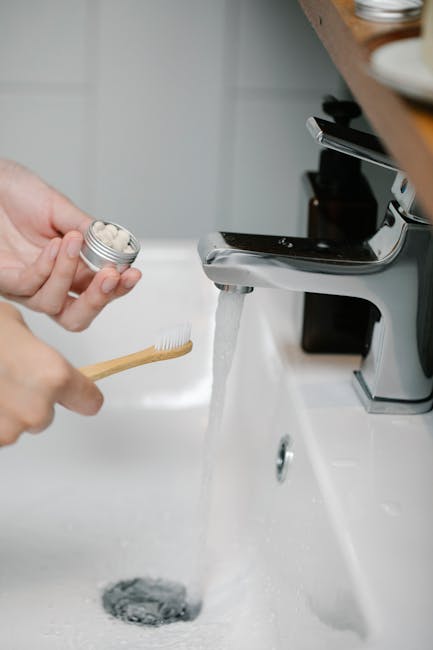
If you or a loved one is on a ventilator, preventing ventilator-associated pneumonia (VAP) is one of the most important things you can focus on. This type of pneumonia can be serious, but there are clear steps you can take to reduce the risk.
Understanding how VAP develops and what you can do to stop it can make a big difference in recovery and health. Keep reading to discover simple, effective ways to protect yourself or someone you care about from this dangerous infection.
Your knowledge could save a life.
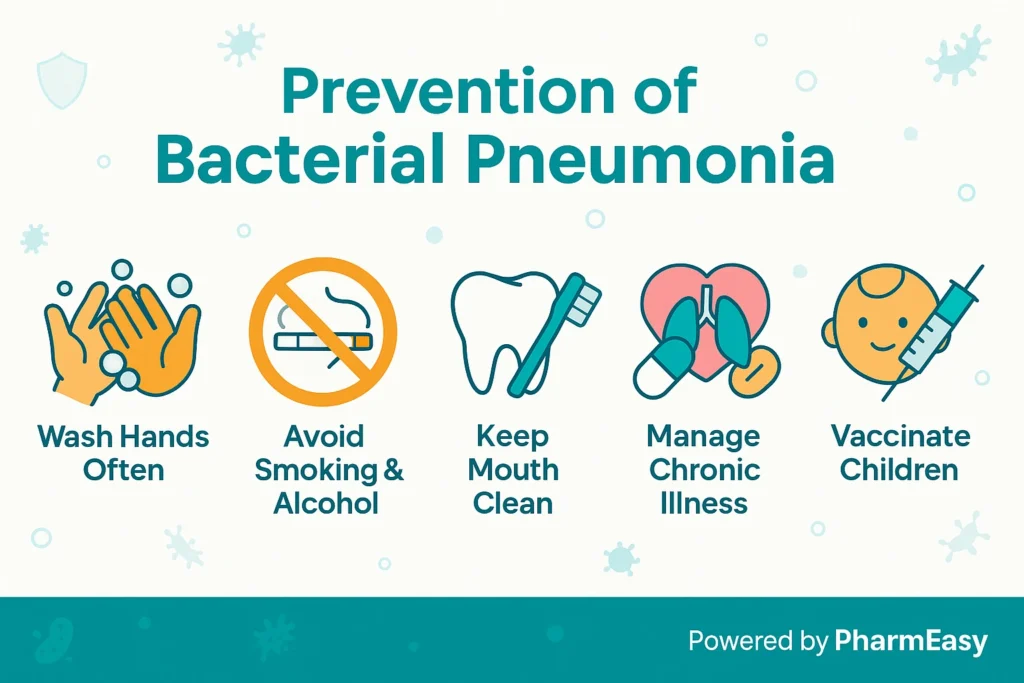
Credit: pharmeasy.in
Causes Of Ventilator Pneumonia
Ventilator pneumonia is a serious infection in patients using mechanical ventilation. It develops from several causes that allow bacteria to enter the lungs. Understanding these causes helps in preventing this dangerous condition.
Bacterial Colonization
Bacteria can grow on the patient’s mouth, throat, and airway. These germs move into the lungs through the breathing tube. The longer the ventilation, the higher the risk of bacterial buildup. This colonization leads to infection and inflammation in the lungs.
Aspiration Risks
Aspiration occurs when fluids or food enter the lungs by mistake. Patients on ventilators often have weak cough reflexes. This makes it easier for secretions from the mouth or stomach to reach the lungs. Aspiration brings harmful bacteria directly into the lungs, causing pneumonia.
Ventilator Circuit Contamination
The ventilator machine has tubes and circuits that deliver air. These parts can collect dust, moisture, and germs. If not cleaned properly, they become a source of infection. Contaminated equipment passes bacteria to the patient’s lungs during ventilation.

Credit: www.vhtc.org
Risk Factors To Watch
Understanding the risk factors for ventilator-associated pneumonia (VAP) is key to preventing it effectively. Some risks are beyond control, but many can be managed with careful attention. Let’s look at the main factors that increase the chance of VAP and what you should watch for.
Prolonged Ventilation
The longer a patient stays on a ventilator, the higher the risk of pneumonia. This happens because the breathing tube can allow bacteria to enter the lungs more easily over time.
Have you noticed how even a few extra days on a ventilator can change recovery outcomes? Minimizing ventilation time whenever possible lowers infection chances significantly.
Patient Immune Status
Your immune system plays a crucial role in fighting infections, including pneumonia. Patients with weakened immunity—due to illness, medications, or age—are more vulnerable to lung infections.
Think about how someone recovering from surgery or chemotherapy might have a harder time battling germs around the ventilator tube. Enhancing immune support can help reduce risk.
Underlying Health Conditions
Certain health problems, like diabetes or chronic lung disease, make patients more prone to ventilator pneumonia. These conditions impair the body’s ability to clear infections efficiently.
Have you encountered cases where a patient’s existing illness complicated their recovery? Monitoring and managing these conditions closely can lower VAP risk.
Hygiene Practices
Hygiene practices play a key role in preventing ventilator-associated pneumonia. Proper cleanliness reduces the risk of infection and keeps patients safer. Hospitals and caregivers must follow strict hygiene steps daily.
Hand Hygiene Protocols
Hands carry many germs that cause infections. Washing hands before and after touching patients or equipment is vital. Use soap and water or alcohol-based hand sanitizer. Clean hands thoroughly, including nails and between fingers. Follow these rules:
- Wash hands for at least 20 seconds.
- Use warm water and soap.
- Dry hands with a clean towel or air dryer.
- Sanitize hands if soap and water are not available.
Healthcare workers must wash hands before any procedure. This simple step cuts infection chances significantly.
Sterilization Of Equipment
Ventilators and breathing tubes need proper sterilization. Germs can grow on unclean devices and cause pneumonia. Use approved sterilization methods like autoclaving or chemical disinfectants. Follow these points:
- Clean equipment immediately after use.
- Use sterile covers when possible.
- Replace disposable parts regularly.
- Store equipment in clean, dry places.
Strict sterilization protects patients from harmful bacteria and viruses.
Oral Care Techniques
Oral hygiene helps prevent bacteria from entering the lungs. Regular mouth care reduces infection risks in ventilated patients. Use these techniques:
- Brush teeth gently twice daily.
- Use antiseptic mouthwash as recommended.
- Clean the tongue and gums carefully.
- Moisten the mouth to prevent dryness.
Good oral care lowers the chance of bacteria build-up and pneumonia.
Ventilator Management
Effective ventilator management plays a crucial role in preventing ventilator-associated pneumonia (VAP). Paying close attention to how the ventilator and its components are handled can significantly reduce infection risks. Let’s look at some key practices that can help you maintain a safer environment for patients on mechanical ventilation.
Proper Endotracheal Tube Placement
Ensuring the endotracheal tube is correctly positioned is essential. If the tube is too deep or too shallow, it can cause airway damage or improper ventilation, increasing infection risks.
Use chest X-rays or other imaging tools regularly to confirm placement. You might have noticed that even a slight tube misplacement can lead to secretions pooling, creating a breeding ground for bacteria. Checking cuff pressure is also vital—too low allows secretions to leak, too high can injure the trachea.
Regular Suctioning Methods
Secretions build up quickly and can harbor harmful microbes. Suctioning helps clear these secretions, but it must be done carefully to avoid introducing new bacteria.
Use sterile techniques and suction only when necessary to prevent trauma and contamination. Have you ever seen suctioning done without gloves or sterile equipment? That’s a common but risky practice. Using closed suction systems can reduce infection chances by limiting exposure to the environment.
Maintaining Ventilator Circuits
Keeping ventilator circuits clean and intact is often overlooked but critical. Dirty or disconnected circuits can allow bacteria to enter the airway.
Change circuits only when visibly soiled or malfunctioning rather than on a fixed schedule. This approach minimizes unnecessary disconnections, reducing infection risk. Also, avoid draining condensate back into the circuit; always drain it away from the patient to prevent contamination.
Positioning And Mobility
Proper positioning and mobility play a vital role in preventing ventilator-associated pneumonia. Keeping patients in the right position helps reduce the risk of fluid buildup in the lungs. Moving patients early and regularly promotes lung function and clears secretions. These simple steps support better breathing and lower infection chances.
Elevating The Head Of Bed
Raising the head of the bed between 30 and 45 degrees helps prevent fluid from entering the lungs. This position reduces the risk of stomach contents flowing back into the airway. It also improves lung expansion and breathing comfort. Nurses and caregivers should keep this position unless medically unsafe.
Early Mobilization Benefits
Getting patients moving early improves lung health and reduces infection risk. Even small movements, like sitting up or leg exercises, help clear mucus. Early mobility supports better blood flow and breathing muscle strength. It also lowers the chance of blood clots and pressure sores. Care teams should encourage movement as soon as possible.
Preventing Aspiration
Aspiration occurs when food or liquids enter the lungs, causing infection. Proper positioning helps keep stomach contents away from the airway. Using suctioning and oral care reduces bacteria and secretion buildup. Avoid feeding patients lying flat. Careful monitoring prevents accidental aspiration and protects lung health.
Antibiotic Stewardship
Antibiotic stewardship plays a vital role in preventing ventilator-associated pneumonia. Proper use of antibiotics reduces the risk of infections. Effective strategies include regular monitoring and timely interventions.
Antibiotic stewardship plays a crucial role in preventing ventilator-associated pneumonia (VAP). This strategy ensures that antibiotics are used effectively and responsibly, minimizing the risk of developing resistant infections. By focusing on smart antibiotic use, monitoring resistance patterns, and customizing treatment plans, healthcare providers can make a significant impact.Judicious Use Of Antibiotics
Using antibiotics wisely is vital. Overuse or misuse can lead to antibiotic resistance, making infections harder to treat. Healthcare providers should prescribe antibiotics only when absolutely necessary, ensuring that each prescription is based on clear clinical evidence. Ask yourself: Are antibiotics always the first line of defense? Sometimes, less aggressive treatments can be just as effective without the risk of resistance.Monitoring For Resistance
Tracking resistance patterns is essential for effective antibiotic stewardship. Regularly reviewing local data on antibiotic resistance helps in making informed decisions about treatment options. Imagine a scenario where an unexpected resistance pattern emerges. Being proactive in monitoring can prevent it from becoming a widespread issue.Tailoring Treatment Plans
Every patient’s treatment should be personalized. By adjusting antibiotic therapy based on the patient’s specific needs and the sensitivity patterns of bacteria, you can improve outcomes and reduce the risk of resistance. Consider how a one-size-fits-all approach might fall short. Tailored treatment plans ensure that you’re not just treating the infection, but also protecting future patients from the threat of resistant bacteria. Antibiotic stewardship is a powerful tool in the fight against ventilator-associated pneumonia. By being thoughtful in our approach, we can help safeguard both individual patients and broader public health.Staff Training And Awareness
Staff training and awareness play a key role in preventing ventilator-associated pneumonia. Well-trained staff understand risks and follow best practices. Consistent education helps maintain high care standards. Awareness reduces errors and improves patient safety.
Regular Education Sessions
Hold frequent training sessions for all healthcare staff. Focus on infection control and ventilator care basics. Use easy-to-understand materials and real-life examples. Reinforce knowledge with quizzes and group discussions. Keep sessions short and focused to maintain attention.
Adherence To Protocols
Ensure every team member follows established care protocols strictly. Use checklists to guide daily ventilator management tasks. Monitor compliance through regular audits and feedback. Make protocols clear and accessible to all staff. Update guidelines based on the latest research and findings.
Team Communication Strategies
Encourage open communication among nurses, doctors, and respiratory therapists. Use briefings and debriefings to share patient status and care plans. Promote a culture where team members ask questions freely. Use simple language to avoid misunderstandings. Effective communication helps catch potential problems early.
Credit: www.droracle.ai
Frequently Asked Questions
What Is Ventilator-associated Pneumonia (vap)?
Ventilator-associated pneumonia (VAP) is a lung infection occurring in patients on mechanical ventilation. It develops 48 hours or more after intubation. VAP increases hospital stay, costs, and mortality. Preventing VAP is crucial for patient safety and recovery.
How Can Oral Hygiene Prevent Ventilator Pneumonia?
Maintaining oral hygiene reduces bacteria in the mouth, lowering VAP risk. Regular oral care with antiseptic solutions helps remove plaque and secretions. This practice limits bacterial colonization and infection in ventilated patients, improving overall respiratory health.
Why Is Head Elevation Important To Prevent Vap?
Elevating the head of the bed between 30 to 45 degrees reduces aspiration risk. Aspiration of secretions can cause pneumonia in ventilated patients. Proper positioning helps prevent fluid from entering the lungs, significantly lowering VAP incidence.
How Does Hand Hygiene Reduce Ventilator Pneumonia Risk?
Hand hygiene prevents the spread of harmful bacteria to ventilated patients. Healthcare workers must wash hands before and after patient contact. Proper hand washing limits cross-contamination and protects patients from infections like VAP.
Conclusion
Preventing ventilator pneumonia saves lives and improves recovery. Clean equipment and good hygiene reduce infection risks. Nurses and doctors must follow safety steps every time. Patients and families should understand these measures too. Small actions make a big difference in health outcomes.
Staying aware and careful protects patients from serious illness. Keep focusing on prevention to ensure safer care.



