
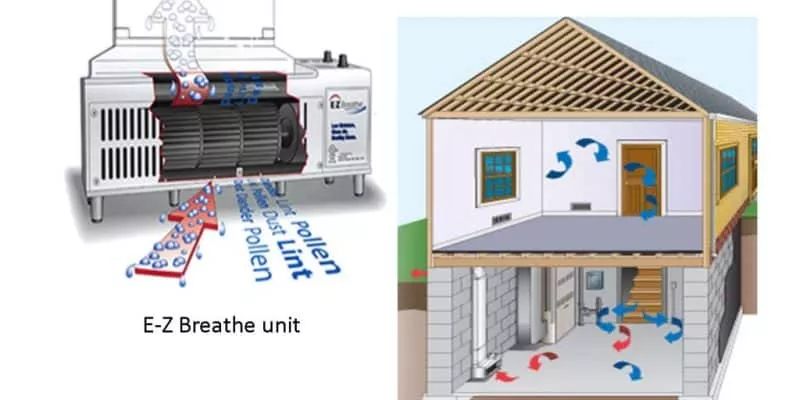
Are you struggling with a stuffy room that feels trapped and uncomfortable? Without windows, fresh air can seem impossible to get.
But what if you could breathe easy and keep your space feeling light and airy, no matter what? You’ll discover simple, practical ways to ventilate your room without windows. These tips will help you improve air quality, reduce odors, and create a healthier environment for you and your loved ones.
Keep reading to find out how you can transform your closed-off room into a fresh, inviting space right now.
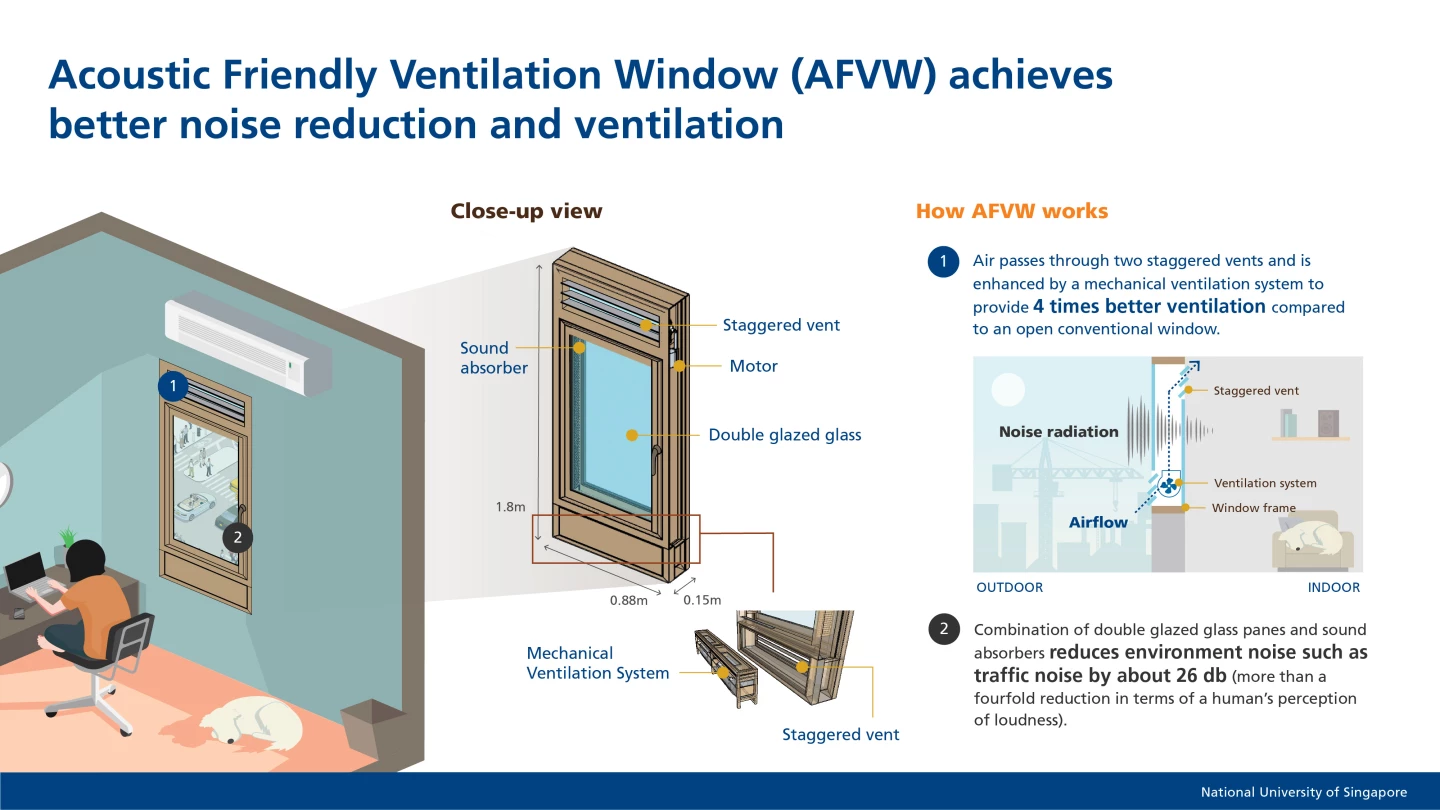
Credit: newatlas.com
Importance Of Ventilation
Ventilation keeps indoor air fresh and healthy. It removes stale air, moisture, and pollutants. Proper airflow helps prevent mold and mildew growth. It also reduces odors and keeps the room comfortable.
Without windows, air can become trapped. This causes stuffiness and poor air quality. Good ventilation improves breathing and overall well-being. It also protects furniture and walls from dampness damage.
Improves Air Quality
Ventilation removes dust, allergens, and harmful gases. It brings in clean air from outside or other rooms. This exchange reduces health risks and allergies.
Controls Humidity Levels
High humidity causes mold and damage. Ventilation helps balance moisture in the air. It keeps the room dry and safe.
Prevents Bad Odors
Stale air can cause unpleasant smells. Ventilation clears out odors from cooking, pets, or smoke. Fresh air keeps the room smelling clean.
Enhances Comfort
Good airflow lowers stuffiness and heat. It creates a more pleasant space to live or work. Proper ventilation keeps the room cool and fresh.

Credit: www.bladeair.com
Challenges Without Windows
Ventilating a room without windows is tougher than it sounds. Without natural airflow, stale air tends to build up quickly, making the space uncomfortable and sometimes unhealthy. You might not realize how much you rely on windows until they’re gone.
Limited Air Circulation
Without windows, fresh air struggles to enter the room naturally. This limits air circulation, causing the air inside to feel stuffy and heavy. Have you noticed how a windowless room can feel warmer or more humid even when the temperature outside is cool?
In my experience, sitting in a windowless office for hours made me feel sluggish and distracted. That’s because poor ventilation affects oxygen levels and air quality, directly influencing your comfort and focus.
Increased Moisture And Mold Risk
Rooms without windows often trap moisture from everyday activities like cooking, showering, or even breathing. This moisture can accumulate, leading to dampness and eventually mold growth if not managed properly.
Imagine trying to dry clothes inside a windowless room—moisture lingers and creates an environment where mold thrives. This is a challenge that can impact your health and damage walls or furniture.
Dependence On Mechanical Ventilation
Since natural airflow is limited, you must rely on mechanical solutions like fans, vents, or air purifiers. However, these devices require electricity and regular maintenance to work effectively.
Have you ever experienced a fan that just wasn’t strong enough to clear out the stale air? It highlights how essential it is to choose the right ventilation system and keep it running smoothly.
Difficulty Controlling Odors
Odors from cooking, pets, or even cleaning products can linger longer without windows to carry them away. This can make the room less pleasant and harder to keep fresh.
When I first lived in a windowless basement, I struggled with persistent cooking smells until I added a powerful exhaust fan. This simple change made a big difference in air freshness.
Use Of Exhaust Fans
Exhaust fans are a powerful tool to improve airflow in rooms without windows. They actively pull stale air out, making space for fresh air to enter from other parts of your home. Using exhaust fans can prevent stuffiness and reduce moisture buildup, which is crucial in spaces like bathrooms or basements.
How Exhaust Fans Work
Exhaust fans create negative pressure by pulling air out of a room. This action draws fresh air into the space through vents, door gaps, or adjoining rooms. Unlike passive ventilation, exhaust fans actively move air, making them more effective in windowless rooms.
Choosing The Right Exhaust Fan
Look for a fan that matches your room size to ensure efficient ventilation. Check the fan’s airflow rating, usually measured in cubic feet per minute (CFM). A higher CFM means more air is moved, which is better for larger or more humid rooms.
Installation Tips For Maximum Effectiveness
- Place the exhaust fan near the ceiling where warm, moist air collects.
- Make sure the fan vents air outside, not just into another room.
- Seal any gaps around the fan to prevent unwanted air leaks.
Maintaining Your Exhaust Fan
Keep the fan clean to maintain strong airflow. Dust and debris can clog the blades and reduce efficiency. Regularly check the vent path outside to ensure it’s clear of obstructions like leaves or nests.
Have you ever noticed a room feeling fresher right after turning on an exhaust fan? That immediate change shows how crucial these devices are, especially when windows aren’t an option. Installing one could be a simple fix that makes your space much more comfortable.
Credit: www.familyhandyman.com
Installing Air Vents
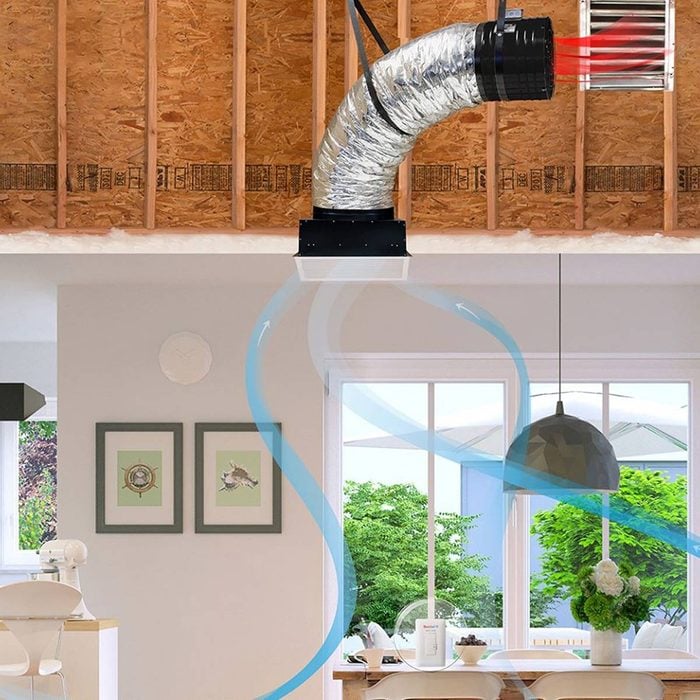
Installing air vents is a practical solution to bring fresh air into a room without windows. Air vents help move stale air out and allow fresh air to enter. This process improves air quality and reduces moisture buildup.
Proper placement and size of air vents are key for effective ventilation. Air vents can connect to other rooms or outdoor spaces to create airflow paths. Using vents with fans can further boost air movement.
Choosing The Right Air Vent Type
Select air vents designed for indoor use and proper airflow. Common options include:
- Wall vents that connect to adjacent rooms
- Ceiling vents linked to attic or duct systems
- Floor vents that allow air movement from below
Consider vent size based on room volume and airflow needs.
Positioning Air Vents For Maximum Airflow
Place vents at opposite ends of the room to encourage air movement. Low vents can bring in fresh air, and high vents let warm air escape. Avoid blocking vents with furniture or decorations.
Installing Vent Covers And Grilles
Use vent covers or grilles to protect vents from dust and debris. Choose designs that allow easy airflow and are simple to clean. Secure covers firmly to prevent rattling or damage.
Adding Fans To Air Vents
Install inline fans or exhaust fans inside vents to boost air circulation. Fans help pull stale air out or push fresh air in faster. Choose quiet models to maintain a peaceful room environment.
Portable Air Purifiers
Portable air purifiers help clean indoor air by removing dust, smoke, and allergens. They improve air quality in rooms without windows by circulating fresh air efficiently. These devices are easy to move and use anywhere for better breathing comfort.
Portable air purifiers can be a game-changer for rooms without windows. These devices are designed to filter out pollutants, allergens, and even odors, providing cleaner air to breathe. If you’re looking for an efficient way to enhance air quality in your enclosed space, portable air purifiers might be your best bet.Understanding Portable Air Purifiers
Portable air purifiers work by pulling in air, filtering it, and then releasing clean air back into the room. They can effectively trap dust, smoke, and pollen particles. Some models even come with additional features like UV light to kill bacteria and viruses.Choosing The Right Size
Size matters when selecting a portable air purifier. A unit that’s too small for your room won’t be effective, while an oversized one may be unnecessarily costly. Check the Clean Air Delivery Rate (CADR) and ensure it matches the room’s square footage for optimal performance.Types Of Filters
Different filters serve different purposes. HEPA filters are excellent for trapping fine particles and allergens. Carbon filters are great for eliminating odors and smoke. Consider what’s most important for your space and choose a purifier with the appropriate filter type.Maintenance And Care
Regular maintenance keeps your air purifier running efficiently. This often involves cleaning or replacing filters every few months. Check the manufacturer’s guidelines for specific maintenance tips to ensure long-lasting performance.Energy Efficiency
Energy efficiency is crucial, especially if you plan to run the purifier continuously. Look for models that are Energy Star certified. These units consume less power, saving you money on your energy bills while keeping your air fresh.Placement And Positioning
Where you place your air purifier can affect its performance. Position it in a central location for even air distribution. Avoid placing it against walls or in corners, as this can hinder airflow and reduce effectiveness.Additional Features
Modern air purifiers come with various features like air quality sensors, timers, and remote controls. These features can add convenience and improve your experience. Decide which features are essential for your needs and choose a model that includes them. Choosing the right portable air purifier involves considering factors like size, filter type, and energy efficiency. With the right choice, you can enjoy a healthier, fresher environment even in a windowless room.Creating Cross-ventilation
Creating cross-ventilation in a room without windows can improve air flow and reduce stuffiness. This method uses the movement of air between openings to refresh the space. It helps remove stale air and bring in fresh air from other parts of the building.
Cross-ventilation depends on having at least two openings in the room. These openings allow air to flow in and out, creating a natural breeze. The air moves from one side to the other, carrying heat and moisture away.
Positioning Doors For Airflow
Open doors on opposite sides of the room to create a clear path for air. Keep these doors open as much as possible. This allows fresh air to enter and push stale air out.
Use screens or mesh on doors to keep insects out while letting air pass. Choose doors that open wide to maximize airflow.
Using Vent Grilles And Transfer Vents
Install vent grilles or transfer vents in walls or doors. These help air move between rooms without large openings. They connect the room without windows to adjacent rooms with windows.
Make sure vents are not blocked by furniture or curtains. This ensures smooth air flow through the vents.
Adding Exhaust Fans For Better Movement
Use exhaust fans to pull air out of the room. Place them near the ceiling where hot air gathers. This helps remove warm, stale air quickly.
Combine exhaust fans with open doors or vents to create a flow of fresh air into the room.
Using Portable Fans To Direct Airflow
Place portable fans near doorways or vents to push air through the room. Point fans towards the exit to guide stale air out.
Fans increase the speed of air movement and improve ventilation. They are easy to move and adjust as needed.
Leveraging Door Gaps
Ventilating a room without windows can feel like a puzzle. But one simple trick you might overlook is using the gaps around your door. These small spaces can actually help air flow in and out, improving circulation without needing extra equipment.
Understanding The Role Of Door Gaps In Airflow
Door gaps act as natural channels for air to move between rooms. Even a narrow gap at the bottom or sides lets stale air escape and fresh air enter.
Think about your own home. Have you noticed how rooms with slightly open doors feel fresher? That’s the door gap at work. It’s a subtle but effective way to keep the air moving.
How To Maximize Air Movement Through Door Gaps
- Keep doors slightly ajar:Instead of shutting the door completely, leaving it open just a crack encourages steady airflow.
- Use door sweeps strategically:If your door has a heavy sweep blocking airflow, replace or adjust it to allow air to pass while keeping pests out.
- Create cross-ventilation:Open doors in adjoining rooms to let air flow through multiple gaps, enhancing circulation.
Simple Tools To Boost Ventilation Via Door Gaps
Adding a small fan near the door gap can push air through the opening, speeding up ventilation. A floor fan angled at the gap works well.
Alternatively, consider installing a door grille. It allows air to pass freely without compromising privacy or security.
Common Mistakes That Block Door Gap Ventilation
- Sealing all door gaps with weatherstripping or draft stoppers can trap stale air inside.
- Placing heavy rugs or furniture too close to the door blocks airflow.
- Forgetting to open interior doors reduces the potential for cross-room air exchange.
Have you ever tried leaving your door slightly open to freshen a room? You might be surprised how much difference this small change makes in a windowless space.
Using Indoor Plants
Indoor plants help freshen the air by absorbing carbon dioxide and releasing oxygen. They also increase humidity, making the room feel more comfortable. Placing plants near doorways or vents improves natural airflow in spaces without windows.
Using indoor plants to ventilate a room without windows can be a smart choice. Plants not only enhance air quality but also bring nature indoors. They can help create a more pleasant and breathable environment. Many indoor plants have air-purifying qualities. They absorb carbon dioxide and release oxygen, freshening up the air. Let’s explore how to use indoor plants effectively for ventilation. `htmlChoose The Right Plants
Select plants known for their air-purifying abilities. Spider plants, snake plants, and peace lilies work well. These plants are easy to care for and thrive indoors. They can remove toxins and improve air quality. htmlProper Placement
Place plants strategically around the room. Ensure they receive enough indirect sunlight. Near the center of the room or corners often works best. This helps circulate fresh air throughout the space. htmlMaintain Your Plants
Regularly water and prune your plants to keep them healthy. Dust leaves gently to allow better air exchange. Healthy plants perform better in purifying the air. htmlGroup Plants Together
Grouping plants can enhance air-purifying effects. They create a mini ecosystem and support each other’s growth. This setup can significantly improve air circulation in the room. htmlUse Plant Stands
Elevate plants with stands or shelves. This maximizes space and allows better air flow. It also adds an aesthetic touch to your room. htmlConsider Plant Types
Dehumidifiers And Humidity Control
Controlling humidity is key to ventilating a room without windows. High moisture levels cause mold, odors, and discomfort. Dehumidifiers remove excess moisture and improve air quality. They help keep the room dry and fresh.
Using a dehumidifier is simple and effective. It pulls moist air inside, cools it to remove water, and releases dry air back. This process lowers humidity and prevents dampness.
Choosing The Right Dehumidifier Size
Select a dehumidifier that fits your room size. Small units work for closets or bathrooms. Large rooms need bigger machines with higher capacity. Check the square footage and moisture level before buying.
- Small rooms (up to 300 sq ft): 20-pint dehumidifier
- Medium rooms (300-500 sq ft): 30-pint dehumidifier
- Large rooms (500+ sq ft): 50-pint or more
Placement For Best Humidity Control
Place the dehumidifier in an open area inside the room. Avoid corners or behind furniture. Keep it away from walls for better airflow. Ensure the water tank is easy to empty or connect to drainage.
Maintaining Proper Humidity Levels
Ideal indoor humidity is between 30% and 50%. Use a hygrometer to monitor levels. Adjust dehumidifier settings to keep humidity in this range. Too low humidity can cause dry skin and discomfort.
Extra Tips For Humidity Control
- Run the dehumidifier regularly for consistent dryness.
- Clean filters often to maintain efficiency.
- Use moisture absorbers like silica gel or charcoal bags.
- Seal cracks and gaps to prevent moisture entry.
Regular Cleaning And Maintenance
Regular cleaning and maintenance keep air flowing freely in rooms without windows. Dust, dirt, and debris can block vents and fans. This reduces airflow and causes stale air to build up. Clean spaces feel fresher and healthier. Small efforts make a big difference in air quality.
Check air filters often. Replace or clean them to ensure good ventilation. Wipe down vents and fan blades to remove dust. Clean floors and surfaces regularly to reduce dust buildup. Remove clutter that blocks airflow around vents and fans.
Cleaning Air Filters And Vents
Air filters trap dust and particles. Dirty filters limit airflow and reduce fan efficiency. Remove filters and clean them with water or replace if needed. Wipe vent covers with a damp cloth to clear dust.
Maintaining Fans And Air Circulators
Fans move air and help ventilation. Dust collects on blades and motors. Turn off and unplug fans before cleaning. Use a soft brush or cloth to clean blades. Check for loose screws or parts and tighten them.
Removing Dust And Debris
Dust settles on floors, furniture, and corners. Use a vacuum or mop regularly. Focus on areas near vents and fans. Use microfiber cloths to trap dust instead of spreading it. Keep the room tidy to support airflow.
Inspecting And Clearing Air Pathways
Check for objects blocking vents or fans. Move furniture or items that block air movement. Keep pathways open for air to circulate freely. Regularly inspect these spaces to avoid airflow issues.
Frequently Asked Questions
How Can I Ventilate A Room Without Windows?
Use portable fans and air purifiers to circulate and clean air. Install a ductless ventilation system or use door gaps to allow airflow. Adding houseplants also improves indoor air quality naturally.
What Devices Help Improve Airflow In Windowless Rooms?
Portable fans, air purifiers, and dehumidifiers enhance airflow and air quality. Exhaust fans and ductless ventilation systems also remove stale air and bring in fresh air efficiently.
Can Houseplants Aid Ventilation In Rooms Without Windows?
Yes, houseplants absorb carbon dioxide and release oxygen, improving air quality. Some plants also filter harmful toxins, creating a fresher and healthier indoor environment naturally.
Is It Safe To Use Exhaust Fans In Windowless Rooms?
Yes, exhaust fans are safe and effective in removing stale air. Ensure proper installation to vent air outside or into a ventilation shaft for best results.
Conclusion
Good airflow improves health and comfort indoors. Use fans and air purifiers to help move air. Keep doors open to let fresh air in. Houseplants can also clean the air naturally. Small steps make a big difference in ventilation. Try these tips to keep your room fresh.
Enjoy a healthier, cleaner space every day.



