

Have you ever wanted to turn your favorite photo into a stunning piece of art? Printing a photo on canvas is a simple way to bring your memories to life and decorate your space with something truly personal.
Whether it’s a family portrait, a travel snapshot, or a special moment, you can create a beautiful canvas that captures those emotions perfectly. You’ll discover easy steps and insider tips to help you print your photo on canvas with confidence.
Keep reading to learn how to make your walls speak your story.
Credit: www.canvaspeople.com
Choosing The Right Photo
Choosing a clear, high-quality photo ensures your canvas print looks sharp and vibrant. Select images with good lighting and simple backgrounds for the best results.
Choosing the right photo for your canvas print is like setting the stage for a masterpiece. The image you select will ultimately determine the impact of the final piece. Whether it’s a cherished family memory or a stunning landscape, the choice of photo deserves thoughtful consideration.High Resolution Importance
High resolution is key when printing photos on canvas. Low-resolution images can result in blurry or pixelated prints, which can be disappointing. Always aim for the highest quality image possible—this ensures every detail is crisp and clear. Think about the size of the canvas. Larger prints demand higher resolution. If you’re unsure about your photo’s quality, checking its DPI (dots per inch) can help. Aim for at least 300 DPI for the best results.Selecting The Subject
Choosing the right subject can make or break your canvas print. Personal photos, like family portraits or travel snapshots, add sentimental value. Meanwhile, abstract or artistic shots can create a unique focal point in a room. Consider where the canvas will hang. A serene landscape might suit a quiet reading nook, while a vibrant cityscape could energize your living room. How do you want the space to feel? Let that guide your subject choice.Color Vs Black And White
Deciding between color and black and white is more than just an aesthetic choice. Color photos can evoke emotion and bring life to a space, while black and white images offer timeless elegance and focus attention on texture and composition. Think about the mood you wish to convey. A black and white portrait might highlight the depth of a person’s expression, whereas a colorful sunset could bring warmth and vibrancy. Where do you want the viewer’s eyes to linger? Remember, the choice of photo sets the tone for your canvas print. Choose wisely, and you’ll create a piece that not only decorates but also inspires.Preparing The Image
Preparing your image before printing it on canvas is a crucial step to ensure the final product looks stunning. This process involves refining the picture so it maintains clarity, color accuracy, and the right composition for the canvas size. Taking time here saves frustration later and helps your photo truly shine on the wall.
Editing Basics
Start by opening your photo in an editing program that you feel comfortable with. Simple tools like Photoshop, Lightroom, or even free apps like GIMP can do the job well. Focus on removing any obvious flaws such as dust spots or red-eye to make your image cleaner.
Keep the edits natural. Over-editing can make your photo look artificial once printed on canvas. Ask yourself if the changes enhance the image without taking away its original feel.
Adjusting Brightness And Contrast
Brightness and contrast adjustments help your image pop, especially on textured canvas material. Increasing contrast slightly can bring out details in shadows and highlights that might otherwise appear flat.
Be careful not to overdo it. Too much brightness can wash out the colors, and too much contrast can create harsh edges. Try small changes and preview the image at 100% zoom to see the real effect.
Cropping For Canvas Size
Canvas prints often come in standard sizes like 16×20 or 24×36 inches. Crop your photo to match these dimensions so it fits perfectly without unwanted white borders or awkward cuts.
Think about the focal point of your photo and place it strategically within the cropped area. This keeps the most important parts of your image visible and balanced. Do you notice how cropping changes the story your photo tells?
Selecting Canvas Material
Choosing the right canvas material plays a big role in the final look of your photo print. The canvas affects color, detail, and durability. Picking the best material ensures your photo stands out beautifully and lasts a long time.
Types Of Canvas
Canvas comes in different types, each offering unique qualities for photo printing.
- Cotton Canvas:Soft texture, natural feel, and good color absorption.
- Linen Canvas:Stronger and more durable with a fine texture.
- Polyester Canvas:Smooth surface, vibrant colors, and water-resistant.
Choose cotton for classic art style, linen for durability, or polyester for bright, sharp prints.
Texture And Finish Options
Texture changes how the photo looks and feels. Finish protects the print and adds style.
- Matte Finish:No shine, reduces glare, softens colors.
- Satin Finish:Slight shine, balances brightness and detail.
- Glossy Finish:High shine, enhances color depth and sharpness.
Texture can be smooth or rough. Smooth textures show more detail. Rough textures add artistic effects.
Credit: www.canvaspeople.com
Printing Methods
Choosing the right printing method can make a huge difference in how your photo looks on canvas. Each technique offers unique benefits, affecting color vibrancy, texture, and longevity. Understanding these options helps you decide what fits your vision and budget best.
Inkjet Printing
Inkjet printing is a popular choice for photo canvases. It sprays tiny droplets of ink directly onto the canvas, creating sharp and detailed images.
This method works well for small to medium-sized prints and provides vibrant colors. However, the inks can fade faster if not properly protected, so adding a UV-resistant coating is often necessary.
Giclée Printing
Giclée printing is a high-quality form of inkjet printing, often used by professional artists and photographers. It uses archival inks that last much longer and produce richer colors.
You’ll notice smoother gradients and a wider color range with Giclée prints, making them ideal for fine art reproductions. If you want your canvas to feel like a gallery piece, this method is worth considering.
Direct To Canvas Printing
Direct to canvas printing skips the paper step and prints the image straight onto the stretched canvas. This gives a textured, authentic look that mimics hand-painted art.
The process is fast and cost-effective, perfect if you want a bold statement piece without breaking the bank. Keep in mind, though, the texture of the canvas may slightly affect image sharpness compared to flat surfaces.
Choosing The Right Printer
Choosing the right printer is crucial when you want to print a photo on canvas. The quality of your print depends heavily on the printer’s capabilities. Picking a printer that matches your needs will save you time, money, and frustration.
Printer Specifications
Look closely at the printer’s resolution. Higher DPI (dots per inch) means more detail and sharper images. For canvas prints, aim for at least 1200 DPI to capture fine details in your photo.
Ink type also matters. Pigment-based inks last longer and resist fading better than dye-based inks. If your canvas will be displayed in sunlight, pigment inks are the safer choice.
Consider the printer’s ability to handle thick media. Canvas is thicker and more textured than regular photo paper, so not all printers can feed it properly. Check the maximum media thickness the printer supports before buying.
Professional Vs Home Printers
Professional printers offer superior color accuracy and durability. They often use more ink colors, which results in richer, more vibrant prints. If you want gallery-quality canvas prints, professional-grade printers are worth the investment.
Home printers are more affordable and easier to use. Many can produce good quality canvas prints if you choose the right model and use high-quality canvas sheets. Have you tested your home printer’s limits? Some surprising models perform better than expected.
Think about how often you’ll print. If it’s occasional, a home printer may suffice. For regular, large prints, a professional printer can save headaches and money on reprints.
Mounting And Stretching Canvas
Mounting and stretching canvas is a key step in turning a printed photo into a beautiful wall art piece. This process ensures the canvas stays tight and flat, highlighting every detail of your photo. Proper mounting prevents wrinkles and sagging that can ruin the final look.
Stretching also adds depth and dimension to your photo, making it stand out. Understanding different frame types and deciding between DIY or professional mounting helps achieve a polished result.
Frame Types
Several frame styles suit mounted canvas prints. The most popular include:
- Gallery Wrap:Canvas wraps around the frame edges. It shows the image on the sides for a modern look.
- Standard Frame:Canvas is stretched and placed inside a wooden or metal frame. It adds a classic border.
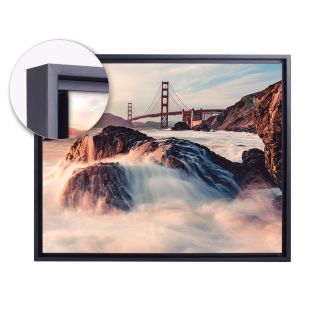
- Float Frame:Canvas floats inside a frame, leaving space between the canvas edge and frame.
Choosing the right frame depends on your photo style and room decor.
Diy Vs Professional Mounting
Mounting canvas yourself saves money and lets you control the process. You need a stretcher frame, staple gun, and patience. Follow these tips:
- Start by folding and stapling one side.
- Stretch the canvas tight before stapling the opposite side.
- Work your way around corners carefully to avoid wrinkles.
DIY mounting suits simple, small canvases but can be tricky for beginners.
Professional mounting offers expert results and saves time. Experts use proper tools and techniques. They ensure even tension and clean corners. This choice fits large or valuable prints that need perfect presentation.
Protecting Your Canvas Print
Protecting your canvas print is essential to keep your artwork looking vibrant and fresh for years. Without proper care, dust, sunlight, and moisture can damage the colors and texture. Taking a few simple steps can make a big difference in preserving your printed photo on canvas.
Varnish And Coatings
Applying a varnish or protective coating shields your canvas from dust, UV rays, and minor scratches. You can choose from matte, satin, or glossy finishes depending on the look you want. A satin finish, for example, offers a nice balance by reducing glare while enhancing color depth.
Using a spray varnish is an easy way to add this protective layer at home. Make sure to apply it in thin, even coats and allow each layer to dry completely. Have you tried this? Many find that varnishing brings out details they hadn’t noticed before.
Framing Options
Framing your canvas not only adds style but also protects the edges from damage. A floating frame creates a modern look by surrounding the canvas without covering any of the image. Meanwhile, a traditional frame with glass offers extra protection against dust and moisture.
Consider where you’ll hang the canvas when choosing a frame. If it’s in a high-traffic area, a sturdy frame can prevent accidental bumps. Have you thought about using UV-protective glass? It helps keep colors from fading if sunlight hits your canvas regularly.
Displaying Your Canvas Art
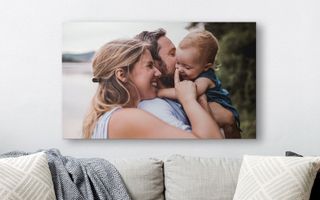
Displaying your canvas art thoughtfully can transform any space and highlight the beauty of your printed photo. It’s not just about hanging it on a wall; it’s about creating a focal point that draws attention and complements your room’s vibe. The way you place and light your canvas plays a big role in how it’s perceived.
Placement Tips
Start by choosing a spot where your canvas will naturally catch the eye. Think about walls that are free of clutter and have enough space for the size of your canvas. A large photo looks best on a plain wall, while smaller canvases work well in groups or gallery walls.
Consider the height at which you hang your canvas. Eye level is usually the best, about 57 to 60 inches from the floor to the center of the artwork. This makes it easier for viewers to appreciate the details without straining their necks.
Ask yourself: where do you spend the most time in your home? Placing your canvas in a living room, hallway, or even a home office can add personality to these spaces. Don’t forget to measure your wall space first to avoid awkward gaps or overcrowding.
Lighting Considerations
Good lighting can make your canvas photo pop. Natural light is ideal but avoid direct sunlight, which can fade colors over time. Position your canvas where it gets indirect daylight for a soft, natural glow.
If natural light is limited, add adjustable artificial lighting like track lights or picture lights. Aim the light at a 30-degree angle to reduce glare and shadows. This setup highlights the texture of the canvas and enhances color vibrancy.
Think about the mood you want to create. Warm lights can make your photo feel cozy, while cooler lights add a modern, crisp look. Experiment with different bulbs and angles until your canvas looks just right to you.
Credit: www.canvaspop.com
Frequently Asked Questions
How Do I Prepare My Photo For Canvas Printing?
To prepare your photo, choose a high-resolution image (300 dpi or higher). Edit for brightness, contrast, and crop to desired size. Save it in JPEG or PNG format for best printing results.
What Materials Are Used For Canvas Photo Prints?
Canvas prints typically use cotton or polyester canvas material. The photo is printed with UV-resistant inks, ensuring durability and vibrant colors that last for years without fading.
Can I Print Photos On Canvas At Home?
Yes, if you have a large-format inkjet printer and canvas sheets. However, professional printing services provide better color accuracy and durability for canvas photo prints.
How Long Does Canvas Photo Printing Take?
Printing time varies by service, usually between 1 to 5 days. Some offer same-day or express options, depending on your location and order complexity.
Conclusion
Printing a photo on canvas brings memories to life. It adds a personal touch to your space. Choose a clear, high-quality photo for best results. Use proper printing materials and follow steps carefully. Take time to prepare and position the photo well.
The process is simple and fun to try. Enjoy your unique artwork that lasts for years. A canvas print makes a great gift too. Start your project with confidence and creativity. Your photo will look beautiful on canvas.



