
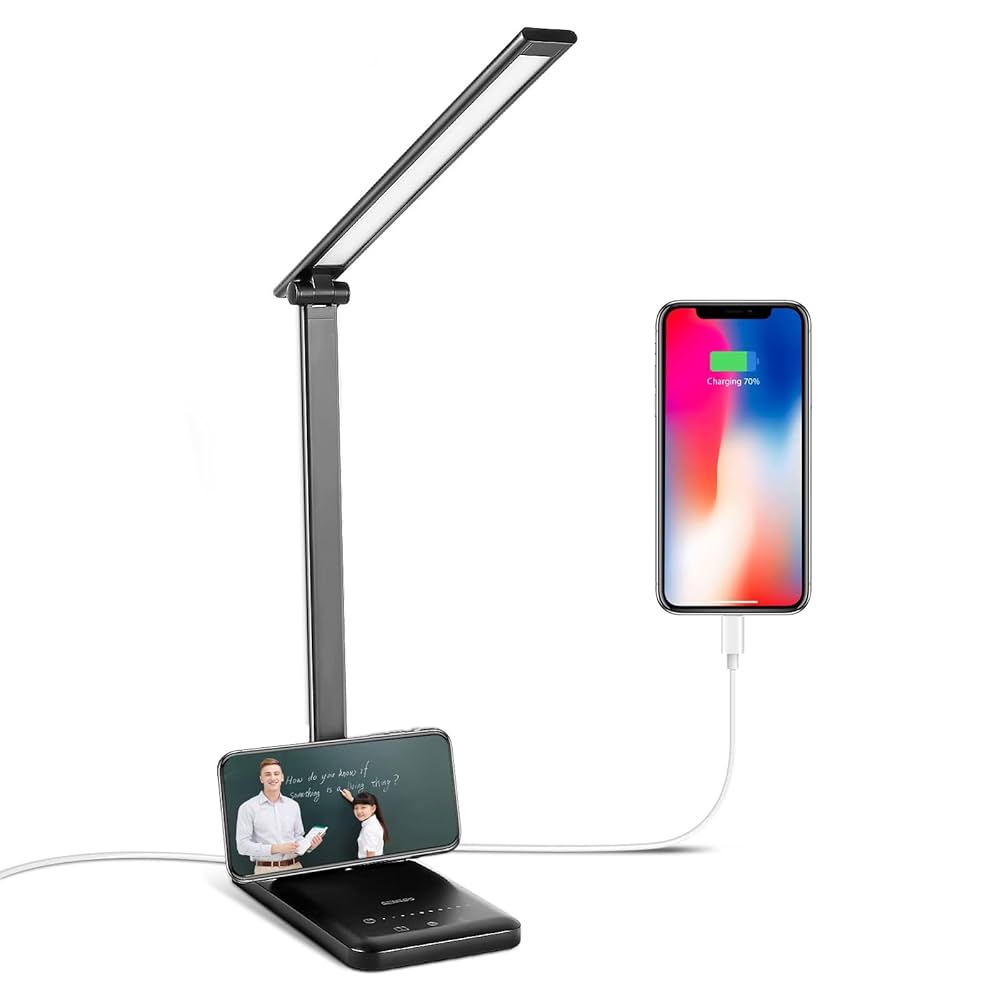
Are you struggling with eye strain or poor lighting while working or studying? How you use your desk lamp can make a huge difference in your comfort and productivity.
Getting the lighting right isn’t just about turning it on—it’s about using it properly to protect your eyes and boost your focus. You’ll discover simple but powerful tips to set up and use your desk lamp the right way. Keep reading to learn how a small change can transform your workspace and help you work smarter, not harder.
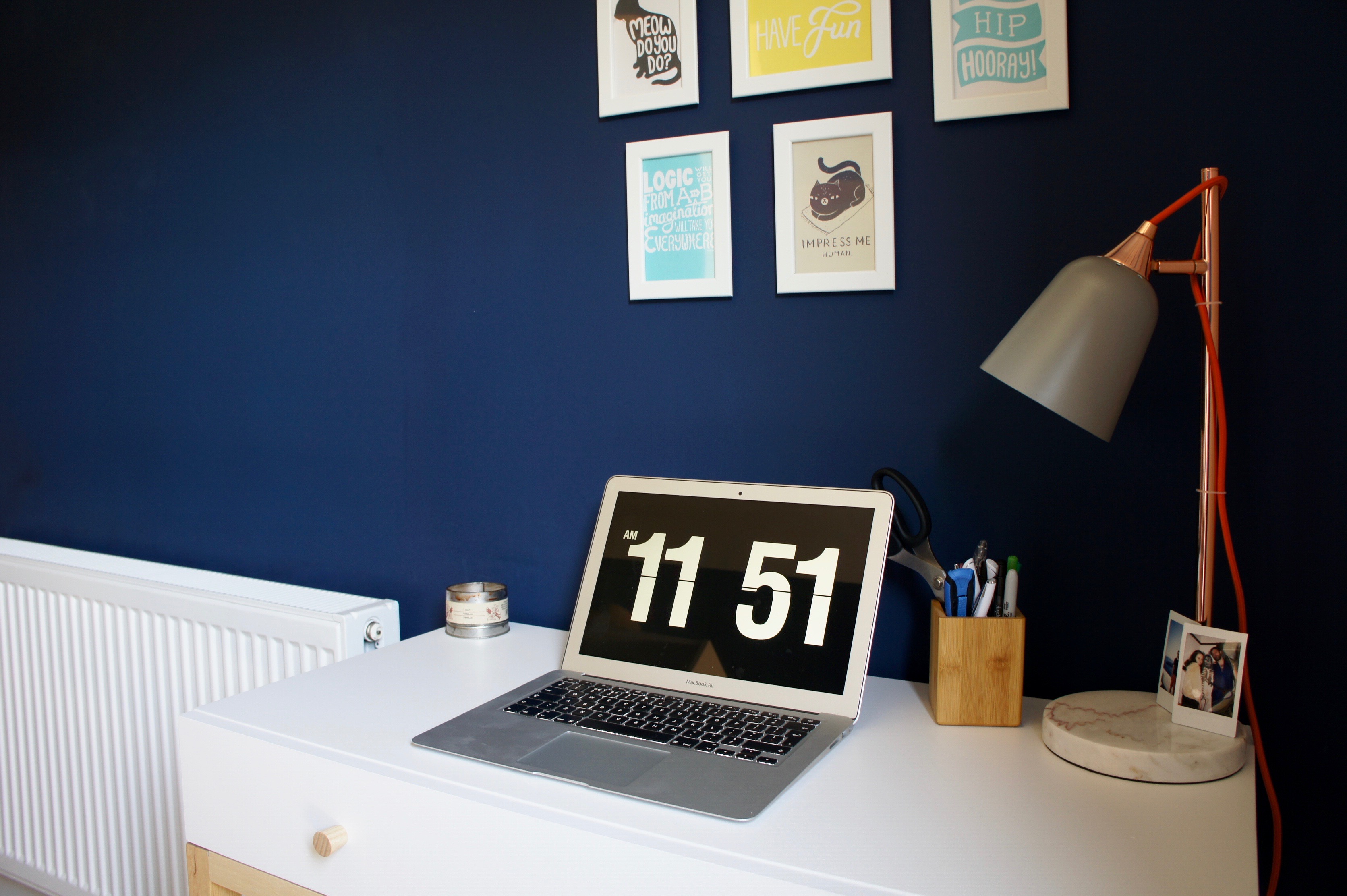
Credit: claireimaginarium.com
Choosing The Right Desk Lamp
Choosing the right desk lamp makes a big difference in your workspace. It affects how well you see and how comfortable you feel. A good lamp helps reduce eye strain and boosts focus. Knowing your options helps you pick one that fits your needs and style.
Types Of Desk Lamps
- Adjustable Arm Lamps:Flexible arms let you direct light where needed.
- Clamp Lamps:Attach to desks or shelves to save space.
- Traditional Base Lamps:Stand-alone lamps with a fixed light source.
- LED Desk Lamps:Energy-saving and long-lasting with bright, clear light.
- Architect Lamps:Designed for precision work with multiple joints for easy positioning.
Factors To Consider
- Size of your desk and available space.
- Adjustability for changing light angles.
- Brightness levels suitable for your tasks.
- Style that matches your room or office decor.
- Energy consumption and bulb type compatibility.
Best Bulb Options
| Bulb Type | Brightness | Energy Use | Eye Comfort |
|---|---|---|---|
| LED | Bright and clear | Low | Good, minimal flicker |
| Fluorescent | Moderate | Moderate | May cause flicker |
| Incandescent | Warm and soft | High | Comfortable but less bright |

Credit: www.amazon.com
Positioning Your Desk Lamp
Positioning your desk lamp correctly can transform your workspace, making it more comfortable and productive. The right placement not only brightens your tasks but also protects your eyes from strain. Let’s look at how to set up your lamp for optimal lighting and comfort.
Ideal Placement For Task Lighting
Place your desk lamp so the light hits your work surface directly. Aim for the lamp to be about 15 to 20 inches above your desk to cover a wide area without being too harsh. If you’re right-handed, position the lamp on the left side to avoid casting shadows with your hand, and vice versa if you’re left-handed.
Avoiding Glare And Shadows
Glare can cause headaches and reduce focus, so watch out for shiny surfaces that reflect light into your eyes. Use lamps with adjustable shades or diffusers to soften the brightness. Shadows happen when the light source is blocked—try moving the lamp or your materials around until you find a shadow-free spot.
Adjusting Height And Angle
Experiment with your lamp’s height and angle throughout the day as natural light changes. Lower the lamp for close-up tasks like reading or writing, and raise it for broader illumination. Tilting the lamp head lets you control where the light falls, helping you avoid eye strain and maintain concentration.
Optimizing Brightness And Color Temperature
Adjust brightness to avoid glare and eye strain while working. Choose a color temperature that matches your task—warm light for relaxing, cool light for focus. Proper settings help maintain comfort and productivity.
Optimizing the brightness and color temperature of your desk lamp is crucial. It can greatly affect your comfort and productivity. The right settings help reduce eye strain and improve focus. This section will guide you on how to adjust these settings effectively.Brightness Levels For Different Tasks
Every task requires a specific brightness level. Reading or writing needs a brighter light. A light around 450 lumens works well. For computer work, a dimmer light is better. Aim for around 250 lumens. Adjust your lamp to suit your task. This can prevent eye strain and improve concentration.Warm Vs Cool Light
Warm and cool lights serve different purposes. Warm light creates a cozy atmosphere. It’s ideal for relaxing or winding down. Cool light, on the other hand, boosts alertness. It’s perfect for tasks that need focus and attention. Choose a lamp with adjustable color temperature. This allows you to switch between warm and cool light.Using Dimmers And Controls
Dimmers offer flexibility in lighting. They let you control brightness levels easily. Use dimmers to match light with your current need. Some lamps also have touch controls. These allow quick adjustments with a simple tap. Choose a lamp with intuitive controls for easy operation. This ensures you always have the right light setting.Maintaining Your Desk Lamp
Maintaining your desk lamp ensures it works well and lasts longer. Regular care keeps the light bright and your workspace comfortable. Simple habits can prevent damage and save money on repairs.
Cleaning Tips
Unplug the lamp before cleaning. Use a soft, dry cloth to wipe dust off the lampshade and base. Avoid harsh cleaners that can damage the finish. For stubborn spots, slightly dampen the cloth with water. Clean the bulb gently to keep light clear.
Replacing Bulbs Safely
Always turn off and unplug the lamp before changing the bulb. Let the old bulb cool down to avoid burns. Check the lamp’s label for the correct bulb type and wattage. Insert the new bulb carefully to avoid breaking it. Test the lamp after replacement to ensure it works.
Troubleshooting Common Issues
If the lamp does not turn on, check if it’s plugged in properly. Inspect the bulb for any signs of damage or burnout. Try a different bulb to rule out bulb issues. Examine the power cord for frays or cuts. If the switch feels loose or does not click, it may need repair or replacement.
Enhancing Workspace With Desk Lamp
Enhancing your workspace with a desk lamp goes beyond just adding light. It transforms your environment, making it more functional and inviting. A well-placed desk lamp can reduce eye strain, boost focus, and even lift your mood as you work.
Combining With Natural Light
Natural light is ideal, but it doesn’t always reach every corner of your workspace. Using a desk lamp alongside daylight helps fill in shadows and prevents uneven lighting. Position your lamp to complement sunlight without creating glare on screens or papers.
Have you noticed how your energy dips when your workspace feels gloomy? Adding a desk lamp near a window can keep your area bright even on cloudy days or late afternoons. This balance helps maintain consistent lighting throughout your work session.
Creating Ambiance
Your desk lamp can set the tone for your work environment. Choose lamps with adjustable brightness or color temperature to match the mood you want—whether it’s focused and sharp or calm and cozy. Soft, warm light in the evening can help you wind down after a busy day.
Try experimenting with different lamp styles or bulb types to create the ambiance you prefer. You might find that a subtle glow encourages creativity, while a brighter setting keeps you alert. What kind of atmosphere helps you get into the zone?
Energy Efficiency Tips
Using your desk lamp efficiently saves energy and reduces electricity bills. Opt for LED bulbs—they use less power and last longer than traditional bulbs. Also, switch off the lamp when you step away, even for a few minutes.
Consider lamps with motion sensors or timers if you often forget to turn them off. This simple adjustment can cut unnecessary energy use without you having to think about it. How much could you save just by managing your lamp’s usage better?
Credit: www.lemon8-app.com
Frequently Asked Questions
How Do I Position A Desk Lamp For Best Lighting?
Place the desk lamp at a 45-degree angle from your work area. This reduces glare and shadows. Adjust height to illuminate your workspace evenly. Proper positioning helps prevent eye strain during tasks.
What Type Of Bulb Is Best For Desk Lamps?
Use LED bulbs for desk lamps. They are energy-efficient, long-lasting, and provide bright, consistent light. Choose bulbs with a color temperature between 4000K and 5000K for natural white light. This enhances focus and reduces eye fatigue.
How Can I Reduce Glare From My Desk Lamp?
To reduce glare, use lampshades or diffusers. Position the lamp so light doesn’t reflect directly into your eyes or screens. Opt for bulbs with lower brightness if needed. This prevents discomfort and improves visibility.
Should I Use A Desk Lamp With Adjustable Brightness?
Yes, adjustable brightness desk lamps offer flexibility. They allow you to customize light intensity based on the task. This saves energy and protects your eyes from strain. Dimming options improve comfort during extended work sessions.
Conclusion
Using a desk lamp properly helps you work better and feel less tired. Place the lamp where it lights your work without shining in your eyes. Choose the right bulb brightness for your tasks. Adjust the lamp’s angle to avoid shadows.
Good lighting protects your eyes and improves focus. Small changes can make a big difference in comfort. Try these tips and see how your workspace improves. Keep your desk lamp clean and check the bulb regularly. Bright, clear light makes work easier every day.



