
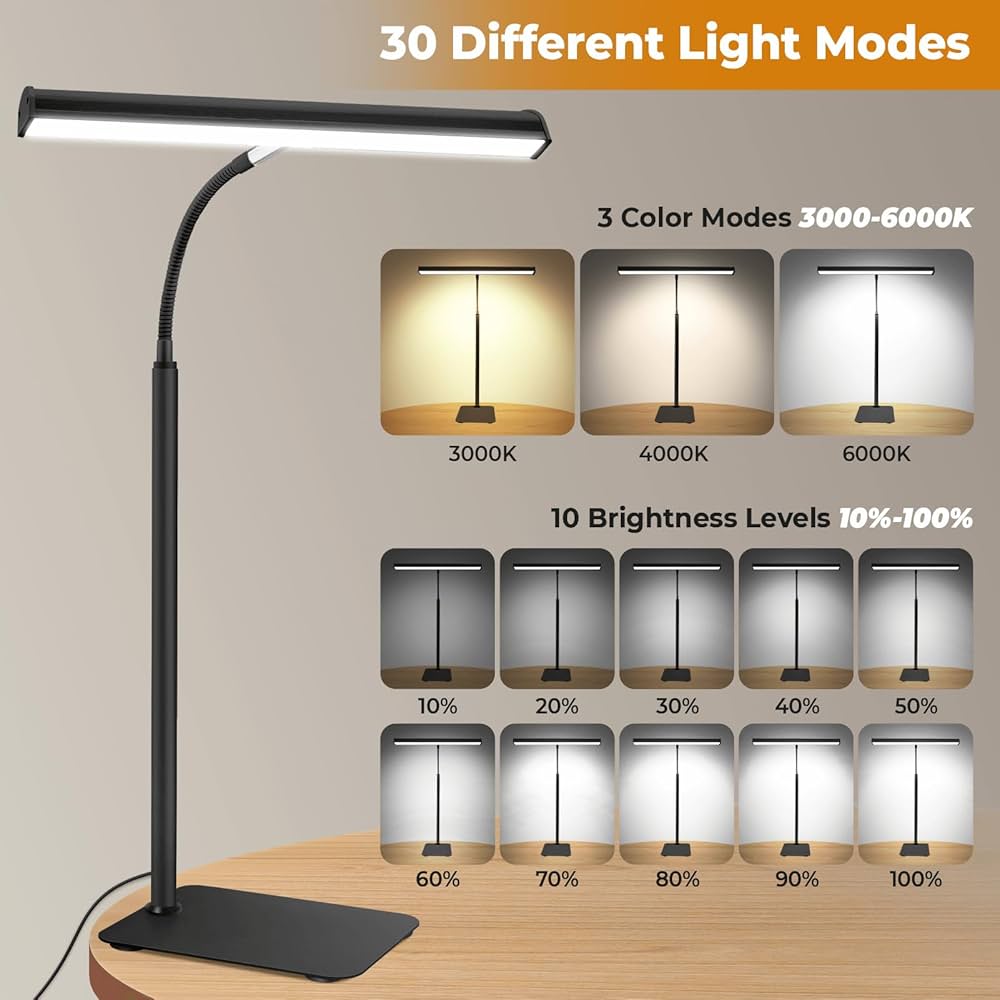
Are you struggling to find the perfect brightness in your desk lamp? Too dim, and you strain your eyes; too bright, and it becomes uncomfortable.
Knowing how to tell brightness in a desk lamp can make a huge difference in your work or study space. This guide will help you understand what to look for, so you can choose a lamp that suits your needs perfectly.
Keep reading to discover simple tips that will brighten your workspace—and your day.
Brightness Basics
Understanding brightness basics is key to choosing the right desk lamp for your needs. Brightness is more than just how much light a lamp emits; it involves several factors that affect how you perceive that light. Knowing these details helps you pick a lamp that’s comfortable for your eyes and effective for your tasks.
Lumens Vs Watts
Lumens measure the actual amount of light a lamp produces. The higher the lumens, the brighter the light. Watts, on the other hand, tell you how much energy a lamp uses, not how bright it is.
This means a 10-watt LED can be much brighter than a 40-watt incandescent bulb. When shopping for desk lamps, focus on lumens rather than watts to get the brightness level you want. Have you ever bought a lamp just because it said “40 watts,” only to find it was too dim? That’s why lumens matter.
Color Temperature
Color temperature describes the shade of the light—whether it’s warm, neutral, or cool. It’s measured in Kelvins (K). Lower Kelvins (around 2700K) give a warm, yellowish light, while higher Kelvins (5000K and above) offer a cooler, bluish light.
Your choice depends on the task and your mood. Warm light is great for relaxing, but cool light helps with focus and reading. What kind of light makes you feel most productive at your desk?
Cri And Light Quality
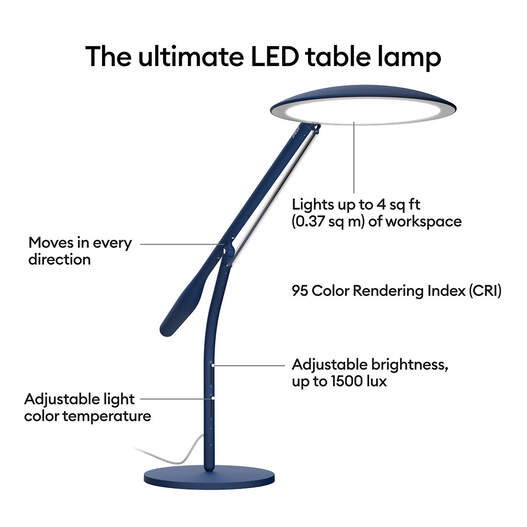
CRI stands for Color Rendering Index and measures how accurately a light source shows colors compared to natural light. A higher CRI (above 80) means colors look more vivid and true to life.
This matters if you work with color-sensitive tasks like drawing, crafting, or even picking out clothes. A lamp with a low CRI might make colors look dull or off. Next time you check a desk lamp, see if it lists the CRI—this little number can make a big difference in your work quality.
Measuring Desk Lamp Brightness
Measuring the brightness of a desk lamp helps find the right light for your needs. Brightness affects how well you see and your comfort while working or reading. Understanding different ways to measure brightness makes it easier to choose the best lamp. Here are some simple techniques to check how bright a desk lamp really is.
Using A Light Meter
A light meter measures the actual light falling on a surface. Hold the meter near your desk where the lamp shines. It shows brightness in lux or foot-candles. This gives a clear idea of how much light you get. Light meters are handy for precise and quick readings.
Comparing Lumens Ratings
Lumens indicate the total light output from a lamp. Check the packaging or product details for lumen numbers. Higher lumens mean a brighter lamp. Use lumens to compare different desk lamps easily. This helps decide which lamp suits your brightness needs.
Testing In Different Settings
Try the lamp in various rooms and times of day. Brightness may feel different in natural daylight or at night. Test near windows and in darker corners. Observe how well the lamp lights your workspace. This practical test shows how the lamp works in real life.
Choosing Brightness For Tasks
Brightness in a desk lamp affects how well you see your work. Choose a lamp that offers adjustable light levels for different tasks. Check the lamp’s brightness rating, usually measured in lumens, to find the right fit.
Choosing the right brightness for tasks at your desk is essential. Different activities need different levels of light. This ensures you can work comfortably and efficiently. Let’s explore the ideal brightness for specific tasks.Reading And Writing
Reading and writing require focused light. Look for a lamp with adjustable brightness. A range of 450 to 600 lumens is suitable. This level helps reduce eye strain. It also improves concentration. Make sure the light is evenly distributed. Avoid harsh shadows on your work.Computer Work
Computer work needs balanced lighting. Aim for a lamp with 300 to 500 lumens. This reduces glare on your screen. It also minimizes reflection. A lamp with a flexible neck is useful. Position it to avoid direct light on your eyes. Task lighting from the side works best.Crafts And Hobbies
Crafting and hobbies require bright, detailed lighting. Choose a lamp with 600 to 1,000 lumens. This helps you see fine details clearly. Adjustable arms are ideal for directing light. Consider lamps with color temperature options. Daylight settings work well for true color accuracy.
Credit: www.amazon.ca
Adjustable Brightness Features
Adjustable brightness features let you control light levels easily. These features improve comfort and help save energy. They also allow you to set the perfect brightness for different tasks. Understanding these features helps you choose the right desk lamp.
Dimmers And Controls
Dimmers let you increase or decrease brightness smoothly. Some lamps have touch controls for quick adjustments. Others use buttons or sliders for precise control. Dimmers help reduce eye strain by matching light to your needs.
Smart Lamps And Apps
Smart desk lamps connect to your phone or tablet. You can change brightness using an app. Some apps offer color temperature adjustments as well. Smart lamps often include timers and scheduling features. This adds convenience and customizes your lighting experience.
Memory And Presets
Memory features save your favorite brightness settings. The lamp turns on with the same brightness each time. Presets provide quick access to common light levels. This saves time and ensures consistent lighting for tasks. Ideal for study, reading, or relaxing.
Energy Efficiency And Lifespan
Understanding the energy efficiency and lifespan of your desk lamp helps you choose the right lighting for your needs and budget. Not all lamps are created equal, and knowing the difference can save you money and reduce your environmental footprint. Let’s look closely at how these factors affect your lamp’s brightness and overall value.
Led Vs Incandescent
LED lamps use less energy while producing the same amount of brightness as incandescent bulbs. They convert most of their energy into light, not heat, making them more efficient. If you want bright light without high electricity bills, LEDs are the clear choice.
Incandescent bulbs, on the other hand, waste a lot of energy as heat. They might give a warm glow, but they don’t last long. Have you ever had to replace a bulb just weeks after buying it? That’s usually the case with incandescent lamps.
Power Consumption
Power consumption is measured in watts. The lower the wattage for the same brightness, the more energy-efficient the lamp is. For instance, a 10-watt LED bulb can produce the same brightness as a 60-watt incandescent bulb.
Think about how many hours you use your desk lamp daily. Even a small difference in wattage can add up to significant savings over a year. Would you prefer to pay more upfront for a lamp that saves you money over time?
Lamp Longevity
LED lamps typically last between 15,000 to 50,000 hours. This means you could use the same lamp for years without needing a replacement. In contrast, incandescent bulbs usually last only about 1,000 hours.
Long-lasting lamps reduce waste and hassle. Imagine how many times you’d have to climb a chair to change a bulb if your desk lamp used incandescent lighting. Choosing a lamp with a longer lifespan can make your workspace more convenient and eco-friendly.
Credit: cricut.com
Lamp Placement And Brightness
Placing a desk lamp correctly affects how bright the light feels and works for your needs. Proper lamp placement helps spread light evenly across your workspace. It also reduces eye strain and makes tasks easier to do. Small changes in where you put your lamp can change how much light reaches your desk.
Optimal Distance
Keep the lamp about 12 to 18 inches from your work area. This distance gives enough light without being too harsh. Too close means the light is too strong and can hurt your eyes. Too far makes the light weak and less useful.
Avoiding Glare
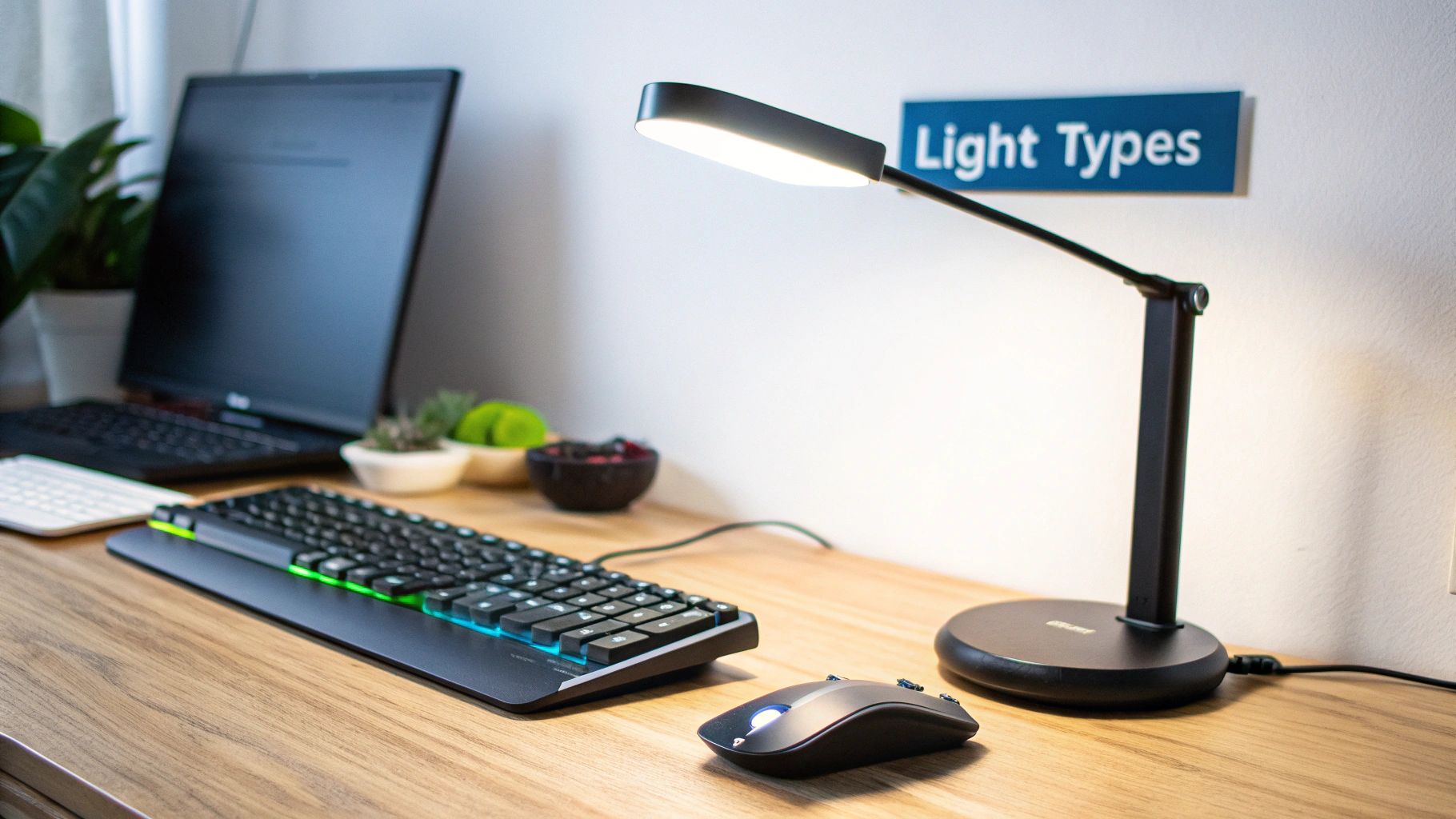
Place the lamp so light does not shine directly into your eyes. Position the lamp to the side or above your work. Use lampshades or diffusers to soften the light. Glare causes discomfort and makes it hard to focus.
Balancing Ambient Light
Match your desk lamp brightness with room lighting. Avoid having the lamp much brighter or dimmer than the rest of the room. Balanced light reduces shadows and eye strain. Adjust lamp brightness or move it to blend well with ambient light.
Credit: www.mount-it.com
Frequently Asked Questions
How Is Desk Lamp Brightness Measured?
Desk lamp brightness is measured in lumens. Lumens indicate the total light output. Higher lumens mean brighter light. Check the lamp’s packaging or specifications for lumens information.
What Lumen Level Is Ideal For Reading?
For reading, 450 to 800 lumens is ideal. This range provides clear, comfortable light. It reduces eye strain and improves focus during reading tasks.
Can Wattage Indicate Brightness In Desk Lamps?
Wattage shows energy use, not brightness. Different bulbs produce different lumens at the same wattage. Always check lumens for accurate brightness comparison.
How To Test A Desk Lamp’s Brightness At Home?
Turn on the lamp in a dark room. Observe the light spread and intensity. Use a smartphone app to measure lumens for precise results.
Conclusion
Choosing the right brightness for your desk lamp makes a big difference. Brightness affects how well you see and how your eyes feel. Check the lumens number to know how bright a lamp is. Consider what tasks you do at your desk.
Reading or writing needs more light than relaxing. Adjust the lamp or try different bulbs to find comfort. Good lighting helps you work better and feel less tired. Keep these tips in mind when picking your next desk lamp. Simple steps lead to better light and a happier workspace.



