
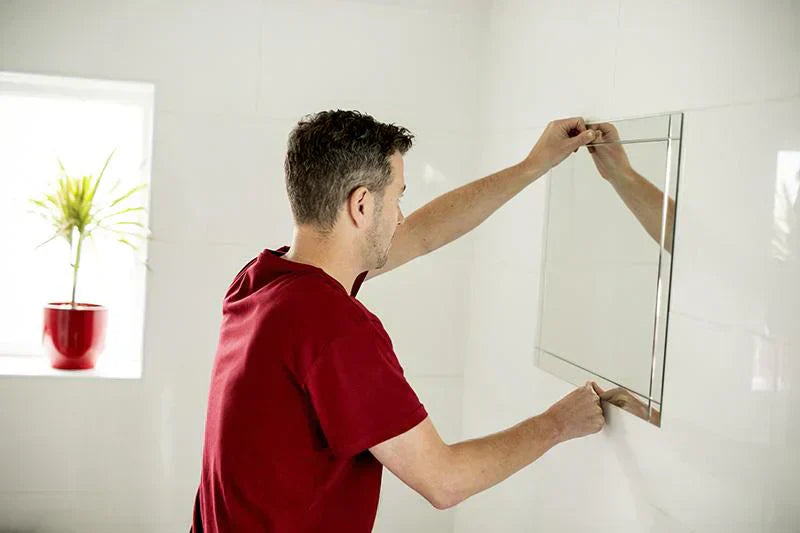
Want to hang a mirror on your wall but worried about making holes or damaging the surface? You’re not alone.
Many people want a stylish, secure way to display mirrors without nails. Luckily, there are simple, effective methods that let you do just that. You’ll discover easy tips and tricks to put up your mirror quickly and safely—no hammer or drill needed.
Keep reading, and you’ll find the perfect solution to make your space look amazing without the hassle.

Credit: ledmirrorworld.co.uk
Choose The Right Mirror
Choosing the right mirror is key to hanging it without nails. The mirror must suit your wall and the hanging method. A good choice reduces damage and keeps your mirror safe.
Consider Mirror Weight And Size
Lightweight mirrors work best for nail-free hanging methods. Large or heavy mirrors may need special hooks or adhesives. Check the mirror’s weight before buying.
Small mirrors fit well with adhesive strips or hooks. Bigger mirrors might require stronger support like wall-safe mounting tape. Always read the product limits for weight.
Select Frame Material
Frame material affects the mirror’s weight and hanging options. Plastic or resin frames are light and easier to hang without nails. Metal or wood frames are usually heavier.
Choose a frame that matches your wall type and hanging method. Lightweight frames reduce the risk of falling. They also work well with adhesive products.

Credit: bfymirror.com
Explore Damage-free Hanging Options
Discover simple ways to hang a mirror without damaging walls. Use adhesive strips or hooks that hold strong and peel off cleanly. These options keep your walls safe and your mirror secure.
Putting a mirror on the wall without nails is a smart choice. It keeps your walls intact and allows easy adjustments. There are many damage-free options available. These methods use adhesive materials and hooks. They ensure your mirrors stay put without harm.Adhesive Strips And Hooks
Adhesive strips and hooks offer a strong hold. They are easy to use. Clean the wall surface first. This ensures better adhesion. Press the strip onto the wall for a few seconds. Attach the mirror gently. These strips can support light to medium-weight mirrors. They’re perfect for smooth surfaces. Always check the weight limit on the package.Velcro And Double-sided Tape
Velcro strips are versatile. They provide a secure hold. Use them for small mirrors. Clean the area before applying. Attach one side to the wall. The other side goes on the mirror. Press them together firmly. Double-sided tape is another option. It works well for lightweight mirrors. Ensure the wall is smooth and clean. This ensures a secure grip.Command Hooks For Mirrors
Command hooks are popular for hanging mirrors. They are easy to apply. Choose hooks that match your mirror’s weight. Clean the wall surface. This helps the hook stick better. Press the hook to the wall for a few seconds. Let it set before hanging the mirror. These hooks are easy to remove. They leave no residue behind. Perfect for renters and homeowners alike.Prepare The Wall Surface
Preparing the wall surface is crucial before you hang a mirror without nails. The right preparation ensures your mirror stays put and your wall remains damage-free. Taking a few moments to get your wall ready can save you from future headaches and keep your home looking great.
Clean And Dry The Area
Start by wiping down the spot where you want to place the mirror. Use a mild cleaner or rubbing alcohol to remove dust, dirt, and grease. This step helps adhesives stick better and prevents your mirror from slipping off over time.
Make sure the wall is completely dry before you proceed. Moisture can weaken the adhesive and cause it to fail. Have you ever stuck something on a damp surface only to have it fall off later? Avoid that frustration by ensuring dryness.
Avoid Textured Or Uneven Walls
Mirrors need a smooth, flat surface to hold securely. Textured walls, like those with popcorn or heavy stucco, don’t provide enough contact for adhesives or hooks to grip properly.
If your wall is uneven, try to find a nearby flat area or consider using mounting options designed for tricky surfaces. You don’t want your mirror to lean or fall because the wall isn’t suitable. Have you checked how smooth your wall really is?
Step-by-step Hanging Process
Hanging a mirror without nails keeps walls clean and avoids damage. Follow a careful process to ensure the mirror stays secure and looks perfect. Preparation and attention to detail help the adhesive hold well. Safety and precision are key throughout the steps.
Mark Placement Without Nails
Hold the mirror against the wall where you want it. Use a pencil to lightly mark the edges or corners. A level tool helps make sure the mirror is straight. Remove the mirror and check marks for accuracy. These marks guide you during mounting.
Apply Adhesive Correctly
Choose a strong adhesive designed for mirrors and walls. Clean the back of the mirror and wall surface thoroughly. Dry both areas completely before applying adhesive. Apply glue in small dots or strips on the mirror back. Avoid applying too much to prevent mess or slipping.
Mount The Mirror Safely
Carefully align the mirror with your pencil marks on the wall. Press the mirror firmly against the wall for a few minutes. Use painter’s tape to hold the mirror in place while the glue dries. Follow adhesive drying time instructions exactly. Check the mirror is stable before removing support.
Tips For Heavy Or Large Mirrors
Heavy or large mirrors can feel like a challenge when you want to hang them without nails. Their weight demands extra care to keep them secure and prevent damage to your walls or the mirror itself. You’ll need more than just one trick—using the right support and thinking beyond traditional hooks can make all the difference.
Use Multiple Support Points
Spreading the weight across several points reduces stress on any single spot. Instead of relying on one adhesive hook or strip, attach multiple supports along the frame or back of the mirror.
- Place heavy-duty adhesive strips at the top corners and the center bottom for balanced hold.
- Check the weight limit on each strip and add enough to safely support your mirror’s weight.
- Press each strip firmly for at least 30 seconds to ensure strong adhesion.
Have you ever noticed a mirror slowly tilt or fall after being hung with just one strip? Multiple points prevent that and keep your mirror perfectly aligned on the wall.
Consider Alternative Supports
Think beyond adhesives and explore other options that don’t involve nails but still offer sturdy support.
- Lean it:Place your large mirror on the floor, leaning against the wall for a casual, stylish look.
- Use a mirror stand or easel:These supports can hold heavy mirrors safely and add a decorative touch.
- Command picture ledges:Set your mirror on a strong ledge designed to hold heavy frames without wall damage.
Are you ready to rethink how you display your mirror? Sometimes the best solution isn’t on the wall at all.

Credit: www.amazon.co.uk
Removal And Maintenance
Removing a mirror hung without nails requires care to protect your walls. Proper removal and maintenance keep the wall clean and damage-free. Taking time to remove adhesive hooks gently extends their usability. Maintaining the wall ensures it stays smooth and ready for future use.
Safely Remove Adhesive Hooks
Pull adhesive hooks slowly to avoid wall damage. Stretch the adhesive strip along the wall surface. This weakens the bond without peeling paint or wallpaper. Use a hairdryer to warm stubborn adhesive gently. Heat softens glue, making removal easier. Avoid sharp tools that can scratch the wall.
Clean And Preserve Wall Integrity
After hook removal, clean leftover residue carefully. Use a soft cloth with warm soapy water. Avoid harsh chemicals that can damage paint. For tough spots, try rubbing alcohol on a cotton ball. Let the wall dry completely before hanging new items. Check for any wall damage and repair small holes promptly. This keeps your wall smooth and fresh.
Common Mistakes To Avoid
Putting a mirror on the wall without nails can be simple. Avoiding common mistakes helps keep the mirror safe and the wall undamaged. Many people make errors that cause the mirror to fall or leave marks. Paying attention to details makes a big difference. Here are some key mistakes to watch out for.
Ignoring Weight Limits
Every adhesive or hook has a weight limit. Exceeding this limit risks the mirror falling off. Check the package for the maximum weight allowed. Use stronger options for heavy mirrors. Do not guess the weight; use a scale or estimate carefully. Safety matters most for mirrors above eye level.
Skipping Surface Preparation
Clean the wall before applying any adhesive. Dirt, dust, or grease reduce stickiness. Use rubbing alcohol or a mild cleaner for best results. Let the surface dry fully before sticking anything. Avoid textured or uneven walls as they hold adhesive poorly. Smooth, dry surfaces give the best grip and last longer.
Frequently Asked Questions
How Can I Hang A Mirror Without Using Nails?
You can use adhesive strips, hooks, or mounting tape designed for mirrors. These options avoid wall damage and hold mirrors securely.
What Types Of Adhesive Work Best For Mirrors?
Heavy-duty double-sided mounting tape or mirror adhesive gel works best. They provide strong support and are designed for smooth surfaces.
Can I Hang A Large Mirror Without Drilling Holes?
Yes, use strong adhesive hooks or specialized mirror mounting kits. Ensure the adhesive supports your mirror’s weight and size safely.
Will Adhesive Damage My Wall When Removing A Mirror?
High-quality removable adhesive strips peel off cleanly without damaging paint or drywall. Follow product instructions for safe removal.
Conclusion
Putting a mirror on the wall without nails is simple and safe. Use strong adhesive strips or hooks to avoid damage. Choose a clean, dry surface to help it stick well. Measure twice, place carefully, and press firmly. This method saves time and keeps walls neat.
Now, you can hang mirrors easily without tools. Enjoy your space with a fresh look.



