
Are you ready to make your Christmas tree shine brighter than ever? Putting up Christmas tree lights might seem simple, but doing it the right way can transform your whole holiday vibe.
Imagine your tree glowing evenly, with every branch sparkling just perfectly. In this guide, you’ll discover easy steps to wrap your tree with lights like a pro—no frustration, just festive magic. Keep reading, and by the end, your tree will be the star of your home this holiday season.
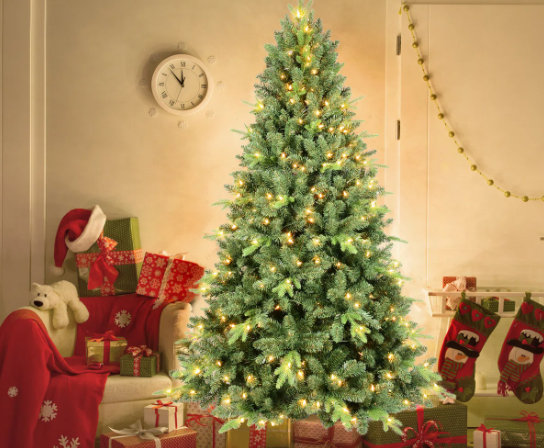
Credit: www.wayfair.com
Choosing The Right Lights
Choosing the right lights for your Christmas tree sets the tone for your holiday decor. The right lights brighten the tree and create a festive mood. Different types of lights offer unique styles and effects. Picking the correct length and color enhances your tree’s look. Energy efficiency and safety keep your home secure and reduce power use.
Types Of Christmas Lights
- Incandescent bulbs: Classic warm glow, less energy efficient.
- LED lights: Bright, long-lasting, use less electricity.
- Fairy lights: Small, delicate, perfect for a subtle sparkle.
- Net lights: Easy to drape, great for quick coverage.
- Icicle lights: Hang down like icicles, add a winter feel.
Selecting Light Length And Color
Measure your tree height before buying lights. Allow 100 lights per vertical foot for a full look. Choose colors that match your decorations or theme. White lights create a classic, elegant style. Multicolor lights add a fun, festive vibe. Warm colors feel cozy; cool colors feel crisp and modern.
Energy Efficiency And Safety
LED lights save energy and last longer than incandescent bulbs. Check for UL certification to ensure safety. Avoid lights with damaged wires or bulbs. Turn off lights when not in use to prevent overheating. Use outdoor-rated lights if placing the tree outside or near windows. Proper care extends light lifespan and protects your home.

Credit: www.youtube.com
Preparing The Tree
Preparing the tree sets the stage for beautiful Christmas lights. A well-prepared tree makes decorating easier and ensures lights look even and bright. Take time to set up the tree correctly and shape the branches for a full, balanced look.
Setting Up The Tree Securely
Start by choosing a sturdy tree stand. It should hold the tree upright without wobbling. Place the stand on a flat surface near a power outlet. Insert the trunk firmly into the stand. Tighten all screws or clamps to keep the tree steady. Check that the tree stands straight from all angles. A secure base prevents accidents and helps lights stay in place.
Fluffing And Spacing Branches
Pull each branch outward and shape it gently. This creates space for lights and ornaments. Separate branches evenly around the tree. Fill gaps by adjusting smaller branches closer to the trunk. Fluffed branches catch light better and make the tree look fuller. Avoid flattening the branches. Soft, rounded branches hold decorations nicely and improve light reflection.
Testing Your Lights
Check each string of lights before hanging to ensure all bulbs work. Replace any broken bulbs or faulty strands for a bright, even glow. This saves time and avoids dark spots on your tree later.
Putting up Christmas tree lights can be a joyful experience, but nothing dampens the festive spirit like a string of lights that won’t turn on. Before you drape those twinkling beauties over your tree, testing your lights is crucial. It saves time, ensures safety, and helps create a magical holiday atmosphere without any unwanted surprises. Let’s delve into how you can efficiently test your Christmas tree lights.Checking For Damaged Bulbs
Start by laying out the string of lights on a flat surface. Carefully inspect each bulb for any visible damage or missing bulbs. A single faulty bulb can affect the entire string. Gently twist each bulb to ensure it is secure in its socket. Loose bulbs can often be the cause of malfunctioning lights. Consider using a bulb tester, a handy tool that can quickly identify problematic bulbs without the need for guesswork.Ensuring Proper Functionality
Plug the string of lights into an outlet to check if they light up fully. If some sections are dark, it might be due to a loose bulb or a broken wire. Swap any non-working bulbs with spare ones from the same set to maintain the color and brightness consistency. Consider investing in LED lights if frequent bulb replacements are becoming a hassle. They’re known for durability and energy efficiency. Have you ever spent hours untangling lights only to find they didn’t work? Testing your lights before hanging them saves time and ensures your holiday decorating is stress-free. Enjoy the festive glow without the hassle!Lighting Techniques
Lighting your Christmas tree can transform your space into a warm, festive haven. The way you arrange your lights affects not only the tree’s look but also how the glow fills the room. Trying different lighting techniques can help you find the perfect balance between brightness and charm.
Wrapping Lights Around Branches
Wrapping lights around individual branches creates depth and highlights the tree’s natural shape. Start at the base of a branch and gently coil the lights along its length, moving toward the tip.
This method adds a twinkling effect and makes each branch stand out. It takes a bit more time, but the result is a tree that looks lively and full from every angle.
Using A Zigzag Pattern
A zigzag pattern involves draping the lights back and forth across the tree’s width. This technique helps distribute light evenly and is great if you want a bright, balanced glow.
Try stepping back frequently to check your progress. If you notice dark spots, adjust the lights to fill those gaps. Would you prefer a soft shimmer or a dazzling shine? The zigzag can be tailored to both.
Starting From The Bottom Or Top
Deciding where to start your lights can change the decorating flow. Starting from the bottom lets you work your way up, making sure the base is well-lit before reaching the top.
Alternatively, beginning at the top allows you to secure the end of your light strand neatly at the tree’s peak. Think about your access to power outlets and how easy it is to reach different parts of your tree.
Which approach feels more natural to you? Trying both in different years can keep your decorating routine fresh and enjoyable.
Securing And Hiding Wires
Securing and hiding wires is key to a neat, safe Christmas tree. Loose wires can look messy and cause accidents. Properly arranging wires keeps your tree beautiful and prevents tripping hazards. It also helps the lights stay in place throughout the holiday season.
Using Clips And Hooks
Clips and hooks help hold wires firmly on branches. Use small plastic clips designed for Christmas lights. Attach clips along the tree’s limbs to guide wires smoothly. Hooks can secure heavier cords or bundles of lights.
- Choose clips that match your wire color for a hidden look.
- Place hooks near the tree trunk to keep cords tight.
- Space clips evenly to avoid sagging wires.
These tools keep wires organized and stop them from dangling. They also make removing lights easier after the holidays.
Tucking Wires Into Branches
Gently push wires into the tree’s branches to hide them. The needles naturally cover the cords and make them less visible. Work slowly to avoid pulling lights off or damaging the branches.
- Start near the trunk and move outward as you tuck wires in.
- Use thicker branches to support wires better.
- Check that lights still shine brightly after tucking.
This technique blends wires with the tree’s shape. It creates a clean, magical look without extra tools. Your tree will sparkle with hidden lights and no messy cords.
Adding Extra Glow
Adding extra glow to your Christmas tree lights can transform your holiday decor from simple to spectacular. It’s not just about hanging lights but creating layers of brightness that catch the eye and warm the room. The right choices can make your tree the centerpiece of your festive celebrations.
Incorporating Different Light Types
Mixing different types of lights adds depth and interest to your tree’s glow. Combine classic warm white bulbs with twinkling LED lights to create a dynamic effect. You might also add some colored lights for a playful twist or use fairy lights to fill in smaller branches.
Think about the size and shape of bulbs too. Larger globe lights can serve as focal points, while tiny micro-lights act as delicate accents. Changing textures and light sizes keeps your tree from looking flat or monotonous.
Have you ever noticed how a single strand of lights can look dull, but multiple strands layered together create a magical shimmer? That’s the power of variety in your lighting.
Using Timers And Dimmers
Timers let you control when your tree lights turn on and off, saving energy and adding convenience. You can program them to light up just as guests arrive or at the start of a cozy evening. This way, your tree glows at the perfect moments without any extra effort.
Dimmers help you adjust the brightness to match your mood or the time of day. Bright lights can energize a room during a lively gathering, while a softer glow creates a relaxing atmosphere later on. Experiment with dimming to find the perfect balance that suits your space.
Imagine coming home after a long day and having your tree softly lit, welcoming you with warmth. Isn’t that the kind of glow you want every holiday season?
Safety Tips
Putting up Christmas tree lights can transform your home into a festive wonderland. However, safety should always come first to prevent accidents and keep your holiday joyful. Here are some essential safety tips to help you light up your tree without any risks.
Avoiding Overloading Circuits
It’s easy to get carried away with lights, but plugging too many strings into one outlet can cause electrical overload. Check the wattage limits on your light strings and your home’s circuits before connecting multiple strands.
Use power strips with built-in circuit breakers for added protection. If you notice flickering lights or warm outlets, unplug the lights immediately. Have you ever experienced a blackout caused by too many holiday lights? Avoid that hassle by spreading out your connections.
Keeping Lights Away From Flammable Materials
Christmas lights generate heat, which can be dangerous near flammable decorations like paper, dried pine needles, or fabric. Always place your lights carefully to avoid direct contact with these materials.
Consider using LED lights—they run cooler and reduce fire risks. Never leave your tree lights on unattended overnight or when you leave the house. How often do you check your decorations for signs of wear or damage? Regular inspection can prevent fires before they start.

Credit: www.youtube.com
Maintaining Your Lights
Keeping your Christmas tree lights shining brightly throughout the season takes some care. Proper maintenance not only saves you time but also ensures your holiday display stays cheerful and safe. Let’s dive into practical ways to handle common issues and store your lights efficiently.
Replacing Burnt-out Bulbs
Spotting a burnt-out bulb can be frustrating, especially when it causes a whole section of lights to go dark. Check your light strand carefully for dark or broken bulbs—they often cause the entire string to fail. Replace these bulbs with exact matches to keep the circuit intact and the lights glowing.
Have you ever tried swapping bulbs only to find the problem persists? That’s a sign to test the fuse or wiring next. Keep a small kit with spare bulbs and a tester handy—it saves last-minute trips to the store and keeps your decorations stress-free.
Storing Lights Properly After Use
How you store your lights affects their lifespan more than you might think. Avoid tangles and damage by wrapping lights around a sturdy piece of cardboard or using a dedicated reel. This simple step prevents knots and broken wires, making your setup smoother next year.
Store lights in a cool, dry place away from heavy boxes or sharp objects. Moisture and pressure can cause bulbs to crack or wires to deteriorate. Proper storage means you’ll spend less time fixing and more time enjoying your festive glow.
Frequently Asked Questions
How Do I Start Putting Lights On A Christmas Tree?
Begin by testing all light strands for functionality. Start at the tree trunk, wrapping lights around branches evenly from bottom to top.
What Type Of Lights Are Best For Christmas Trees?
LED lights are best. They use less energy, stay cooler, and last longer than traditional bulbs, ensuring safety and durability.
How Many Lights Do I Need For A Christmas Tree?
Use 100 lights per 1. 5 feet of tree height. Adjust quantity based on your desired brightness and tree fullness.
Should I Wrap Lights Around Branches Or Weave Them Through?
Weave lights through branches for a natural glow. Wrapping tightly can cause damage and uneven light distribution.
Conclusion
Putting lights on your Christmas tree can be fun and easy. Start at the bottom and work your way up. Use enough lights to make your tree bright and cheerful. Check that all lights work before hanging them. Remember to plug them into a safe outlet.
Take your time and enjoy decorating. Your tree will look warm and festive for the holiday season. A well-lit tree brings joy to any room. Now, you’re ready to create a cozy Christmas atmosphere. Happy decorating!



