
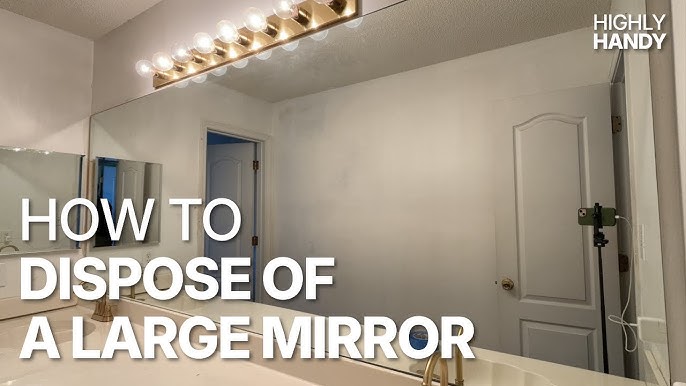
Removing a large mirror from your wall can feel like a tough and risky task. You might worry about breaking the glass or damaging your wall.
But with the right steps, you can do it safely and easily. If you want to protect yourself and your home while getting the mirror down, keep reading. This guide will show you exactly how to remove a large mirror without stress or mess.
By the end, you’ll feel confident and ready to handle the job like a pro.

Credit: www.youtube.com
Tools Needed
Removing a large mirror from the wall needs the right tools. These tools make the process safer and easier. Prepare everything before starting to avoid problems. The right equipment helps protect the mirror and the wall from damage.
Safety Gear
- Protective gloves to avoid cuts from glass edges
- Safety goggles to shield eyes from shards or dust
- Long sleeves to protect arms from scratches
- Closed-toe shoes for foot protection
Basic Tools
- Putty knife or thin pry bar to loosen the mirror
- Utility knife for cutting through caulk or adhesive
- Screwdriver set if the mirror is held by brackets
- Tape or suction cups for a better grip on the mirror
- Step ladder for reaching high mirrors safely
Adhesive Removal Supplies
- Adhesive remover or rubbing alcohol to dissolve glue
- Plastic scraper to gently remove residue without damage
- Clean cloths or paper towels to wipe the surface
- Warm soapy water for final cleaning after adhesive removal
Prepare The Area
Clear the area around the mirror to avoid accidents. Lay down a soft cloth or blanket beneath to catch any falling pieces. Ensure there is enough space to move and work safely.
Preparing the area is crucial before removing a large mirror from the wall. A well-organized space ensures a smooth and safe process. Follow these steps to make the area ready for mirror removal.Clear The Space
Remove all items around the mirror. This includes furniture, decorations, and anything on the floor. A clutter-free zone reduces the risk of tripping or damaging items. Keep the area spacious for easy movement.Protect The Floor
Lay down a drop cloth or old blanket under the mirror. This protects the floor from possible glass shards. It also helps cushion the mirror in case of accidental drops. Secure the cover with tape to prevent slipping.Gather Helpers
Ask friends or family to assist with the task. Mirrors are heavy and awkward to handle alone. More hands make lifting and moving safer and easier. Communicate clearly with your helpers to ensure everyone is on the same page.Inspect The Mirror
Before removing a large mirror from the wall, inspect it carefully. This step helps avoid damage and ensures safety. Knowing how the mirror is attached and its condition makes removal easier. Take your time and observe every detail.
Check Mounting Type
Look closely at how the mirror is fixed to the wall. Common types include:
- Clips or brackets holding the edges
- Adhesive backing directly on the wall
- Hooks or wire hanging from nails or screws
- French cleats or special mounting hardware
Understanding the mounting type helps you choose the right tools. It also prevents damage to the wall and mirror. If unsure, gently test if the mirror moves or feels loose.
Assess Mirror Condition
Check the mirror surface for cracks or chips. Examine the edges for any signs of weakness. Look behind the mirror for moisture or mold, especially in bathrooms.
Note any loose parts or damaged mounting hardware. This affects how carefully you must handle the mirror. A fragile mirror needs extra caution during removal. Keep safety gear ready, like gloves and goggles.
Loosen The Mirror
Loosening a large mirror from the wall is a delicate task that requires patience and the right approach. Before attempting to remove it, you need to ensure the mirror is detached safely without damaging the wall or the glass. Understanding how the mirror is held in place helps you decide the best way to loosen it.
Remove Screws Or Clips
Start by inspecting the edges of the mirror carefully. Many large mirrors are secured with screws or clips along the frame or directly into the wall.
Use a screwdriver to gently unscrew each fastener. If the screws feel stuck, apply a bit of penetrating oil and wait a few minutes before trying again.
Sometimes clips are hidden under decorative trim—try to pry these carefully using a flat tool to avoid cracking the mirror or damaging the wall.
Have you checked if the mirror has a frame that can be removed separately? Taking off the frame first often makes loosening the mirror easier and safer.
Cut Through Adhesive
If there are no visible screws or clips, the mirror might be glued to the wall with strong adhesive. This calls for a different approach.
Use a thin, flexible wire or a specialized adhesive cutting tool to gently saw through the glue behind the mirror. Slide the wire slowly and evenly to avoid cracking the glass.
Make sure to wear gloves and eye protection during this step. Adhesive can be stubborn, so patience is key—you might need to work the wire back and forth multiple times.
Have you considered that loosening the adhesive may take longer than expected? Taking your time here reduces the risk of breaking the mirror and causing injury.
Remove The Mirror
Removing a large mirror from the wall requires care and the right technique. The mirror can be heavy and fragile. Taking it down safely protects both you and the mirror. This section guides you through the safe removal process.
Lift Safely
Stand close to the mirror. Keep your feet shoulder-width apart for balance. Use your legs, not your back, to lift. Hold the mirror firmly on both sides. Avoid sudden movements or jerks. Ask for help if the mirror is too heavy. Moving slowly reduces the risk of damage or injury.
Handle With Care
Hold the mirror at its strongest points, usually the edges. Avoid pressing on the glass surface. Place the mirror on a soft, flat surface after removal. Use blankets or towels to protect it from scratches. Carry the mirror upright, not flat. Check for any cracks or loosened parts before moving it further.
Clean The Wall
After removing a large mirror, your wall may look far from perfect. Cleaning the wall thoroughly is essential before you think about repainting or rehanging anything else. This step helps you see the true condition of the surface and prepares it for any repairs or improvements you want to make.
Remove Residual Adhesive
Sticky glue or adhesive residue can be stubborn. Start by gently scraping off any thick chunks with a plastic scraper or an old credit card. Avoid metal tools to prevent damaging the wall’s surface.
If some adhesive remains, try applying a small amount of warm soapy water to soften it. Let it sit for a few minutes, then wipe with a damp cloth. For tougher spots, rubbing alcohol or adhesive removers designed for walls can work well—just test a small area first to make sure the product won’t damage your paint.
Repair Wall Damage
Large mirrors often leave holes or scratches behind. You’ll want to fill any holes with spackling paste or wall filler. Use a putty knife to smooth it out and let it dry completely.
After drying, sand the patched areas lightly to blend them with the rest of the wall. This step makes your wall ready for painting or wallpapering. Have you noticed how much better your walls look after just a little repair work?
Dispose Or Store Mirror
Deciding what to do with a large mirror after removal is important. You can either dispose of it safely or store it for later use. Both options need care to prevent damage or injury. Planning ahead helps keep the process smooth and stress-free.
Safe Disposal Methods
Mirrors contain glass that can break easily. Handle with thick gloves and protective clothing. Wrap the mirror in heavy blankets or bubble wrap to avoid shattering. Check local regulations for glass disposal rules. Many recycling centers accept glass but not mirrors. Mirrors have a reflective backing that complicates recycling.
Contact your waste management service for advice. Some places offer special pickup for large glass items. Never throw mirrors in regular trash without protection. Broken glass can harm workers and cause accidents. Consider donating the mirror if it is still in good condition. Local charities or thrift stores might accept it.
Storage Tips
Store mirrors in a dry, safe place. Avoid damp areas to prevent damage to the backing. Keep the mirror standing upright, not flat, to reduce pressure. Use padding such as foam or blankets around edges. Label the mirror clearly to avoid accidents during handling.
Choose a spot with minimal traffic to prevent bumps. Avoid stacking heavy items on the mirror. If possible, secure the mirror to a wall or stable surface. This prevents tipping and breaking. Regularly check the mirror during storage for any signs of damage.

Credit: www.youtube.com

Credit: www.angi.com
Frequently Asked Questions
How Do I Safely Remove A Large Mirror From The Wall?
To safely remove a large mirror, wear gloves and protective eyewear. Score the mirror edges with a utility knife. Loosen adhesive or screws gently and use a pry bar carefully to detach it without damage.
What Tools Are Needed To Remove A Large Mirror?
You need gloves, safety glasses, a utility knife, a pry bar, and possibly a screwdriver. These tools help cut adhesive, remove screws, and safely pry the mirror from the wall.
How Can I Avoid Wall Damage When Removing Mirrors?
Work slowly and use a utility knife to cut adhesive cleanly. Pry gently and support the mirror’s weight. Use painter’s tape on the glass to prevent shattering and protect the wall surface.
Can I Reuse A Large Mirror After Removal?
Yes, if removed carefully without cracks or chips. Clean the back thoroughly, and check for intact mounting hardware. Proper handling ensures the mirror stays usable and safe for reinstallation.
Conclusion
Removing a large mirror from the wall can be safe and simple. Take your time and follow each step carefully. Use the right tools and ask for help if needed. Protect yourself and the mirror from damage. After removal, clean the wall and repair any marks.
This way, your space stays neat and ready for new decoration. Small efforts lead to great results. Now, you can remove mirrors without stress or mess.



