
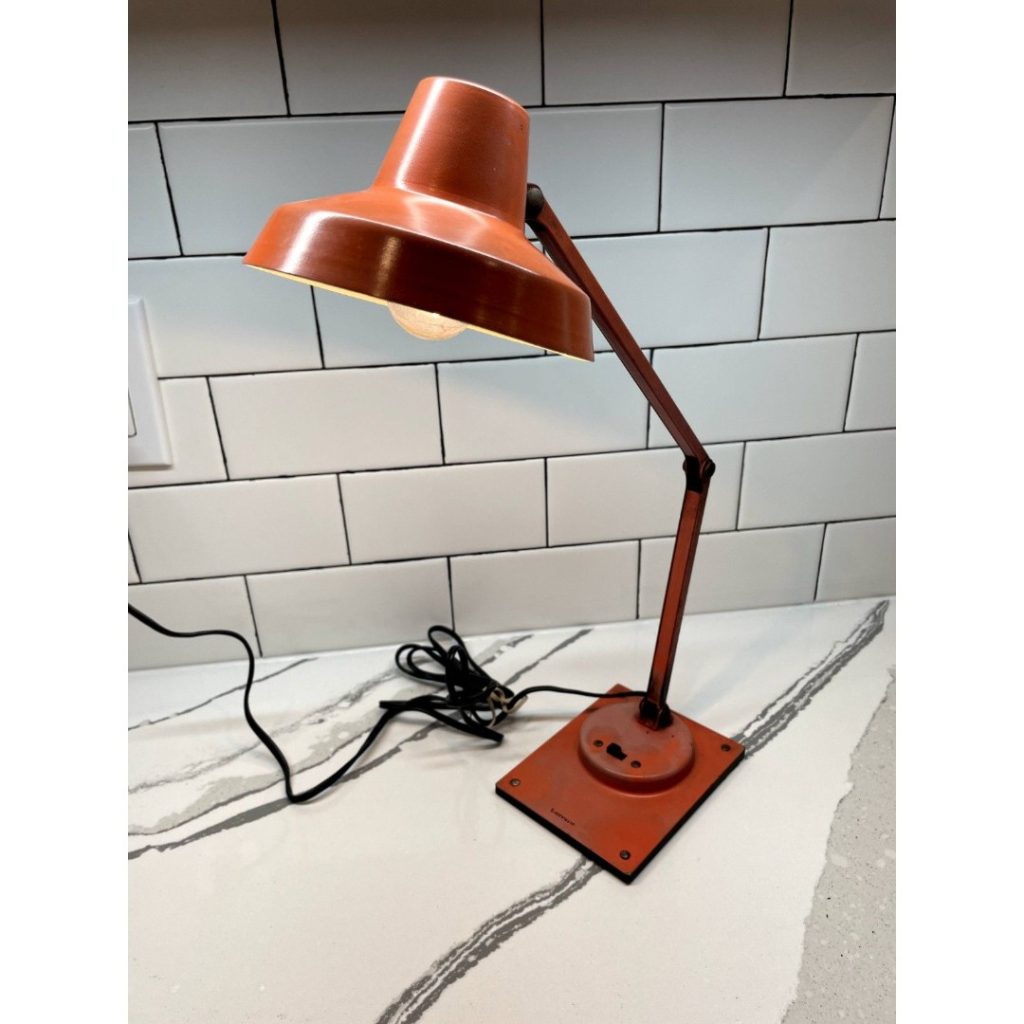
Your vintage Tensor desk lamp holds more than just light—it carries memories and style from a different era. But when the wiring wears out, it can stop glowing and start gathering dust.
What if you could bring it back to life yourself? Rewiring your lamp might sound tricky, but with the right steps, you can do it safely and confidently. Keep reading, and you’ll discover how to restore your favorite lamp, adding charm and function back to your space in no time.
Tools And Materials Needed
Rewiring a vintage Tensor desk lamp requires more than just curiosity—you need the right tools and materials to get the job done safely and effectively. Having everything ready before you start saves time and prevents frustration. Let’s break down what you really need to gather before diving into your project.
Essential Tools
Start with a basic toolkit tailored for electrical work. A good-quality screwdriver set with both flathead and Phillips tips is crucial for removing screws without damage.
- Wire strippers:These make removing insulation from wires clean and easy.
- Needle-nose pliers:Perfect for bending and positioning wires in tight spots.
- Multimeter:Use this to test electrical continuity and voltage, ensuring your rewiring is safe.
- Electrical tape or heat shrink tubing:Essential for insulating your connections.
- Soldering iron (optional):If you prefer stronger, more reliable wire connections.
Having these tools at hand makes the process smoother and reduces the chance of mistakes. Do you have a comfortable workspace with good lighting? It’s often overlooked but critical when working on small parts.
Choosing Replacement Parts
Not all replacement parts are created equal, especially for vintage lamps. You need to pick components that fit the original design and meet safety standards.
- Replacement cord:Look for a braided or cloth-covered cord if you want to maintain the lamp’s vintage look.
- Socket:Make sure the socket matches the original size and type, often a standard medium base (E26/E27).
- Plug:Choose a plug with a polarized or grounded option depending on your lamp’s wiring.
- Switch:Select a switch that matches the lamp’s style and electrical rating.
Have you checked if the replacement parts comply with modern safety codes? It’s tempting to use cheap parts, but your safety and the lamp’s longevity depend on quality components. I once used a generic socket that didn’t fit well, which caused wiring issues—don’t make the same mistake.
Safety Precautions
Safety is the top priority when rewiring a vintage Tensor desk lamp. Electrical work can be risky without proper care. Taking the right precautions protects you from shocks and damage. It also ensures the lamp works correctly after rewiring.
Unplugging And Workspace Setup
Always unplug the lamp before starting any work. Never work on a lamp still connected to power. Choose a clean, dry workspace with good lighting. Use a flat surface to keep small parts from rolling away. Keep tools organized and within reach. Avoid working near water or damp areas to reduce shock risk.
Handling Electrical Components
Handle wires and parts gently to avoid damage. Use insulated tools to prevent electric shocks. Check wires for cracks or wear before touching them. Replace any damaged wires or parts immediately. Keep fingers away from metal contacts and terminals. Do not rush; work slowly to avoid mistakes and hazards.
Removing The Old Wiring
Removing the Old Wiring Gently detach the old wires from the vintage Tensor desk lamp. Ensure the lamp is unplugged before starting. Carefully pull out the wiring, noting the connections for later use.
Removing the old wiring from a vintage Tensor desk lamp is crucial. This step ensures safety and prepares the lamp for new wiring. It’s important to handle each part carefully to avoid damage. Let’s break down the process into manageable tasks.Disassembling The Lamp
Start by unplugging the lamp from the power source. Make sure you have a clean workspace. Place a soft cloth on the table to protect the lamp’s finish. Carefully unscrew the base of the lamp. Use a screwdriver to remove any screws holding parts together. Keep the screws in a safe place for reassembly. Gently separate the lamp sections to access the internal wiring.Detaching The Old Cord
Locate the point where the old cord connects to the lamp. This is usually near the base. Cut the cord using wire cutters. Leave a little length for easier handling. Next, look for the wire nuts or clips securing the cord. Unscrew or unclip these connectors. Carefully pull the old wiring out of the lamp. Ensure no fragments remain inside the lamp body.Inspecting Lamp Components
Inspecting the lamp components is a crucial step before rewiring a vintage Tensor desk lamp. Careful examination helps identify worn or damaged parts that need replacement. This ensures safety and proper functioning after the rewiring process. Focus on key elements like the socket and switch. Both parts must be in good condition to avoid electrical hazards and ensure smooth operation.
Checking Socket Condition
Start by examining the lamp socket closely. Look for cracks, corrosion, or burnt marks on the metal parts. These signs indicate the socket might be unsafe to use. Gently wiggle the socket to check for looseness. A loose socket can cause poor contact and flickering light. Also, inspect the ceramic or plastic insulation. It should be intact and free from any damage. Replace the socket if you notice any defects.
Assessing Switch Functionality
Next, test the lamp switch. Turn it on and off several times to check if it works smoothly. Feel for any stiffness or unusual resistance. Listen for clicking sounds that confirm the switch engages properly. If the switch feels loose or does not stay in position, it may need replacement. Check the wiring connections at the switch for corrosion or breaks. Clean or repair these connections before rewiring to maintain safety.
Preparing The New Cord
Preparing the new cord is a crucial part of rewiring your vintage Tensor desk lamp. Getting this right ensures safety and functionality. Taking your time here can save you from future electrical troubles and improve the lamp’s performance.
Stripping Wires Correctly
Stripping the wires properly is more than just removing the outer insulation. You want to avoid cutting into the metal strands inside, as this weakens the wire and can cause breaks. Use a wire stripper that matches the gauge of your cord for a clean strip.
Peel back about half an inch of insulation from each wire. If you see any damaged strands, trim the wire and start again to maintain a solid connection. Remember, a neat strip makes it easier to attach the wires securely to the lamp’s terminals.
Identifying Wire Polarity
Knowing which wire is hot (live) and which is neutral is essential for your safety and the lamp’s correct operation. Usually, the hot wire is black or brown, and the neutral wire is white or blue, but this can vary with vintage cords.
Look for markings on the cord—sometimes a ribbed or striped side indicates the neutral wire. If you’re unsure, use a multimeter to test continuity or check the lamp’s original wiring diagram. Correct polarity prevents shocks and ensures the lamp’s switch controls the power properly.

Credit: thebakerstable.ca
Connecting The New Wiring
Connecting the new wiring in your vintage Tensor desk lamp is a crucial phase that demands attention to detail and patience. This step determines not only the lamp’s functionality but also its safety. Proper connections ensure that your lamp shines brightly without any electrical issues.
Attaching Wires To The Socket
Start by identifying the socket terminals clearly—usually, one is marked for the hot wire and the other for the neutral. Strip about half an inch of insulation from the wire ends to expose clean copper for a solid connection.
Wrap the exposed wire clockwise around the terminal screws to ensure a tight fit. Loose connections can cause flickering or short circuits, so don’t rush this part. If you notice any frayed wire strands, trim them off before attaching.
Have you ever experienced a lamp that flickers unexpectedly? Often, the culprit is a poorly attached wire at the socket. Double-check your work by gently tugging each wire; they should stay firmly in place.
Securing The Switch Connections
Next, focus on the switch wiring. The wires should connect to the switch terminals securely—these are often simple screw terminals or push-in slots. Similar to the socket, strip enough wire and make sure the copper is clean before attaching.
Remember, the switch interrupts the hot wire, so ensure you connect the wire leading from the power source to one switch terminal and the wire continuing to the socket to the other. This setup controls the lamp’s on/off function properly.
Have you noticed a switch that feels loose or doesn’t click firmly? That’s usually a sign the wiring is loose or the switch itself is worn out. Tighten screws carefully and replace the switch if it looks damaged to avoid future electrical hazards.
Reassembling The Lamp
Reassembling your vintage Tensor desk lamp is a rewarding part of the rewiring process. It’s where all your careful work comes together, and you start to see the lamp regain its original charm. Pay close attention to how each piece fits and interacts to avoid any missteps that could affect functionality or safety.
Putting Components Back Together
Begin by aligning the lamp parts exactly as they were before disassembly. Keep screws and small pieces organized; using a magnetic tray or labeled containers can save you from hunting for lost parts later.
Reconnect the socket and switch carefully, ensuring wires are secure but not pinched. I once rushed this step and ended up with a flickering lamp, which was a clear sign I hadn’t tightened the connections properly.
Check that the lamp shade and arm move freely without resistance. If anything feels stiff, reassess your assembly—forcing parts can cause damage or misalignment.
Ensuring Proper Cord Placement
Proper cord placement is crucial for both safety and aesthetics. The cord should run smoothly through the lamp arm without kinks or tight bends that could wear it down over time.
Look for built-in channels or clips designed to guide the cord. If your vintage lamp lacks these, use small adhesive cable clips to keep the cord neat and secure.
Ask yourself: does the cord’s path allow the lamp to swivel and adjust without pulling or tugging? If not, reposition it until movement feels natural and unrestricted.
Testing The Lamp
Testing the rewired vintage Tensor desk lamp is a key step. It confirms your work is safe and functional. Take time to test carefully before regular use. Safety matters most when dealing with electrical devices. Follow the right steps to ensure the lamp works properly.
Plugging In Safely
Check the rewired cord and plug for any visible damage. Use a grounded outlet to reduce the risk of shock. Avoid using extension cords during testing. Keep the lamp away from water or damp areas. Hold the lamp firmly while plugging it in. Stand clear and be ready to unplug quickly if needed.
Verifying Light And Switch Operation
Turn the lamp switch on slowly and watch the bulb. The bulb should light up immediately without flickering. Toggle the switch several times to test smooth operation. Listen for unusual sounds like buzzing or crackling. If the bulb does not light, unplug and recheck wiring. Confirm the switch feels firm and clicks properly.
Troubleshooting Common Issues
Troubleshooting common issues can make rewiring a vintage tensor desk lamp easier. Identifying problems early saves time and effort. Many faults have simple fixes. Understanding these fixes helps you work safely and confidently.
Dealing With Flickering
Flickering often means a loose connection or faulty bulb. Check the bulb first. Try replacing it with a new one to see if flickering stops.
Inspect the socket for dirt or corrosion. Clean it gently with a dry cloth. Make sure the bulb fits tightly inside the socket. Loose contacts cause flickering.
Examine the wiring near the socket and switch. Look for broken wires or loose terminals. Tighten any loose wire nuts or screws. Replace damaged wires with new ones.
Addressing Non-functioning Switch
A switch that does not work stops the lamp from turning on. Test the switch by turning it on and off several times. Sometimes dust inside the switch blocks connection.
Remove the switch cover carefully. Use a small brush or compressed air to clean inside. Check the switch terminals for loose or broken wires.
Use a multimeter to test switch continuity. If the switch fails the test, replace it with a new one. Reconnect all wires firmly before testing the lamp again.

Credit: forum.belgiumdigital.com

Credit: www.clinicabeautylounge.com
Frequently Asked Questions
How Do I Safely Disconnect The Old Wiring?
Always unplug the lamp before starting. Use a voltage tester to ensure no electricity flows. Carefully unscrew and remove the old wires without damaging any components.
What Tools Are Needed To Rewire A Vintage Lamp?
You need wire strippers, screwdrivers, electrical tape, replacement cord, and a voltage tester. Having pliers and a multimeter can also help ensure safe and accurate wiring.
Which Replacement Cord Is Best For Vintage Lamps?
Use a fabric-covered or cloth-covered cord to maintain vintage authenticity. Ensure it meets modern safety standards and fits the lamp’s voltage requirements.
How To Identify The Lamp’s Wiring Connections?
Look for a grounding wire, neutral wire (usually white), and hot wire (usually black). Consult the lamp’s wiring diagram or manual if available for accuracy.
Conclusion
Rewiring a vintage Tensor desk lamp can bring it back to life. You save money by fixing it yourself. The process is simple if you follow each step carefully. Always use the right tools and stay safe. A working lamp adds charm to any room.
Give your old lamp a fresh start today. Enjoy the warm glow from your handiwork every night.



