
Have you ever tried sticking a sticker on a textured wall, only to watch it peel off within hours? It’s frustrating when your favorite decals just won’t stay put.
But what if you could make those stickers stick firmly and last longer, even on rough surfaces? In this post, you’ll discover simple, effective ways to seal your stickers on textured walls so they look great and stay in place.
Keep reading—you’re just a few steps away from solving this common problem once and for all.

Credit: www.amazon.co.uk
Choosing The Right Stickers
Choosing the right stickers is key for sealing them on textured walls. The texture can make it hard for stickers to stick well. Picking stickers that match the wall’s surface helps them stay put longer. Consider the material and adhesive strength to get the best results.
Material Types For Textured Surfaces
Some sticker materials work better on rough or bumpy walls. Vinyl stickers are durable and flexible, making them ideal for textured surfaces. They bend and conform to uneven areas without peeling off easily.
Polyester stickers also offer good adhesion on textured walls. They resist moisture and can handle slight wall irregularities. Paper stickers tend to tear or peel quickly on rough surfaces and are not recommended.
Look for stickers labeled as weatherproof or waterproof. These usually have stronger materials suited for textured walls. Matte finishes reduce glare, so the sticker stays visible even on uneven textures.
Adhesive Strength Considerations
The adhesive type plays a big role in how long a sticker lasts on textured walls. Permanent adhesives provide a strong bond but may damage paint when removed. Removable adhesives allow repositioning but might not hold well on rough surfaces.
Pressure-sensitive adhesives work well on textured walls by creating a tight grip. They activate with firm pressing and fill small gaps in the texture. Avoid stickers with weak glue that peel off quickly.
Check if the sticker’s adhesive is designed for rough surfaces. Some adhesives include extra tack for better grip. Testing a small sticker piece before full application can save time and effort.
Credit: wallhogs.com
Preparing The Textured Wall
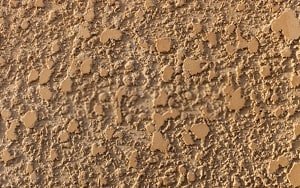
Preparing the textured wall before sealing stickers is a crucial step that many overlook. The surface condition directly affects how well the stickers will adhere and how long they will last. Taking the time to properly clean and smooth the wall can save you from frustrating peeling or bubbling later on.
Cleaning And Drying Techniques
Start by removing any dust, dirt, or grease from the wall. Use a mild detergent mixed with warm water and gently scrub the area with a soft sponge or cloth. Avoid harsh chemicals that might damage the texture or paint.
Once cleaned, allow the wall to dry completely. Moisture trapped under the sticker can weaken the adhesive. You can speed up drying by using a fan or opening windows to improve airflow.
Smoothing Rough Areas
Textured walls often have bumps or uneven patches that can prevent stickers from sticking properly. You don’t need to remove the texture, but smoothing the roughest spots helps the sticker lay flat.
Lightly sand any sharp or flaky areas with fine-grit sandpaper. Be gentle to avoid stripping off too much texture. After sanding, wipe the area with a dry cloth to clear away dust before applying your sticker.
Applying Stickers On Textured Walls
Applying stickers on textured walls requires special care. The uneven surface can challenge adhesion. But with the right approach, you can ensure your stickers stick well and look great.
Positioning And Alignment Tips
Before sticking, plan the layout. Use a pencil to mark light guidelines. This helps in keeping the stickers straight. If you have many stickers, consider using a level. This ensures proper alignment. Take your time to position each sticker perfectly.
Techniques For Firm Attachment
Start by cleaning the wall. Use a damp cloth to remove dust. Dry the wall thoroughly. This helps the sticker adhere better. For a firmer grip, apply pressure evenly. Use a credit card to smooth out bubbles. Press from the center outwards for best results.
If the sticker doesn’t stick well, use a hairdryer. Heat the sticker gently to activate adhesive. Press again to ensure it sticks firmly. Avoid overheating as it can damage the sticker. Repeat this process for each sticker.
Sealing Methods For Durability
Sealing stickers on textured walls requires careful methods to ensure they last. The uneven surface makes adhesion tricky. Proper sealing protects stickers from peeling or damage over time. Different techniques offer various benefits depending on the wall texture and sticker type. Choose a method that fits your project’s needs for long-lasting results.
Using Clear Sealants
Clear sealants create a protective layer over stickers. These sealants come in sprays, brushes, or liquids. They prevent moisture, dust, and dirt from reaching the sticker.
Apply sealant evenly with a soft brush or spray from a distance. Avoid heavy layers to keep the sticker’s design visible. Allow full drying before touching or moving the sticker. Some sealants also add a slight shine or matte finish depending on the product.
Heat Application Options
Heat helps stickers bond better with textured walls. Use a hairdryer or heat gun on low settings. Warm the sticker gently to activate the adhesive without damage.
Move the heat source evenly over the sticker. Avoid overheating or burning the wall surface. Heat softens the adhesive, filling gaps in the wall texture for a stronger hold.
Pressurized Rolling Techniques
Pressurized rolling applies firm, even pressure on the sticker. Use a small roller or a clean, smooth object like a credit card.
- Start from the center of the sticker.
- Roll outward toward the edges.
- Repeat several times to ensure full contact.
This technique pushes the sticker into the wall’s texture. It removes air bubbles and improves adhesion. Rolling can be combined with sealants or heat for extra durability.
Preventing Peeling And Bubbles
Preventing peeling and bubbles is key to keeping stickers on textured walls looking fresh. Stickers can lift or bubble if not applied correctly. Taking simple steps helps the sticker stick firmly and last longer.
Avoiding Moisture Traps
Moisture under stickers causes bubbles and peeling. Make sure the wall is dry before applying stickers. Use a soft cloth to wipe the wall clean. Avoid placing stickers in areas with high humidity like bathrooms.
Choose stickers with waterproof backing for added protection. Let the wall dry completely after cleaning. Press stickers firmly to push out any trapped air or moisture.
Managing Wall Texture Challenges
Textured walls create small gaps that catch air and cause bubbles. Smooth the wall surface gently with fine sandpaper if possible. Clean the wall to remove dust from texture crevices.
Use flexible stickers that can bend with the wall. Apply stickers slowly, pressing from the center outward. Use a plastic card or squeegee to smooth the sticker and remove air pockets.

Credit: www.ebay.com
Maintaining And Removing Stickers
Maintaining stickers on textured walls requires care to keep them looking fresh and intact. Proper cleaning and removal protect both the sticker and the wall’s surface. Gentle handling avoids peeling paint or damaging the texture underneath.
Knowing how to clean stickers without harming the wall extends their life. When removal is necessary, safe techniques prevent wall marks or residue. Follow these tips to handle stickers smoothly on textured surfaces.
Cleaning Without Damage
Dust and dirt can make stickers lose their shine. Use a soft, dry cloth to wipe them gently. Avoid harsh scrubbing or abrasive materials. Lightly dampen the cloth with water if needed. Test a small area first to check for any adverse effects. Avoid liquid cleaners that contain alcohol or solvents. These can dissolve the sticker adhesive or damage the wall paint.
Safe Removal Practices
Peeling stickers off textured walls requires patience. Start by lifting a corner slowly with your fingernail or a plastic card. Pull the sticker back at a low angle to reduce stress on the wall. If the sticker resists, apply a warm, damp cloth to soften the adhesive. Let it sit for a few minutes before trying again.
Use gentle adhesive removers that are safe for painted surfaces. Avoid metal tools that can scratch or gouge the wall. After removal, clean leftover residue with mild soap and water. Dry the area completely to prevent moisture damage.
Frequently Asked Questions
How Do I Prepare A Textured Wall Before Sealing Stickers?
Clean the wall thoroughly to remove dust and grease. Use a mild detergent and water, then dry it completely. This ensures the sticker adheres well and the sealant bonds properly.
What Sealants Work Best For Textured Walls?
Clear acrylic spray sealants and matte varnishes work well. They provide a protective layer without damaging the texture or sticker design.
Can I Use Mod Podge To Seal Stickers On Textured Walls?
Yes, Mod Podge is effective for sealing stickers. Apply thin layers with a brush to avoid clumping and preserve the wall’s texture.
How Long Should I Wait Before Sealing Stickers On Textured Walls?
Wait at least 24 hours for stickers to fully adhere. This prevents peeling and ensures the sealant sticks properly for lasting durability.
Conclusion
Sealing stickers on textured walls takes patience and care. Use the right tools and materials for best results. Press the sticker firmly to avoid bubbles or wrinkles. Apply a clear sealant evenly to protect the design. Let it dry fully before touching or cleaning.
This method helps your stickers last longer and look better. Try these steps for a neat, lasting finish on your walls. Simple tips can make a big difference in your home decor.



