
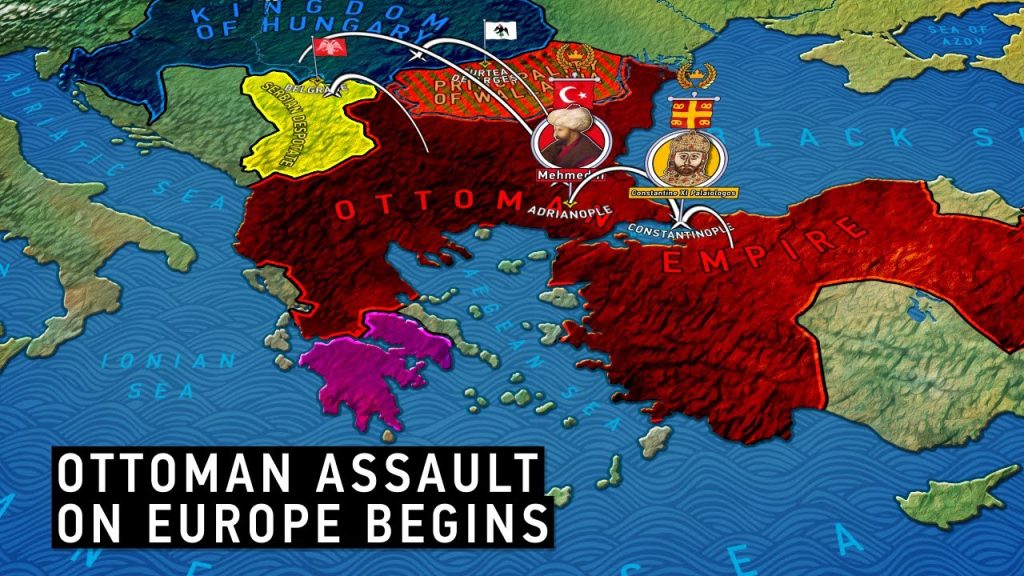
Have you ever wondered where the mighty Ottoman Empire began? Understanding its origins can change the way you see history and the world today.
Imagine tracing back to the exact place where one of the most powerful empires in history first took shape. This story is full of fascinating twists that connect the past to your present. Keep reading, and you’ll discover the surprising roots of the Ottoman Empire and why its beginning matters to you.
Early Anatolian Context
The roots of the Ottoman Empire trace back to a dynamic and complex setting in Anatolia. Understanding this early context sheds light on how a small principality rose to shape centuries of history. Anatolia was a crossroads of cultures, powers, and peoples, each playing a role in shaping the environment where the Ottomans first appeared.
Geopolitical Landscape Before The Ottomans
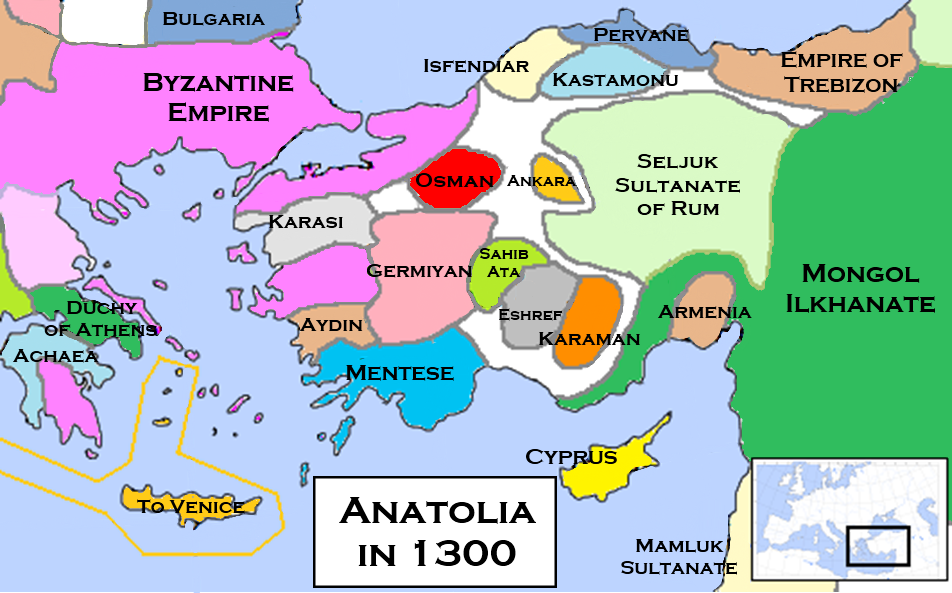
Before the Ottomans emerged, Anatolia was divided into various small states and principalities. The collapse of the Seljuk Sultanate of Rum left a power vacuum that many groups tried to fill. This created a patchwork of competing factions, often shifting alliances and frequent conflicts.
Can you imagine trying to build a stable community in such an unpredictable environment? The instability actually offered opportunities for ambitious leaders to expand influence quickly. The Ottomans used this to their advantage, starting from a small border principality.
Turkic Tribes In Anatolia
Several Turkic tribes migrated into Anatolia during the 11th and 12th centuries. These tribes were mostly nomadic warriors skilled in horseback riding and combat. Their arrival changed the demographic and cultural landscape, blending with local populations.
Among these tribes, the Ottomans began as one of many small groups competing for land and power. Their success was partly due to strong leadership and strategic marriages that helped them grow alliances. Have you ever noticed how small groups with clear goals often outlast larger, divided ones?
Byzantine Influence And Decline
The Byzantine Empire had controlled much of Anatolia for centuries but was weakening by the 13th century. Repeated invasions, internal strife, and economic troubles eroded its power. This decline left many frontier areas vulnerable to new powers like the Ottomans.
Byzantine cities and fortresses often became targets or strategic prizes for emerging powers. The Ottomans cleverly used Byzantine weaknesses to gain territory without large-scale battles initially. How might understanding an opponent’s weaknesses help you in your own challenges?
Founding Figures
The story of the Ottoman Empire’s beginning is deeply tied to the people who shaped its destiny. Understanding the founding figures gives you insight into how a small principality grew into a vast empire. Their vision and leadership set the foundation for centuries of influence.
Role Of Osman I
Osman I is the central figure behind the Ottoman Empire’s start. He was a skilled leader who united various Turkic tribes under his rule. His ability to build alliances and lead battles helped establish a strong and stable state.
Think about your own leadership—how much can a clear vision and decisive action change your path? Osman’s name even inspired the term “Ottoman,” showing the power one person’s legacy can hold.
Legacy Of Ertuğrul
Ertuğrul, Osman’s father, played a crucial role before the empire officially began. He led his tribe through difficult times, securing land and respect from neighboring powers. His strength and guidance paved the way for Osman’s success.
Imagine the impact of strong preparation and groundwork in your own projects. Without Ertuğrul’s efforts, the Ottoman story might have been very different.
Early Leadership And Vision
The early Ottoman leaders focused on more than just conquest. They built systems of governance and law that helped maintain order as their territory expanded. Their ability to balance military strength with diplomacy was key.
- Creating fair laws to unite diverse peoples
- Encouraging trade and economic growth
- Fostering loyalty through religious and cultural respect
What lessons can you draw from their approach to leadership? It’s a reminder that success often needs more than power—it requires vision and care for the community you lead.
Geographic Origins
The Ottoman Empire, one of history’s most formidable empires, traces its roots back to a specific region that played a crucial role in its rise. Understanding the geographic origins of the Ottoman Empire provides a fascinating glimpse into how location can influence power and success. The empire’s beginnings in a strategically significant area set the stage for its expansion and enduring legacy.
Bithynia And Söğüt Region
The Ottoman Empire originated in the Bithynia region, specifically around the town of Söğüt. This area, nestled in northwestern Anatolia, was a frontier zone between the Byzantine Empire and the Seljuk Turks. Söğüt served as a small yet pivotal starting point, providing the Ottomans with a strategic position to launch their expansion.
Have you ever considered how a small town could become the birthplace of a mighty empire? The Ottomans capitalized on their location, using it as a base to challenge more significant powers and expand their influence.
Strategic Importance Of Borderlands
The borderlands of Bithynia were critical due to their proximity to both Byzantine and Seljuk territories. This region offered a unique vantage point for the Ottomans to exploit the weaknesses of their neighbors. By establishing themselves in this contested area, they were able to maneuver politically and militarily, gaining allies and territories.
Think about the significance of living on the edge of two powerful realms. The Ottomans turned this potential vulnerability into an opportunity, eventually surpassing the very empires that surrounded them.
Natural Resources And Terrain
The natural resources and terrain of Bithynia played a vital role in the Ottomans’ initial success. The fertile lands and access to trade routes facilitated economic growth, while the region’s rugged terrain provided natural defenses. These factors enabled the Ottomans to sustain their burgeoning state and protect it from external threats.
Have you ever wondered how geography can shape the destiny of a nation? The Ottomans’ adept use of their environment allowed them to thrive and expand, setting the stage for centuries of dominance.
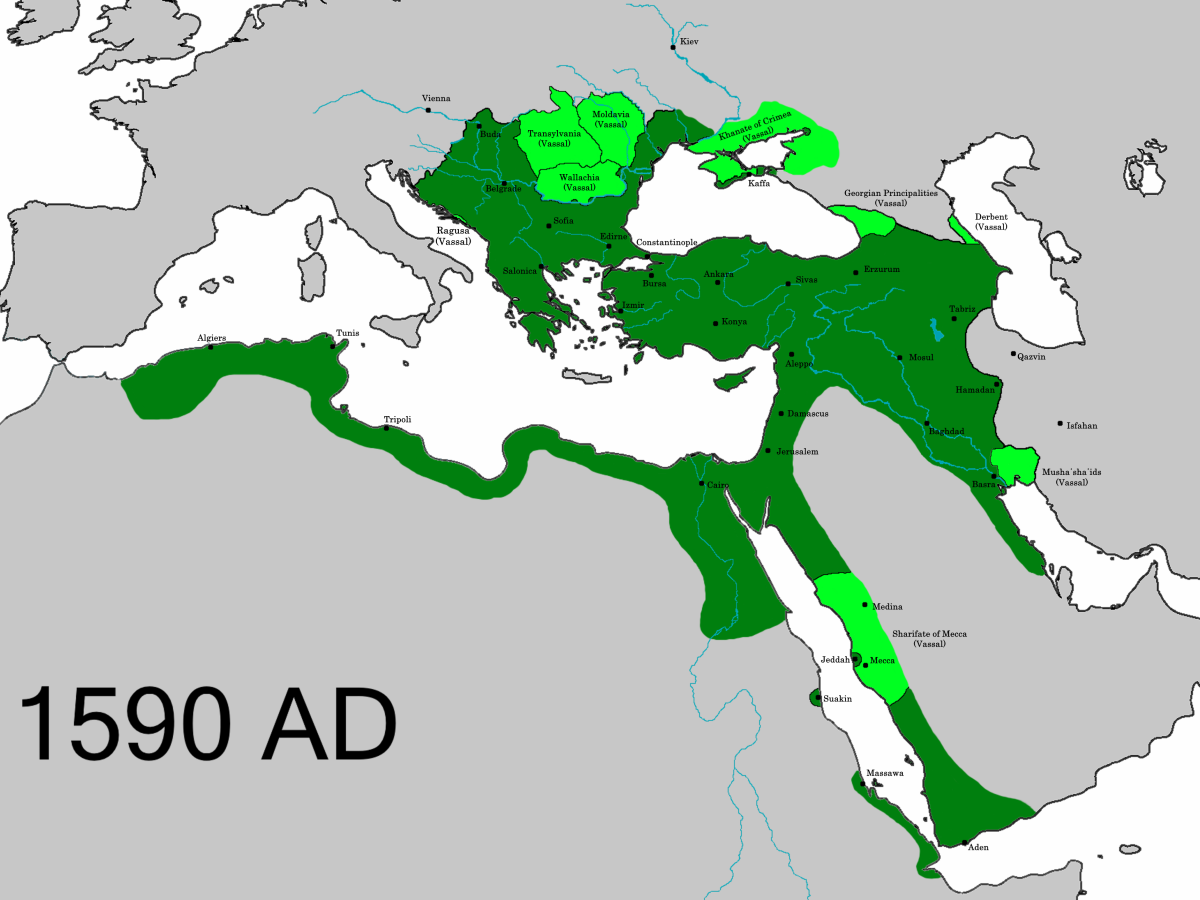
Credit: owlcation.com
Cultural And Religious Roots
The origins of the Ottoman Empire are deeply tied to its cultural and religious roots, which shaped its identity and governance. Understanding these foundations gives you a clearer picture of how the empire grew and maintained cohesion among diverse peoples. The blend of Islamic principles with local customs created a unique social fabric that influenced everything from law to daily life.
Islamic Influences
Islam was the cornerstone of the Ottoman Empire’s culture and politics. The empire upheld Sunni Islam as its official religion, which guided its laws and social norms. You can see how the empire’s leaders positioned themselves as protectors of the faith, using religion to unify various ethnic groups.
The Ottomans also built numerous mosques and religious schools, emphasizing the importance of faith in public life. This not only strengthened their rule but also helped spread Islamic knowledge and values across their territories.
Sufi Orders And Their Role
Sufi orders played a vital role in the empire’s early development. These mystical Islamic groups attracted many followers by focusing on personal spirituality and community service. Think about how this spiritual approach might have appealed to people in a time of political change and uncertainty.
Many Ottoman leaders had close ties to Sufi sheikhs, which gave them spiritual legitimacy. The orders often acted as mediators and educators, helping to integrate newly conquered peoples into the empire’s social structure.
Syncretism With Local Traditions
The Ottoman Empire didn’t just impose Islam; it blended it with local customs and traditions. This syncretism allowed the empire to govern a vast and diverse population more effectively. You might find it surprising how flexible and pragmatic their approach was.
For example, in some regions, Ottoman laws respected existing local practices as long as they didn’t conflict with Islamic principles. This balance helped prevent rebellion and fostered a sense of inclusion among different communities.
Political And Military Foundations
The political and military foundations of the Ottoman Empire shaped its rise from a small principality to a powerful state. The empire’s early leaders focused on building a strong army and forming strategic alliances. These actions created a base for rapid territorial expansion. The early Ottoman rulers combined religious zeal with practical governance to unite diverse peoples under their control.
Ghazi Warriors And Expansion
The Ottomans began as a group of ghazi warriors, fighters for Islam. These warriors sought to expand Muslim lands by fighting against non-Muslim neighbors. Their bold raids helped the Ottomans gain new territories. The ghazi spirit inspired loyalty and courage among soldiers. This military culture became the backbone of the empire’s growth.
Relations With Neighboring States
The Ottomans managed complex relations with nearby powers. They made peace treaties and trade agreements to avoid constant war. At times, they also formed marriages to secure alliances. These diplomatic efforts bought time to strengthen their military. Neighboring states often underestimated the Ottomans’ ambitions.
Early Battles And Alliances
Early battles tested the Ottomans’ strength and strategy. They won key fights against Byzantines and rival Turkish beyliks. Their success attracted more allies and warriors. Alliances with local tribes and leaders expanded their influence. These early victories set the stage for future conquests.

Credit: uk.news.yahoo.com
Economic Drivers
The economic drivers behind the rise of the Ottoman Empire reveal much about how this powerful state began and grew. Its success wasn’t just about military conquest; it was deeply connected to the ways it managed trade, agriculture, and crafts. Understanding these factors helps you see how the empire built a strong foundation that supported its expansion over centuries.
Trade Routes And Commerce
The Ottoman Empire started at a crossroads of important trade routes connecting Europe and Asia. Controlling these routes gave them access to valuable goods like spices, silk, and precious metals. This control boosted their economy and allowed them to charge taxes on goods passing through, which funded further growth.
Imagine the bustling markets filled with merchants from all over the world—this vibrant commerce was key to the empire’s wealth. You might ask, how would controlling such routes change the power dynamics in the region? The Ottomans leveraged this advantage skillfully to build political and economic influence.
Agricultural Base
Agriculture formed the backbone of the Ottoman economy. Fertile lands in Anatolia and surrounding regions produced grains, fruits, and livestock that sustained both the population and the army. This steady food supply allowed the empire to support large cities and armies without constant shortages.
They also developed irrigation systems and land management practices that improved crop yields. If you consider your own community, how does agriculture support local stability and growth? The Ottoman example shows that feeding the population is a powerful economic strategy.
Crafts And Urban Development
Crafts and skilled labor played a crucial role in the empire’s economy. Cities like Bursa and later Istanbul became centers for textile production, metalwork, and ceramics. These crafts not only served local needs but also created goods for export, adding to the empire’s wealth.
Urban development followed economic growth, with markets, workshops, and caravanserais providing infrastructure for trade and production. Think about how your city’s growth might depend on specialized skills and infrastructure. The Ottomans understood that fostering crafts and urban centers would create jobs and attract talent, strengthening their economy.
Legacy Of Origins
The legacy of the Ottoman Empire’s origins reaches far beyond the borders of its first small principality in Anatolia. Understanding where and how it began reveals much about the empire’s identity and its lasting influence. This legacy shapes not only historical views but also modern interpretations of power, culture, and governance.
Impact On Later Ottoman Expansion
The early Ottoman state started as a small frontier principality surrounded by larger empires. This position taught the Ottomans the importance of strategic alliances and flexible military tactics.
These lessons influenced how they expanded, turning a modest realm into a vast empire. Their ability to adapt and absorb diverse cultures during expansion still affects how you see multiculturalism in modern Turkey and beyond.
Myths And Historical Narratives
Stories about the empire’s start often blend fact and legend. Tales of Osman I’s divine favor or heroic deeds helped build a powerful national identity.
But it’s important to question these narratives. How do these myths shape your understanding of the empire’s real challenges and achievements?
Modern Perspectives On Ottoman Beginnings
Today, historians use new evidence and methods to revisit Ottoman origins. They highlight the complex interactions between Turks, Byzantines, and other groups in shaping the early empire.
This modern view encourages you to see the Ottomans not as isolated conquerors but as part of a larger regional story. How might this perspective change your view of history and cultural heritage?
Credit: owlcation.com
Frequently Asked Questions
Where Did The Ottoman Empire Originate?
The Ottoman Empire began in the late 13th century in northwestern Anatolia, near the town of Söğüt in modern Turkey. It started as a small principality under Osman I, from whom the empire gets its name.
What Region Marked The Start Of The Ottoman Empire?
The empire started in the region of Bithynia in Anatolia, close to the Byzantine Empire’s borders. This strategic location allowed the Ottomans to expand into both Asia and Europe.
Who Founded The Ottoman Empire And Where?
Osman I founded the Ottoman Empire around 1299 in Söğüt, Anatolia. His leadership laid the foundation for the empire’s growth and dominance over centuries.
Why Was The Ottoman Empire’s Starting Location Important?
Its location near Byzantium allowed the Ottomans to control key trade routes. This position helped them expand rapidly into Europe and the Middle East.
Conclusion
The Ottoman Empire began in a small region of Anatolia, modern-day Turkey. It grew from a tiny state into a vast empire over centuries. This start shaped much of the history and culture in the area. Knowing where it began helps us understand its impact today.
The empire’s roots show how powerful ideas and leadership can change the world. History often starts with small steps, leading to great stories. The Ottoman Empire’s beginning remains a key part of world history.



