
Are you ready to transform your outdoor space into a colorful paradise? Setting up a flower bed might seem tricky, but with the right steps, you can create a stunning display that brightens your garden and lifts your mood every day.
Imagine stepping outside and seeing vibrant blooms thriving just for you. In this guide, you’ll discover simple, practical tips that make planting flowers easy and enjoyable. Keep reading, and you’ll learn how to pick the perfect spot, prepare your soil, and arrange your flowers to make your flower bed flourish like never before.
Your garden’s next masterpiece starts here!
Credit: www.familyhandyman.com
Choosing The Right Location
Choosing the right location for your flower bed is the first step to a thriving garden. The spot affects how well your flowers grow and how much care they need. Consider sunlight, soil, and ease of access to make your flower bed a success.
Assessing Sunlight And Shade
Check how much sunlight the area receives daily. Most flowers need at least six hours of sunlight. Some plants thrive in partial shade or full shade. Watch the site at different times to see light patterns. Match the flower type to the available light for best results.
Considering Soil Conditions
Good soil helps flowers grow strong and healthy. Test the soil texture and drainage by digging a small hole. Sandy soil drains fast, clay soil holds water longer. Add compost to improve soil quality. Avoid areas where water pools after rain. Healthy soil supports vibrant blooms.
Planning For Accessibility
Choose a location easy to reach for watering and weeding. Avoid spots too close to trees or shrubs that compete for nutrients. Leave space around the bed for walking and maintenance. Accessibility makes garden care less tiring and more enjoyable.
Selecting Flowers And Plants
Choosing the right flowers and plants is key to creating a vibrant and lasting flower bed. Your selection affects not only the beauty but also the ease of care and overall harmony of your garden space. Think about what you want your flower bed to say—whether it’s a burst of seasonal color, a structured display, or a low-maintenance retreat.
Picking Seasonal Blooms
Seasonal flowers keep your garden looking fresh and alive throughout the year. Choose plants that thrive in your current climate and bloom during the months you want to enjoy them most. For example, tulips and daffodils brighten up early spring, while marigolds and zinnias flourish in summer.
Mixing early and late bloomers ensures your flower bed never looks bare. Ask yourself, which months do you want the most color? Planning with seasonal blooms lets you enjoy a continuous show without empty patches.
Combining Colors And Heights
Color and height create visual interest and depth in your flower bed. Try grouping plants with contrasting colors, like purples paired with yellows, to make each flower pop. Use taller plants like hollyhocks or sunflowers at the back, and shorter ones like pansies or alyssum at the front.
Think about how your flower bed will look from different angles. Could adding some medium-height plants between tall and short ones soften the transition? This layering technique keeps your bed dynamic and inviting.
Using Native And Low-maintenance Plants
Native plants are adapted to your local environment, making them easier to grow and better for local wildlife. They often need less water, fertilizer, and pest control, saving you time and effort. Consider adding native wildflowers or grasses to your bed for a natural, sustainable look.
Low-maintenance plants like lavender, sedum, and ornamental grasses can fill your flower bed with texture and color without constant care. What’s your tolerance for garden upkeep? Choosing the right balance of native and low-maintenance plants can help you enjoy your flower bed without feeling overwhelmed.
Preparing The Soil
Loosen the soil deeply to help roots grow strong. Remove weeds and rocks for a clean planting area. Mix in compost to improve soil nutrients and drainage.
Preparing the soil is the first step in setting up a flower bed. A well-prepared soil ensures strong plant growth. This process involves several key steps.Clearing The Area
Begin by removing any weeds or grass. Use a spade or a hoe for this task. Ensure you remove the roots to prevent regrowth. This clears space for your flowers to thrive.Improving Soil Quality
Check the soil texture. If it’s too sandy or clay-like, it needs improvement. Sandy soil needs organic matter. Clay soil benefits from sand and organic matter. This helps with drainage and nutrients.Adding Fertilizers And Compost
Fertilizers provide essential nutrients for flowers. Choose a balanced fertilizer for best results. Compost enriches the soil naturally. Mix it into the soil to improve structure and fertility. This step prepares your flower bed for planting.Designing The Flower Bed Layout
Designing the flower bed layout is a crucial step in creating a beautiful garden. A well-planned layout helps plants grow healthy and makes your garden look inviting. Planning saves time and effort during planting and care.
Consider the size, shape, and location of your flower bed. Think about sunlight, soil, and how the bed fits into your outdoor space. Start with a clear plan to guide your planting process.
Sketching Your Garden Plan
Begin by drawing a simple sketch of your garden area. Use graph paper or a digital tool for accuracy. Mark fixed features like trees, fences, or walkways.
Draw the flower bed shape and size on your sketch. Note sunlight directions and shaded spots. This helps decide which plants suit different areas.
Arranging Plants For Visual Impact
Group plants by height, color, and bloom time for a balanced look. Place taller plants at the back or center. Shorter plants go in front or edges.
Mix colors and textures to create interest. Repeat colors to unify the design. Avoid crowding plants to allow room for growth.
Incorporating Pathways And Borders
Pathways add structure and make the bed accessible. Use gravel, stepping stones, or mulch for paths. Keep paths wide enough for easy movement.
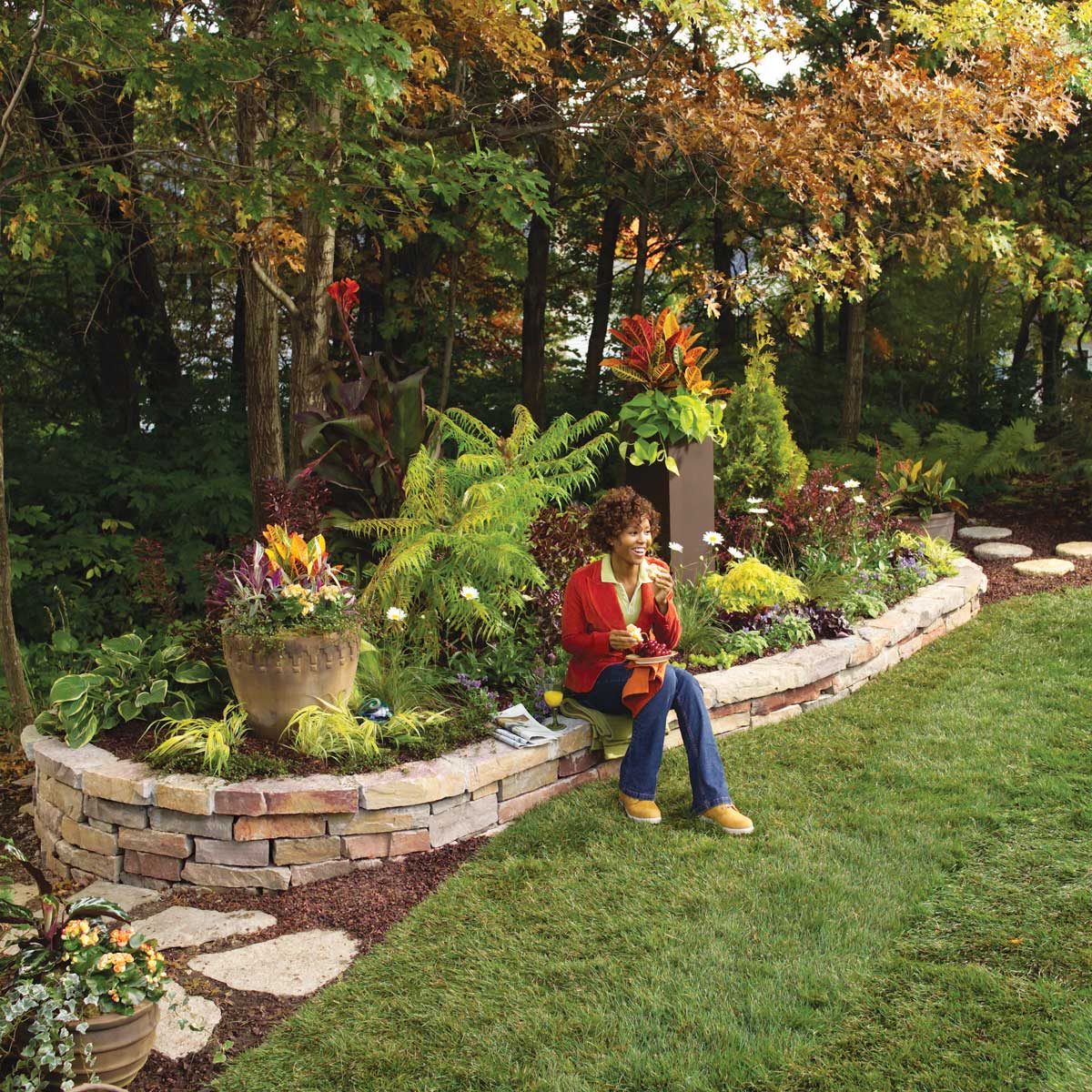
Define the flower bed edges with borders. Use bricks, stones, or metal edging to keep soil and plants contained. Borders also add a neat, finished look.
Planting Techniques
Planting techniques shape the success of your flower bed. Proper methods help plants grow strong and healthy. Pay close attention to spacing, depth, and watering. These details make a big difference in plant health and appearance.
Proper Plant Spacing
Give each plant enough space to grow. Crowding plants can cause poor air flow. This leads to disease and weak growth. Check the seed packet or plant tag for spacing needs. Use a ruler or garden tape to measure the distance.
- Small flowers: 6 to 12 inches apart
- Medium flowers: 12 to 18 inches apart
- Large flowers: 18 to 24 inches apart
Leave room for plants to spread as they mature.
Planting Depth And Timing
Plant seeds or seedlings at the right depth. Too deep or too shallow harms root growth. Follow the instructions on seed packets or plant labels. Usually, plant seeds twice as deep as their size.
Plant at the right time of year. Some flowers prefer cool weather, others warm. Planting at the wrong time slows growth or kills plants. Check your local planting calendar or garden guide.
Watering After Planting
Water plants immediately after planting. This helps settle the soil and roots. Use gentle watering to avoid washing away soil. Keep soil moist but not soggy for the first few weeks.
- Water in the morning for best absorption
- Avoid overhead watering to reduce leaf disease
- Check soil moisture regularly with your finger
Consistent watering helps plants establish strong roots quickly.
Credit: craft.camp
Maintaining Your Flower Bed
Maintaining your flower bed is essential to keep it vibrant and healthy throughout the seasons. It’s not just about planting flowers; it’s about nurturing them consistently. With the right care, your flower bed will continue to bloom beautifully and become the highlight of your garden.
Regular Watering And Mulching
Water your flower bed regularly to keep the soil moist but not soggy. Early morning or late evening watering helps reduce evaporation and ensures the plants absorb enough moisture.
Adding mulch around your plants helps retain soil moisture and keeps weeds at bay. Organic mulches like bark chips or straw also improve soil quality as they break down.
Weeding And Pest Control
Weeds compete with your flowers for nutrients and water, so remove them frequently. Pull them out by hand or use a hoe to keep your flower bed tidy and healthy.
Watch for pests that can damage your plants. Use natural pest control methods like neem oil or introducing beneficial insects such as ladybugs instead of harsh chemicals.
Pruning And Deadheading
Pruning helps shape your plants and encourages new growth. Trim back overgrown branches to maintain a neat appearance and prevent overcrowding.
Deadheading, or removing spent flowers, directs the plant’s energy into producing more blooms. This simple step can extend the flowering period significantly.
How often do you check your flower bed for these maintenance tasks? Staying consistent makes all the difference in garden success.

Credit: www.truesdalelandscaping.com
Frequently Asked Questions
How Do I Prepare Soil For A Flower Bed?
Start by removing weeds and debris. Loosen the soil with a garden fork. Add compost to enrich nutrients. Mix well for good drainage and aeration. This creates a healthy base for your flowers to grow strong.
What Flowers Are Best For Beginner Flower Beds?
Choose hardy, low-maintenance flowers like marigolds, zinnias, or petunias. These tolerate various conditions and bloom long. They require minimal care, making them perfect for beginners starting a flower bed.
How Often Should I Water A New Flower Bed?
Water the bed deeply once or twice a week. Adjust frequency based on weather and soil moisture. Consistent watering helps roots establish strong growth without overwatering or drying out.
When Is The Best Time To Plant A Flower Bed?
Plant flowers in early spring or fall for most climates. This timing avoids extreme heat and supports root development. Check your local frost dates for precise planting schedules.
Conclusion
Setting up a flower bed brings beauty to any garden space. Choose the right spot with good sunlight and soil. Prepare the ground by removing weeds and loosening soil. Pick flowers that match your climate and care level. Plant them carefully, giving enough room to grow.
Water regularly but avoid overwatering. Watch your flowers bloom and enjoy the colors. With simple steps, anyone can create a lovely flower bed. Start small and learn as you go. Gardening can be relaxing and rewarding. Give it a try and see the joy it brings.



