
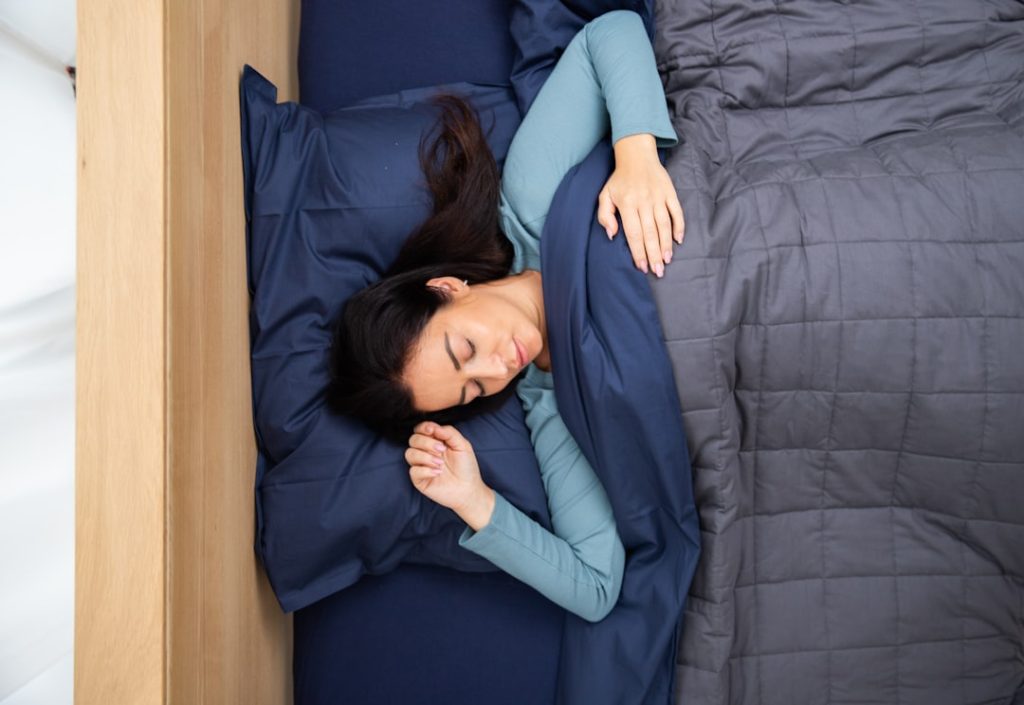
Are you tired of waking up with aches and restless nights? Your bedding plays a huge role in how well you sleep and how refreshed you feel in the morning.
But with so many options out there, how do you find the most comfortable bedding that suits your needs? Imagine sinking into sheets that feel just right, wrapped in blankets that keep you cozy without overheating. This article will help you discover what makes bedding truly comfortable, so you can transform your sleep experience and wake up ready to take on the day.
Keep reading, because your best night’s sleep is closer than you think.
Choosing The Right Mattress
Choosing the right mattress is essential for a good night’s sleep and overall comfort. It affects your posture, rest quality, and even your mood the next day. Understanding the different mattress options helps you find the perfect fit for your unique needs.
Types Of Mattresses
Mattresses come in several types, each offering distinct benefits. Innerspring mattresses provide strong support with coils, ideal if you prefer a bouncy feel.
Memory foam mattresses contour to your body, reducing pressure points. Latex mattresses offer a balance of support and bounce with natural materials.
Hybrid mattresses combine coils and foam, giving you both support and comfort. Which type matches your sleeping style best?
Firmness Levels Explained
Firmness plays a big role in how comfortable your mattress feels. Softer mattresses are great if you like sinking into your bed, while firmer ones provide more support.
Medium-firm mattresses often suit most sleepers by balancing comfort and support. Think about your sleep position: side sleepers may prefer softer surfaces, back sleepers firmer ones.
Try lying down on different firmness levels to see what feels right for your body. How does your current mattress compare?
Mattress Materials And Comfort
The material inside your mattress affects breathability, pressure relief, and durability. Memory foam molds to your shape but can trap heat if not ventilated well.
Latex is cooler and more responsive, often made from natural sources which appeal to eco-conscious buyers. Innerspring mattresses usually have better airflow but may wear out faster.
Look for mattresses with cooling features or breathable covers if you tend to overheat at night. What material has given you the most restful sleep?
Mattress Lifespan And Maintenance
A good mattress can last 7 to 10 years with proper care. Rotating your mattress every few months helps prevent uneven wear.
Using a mattress protector keeps it clean and free from allergens. Check manufacturer guidelines for cleaning to avoid damaging materials.
Pay attention to sagging or lumps, signs it’s time for a replacement. How often do you think about your mattress’s condition?

Credit: www.amazon.com
Selecting Soft And Supportive Pillows
Choosing the right pillow is key for a restful night’s sleep. Softness and support balance comfort and spinal alignment. Pillows affect how you feel when you wake up. Selecting pillows that suit your sleeping style helps reduce neck pain and improve sleep quality.
Pillow Fillings Compared
- Memory Foam:Contours to your head and neck. Provides firm support and pressure relief.
- Down:Soft and lightweight. Offers gentle cushioning but less support.
- Feather:Slightly firmer than down. Molds well but can cause allergies.
- Latex:Bouncy and supportive. Resists dust mites and molds.
- Polyester:Affordable and hypoallergenic. Less durable and loses shape fast.
Shape And Size Options
- Standard:Fits most beds. Good for back and stomach sleepers.
- Queen:Slightly larger. Offers more head support.
- King:Extra large. Best for side sleepers or those who move a lot.
- Contour:Curved shape. Supports neck alignment well.
- Body Pillow:Long pillow. Provides full-body support for side sleepers.
Pillow Care Tips
- Fluff pillows daily to keep their shape and loft.
- Use pillow protectors to avoid stains and allergens.
- Wash pillows regularly, following manufacturer instructions.
- Replace pillows every 1-2 years for hygiene and support.
- Air pillows outside to remove moisture and odors.
Best Sheets For Comfort
Finding the right sheets is key for a good night’s sleep. Comfort is not just about softness. It’s about breathability, texture, and how sheets feel against your skin. The right choice can transform your sleeping experience. Let’s explore what makes sheets truly comfortable.
Popular Fabric Choices
Different fabrics offer different comfort levels. Cotton is popular for its softness and breathability. Egyptian cotton is a luxury choice, known for its long fibers. These fibers make the sheets feel smooth and durable.
Linen is another great option. It’s breathable and perfect for hot climates. It might feel coarse initially but softens over time. Bamboo sheets are eco-friendly and naturally hypoallergenic. They are soft, which makes them a good choice for sensitive skin.
Thread Count And Weave
Thread count refers to the number of threads per square inch. Higher thread counts often mean softer sheets. But, more isn’t always better. A count between 200-800 is considered comfortable.
The weave also affects comfort. Percale weave is crisp and cool, suitable for warmer months. Sateen weave feels silky and luxurious, ideal for cooler nights. Each weave offers a distinct feel, enhancing comfort in different ways.
Breathability And Temperature Control
Breathability is crucial for a good night’s rest. Sheets that trap heat can disrupt sleep. Cotton and linen are breathable, allowing air to circulate. This helps regulate body temperature during sleep.
Bamboo sheets excel in temperature control. They wick away moisture, keeping you dry and comfortable. Choose sheets that suit your climate and personal comfort needs. This ensures a restful and uninterrupted sleep.
:max_bytes(150000):strip_icc()/spr-brooklinen-down-comforter-daniela-galvez-13-02e9b38bcf0d4f19a23a3476696200c2.jpeg)
Credit: www.thespruce.com
Comfortable Duvets And Blankets
Duvets and blankets are at the heart of a comfortable bed. Choosing the right one can transform your sleep experience, making it cozy without overheating or feeling heavy. Understanding what makes a duvet or blanket comfortable helps you pick the best fit for your needs.
Filling Materials
The filling material largely decides how soft, warm, and breathable your duvet or blanket feels. Common fillings include:
- Down:Soft and lightweight, down provides excellent insulation. It’s perfect if you want warmth without bulk.
- Synthetic Fibers:Affordable and hypoallergenic, these mimic down but often weigh a bit more. They dry quickly and are easy to care for.
- Wool:Naturally temperature-regulating, wool keeps you warm in winter and cool in summer.
- Cotton:Breathable and soft, cotton fillings are ideal if you prefer a lighter blanket.
Have you noticed how some blankets trap heat while others let air flow? That’s the filling working its magic.
Weight And Warmth Levels
Weight impacts both comfort and warmth. Some people love the gentle hug of a heavier duvet, while others prefer something light and airy.
Many brands label their duvets by warmth level, such as:
- Lightweight (for summer or warmer climates)
- Medium weight (all-season use)
- Heavyweight (ideal for cold winters)
Choosing the right weight prevents night sweats or chills. Think about your bedroom temperature and personal heat preferences before deciding.
Seasonal Bedding Options
Switching bedding with the seasons can improve your sleep quality. Using a breathable cotton blanket in summer keeps you cool.
During colder months, a wool or down duvet adds extra warmth without extra bulk. Some people even use a combination—lighter blanket underneath and a heavier duvet on top.
Do you adjust your bedding throughout the year? This simple habit can make a big difference in how rested you feel.
Sleep Environment Enhancements
Creating a comfortable sleep environment boosts rest quality and comfort. Small changes in your bedroom can make a big difference. Focus on factors like temperature, noise, light, and relaxing scents. These elements help your body and mind relax faster. Here’s how to improve your sleep setting for better nights.
Room Temperature And Humidity
Keep your bedroom cool for better sleep. Ideal temperature ranges from 60 to 67 degrees Fahrenheit. Cooler air helps lower your body temperature naturally. This triggers sleep and keeps you comfortable all night.
Humidity matters too. Dry air can cause discomfort and dry skin. Too much moisture makes the room feel stuffy. Aim for 40-60% humidity to keep air fresh and balanced. Use a humidifier or dehumidifier if needed.
Noise And Light Control
Noise disrupts sleep and lowers rest quality. Use earplugs or white noise machines to block sounds. Soft, steady sounds help mask sudden noises and keep your mind calm.
Light affects your body’s sleep cycle. Avoid bright lights before bed. Use blackout curtains or eye masks to keep the room dark. Darkness signals your brain to produce melatonin, the sleep hormone.
Aromatherapy And Sleep Aids
Scents can calm your mind and body quickly. Lavender, chamomile, and sandalwood are popular for sleep. Use essential oils or scented candles safely. Aromatherapy creates a soothing atmosphere that helps you relax.
Natural sleep aids like herbal teas or calming sounds support rest. Choose options without caffeine or heavy chemicals. Small additions like these can make your bedtime routine more peaceful and inviting.
Bedding Care For Longevity
Caring for your bedding properly can extend its life and keep it feeling fresh and cozy for years. Neglecting simple maintenance steps might mean replacing your favorite sheets and comforters sooner than necessary. Are you giving your bedding the care it deserves to stay comfortable night after night?
Washing And Drying Tips
Always check the care label before washing your bedding to avoid damage. Use gentle detergents and avoid bleach, which can weaken fabric fibers. Washing in cold or warm water is usually enough to clean without shrinking or fading.
Dry your bedding on a low heat setting or air dry to prevent fabric wear and maintain softness. Adding dryer balls can help keep comforters fluffy and reduce drying time. Avoid overloading the washer or dryer to ensure thorough cleaning and drying.
Storage Solutions
Store your bedding in a cool, dry place to prevent mildew and odors. Use breathable cotton storage bags instead of plastic to avoid trapping moisture. Folding your sheets and pillowcases neatly helps reduce wrinkles and makes it easier to grab what you need.
Have you considered rotating your bedding sets seasonally? This practice gives each set a break and helps maintain their quality longer. Avoid storing bedding near direct sunlight to prevent color fading.
Replacing Bedding Items
Notice signs like thinning fabric, persistent stains, or loss of softness? These are clues it’s time to replace your bedding. Pillows typically last 1-2 years, while sheets and duvet covers can last 3-5 years with proper care.
Invest in high-quality replacements that suit your sleeping style. Do you prefer crisp cotton sheets or silky smooth bamboo? Choosing what feels best to you ensures you stay comfortable and sleep well.
:max_bytes(150000):strip_icc()/spr-the-company-store-lacrosse-premium-down-light-warmth-comforter-kenedee-fowler-8-86a94909f305446c814373b07d8ba68b.jpeg)
Credit: www.thespruce.com
Frequently Asked Questions
What Materials Make Bedding Most Comfortable?
Natural fibers like cotton, linen, and bamboo provide breathability and softness. These materials regulate temperature and feel gentle on skin, enhancing sleep quality.
How Does Thread Count Affect Bedding Comfort?
Higher thread counts typically mean softer fabric, but 300-500 is ideal. Extremely high counts can reduce breathability and comfort.
Are Hypoallergenic Bedding Options More Comfortable?
Yes, hypoallergenic bedding minimizes allergens, reducing irritation for sensitive skin. It promotes better sleep by preventing allergic reactions.
What Bedding Types Suit Hot Sleepers Best?
Lightweight, breathable fabrics like cotton and linen help hot sleepers stay cool. Moisture-wicking properties improve comfort throughout the night.
Conclusion
Choosing the most comfortable bedding makes a big difference in sleep quality. Soft sheets, good pillows, and the right mattress matter most. Everyone’s comfort needs are different. Try different materials like cotton or bamboo to find what suits you. Remember, good bedding helps you relax and rest well.
Sleep better, feel better every day. Comfort starts with your bed.



