
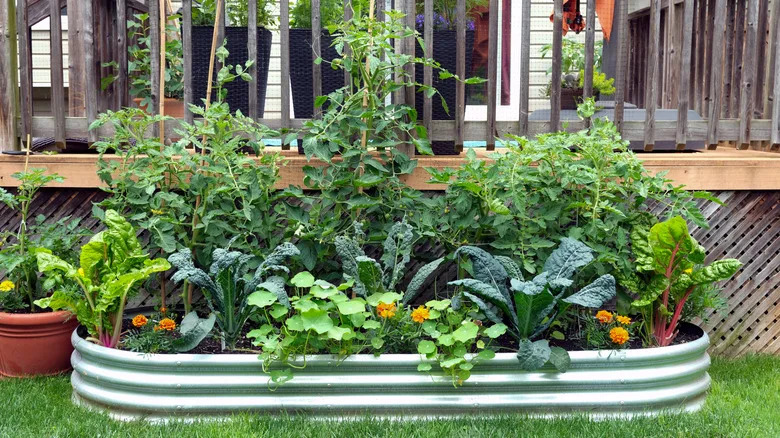
Are you ready to transform your outdoor space into a vibrant haven filled with colorful blooms? Setting up a flower bed might seem tricky at first, but with the right steps, you can create a stunning garden that brings joy all year round.
Imagine stepping outside to see your own burst of nature’s beauty, carefully arranged and thriving under your care. In this guide, you’ll discover simple, practical tips that make flower bed setup easy and fun—even if you’ve never gardened before. Keep reading, and you’ll soon have the confidence to design a flower bed that turns heads and lifts your spirits every day.

Credit: www.youtube.com
Choosing The Right Location
Choosing the right location is the first and most important step in setting up a flower bed. The location affects how well your plants grow and bloom. Consider factors like sunlight, soil, and space before planting. A good spot ensures healthy flowers and less maintenance.
Assess Sunlight And Shade
Check how much sunlight the area receives daily. Most flowers need at least 6 hours of direct sun. Some plants prefer partial shade or full shade. Observe the spot at different times to see sun patterns. This helps pick flowers that will thrive.
Consider Soil Drainage
Good soil drainage prevents water from pooling around roots. Too much water can cause root rot and kill plants. Test drainage by digging a small hole and filling it with water. If water drains within a few hours, the soil drains well. If not, choose a higher or better-drained area.
Check For Space And Accessibility
Ensure enough space for your flower bed to grow without crowding. Leave room to walk and care for the plants easily. Easy access helps with watering, weeding, and harvesting flowers. Avoid areas blocked by fences or large trees that limit space.
Selecting Flowers
Selecting the right flowers is key to a beautiful flower bed. The choice affects how your garden looks and thrives. Pick flowers that match your climate and soil type. Think about the space available and the care each plant needs. This helps create a healthy and lasting flower bed.
Pick Suitable Flower Types
Choose flowers that grow well in your region. Some plants need full sun, others prefer shade. Check the soil type in your garden. Some flowers like sandy soil, while others need rich, moist earth. Pick flowers that match your garden’s conditions for best growth.
Choose Seasonal Blooms
Select flowers that bloom in different seasons. This keeps your flower bed colorful all year. Combine spring bulbs with summer perennials and fall flowers. Seasonal blooms ensure your garden stays lively and fresh through all seasons.
Mix Colors And Heights
Use a variety of colors to make the bed attractive. Mix bright and soft colors for balance. Add flowers with different heights for depth. Tall flowers at the back, medium in the middle, and short at the front. This creates a layered and eye-catching display.
Preparing The Soil
Preparing the soil is the first key step to create a healthy flower bed. Good soil helps flowers grow strong and bloom beautifully. Proper soil preparation improves drainage and nutrient availability. It also makes planting easier and supports root growth.
Clear The Area
Remove all weeds, grass, and debris from the flower bed space. Pull out roots to stop weeds from growing back. Clear rocks and sticks that can block roots or tools. A clean area makes soil work easier and plants healthier.
Loosen And Enrich Soil
Use a garden fork or tiller to loosen the soil to about 12 inches deep. Loose soil allows roots to spread and absorb water well. Mix in organic matter like compost or aged manure to add nutrients. Organic matter also improves soil texture and moisture retention.
Test And Adjust Ph Levels
Test soil pH with a simple kit from a garden store. Most flowers grow best in soil with a pH between 6.0 and 7.0. If soil is too acidic, add lime to raise the pH. Add sulfur or peat moss to lower pH if soil is too alkaline. Correct pH helps plants absorb nutrients efficiently.
Designing The Flower Bed
Choose a sunny spot with good soil for your flower bed. Clear the area, loosen the soil, and plan your plant layout carefully. Mix compost into the soil to help flowers grow strong and healthy.
Designing a flower bed can be a fulfilling experience. A well-designed flower bed enhances your garden’s beauty and charm. It requires planning, creativity, and attention to detail. Let’s explore how to create a stunning flower bed.Plan Layout And Shape
Start by choosing the area for your flower bed. Consider sunlight, soil type, and accessibility. Sketch the layout on paper. Decide if you want a rectangular, circular, or freeform shape. Make sure the shape complements your garden’s overall design.Create Planting Patterns
Select a variety of flowers for visual interest. Group them by height, color, and bloom time. This creates a dynamic and colorful display. Use repetition of certain plants to create harmony. Avoid overcrowding by leaving space for growth.Incorporate Borders And Edging
Define your flower bed with clear borders. Use materials like stones, bricks, or wooden edges. Borders prevent grass invasion and add a neat appearance. Choose a style that matches your garden theme. Keep borders level and secure for durability.Planting Flowers
Planting flowers is the heart of setting up a flower bed. How you place each flower affects its growth and the overall look of your garden. Paying attention to details like hole depth, spacing, and watering can make a big difference.
Dig Proper Holes
Dig holes that are slightly wider and deeper than the root ball of each plant. This gives roots room to spread out comfortably. Avoid making holes too deep; planting too low can cause roots to rot.
When I planted marigolds, I noticed they struggled until I corrected hole depth. After adjusting, they grew stronger quickly. Have you ever seen a plant struggle just because of poor planting depth?
Space Plants Correctly
Give each flower enough space to grow without crowding. Check the plant tag for recommended spacing or research the mature size online. Crowded plants compete for nutrients and light, leading to weak growth.
Spacing also affects airflow, reducing diseases. Imagine a rose bush planted too close to another—can you picture how that might block sunlight or trap moisture?
Water After Planting
Water each plant immediately after placing it in the hole. This helps soil settle around the roots and removes air pockets. Keep the soil moist but not soggy in the following days to help plants establish quickly.
I once skipped this step and saw new plants wilt fast despite regular watering later. Have you noticed how plants perk up right after a good soak?

Credit: www.youtube.com
Maintaining Your Flower Bed
Maintaining your flower bed keeps plants healthy and vibrant throughout the seasons. Consistent care helps flowers grow strong and bloom beautifully. Simple habits protect your garden from common problems.
Regular Watering Tips
Water your flower bed early in the morning or late in the evening. This reduces water loss from evaporation. Check the soil moisture with your finger. Water deeply but less often to encourage strong roots. Avoid wetting the leaves to prevent disease.
Mulching Benefits
Mulch keeps soil moist by reducing evaporation. It also controls weeds by blocking sunlight. Mulch adds nutrients as it breaks down. Use organic materials like bark, straw, or compost. Spread mulch evenly, about 2-3 inches thick, around plants.
Weed And Pest Control
Remove weeds regularly to stop them from stealing nutrients. Pull weeds by hand or use a hoe carefully. Watch for pests like aphids and caterpillars. Use natural remedies such as neem oil or insecticidal soap. Encourage helpful insects like ladybugs to keep pests down.
Enhancing With Accessories
Enhancing your flower bed with accessories can bring a whole new dimension to your garden. Small additions can create focal points, add texture, and make your flower bed stand out even more. Think about what catches your eye in other gardens and how you can make your space uniquely inviting.
Add Decorative Stones
Decorative stones are a simple way to add contrast and structure to your flower bed. You can choose from smooth river rocks, colorful pebbles, or crushed stones to create a neat border or cover bare soil.
Not only do stones reduce weed growth, but they also help with moisture retention in the soil. I once added white pebbles around my roses, and it really highlighted their colors while keeping the bed looking clean.
Use Garden Ornaments
Garden ornaments add personality and charm to your flower bed. From whimsical statues to elegant birdbaths, these elements can reflect your style and create points of interest.
Place ornaments where they won’t overshadow your plants but instead complement them. Have you thought about adding a small fairy statue or a vintage watering can? These can make your garden feel welcoming and playful.
Install Lighting Features
Lighting can transform your flower bed after dark, highlighting your plants and accessories beautifully. Solar-powered stake lights or string lights are easy to install and energy-efficient choices.
Think about placing lights to emphasize your favorite flowers or ornaments. Lighting not only improves aesthetics but also extends the enjoyment of your garden into the evening. What areas in your flower bed deserve a spotlight?
Credit: www.gardenary.com
Frequently Asked Questions
How Do I Choose The Right Location For A Flower Bed?
Choose a spot with adequate sunlight, good drainage, and easy access. Consider the types of flowers you want and their sunlight needs. Avoid areas prone to heavy shade or waterlogging to ensure healthy growth.
What Soil Preparation Is Needed For A Flower Bed?
Remove weeds and debris first. Loosen the soil and mix in organic compost or well-rotted manure. This improves fertility, drainage, and soil structure for optimal flower growth.
How Do I Select Flowers For My Flower Bed?
Pick flowers based on climate, soil type, and sunlight availability. Combine perennials and annuals for continuous bloom. Consider plant height and color harmony for an attractive arrangement.
How Often Should I Water A New Flower Bed?
Water deeply right after planting to settle roots. Keep soil consistently moist for the first few weeks. Adjust watering frequency based on weather and soil moisture levels.
Conclusion
Setting up a flower bed brings beauty to any garden space. Choose the right spot with good sunlight and soil. Prepare the soil well by removing weeds and adding compost. Pick flowers that suit your climate and soil type. Plant them carefully, giving enough space to grow.
Water regularly but avoid overwatering. Keep the flower bed clean and remove dead leaves. Enjoy watching your flowers bloom and brighten your yard. A simple flower bed can bring joy and peace every day. Start small, and grow your garden step by step.



