
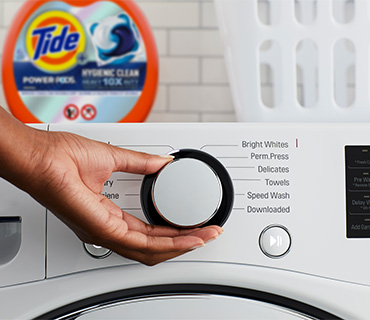
Are you wondering what setting to wash your bed sheets on to keep them fresh and soft? Choosing the right wash setting can make a big difference in how your sheets feel and how long they last.
Too hot, and you might damage the fabric; too cold, and stains may not come out. You’ll discover the simple steps to get your sheets perfectly clean every time. Keep reading to unlock the secrets to better sleep by mastering the art of washing your bed sheets the right way.

Credit: thelinenscompany.com
Choosing The Right Water Temperature
Choosing the right water temperature for washing bed sheets can make a huge difference in how clean and fresh they feel. It affects not only the cleanliness but also the longevity of your sheets. Understanding when to use hot, warm, or cold water helps you care for your linens the right way.
Hot Water Benefits And Drawbacks
Hot water kills bacteria and dust mites effectively, making it a great choice for allergy sufferers or those with sensitive skin. It also removes oils and stains better than cooler temperatures.
However, hot water can fade colors and weaken fabric fibers over time. If your sheets are made from delicate materials or have bright colors, hot water might cause damage or shrinkage.
When To Use Warm Water
Warm water strikes a balance between cleaning power and fabric care. It removes dirt and body oils without putting too much stress on the fabric.
This temperature is ideal for most cotton and polyester blend sheets. It keeps your sheets fresh without the risk of shrinking or fading that hot water might cause.
Cold Water For Delicate Fabrics
Cold water is gentle on delicate fabrics like silk or linen. It preserves the texture and color of your sheets while still providing a basic clean.
Using cold water also saves energy and lowers your utility bills. If your sheets aren’t heavily soiled, cold water can be the perfect choice to maintain their quality.

Credit: barehome.com
Selecting The Best Wash Cycle
Selecting the right wash cycle is important for keeping bed sheets clean and fresh. Different fabrics need different care to last longer and stay soft. Choosing the correct cycle helps protect the material and removes dirt effectively.
Normal Cycle For Durable Sheets
The normal cycle works well for most cotton and polyester sheets. It uses a regular speed and temperature to clean sheets thoroughly. This cycle removes dirt and sweat without damaging strong fabrics. Choose this cycle for everyday washing of durable sheets.
Delicate Cycle For Sensitive Materials
Delicate cycle suits silk, linen, and other sensitive materials. It uses a slow spin and gentle wash to avoid tearing or stretching. This cycle keeps soft fabrics smooth and reduces wear. Use delicate cycle for sheets with a fine texture or special care labels.
Heavy Duty Cycle For Stains
Heavy duty cycle targets tough stains and heavy dirt. It uses a longer wash time and stronger agitation to clean deeply. This cycle works best for thick or heavily soiled sheets. Select heavy duty when sheets have visible stains or need extra cleaning power.
Picking Suitable Detergents
Choosing the right detergent for washing bed sheets can affect their longevity. It ensures they remain soft, clean, and allergen-free. Each type of detergent has unique benefits and drawbacks. Understanding these can help you make informed choices.
Powder Vs Liquid Detergents
Powder detergents are effective for removing tough stains. They often contain bleaching agents. This makes them ideal for white sheets. Liquid detergents dissolve easily, working well in cold water. They are gentle on colored fabrics, preventing fading. Consider your water type. Hard water may require powder for better cleaning.
Eco-friendly And Hypoallergenic Options
Eco-friendly detergents are a good choice for the environment. They contain biodegradable ingredients, reducing chemical impact. Hypoallergenic options are ideal for sensitive skin. They lack harsh chemicals, dyes, and fragrances. Both options are effective yet gentle. They protect your skin and the planet.
Avoiding Fabric Softeners
Fabric softeners can coat fibers, reducing absorbency. They may cause irritation in sensitive individuals. Instead, use white vinegar as a natural softener. It maintains softness without harmful residues. Your sheets will feel fresh and comfortable.
Pre-treatment Tips For Stains
Stains on bed sheets can be stubborn and frustrating. Treating them before washing helps keep sheets fresh and clean. Pre-treatment breaks down stains, making washing more effective. This section shares easy tips to handle common stains. Follow these steps to improve your laundry results and keep sheets looking new.
Common Stain Types On Bed Sheets
Bed sheets often face stains from:
- Food and drink spills like coffee or juice
- Body oils and sweat
- Makeup and lotions
- Blood stains
- Dirt and mud
- Ink or dye marks
Recognizing the stain type helps choose the right pre-treatment method.
Effective Pre-wash Solutions
Use gentle solutions to treat stains before washing:
- Liquid laundry detergent: Apply directly to stain and rub gently
- White vinegar: Works well on sweat and odor stains
- Baking soda paste: Mix with water to remove oils and dirt
- Hydrogen peroxide: Good for blood stains, test on fabric first
- Dish soap: Effective on greasy or makeup stains
Let the solution sit for 10-15 minutes to break down stains.
Soaking Techniques
Soaking helps loosen tough stains before washing:
- Fill a basin with warm water
- Add a scoop of detergent or stain remover
- Submerge sheets fully and soak for 30 minutes to 1 hour
- For stubborn stains, soak overnight with a gentle solution
- Rinse sheets before placing them in the washing machine
Soaking makes washing more effective and protects fabric quality.
Drying Methods For Sheets
Choosing the right drying method for bed sheets helps keep them soft and fresh. It also protects the fabric and extends the sheets’ life. Drying sheets properly prevents damage like shrinking and wrinkling. Here are some effective ways to dry your bed sheets.
Machine Drying Settings
Use a low heat or delicate setting on your dryer. High heat can shrink or weaken the fabric. Remove sheets while they are slightly damp to avoid over-drying. This keeps them soft and reduces wrinkles. Use dryer balls or clean tennis balls to improve air circulation inside the dryer.
Air Drying Advantages
Air drying saves energy and is gentle on sheets. Hang sheets outside or indoors on a drying rack. Fresh air and sunlight can naturally remove odors. Avoid direct sunlight for colored sheets to prevent fading. Air drying reduces wear and keeps sheets looking new longer.
Preventing Wrinkles And Shrinkage
Shake sheets out before drying to reduce wrinkles. Use a fabric softener or dryer sheet in the machine. Fold or put sheets on the bed immediately after drying. Avoid over-drying, which causes shrinkage and stiffness. Iron sheets on a low setting if needed for a smooth finish.
Maintaining Sheet Quality Over Time
Keeping your bed sheets in great condition over time takes more than just regular washing. The way you wash, store, and care for your sheets directly impacts their softness, color, and durability. Paying attention to these details helps you enjoy fresh and comfortable sheets night after night without them wearing out quickly.
Frequency Of Washing
How often you wash your sheets can make a big difference. Washing your sheets every one to two weeks is usually enough to keep them clean without causing unnecessary wear. If you sweat a lot at night or have allergies, washing weekly is better.
Washing too frequently, like every few days, can weaken the fibers and cause fading. On the other hand, waiting too long allows dirt and oils to build up, which can damage the fabric. Find a balance that suits your lifestyle and keeps your sheets fresh.
Storage Tips For Clean Sheets
Proper storage preserves your sheets’ quality between uses. Always store sheets in a cool, dry place to prevent moisture buildup, which can cause mildew or unpleasant odors. Avoid plastic bags or airtight containers; instead, use breathable cotton bags or pillowcases.
Stack your sheets neatly to avoid wrinkles and fabric stress. If you want to keep them smelling fresh, add a small sachet of dried lavender or cedar chips. Does your current storage method protect your sheets or harm them over time?
Avoiding Color Fading
Bright, vibrant sheets look inviting and feel special. To keep colors from fading, wash sheets in cold water and use a gentle detergent made for colors. Avoid bleach or harsh chemicals that strip dye from fabric fibers.
Turning sheets inside out before washing also protects the surface from friction and direct contact with other clothes. Air-drying in the shade rather than under direct sunlight further helps preserve color. How often do you consider these simple steps to keep your sheets looking new?

Credit: www.abt.com
Frequently Asked Questions
What Is The Best Water Temperature To Wash Bed Sheets?
Use warm water for most bed sheets to remove dirt and allergens effectively. Hot water suits white and cotton sheets. Avoid hot water for delicate fabrics to prevent damage.
Which Washing Cycle Is Ideal For Bed Sheets?
Choose a gentle or normal cycle to protect fabric fibers. Avoid heavy-duty cycles unless sheets are heavily soiled. This helps preserve the sheets’ quality and softness.
Should I Use Bleach When Washing Bed Sheets?
Use bleach only on white, durable sheets to remove stains and bacteria. Avoid bleach on colored or delicate sheets to prevent fading and fabric damage.
How Often Should You Wash Bed Sheets?
Wash bed sheets every one to two weeks for hygiene. Frequent washing helps reduce dust mites, allergens, and bacteria buildup, ensuring a clean and healthy sleep environment.
Conclusion
Choosing the right wash setting keeps bed sheets fresh and clean. Use warm water for most fabrics to remove dirt and germs. Delicate sheets need a gentle cycle to avoid damage. Avoid hot water unless sheets are very dirty or white.
Dry sheets on low heat to keep them soft. Regular washing helps maintain comfort and hygiene. Clean sheets make better sleep and a healthier bed. Simple steps lead to longer-lasting bedding and better rest. Keep these tips in mind for perfect sheet care every time.



