
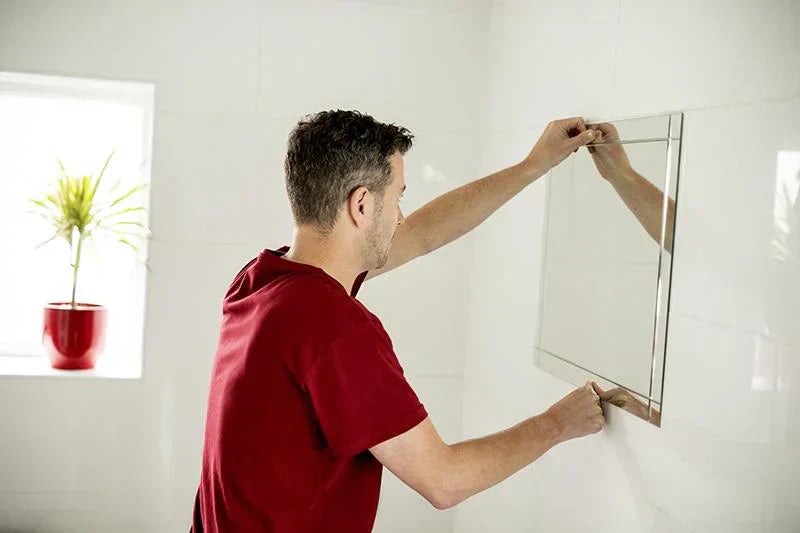
Are you tired of struggling with nails, hammers, and messy holes every time you want to hang a mirror? What if you could mount your mirror securely without damaging your walls?
Imagine a clean, easy way to add style and light to your room without the hassle or permanent marks. You’ll discover simple, effective methods to mount your mirror safely and beautifully—no nails required. Keep reading, and you’ll learn tricks that save time, protect your walls, and make your space look amazing.
Choose The Right Mirror
Choosing the right mirror is crucial when you want to mount it on the wall without using nails. The wrong mirror can make your job harder or even damage your wall. Selecting a mirror that fits your space and mounting method will make the process smoother and safer.
Consider Mirror Size And Weight
The size and weight of your mirror directly affect how you mount it. Large, heavy mirrors need stronger support, while smaller, lighter ones give you more flexibility.
Ask yourself: How much space do you have? A mirror that’s too big might overwhelm a small room or be tough to secure without nails. On the other hand, a small mirror might not give you the visual impact you want.
Check the weight before buying. Many adhesive hooks and strips specify their weight limits. If your mirror is heavier than these limits, look for alternative mounting solutions like heavy-duty adhesive or brackets designed for no-nail use.
Select Suitable Frame Material
The frame material influences both the mirror’s weight and how well it sticks to the wall.
- Wood framestend to be heavier, which means you’ll need stronger mounting products.
- Metal framescan vary in weight but often require careful handling to avoid wall damage.
- Plastic or resin framesare usually lighter and easier to mount without nails.
Think about your wall surface too. Smooth surfaces like painted drywall or tiles work best with adhesive products, while textured walls might need special mounting strips or hooks.
Have you ever tried mounting a mirror only to find it slipping down after a few days? Choosing a frame material that pairs well with your mounting method can save you from that frustration.

Credit: bfymirror.com
Explore Alternative Mounting Methods
Mounting a mirror without nails might seem tricky, but there are several effective alternatives that protect your walls and keep your mirror secure. These options are perfect if you’re renting, want to avoid damage, or simply prefer a cleaner look. Let’s look at some practical ways you can hang your mirror without reaching for a hammer.
Use Adhesive Strips And Hooks
Adhesive strips and hooks are popular because they’re easy to use and remove without leaving marks. They hold surprisingly well for lightweight to medium mirrors.
Choose strips rated for your mirror’s weight and follow the packaging instructions closely. Press firmly and wait the recommended time before hanging your mirror to ensure a strong bond.
Have you ever tried repositioning a mirror only to find holes or chipped paint? Adhesive strips can save you from that frustration.
Try Double-sided Mounting Tape
Double-sided mounting tape offers a quick, mess-free way to stick mirrors on smooth surfaces like tile or painted drywall.
Make sure the surface is clean and dry before applying the tape. Press the mirror firmly against the wall to create a secure hold.
This option works best for smaller mirrors, so always check the tape’s weight limits to avoid accidents.
Apply Mirror Mastic Or Glue
Mirror mastic or specialized glue is designed for a strong, permanent hold on heavier mirrors. It’s a good choice when you want a seamless look without visible supports.
Spread the mastic evenly on the back of the mirror, then press it onto the wall. Use temporary supports or tape to hold the mirror in place while it cures.
Have you noticed how some mirrors feel loose despite hanging hardware? Proper adhesive application can prevent that entirely.
Utilize Tension Rods Or Stands
Tension rods and stands let you display mirrors without touching the walls at all. A tension rod fits between two surfaces and can support lightweight mirrors.
Freestanding mirror stands give you flexibility to move the mirror wherever you like. They’re especially handy for full-length mirrors or decorative pieces.
What if you want to change your room layout frequently? These options offer a no-fuss way to keep your mirror ready for any design switch.
Prepare The Wall Surface
Preparing the wall surface is a crucial step before mounting a mirror without nails. A clean and suitable wall ensures the adhesive or mounting method holds firmly. Proper preparation prevents damage and keeps the mirror stable for a long time.
Clean And Dry The Area
Start by removing dust, dirt, and grease from the wall. Use a mild detergent and water with a soft cloth. Avoid harsh chemicals that could damage the paint or wall surface. After cleaning, dry the area completely. Moisture can weaken adhesives and cause the mirror to fall.
Check Wall Material Compatibility
Identify the wall material to choose the right mounting method. Common wall types include:
- Drywall
- Tile
- Glass
- Wood
- Concrete
Some adhesives work better on smooth surfaces, while others suit porous walls. Test a small patch of adhesive on the wall first. Avoid mounting on wallpaper or rough textured surfaces without proper backing.
Credit: bfymirror.com
Step-by-step Mounting Process
Choose a strong adhesive tape or hook designed for mirrors. Clean the wall surface thoroughly before applying. Press the mirror firmly against the wall for secure attachment.
Mounting a mirror on the wall without using nails might seem like a challenge, but with the right steps, it’s a straightforward process. Whether you’re renting and want to avoid wall damage or simply prefer a nail-free approach, this guide will walk you through each step. Let’s dive into the details and ensure your mirror is securely and stylishly displayed.Measure And Mark Placement
Start by deciding where you want your mirror to hang. Use a measuring tape to determine the exact spot on the wall. Mark the top and bottom edges lightly with a pencil. This ensures your mirror is centered and aligned. Consider the room’s lighting and reflection angles for the best visual effect.Attach Adhesive Or Hooks Correctly
Choose the right adhesive strips or hooks based on your mirror’s weight. This is crucial for safety and stability. Follow the instructions on the adhesive package carefully. Attach the strips to the back of the mirror and press firmly. Let the adhesive set for the time recommended on the package. This step ensures the bond is strong.Secure The Mirror Safely
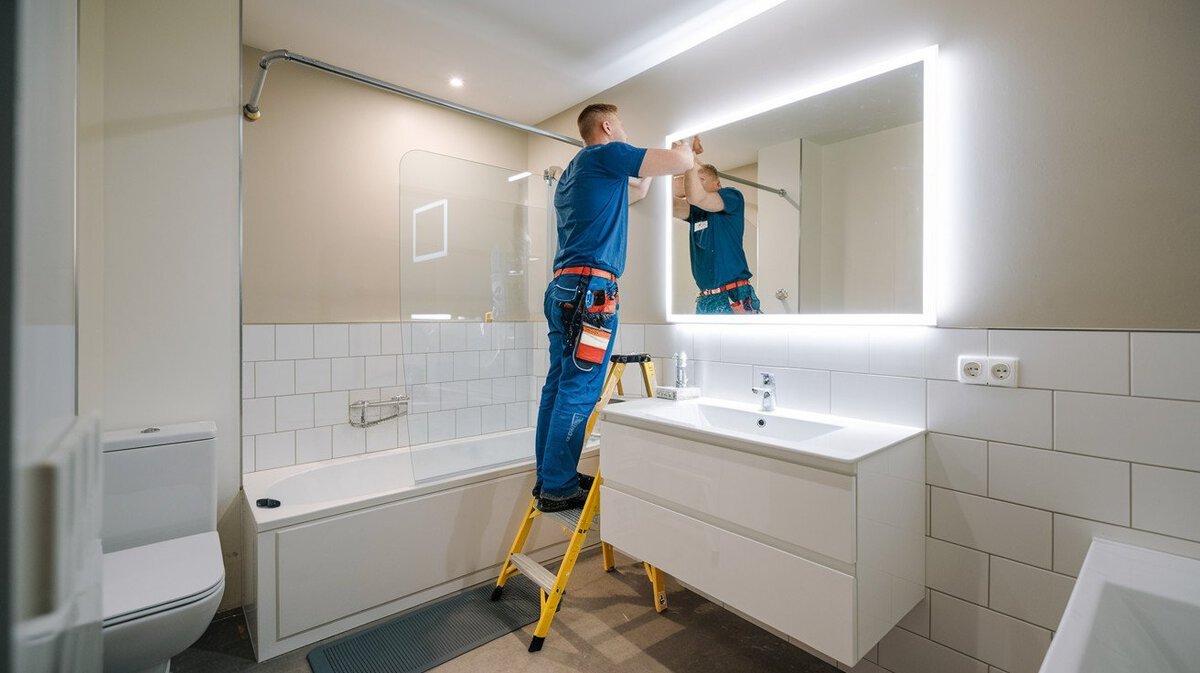
Gently lift the mirror and align it with the pencil marks on the wall. Press the mirror firmly against the wall, applying even pressure to ensure the adhesive sticks. Stand back and check the alignment. Adjust if necessary to achieve a perfect look. Remember, choosing the right tools and taking your time can prevent mishaps. Have you tried mounting a mirror this way before? It’s a game-changer for easy home updates!Tips For Long-lasting Hold
Ensuring your mirror stays securely mounted without nails requires more than just picking the right adhesive or mounting tape. You need to think about how your environment and the mirror’s characteristics affect the hold over time. Paying attention to these details can save you from unexpected falls and damage.
Avoid Excessive Weight
Heavier mirrors demand stronger supports. If you use adhesive strips or hooks meant for lightweight items, the risk of your mirror slipping increases dramatically. Always check the weight limit on your mounting product and choose one that exceeds your mirror’s weight by a comfortable margin.
Have you ever tried mounting a mirror only to see it come loose after a few days? That usually happens when the weight is underestimated. Smaller mirrors are easier to manage without nails, but larger or framed ones might need extra reinforcement or alternative mounting solutions.
Maintain Stable Temperature And Humidity
Fluctuations in temperature and humidity can weaken adhesives and cause materials to expand or contract. Placing your mirror in areas like bathrooms or kitchens, where humidity tends to spike, can reduce the lifespan of your mounting method.
Try to mount mirrors in rooms with consistent climate conditions. If you can’t avoid humid areas, consider adhesives designed to withstand moisture or use additional non-nail supports for extra security. Think about how your room’s environment might affect the hold over weeks and months—not just the first day.

Credit: ledmirrorworld.co.uk
Remove Mirror Without Damage
Removing a mirror from the wall without causing damage can be tricky but definitely doable. The key is to be patient and use the right techniques to loosen the adhesive holding the mirror. If you rush or use the wrong tools, you risk cracking the mirror or damaging your wall’s surface.
Use Heat Or Solvent For Adhesives
Applying heat can soften the adhesive behind the mirror. You can use a hairdryer on medium heat, moving it slowly across the edges. This warms up the glue, making it easier to peel the mirror away without force.
If heat alone doesn’t work, try a solvent like rubbing alcohol or adhesive remover. Dab it carefully along the edges with a cotton ball or cloth. Let it sit for a few minutes to break down the glue before you attempt to lift the mirror.
Lift Gently To Prevent Wall Marks
Start by prying the mirror gently at the corners using a plastic putty knife or a thin spatula. Avoid metal tools that can scratch your wall or mirror frame. Work slowly and wiggle the mirror slightly to loosen the grip evenly.
Have you ever pulled too hard and left a mark or chip on your wall? Taking your time and lifting the mirror bit by bit helps prevent those unsightly dents. Keep a soft cloth handy to protect the mirror surface as you work it free.
Frequently Asked Questions
What Materials Are Needed To Mount A Mirror Without Nails?
You need strong adhesive strips, mounting tape, or hooks designed for mirrors. Ensure the surface is clean and dry for better adhesion. Choose products that support your mirror’s weight for safety and durability.
How Do Adhesive Strips Hold Heavy Mirrors On Walls?
Adhesive strips use strong glue and a locking mechanism to secure the mirror. They distribute weight evenly, preventing damage. Always check the weight limit on packaging to match your mirror’s size.
Can Mirrors Be Mounted Without Damaging Walls?
Yes, using no-nail solutions like adhesive strips or hooks preserves wall integrity. These methods avoid holes or cracks, making them ideal for renters or temporary setups. Remove them carefully to prevent residue or paint peeling.
Is It Safe To Mount Mirrors Without Nails Long-term?
Properly applied adhesive products can hold mirrors securely for years. Ensure the wall surface is suitable and adhesive is rated for your mirror’s weight. Regularly check stability to avoid accidents or damage.
Conclusion
Mounting a mirror without nails is simple and safe. Use strong adhesive strips or hooks designed for walls. These tools hold the mirror firmly without damage. Choose a clean, dry surface for better grip. Take your time to align the mirror straight.
This method keeps walls clean and avoids holes. You can change or move the mirror easily later. Enjoy your space with a fresh, neat look. No nails, no fuss. Just a smart, easy way to hang mirrors.



