
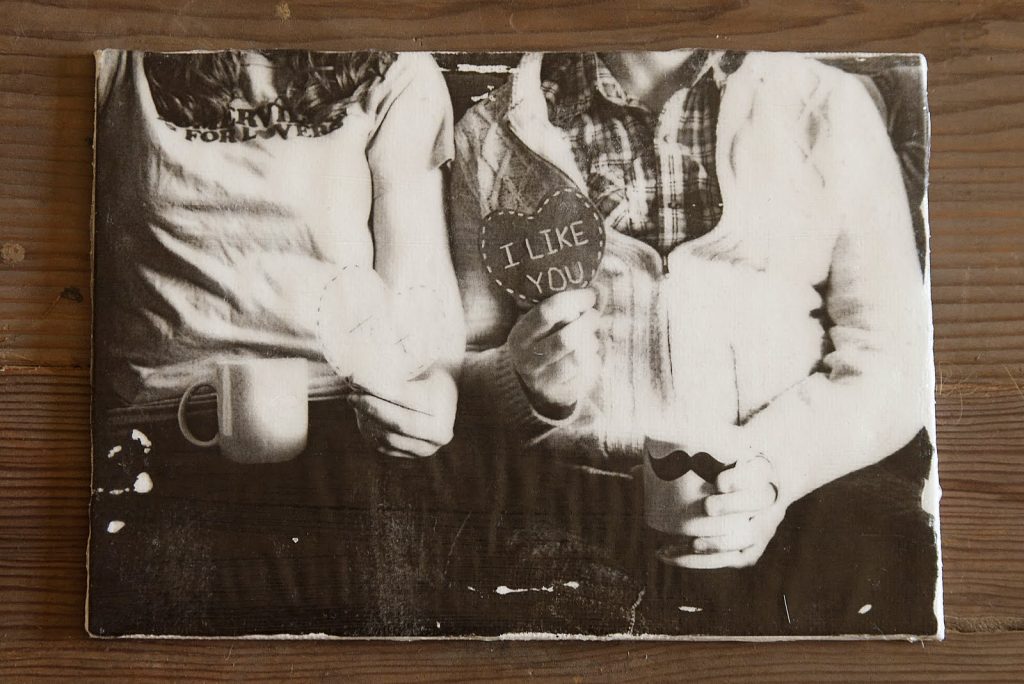
Have you ever wanted to turn your favorite photo into a beautiful canvas that you can proudly display at home? Imagine seeing your special moments come to life on a textured surface, adding warmth and personality to any room.
Transferring a photo to a canvas is easier than you might think, and you don’t need to be a professional artist to do it. In this guide, you’ll discover simple, step-by-step methods to create your own stunning canvas art. Ready to transform your memories into lasting decor?
Keep reading to find out how.
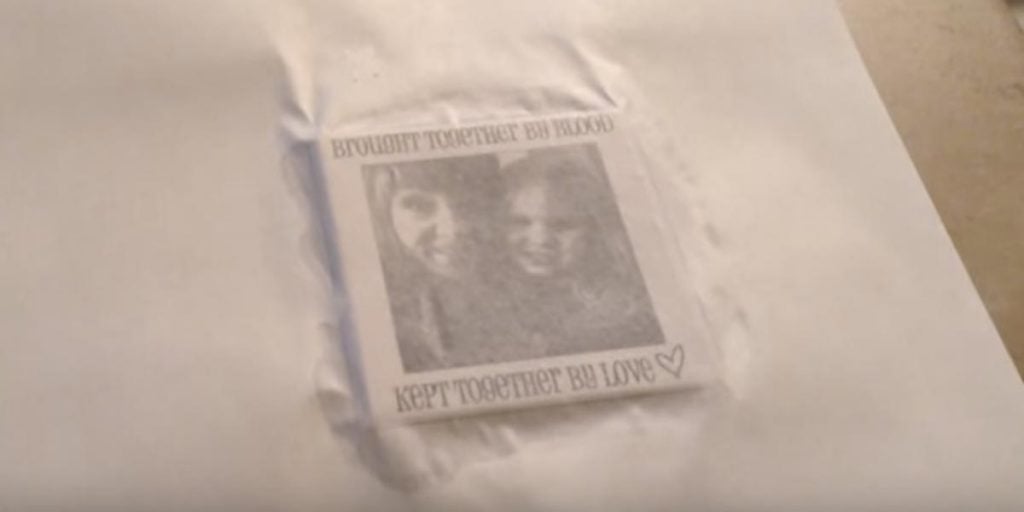
Credit: diyjoy.com
Choosing The Right Photo
Choose a clear, high-quality photo with good lighting and simple details. Bright images transfer better onto canvas and show vibrant colors. Select a photo that fits the canvas size for the best results.
Choosing the right photo to transfer onto a canvas is a crucial step that sets the foundation for a beautiful piece of art. A well-chosen image can bring out the best in your canvas, evoking emotion and sparking conversation. Let’s dive into the essentials of selecting the perfect photo for your canvas masterpiece.Selecting High-quality Images
When choosing a photo, always opt for high-quality images. A picture with vibrant colors and sharp details will translate beautifully onto canvas. Consider a vacation snapshot with clear skies or a candid portrait where every detail stands out.Considering Image Resolution
Image resolution is key to ensuring your photo doesn’t look pixelated when enlarged. Aim for a resolution of at least 300 DPI for the best results. If you’re unsure, check your photo’s settings; the higher the pixel count, the better.Picking Photos With Strong Composition
Strong composition in a photo can make all the difference. Look for images with a clear focal point or those that follow the rule of thirds. A well-composed photo can guide the viewer’s eye and create a lasting impression. Choosing the right photo is more than just a technical decision; it’s a creative one. Which of your photos captures a moment or feeling you want to share with others?
Credit: www.youtube.com
Gathering Materials
Gathering the right materials is the first step to transferring a photo to canvas. Having everything ready ensures a smooth and successful project. It helps avoid interruptions and keeps the process enjoyable.
Types Of Canvases
Choosing the right canvas affects the final look of your photo transfer. Canvases come in many forms:
- Stretched Canvas:Pre-stretched on wooden frames, ready to use.
- Canvas Panels:Canvas glued to a rigid board, easy to handle.
- Roll Canvas:Unstretched canvas that you can cut to size and stretch yourself.
Stretched canvases offer a professional finish. Panels are budget-friendly and great for beginners.
Essential Tools And Supplies
Gather these tools for a smooth transfer process:
- Photo print on regular or laser paper
- Gel medium or transfer medium
- Brushes or foam applicators
- Squeegee or credit card for smoothing
- Water spray bottle
- Soft cloth or sponge
- Scissors or craft knife
These tools help apply and reveal your photo on the canvas neatly. A clean workspace and patience also help.
Choosing Transfer Mediums
The transfer medium plays a key role in how your photo appears on canvas. Common options include:
- Gel Medium:Thick and clear, it dries strong and smooth.
- Mod Podge:A popular craft medium that seals and transfers well.
- Photo Transfer Medium:Designed specifically for photo transfers.
Select a medium that suits your photo type and canvas texture. Test on scrap pieces to see the effect.
Preparing The Photo
Preparing the photo is a key step before transferring it to a canvas. It ensures the image looks clear and fits well on the canvas. Taking time to prepare the photo helps avoid mistakes and saves materials. Follow these tips to get your photo ready perfectly.
Resizing And Editing
Start by resizing the photo to match the canvas size. Use photo editing software to adjust the dimensions without losing quality. Crop the image to remove any unwanted parts. Brighten or adjust contrast to make the photo pop. Keep the edits simple and natural for the best results.
Printing On Suitable Paper
Choose the right paper for printing the photo. Glossy photo paper works well for sharp and vivid images. Matte paper offers a softer look and reduces glare. Make sure the paper is thick enough to handle the transfer process. Use a high-quality printer for the best print clarity.
Mirroring The Image
Mirror the photo before printing, especially for iron-on transfers. This step flips the image horizontally. Text and certain designs need to be mirrored to appear correctly on the canvas. Check the preview on your editing software to confirm the mirror effect. Skipping this step can cause backwards prints.
Preparing The Canvas
Preparing your canvas is the foundation for transferring a photo successfully. If the canvas isn’t ready, the image won’t stick well or look sharp. Taking the time to clean, prime, and apply base coats will make a big difference in the final result.
Cleaning And Priming
Start by wiping your canvas with a dry cloth to remove dust and loose fibers. If the surface feels rough or has any debris, lightly sand it with fine-grit sandpaper. This helps the primer stick better.
Next, apply a layer of gesso or a similar primer. It seals the canvas and creates a smooth surface for your photo transfer. Don’t rush this step—an uneven base can cause your image to distort or peel later.
Applying Base Coats
Once the primer is dry, add a base coat of acrylic paint if you want a colored background behind your photo. White is the most common choice because it makes colors pop, but soft neutrals can add warmth or a vintage feel.
Use a wide brush to spread the paint evenly. Thin coats work better than one thick layer because they dry faster and prevent cracking. How might changing your base coat color affect the mood of your finished piece?
Drying Time Considerations
Patience is key here. Allow each layer—primer and paint—to dry completely before moving on. Depending on the environment, drying can take anywhere from 30 minutes to a few hours.
Rushing this process might trap moisture, leading to bubbling or peeling later. To speed things up, place your canvas in a warm, dry spot, but avoid direct sunlight which can cause uneven drying.
Transferring The Photo
Transferring a photo onto canvas can bring your images to life in a tactile, artistic way. It’s a process that requires some patience, but the results are rewarding. Choosing the right transfer technique depends on the materials you have and the finish you want.
Using Gel Medium Transfer
This technique uses a clear gel medium to lift the image from paper and embed it into the canvas surface. First, print your photo on regular paper with a laser printer to ensure the ink will transfer properly.
Apply a thick layer of gel medium to the canvas, then place your photo face down on the gel. Smooth out any bubbles or wrinkles gently with a brush or your fingers. Let it dry completely—this can take several hours or overnight.
Once dry, dampen the paper with water and carefully rub it off with your fingers or a soft cloth. The image will stay embedded in the gel, revealing a slightly textured, vintage look. Have you tried this? The tactile feel always surprises new artists.
Iron-on Transfer Method
This method works well if you want a clean, sharp image on your canvas quickly. Use transfer paper designed for fabric or canvas and print your photo onto it with an inkjet printer. Remember to mirror the image before printing if it contains text or directional elements.
Place the transfer paper face down on the canvas, then apply heat with a household iron following the paper’s instructions. Press firmly and evenly to ensure the ink moves from the paper to the canvas fibers. Let it cool before peeling off the backing paper slowly to avoid tearing.
This process is straightforward but requires careful attention to heat and pressure. Have you noticed some transfer papers work better on certain canvas textures? Experimenting can save you frustration.
Tracing And Freehand Techniques
If you prefer more control or want to add a personal touch, tracing or freehand drawing might be your best option. Start by printing your photo and using a lightbox or window to trace the outline onto the canvas with a pencil.
Once traced, you can paint or color over the lines using acrylics or fabric markers. This technique allows you to modify the image, add details, or emphasize certain areas. It’s perfect if you enjoy combining photography with traditional art skills.
Have you ever transformed a photo into a mixed-media piece this way? It’s a chance to make the image truly yours and explore your creativity beyond simple transfers.

Credit: www.youtube.com
Finishing Touches
After transferring your photo onto the canvas, the finishing touches make all the difference in bringing your artwork to life. These final steps not only enhance the image but also protect it for years to come. You might be surprised how small details can transform your piece from good to gallery-worthy.
Sealing The Artwork
Sealing your canvas is essential to protect the transferred image from dust, moisture, and fading. Use a clear acrylic spray or brush-on varnish designed for canvas. Choose between matte, satin, or glossy finishes depending on the look you want.
Spray sealers offer a quick and even coat but require a well-ventilated area. Brush-on varnishes give you more control and can add texture, but apply thin layers to avoid streaks. Have you considered how sealing can intensify colors or soften the appearance? Experiment with small test areas first.
Adding Paint Or Details
Once sealed, you can add paint to enhance highlights or deepen shadows. Acrylic paints work well on canvas and dry quickly, allowing you to build layers. Use fine brushes to outline details or add subtle touches that make the image pop.
Think about areas that feel flat or lack contrast—adding a bit of white or black paint can create depth. Don’t hesitate to personalize your piece by including small accents or textures. What unique elements could make your photo stand out even more?
Protecting The Canvas
Protecting your finished canvas is key to maintaining its beauty over time. Consider framing it behind glass or placing it in a spot away from direct sunlight and humidity. If you hang it, use hooks that keep the canvas slightly off the wall to prevent moisture buildup.
Storing your canvas properly when not displayed also helps avoid damage. Wrapping it in acid-free paper and keeping it flat can prevent warping. How can you create a safe environment that respects the effort you put into your artwork?
Troubleshooting Common Issues
Transferring a photo to canvas can sometimes present challenges. Small errors might affect the final look of your artwork. Troubleshooting these common issues helps you get better results and enjoy the process more.
Dealing With Blurred Images
Blurred images often happen if the photo resolution is too low. Use a high-quality, clear photo for transfer. Avoid resizing the image too much before printing. Make sure the transfer surface is smooth and clean. Press evenly during the transfer to prevent smudging. Let the canvas dry completely before touching it.
Fixing Transfer Mistakes
Smudges and uneven transfers can spoil your canvas. Use a damp cloth gently to wipe off small errors before drying. For bigger mistakes, lightly sand the canvas after it dries. Reapply the transfer medium and try again carefully. Work slowly and patiently to avoid repeating errors.
Ensuring Longevity Of The Art
Protect your transferred photo to keep it looking good for years. Apply a clear sealant or varnish after the transfer dries. Store the canvas away from direct sunlight and moisture. Avoid touching the surface often to prevent damage. Frame the canvas or hang it in a safe place.
Frequently Asked Questions
How Do You Transfer A Photo Onto Canvas?
To transfer a photo onto canvas, print the image using a laser printer. Apply gel medium on the canvas. Place the printed image face down and smooth out bubbles. Let it dry completely, then gently peel off the paper backing to reveal the transferred photo.
What Materials Are Needed For Photo-to-canvas Transfer?
You need a canvas, a laser-printed photo, gel medium, a brush or sponge, and a scraper. Optionally, use a sealant to protect the final artwork. These materials help ensure a smooth and durable photo transfer onto canvas.
Can I Use An Inkjet Print For Canvas Transfer?
Inkjet prints are generally not recommended for photo-to-canvas transfers. Laser prints work best because their toner bonds well with gel medium. Inkjet inks may smudge or not transfer properly, resulting in poor image quality on the canvas.
How Long Does The Photo Transfer Process Take?
The process takes about 24 hours for the gel medium to dry fully. Initial application and placement take around 15–30 minutes. Patience is key to ensure a clean transfer and a durable photo image on your canvas.
Conclusion
Transferring a photo to canvas is a simple and fun project. You only need a few materials and some patience. Each step helps your photo turn into art you can display. Try different photos and techniques to see what you like best.
This craft lets you create personal, beautiful pieces for your home or gifts. Keep practicing, and your skills will improve with time. Enjoy turning your memories into lasting canvas art.



