
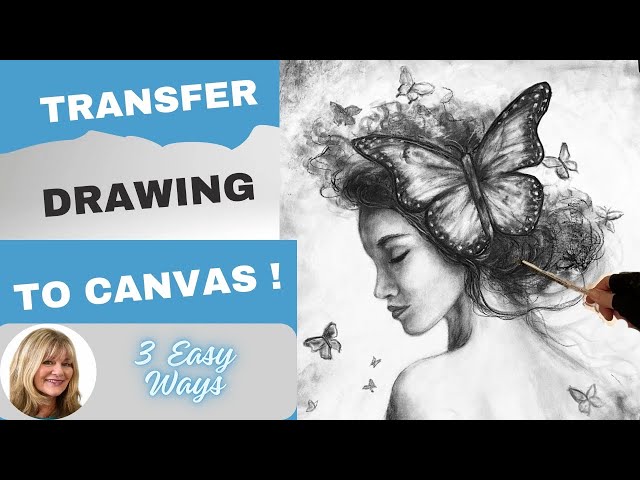
Have you ever wanted to turn your favorite photo into a stunning piece of art? Transferring a picture to canvas is easier than you think, and it can give your space a personal touch that stands out.
Whether you’re looking to decorate your home or create a heartfelt gift, this simple technique lets you showcase your memories in a whole new way. Keep reading, and you’ll discover step-by-step how to bring your images to life on canvas with tools you probably already have.
Get ready to transform your photos into beautiful, lasting art!
Choosing The Right Picture
Choosing the right picture for your canvas transfer is crucial for creating a stunning visual display. The picture you select sets the tone and impacts the overall aesthetic of your canvas art. This section will guide you through selecting high-quality images, considering image size and resolution, and matching picture style to canvas art.
Selecting High-quality Images
High-quality images are essential for a clear and vibrant canvas transfer. Look for pictures with sharp details and vibrant colors. A well-taken photo can transform a simple canvas into a masterpiece.
Personal experiences can be a great source of high-quality images. Did you capture an unforgettable sunset on your last vacation? Such moments, captured in high resolution, make for excellent canvas art.
Considering Image Size And Resolution
Image size and resolution are critical when transferring a picture to canvas. A low-resolution image might look pixelated or blurry when enlarged. Aim for images with a resolution of at least 300 DPI for the best results.
Check the dimensions of your image before starting. Is it large enough to cover the canvas without losing quality? This simple check can save you from disappointing results.
Matching Picture Style To Canvas Art
Your picture should complement the style of your canvas art. Consider the mood and setting where the canvas will be displayed. A black and white photo might suit a minimalist room, while a colorful landscape could brighten a lively space.
Think about your personal style. Do you prefer abstract, modern, or classic art? Matching the picture style to your taste ensures the canvas feels personal and meaningful.
Choosing the right picture isn’t just about technical details; it’s about creating art that speaks to you. What story do you want your canvas to tell?

Credit: fixthephoto.com
Gathering Materials
Before you begin transferring your picture to canvas, gathering the right materials is key. Having everything ready saves you from interruptions and ensures your transfer looks sharp and lasts long. Let’s break down what you’ll need to get started on the right foot.
Essential Tools And Supplies
Start with a high-quality printer and transfer paper designed for the medium you choose. You’ll also need a canvas, transfer medium, a brush or sponge for application, and a protective sealant to finish your artwork.
Don’t forget basic tools like scissors, a ruler, and a clean cloth to handle delicate transfers. Having a heat source like an iron or heat press can make a big difference in how well your image sticks.
What’s the most frustrating part you’ve faced when your transfer didn’t stick well? It’s often because one of these basics was missing or not suitable.
Types Of Canvases To Use
Choosing the right canvas depends on your project’s style and durability needs. Cotton canvases are common and affordable but may absorb more medium, affecting image clarity.
Linen canvases offer a smoother surface and better durability, ideal for detailed transfers and professional finishes. You can also find pre-primed canvases, which save prep time and help your image stay vibrant.
Consider your final display—will your canvas be indoors or outdoors? This influences your choice as some canvases handle weather better than others.
Choosing Transfer Mediums
Your transfer medium affects both the quality and longevity of your image. Gel mediums are popular for their ease of use and strong adhesion on canvas surfaces.
Mod Podge is another favorite, combining glue and sealant properties, which simplifies the process for beginners. For permanent transfers, acrylic mediums or specialized transfer gels may provide a more durable finish.
Think about whether you want a matte or glossy finish—this choice impacts how your image looks under different lighting. Have you experimented with different mediums to see which one holds your style best?
Preparing The Canvas
Preparing your canvas properly sets the foundation for a successful picture transfer. Skipping or rushing this stage can lead to uneven surfaces and poor adhesion, which might ruin your artwork. Taking time to clean, prime, and base coat your canvas ensures your image will transfer smoothly and look vibrant.
Cleaning And Priming The Surface
Start by wiping the canvas with a clean, dry cloth to remove dust and debris. If your canvas feels rough, lightly sand it with fine-grit sandpaper to create a smoother surface.
Next, apply a layer of gesso to prime the canvas. Gesso acts like a sealant and helps your picture stick better. Use a wide, flat brush and apply even strokes, covering the entire canvas.
Applying Base Coats
After the gesso dries, add a base coat of acrylic paint if you want to influence the tones of your transferred image. A white or light-colored base often works best to keep colors bright.
Think about the mood you want your final piece to have. Darker base coats can add depth but might dull the transferred picture. Test on a small canvas piece to see how the colors interact.
Drying Time Tips
Allow the gesso and base coats to dry completely before moving on. This usually takes about 1-2 hours, depending on your environment.
To speed up drying, place the canvas in a warm, dry spot with good air circulation. Avoid touching the surface to prevent fingerprints or smudges.
Have you ever had your image transfer peel or blur? Proper drying might be the missing step you overlooked.
Methods To Transfer Pictures
Transferring a picture to canvas can be a rewarding process, allowing you to bring your favorite images into a new artistic form. The key is choosing a method that fits your skill level and the materials you have on hand. Each technique offers unique results and can be tailored to your creative goals.
Using Graphite Paper
Graphite paper is a simple and effective way to transfer images. You place the graphite sheet between your picture and the canvas, then trace over the image with a pencil or pen. This leaves a clear outline on the canvas, ready for painting or further detailing.
This method is great if you want precise control and prefer working manually. It’s also affordable and widely available. Have you tried tracing with graphite paper before? You might be surprised how accurate your results can be.
Gel Medium Transfer Technique
The gel medium transfer technique uses a special acrylic gel to move a printed image onto the canvas. You apply the gel to the canvas, press the printed image face down, and let it dry completely. After drying, gently rub away the paper to reveal the transferred image beneath.
This approach creates a unique, textured look that feels integrated with the canvas surface. It works best with laser-printed images and requires patience during the drying phase. If you enjoy hands-on, experimental art, this method might become your favorite.
Iron-on Transfer Method
Iron-on transfers allow you to move images using heat. You print your picture on special transfer paper, place it on the canvas, and apply an iron to activate the transfer. The heat melts the image onto the canvas surface.
This method is fast and produces vibrant colors, but it’s essential to use the correct transfer paper and adjust the heat carefully to avoid damage. Have you ever used an iron for creative projects? It’s easier than you might think to get professional-looking results.
Projector Tracing Approach
If you want to work with large or detailed images, a projector can be a powerful tool. Simply project the picture onto your canvas and trace the outlines with a pencil or marker. This saves time and ensures accuracy, especially for complex designs.
This method is excellent if you have access to a digital projector and want to scale your image easily. It also allows you to adjust the size of the picture on the fly. What image would you like to bring to life on a larger canvas?
Final Touches And Sealing
After transferring your picture onto the canvas, the project isn’t quite finished yet. The final touches and sealing are what bring your artwork to life and ensure it lasts for years. These steps help you enhance details, protect the image, and prepare it for display in a way that suits your style and space.
Adding Paint Or Details
Once the image is transferred, you can add paint to sharpen lines, brighten colors, or create new textures. Using acrylic paints works well because they dry quickly and blend easily. You might want to outline key features or add shadows to give your piece more depth.
Think about where your picture feels incomplete or flat. Adding small brushstrokes or highlights can make a big difference in making the image pop. Have you ever noticed how just a touch of white or black can transform a photo into a striking painting?
Using Varnishes For Protection
Sealing your canvas with a varnish protects the surface from dust, dirt, and fading caused by light exposure. Choose between matte, satin, or glossy finishes depending on the look you prefer. Spray varnishes offer an even coat without disturbing your artwork, while brush-on varnishes give more control.
Make sure to apply the varnish in thin, even layers. This prevents streaks and keeps your image vibrant. Have you considered how sealing not only preserves but also enhances the colors and details you carefully worked on?
Framing And Display Ideas
Framing your canvas can elevate your artwork and make it ready for any wall. Floating frames add a modern touch by creating space between the canvas and the frame, while traditional wood frames offer a classic look. You can also skip framing and hang the canvas as is for a casual vibe.
Where you display your canvas matters too. Avoid direct sunlight to prevent fading. Try grouping your piece with other art or photos to create a personal gallery wall. What kind of setting will best showcase your work and draw attention to the details you’ve enhanced?

Credit: www.youtube.com
Troubleshooting Common Issues
Transferring a picture to canvas can sometimes bring unexpected challenges. Small mistakes may cause smudges, blurs, or color fading. Understanding how to fix these common issues helps keep your artwork looking sharp and vibrant. Troubleshooting early avoids frustration and wasted materials. This section covers practical tips to improve your canvas transfers.
Fixing Smudges And Blurs
Smudges often happen when the transfer isn’t dry before handling. Let the image dry fully before touching the surface. Use a soft cloth to gently wipe away minor smudges. For blurs, check the pressure applied during transfer. Too much pressure can spread ink or toner. Press evenly but lightly to avoid blurring. Using a clean, smooth tool also helps keep lines sharp.
Handling Transfer Failures
Transfer failures occur if the image doesn’t stick well to the canvas. Make sure the canvas surface is clean and dry before starting. Avoid using too much moisture during the process. If the image peels off, press it again with a warm iron or burnishing tool. Reprint the picture on a fresh sheet if the original fails repeatedly. Testing on scrap canvas can prevent big mistakes.
Preserving Colors And Sharpness
Colors may fade or look dull after transfer. Use high-quality prints with rich ink for better results. Protect the finished canvas with a clear sealant spray designed for art. Avoid exposing the canvas to direct sunlight for long periods. Keep the canvas in a dry place to prevent moisture damage. Sharpness improves by using crisp, high-resolution images and smooth transfer techniques.
Creative Tips For Unique Canvas Art
Creating unique canvas art adds personality and depth to any space. Simple picture transfers can become stunning focal points with creative touches. Using a few artistic tricks helps your canvas stand out. Explore ways to bring texture, color, and meaning to your transferred image.
Experimenting With Mixed Media
Combine different materials on your canvas for an eye-catching effect. Use paint, fabric, paper, or natural elements alongside the transferred picture. This adds texture and interest that paint alone cannot achieve. Try layering acrylic paint over the image to highlight details.
Glue small objects or textured papers around or on top of the transfer. These elements create a 3D feel and invite closer inspection. Mixed media makes each artwork truly one of a kind.
Layering Techniques
Build depth by applying layers on the canvas. Start with a base coat of color or texture before transferring your image. Add thin washes of paint in selective areas to blend the picture with the background.
Use transparent gels or varnishes between layers to protect and enhance the surface. Paint over parts of the transfer to soften or sharpen features. Layering encourages dynamic compositions that hold the viewer’s attention.
Incorporating Text And Patterns
Add words or phrases to give your art a message or theme. Use stencils, stamps, or freehand writing for variety. Text can emphasize emotions or explain the image’s story.
Introduce patterns around or inside the picture for a decorative touch. Simple shapes like dots, stripes, or swirls work well. Patterns balance the composition and create rhythm across the canvas.

Credit: www.youtube.com
Frequently Asked Questions
How Do I Transfer A Photo To Canvas At Home?
You can transfer a photo to canvas using gel medium, heat transfer, or direct printing. Choose a method based on your materials and skills for best results.
What Materials Are Needed For Picture Transfer To Canvas?
You need a printed photo, canvas, gel medium or transfer paper, a brush, and a scraper. These tools help you achieve a clean and durable image transfer.
Can I Use Any Printer For Photo Transfer To Canvas?
Inkjet printers are ideal for photo transfers due to their ink type. Laser printers can work but may require special transfer paper for best results.
How Long Does It Take To Transfer An Image To Canvas?
The transfer process typically takes 30 minutes to 2 hours, including drying time. Drying is crucial for a smooth and lasting finish.
Conclusion
Transferring a picture to canvas can be simple and fun. Follow the steps carefully for the best results. Use the right materials and take your time. Practice makes the process easier and more enjoyable. Soon, you will create beautiful canvas art from your photos.
Try different pictures to see what works best. Enjoy turning your memories into lasting artwork. Keep experimenting and have fun with your creativity.



