
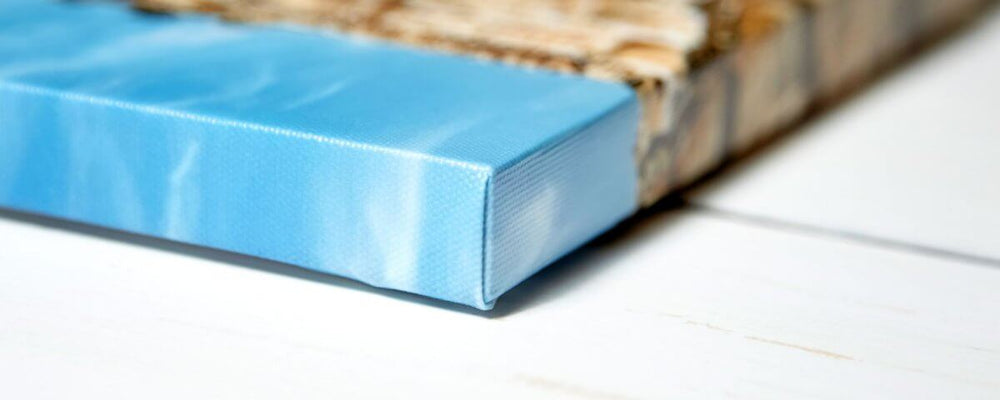
Have you ever wondered how to turn your favorite photos or designs into beautiful canvas prints? Printing on canvas is a fantastic way to bring your memories and creativity to life.
Whether you want to decorate your home or create a unique gift, knowing the simple steps to print on canvas can make all the difference. You’ll discover easy techniques and insider tips that will help you achieve stunning results every time.
Ready to transform your ideas into eye-catching canvas art? Let’s dive in!
Choosing The Right Canvas
Printing on canvas can transform your digital images into stunning pieces of art. However, the key to achieving a masterpiece lies in choosing the right canvas. This decision impacts the texture, durability, and overall aesthetic of your print. Let’s explore the essential aspects you should consider when selecting a canvas for printing.
Types Of Canvas Materials
Canvas materials come in a variety of options, each offering a distinct feel and finish. The most common types include cotton and polyester. Cotton canvas provides a classic look and absorbs ink well, resulting in rich colors and textures. Polyester, on the other hand, is known for its durability and ability to maintain color vibrancy over time.
Blended canvases combine the best of both worlds, offering the texture of cotton with the strength of polyester. Think about your needs: Do you prioritize texture and natural feel, or is longevity and color fastness more important to you?
Canvas Sizes And Thickness
Canvas size and thickness are crucial in determining the final look of your print. Standard sizes range from small 8×10 inches to large 36×48 inches and beyond. Consider the space where you plan to hang your canvas. A larger room might demand a more substantial print to make an impact.
Thickness, or the weight of the canvas, also plays a role in the print’s quality. Thicker canvases (measured in ounces per square yard) are generally more durable and less prone to warping. Evaluate how you want your canvas to feel—is a lightweight option sufficient, or do you need something more robust?
Primed Vs. Unprimed Canvas
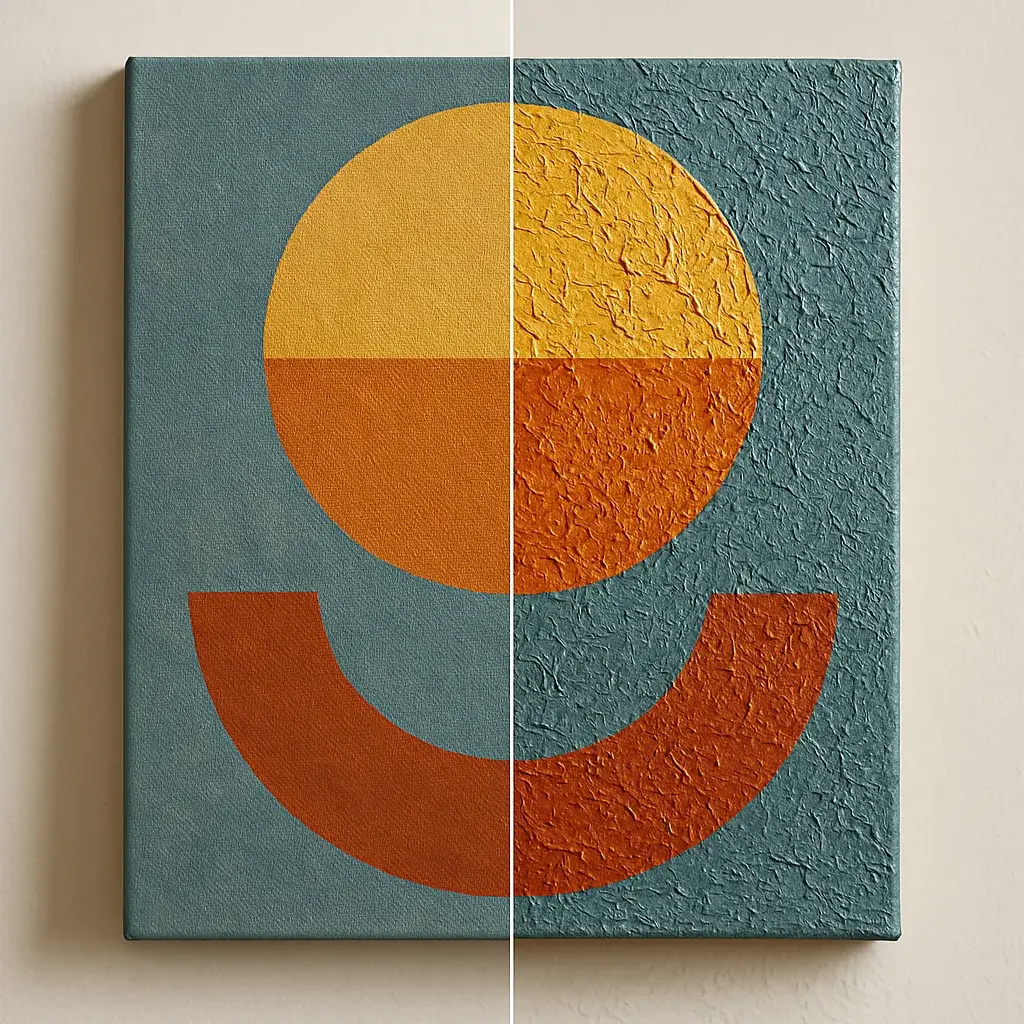
Priming refers to the preparation of the canvas surface to accept ink or paint. Primed canvases are coated with a layer of gesso, providing a smooth surface that enhances ink adhesion. This results in vibrant and sharp prints. Unprimed canvases, with their raw texture, offer a more rustic and organic appearance but can absorb ink unevenly.
Your choice between primed and unprimed depends on the aesthetic you wish to achieve. Are you aiming for a clean, polished look or a more natural, textured finish? This decision will shape the overall character of your printed canvas.
Selecting the right canvas for printing is not just a technical decision, but also an artistic one. By considering the type of material, size, thickness, and priming, you can ensure that your canvas print not only meets your practical needs but also aligns with your creative vision. What story do you want your canvas to tell?
Preparing Your Image
Preparing your image is a crucial step before printing on canvas. The quality of your final print depends heavily on how well you select, edit, and format your photo. Taking time here can save you from pixelated, dull, or improperly sized prints that don’t do justice to your vision.
Selecting High-resolution Photos
Start with images that have high resolution. Ideally, your photo should be at least 300 DPI (dots per inch) to ensure sharp details on the canvas.
Low-resolution photos often look blurry or pixelated after printing. Think about the size of your canvas and choose photos that match or exceed that size in pixels. For example, if your canvas is 16×20 inches, your image should be at least 4800×6000 pixels.
Have you ever tried printing a beautiful photo only to find it fuzzy? That’s usually because the resolution was too low. Always check your image size before moving forward.
Editing And Color Correction
Editing your photo improves its overall look and makes colors pop on canvas. Simple adjustments like brightness, contrast, and saturation can make a big difference.
Use photo editing software to fix any imperfections such as red-eye, dust spots, or unwanted objects. Pay attention to skin tones or natural colors, as canvas prints can sometimes mute colors slightly.
Ask yourself if the photo reflects the mood you want. Do you want it vibrant and lively or soft and muted? Adjust colors accordingly, but avoid over-editing, which can make the print look unnatural.
Image Formatting And File Types
Save your edited image in the right file format to maintain quality. TIFF and PNG files are excellent choices because they don’t compress the image too much.
JPEGs are common but can lose detail due to compression, so if you use JPEG, save it with the highest quality settings. Avoid formats like GIF or BMP for printing purposes.
Make sure your file is in the correct color profile, usually sRGB or Adobe RGB, to ensure colors print accurately. Double-check the dimensions and resolution one last time before sending your file to print.
Printing Methods For Canvas
Printing on canvas offers many ways to bring images and artwork to life. Each printing method gives a unique look and feel. Understanding these methods helps choose the right one for your project.
Inkjet Printing
Inkjet printing uses tiny nozzles to spray ink directly onto the canvas. It creates sharp and vibrant images with smooth color transitions. This method works well for detailed photographs and art prints. It is widely used for home and professional printing.
Giclée Printing
Giclée printing is a high-quality form of inkjet printing. It uses archival inks that last longer without fading. The print resolution is very high, capturing fine details and rich colors. Giclée prints are popular for gallery displays and fine art reproductions.
Screen Printing
Screen printing pushes ink through a mesh screen onto the canvas. Each color requires a separate screen, making it best for simple designs. This method creates bold, vibrant colors with a textured feel. It is often used for posters, signs, and graphic art.
Dye Sublimation
Dye sublimation uses heat to transfer dye onto specially coated canvas. The dye turns into gas and bonds with the canvas fibers. This process produces bright colors and a smooth finish. It is ideal for custom designs and personalized gifts, but works only with polyester or coated canvases.

Credit: thestackhouse.com
Setting Up Your Printer
Setting up your printer correctly is crucial for achieving the best results when printing on canvas. It’s not just about hitting the print button; understanding your printer’s capabilities and making the right adjustments will save you time and material. Let’s break down the essentials to get your printer ready for canvas printing.
Printer Compatibility
Not every printer can handle canvas printing. You need a printer that supports thick media and can manage the texture of canvas without smudging or jamming. Inkjet printers, especially those designed for photo printing, are usually your best bet.
Check your printer’s specifications for maximum media thickness and type support. Some printers list “fine art paper” or “canvas” as compatible media. If your printer manual doesn’t mention canvas, consider contacting the manufacturer or testing a small canvas sheet.
Ink Selection
The type of ink you use directly affects the durability and vibrancy of your canvas print. Pigment-based inks are often preferred over dye-based inks because they resist fading and water damage better.
Think about where your canvas will be displayed. If it’s outdoors or in a humid area, pigment inks provide long-lasting color. You can also experiment with specialized inks like archival or photo inks to enhance color depth and longevity.
Printer Calibration And Settings
Calibration ensures your printer delivers accurate colors and sharp details on canvas. Start by running a nozzle check to ensure all ink cartridges are working properly. This simple step can prevent streaks and color gaps.
Adjust your printer settings for canvas or heavy media. Increase the print resolution to capture fine details, and reduce the print speed if the option is available—this helps the ink dry evenly and prevents smudging. Use your printer’s color management tools or ICC profiles tailored for canvas to get true-to-life colors.
Have you noticed how a simple setting tweak can transform your print quality? Take your time to test and adjust until you see the results you want. This hands-on approach often beats relying solely on default settings.
Step-by-step Printing Process
Printing on canvas transforms digital images into beautiful, textured art pieces. The process requires care and precision to ensure vibrant colors and sharp details. Understanding each stage helps achieve the best results. Below is a clear guide through the printing steps.
Preparing The Canvas
Choose high-quality canvas material designed for printing. Make sure it is clean and free of dust. Cut the canvas to the size needed for your project. If using a roll, flatten it to remove wrinkles. Some canvases need a special coating to hold ink well. Apply this coating evenly and allow it to dry completely.
Loading The Canvas
Set up your printer according to the manufacturer’s instructions. Adjust settings for canvas printing to get optimal color and detail. Carefully place the canvas into the printer tray. Ensure it is aligned straight to avoid crooked prints. Select the right media type on the printer software. This step helps the printer adjust ink flow correctly.
Executing The Print
Send the image file to the printer. Monitor the printing process closely to catch any issues early. Some printers apply ink in multiple passes for better color depth. Avoid touching the canvas surface during printing. Ink takes time to settle and dry on the fabric. Patience here prevents smudging and uneven colors.
Drying And Curing
After printing, allow the canvas to dry in a clean, dust-free area. The drying time varies based on ink type and environment humidity. Some inks require heat curing to set colors permanently. Use a heat press or oven at low temperature if needed. Once dry and cured, the canvas is ready for stretching or framing.
Credit: blog.teoprint.com
Finishing Touches
After printing your artwork on canvas, the finishing touches are what truly bring your piece to life. These steps protect your print and prepare it for display, ensuring it looks professional and lasts for years. Paying attention to these details can make a noticeable difference in how your canvas art is perceived.
Applying Protective Coatings
Protective coatings shield your canvas from dust, moisture, and UV damage. You can choose from matte, satin, or glossy finishes depending on the look you want. Applying a spray varnish is quick and effective—hold the can about 12 inches away and spray in even strokes.
Remember to work in a well-ventilated area to avoid inhaling fumes. Protective coatings also help prevent fading, which is crucial if your canvas will hang in sunlight. Have you ever noticed how a glossy finish can make colors pop, while a matte finish softens the look? Your choice impacts the final vibe of your artwork.
Stretching And Framing The Canvas
Stretching your canvas over a wooden frame gives it a polished, gallery-ready appearance. You can buy pre-made stretcher bars or build your own if you enjoy DIY projects. Use a staple gun to secure the canvas tightly, starting from the center and working your way out to avoid wrinkles.
Framing adds another layer of sophistication and protects the edges of your canvas. Floating frames are popular because they create a modern, clean look without covering the artwork. Have you tried stretching your own canvas? It can be surprisingly easy and rewarding.
Mounting Options
How you mount your canvas affects both its display and longevity. Wall hooks, wire hangers, or cleats offer different levels of stability and ease of installation. For heavier canvases, a French cleat system provides strong support and prevents tilting.
Consider the space where your canvas will hang—would a simple hook suffice, or do you need a more secure mount? Experimenting with different mounting styles can change how your art interacts with the room. What mounting option fits your lifestyle and home best?
Troubleshooting Common Issues
Printing on canvas can sometimes cause issues that affect your final artwork. Troubleshooting these problems early saves time and improves print quality. Here are common issues you might face and how to solve them.
Color Inconsistencies
Colors may appear different on canvas than on screen. This happens due to color profiles and printer settings.
- Use the correct ICC profile for your printer and canvas.
- Calibrate your monitor to match printed colors.
- Choose high-quality inks designed for canvas printing.
- Allow prints to dry fully before judging colors.
Ink Smudging
Ink smudges if the canvas does not absorb ink properly or if it is handled too soon.
- Use canvas coated for inkjet printing to reduce smudging.
- Let the print dry completely in a dust-free area.
- Avoid touching the printed surface until dry.
- Set your printer to the correct drying time for canvas.
Canvas Warping
Canvas warps due to moisture or uneven drying. Warping affects print appearance and framing.
- Keep canvas in a dry, room-temperature space before printing.
- Use a flat surface to dry prints to prevent curling.
- Stretch the canvas properly after printing to maintain shape.
- Store unused canvas rolls horizontally to avoid bends.
Printer Jams
Printer jams occur when canvas feeds incorrectly through the printer.
- Use canvas sheets compatible with your printer model.
- Load the canvas gently and align it properly in the tray.
- Clean printer rollers regularly to prevent slippage.
- Check for debris or torn pieces inside the printer.
Maintaining And Caring For Printed Canvas
Printed canvas art can brighten any space. Taking care of it keeps colors bright and textures fresh. Proper maintenance helps your canvas last for years. Simple habits protect your investment and preserve its beauty.
Cleaning Tips
Dust your canvas regularly using a soft brush or microfiber cloth. Avoid water or cleaning sprays that may damage the print. For stubborn dirt, gently wipe with a slightly damp cloth. Never scrub or use harsh chemicals. Let the canvas dry completely before rehanging.
Avoiding Sun Damage
Sunlight can fade colors and weaken fabric fibers. Hang your canvas away from direct sunlight or use UV-protective glass. Rotate the canvas occasionally to prevent uneven fading. Use curtains or blinds to reduce light exposure during peak hours.
Storage Recommendations
Store canvas prints in a cool, dry place. Keep them upright or flat, avoiding heavy pressure on the surface. Wrap canvases in acid-free paper to protect from dust and moisture. Avoid plastic bags that trap humidity. Check stored canvases periodically for signs of damage.
Professional Printing Vs. Diy
Deciding between professional printing and doing it yourself can shape the final look and feel of your canvas art. Both options have clear benefits and trade-offs that affect your budget, the quality of the print, and how much control you have over the process. Understanding these differences helps you pick the best fit for your project and expectations.
Cost Comparison
DIY printing usually starts with lower upfront costs since you only need basic supplies like a printer, canvas sheets, and ink. However, quality ink and canvas can add up, especially if you want a durable, vibrant print.
Professional printing involves paying for expert services and materials, which can seem expensive at first glance. But this price often covers high-end equipment, color accuracy, and lasting materials, potentially saving you money on reprints or corrections.
- DIY can cost less for small projects or quick tests.
- Professional printing is more cost-effective for large or multiple prints.
Quality Differences
Professional printers use advanced machines that deliver sharp images with rich colors and consistent results. They also offer specialized coatings and finishes that protect your canvas from fading and damage over time.
DIY prints might lack the same level of detail or color depth due to home printer limitations. Yet, with careful setup and quality materials, you can still produce impressive results, especially for casual or personal use.
| Aspect | Professional Printing | DIY Printing |
|---|---|---|
| Color Accuracy | High, calibrated machines | Variable, depends on printer and settings |
| Durability | Long-lasting coatings | Prone to fading or smudging |
| Detail | Fine and crisp | May lose sharpness |
When To Choose Each Option
Ask yourself how important perfect color and longevity are for your canvas. If you want a piece to display professionally or gift, professional printing is often worth the investment.
DIY printing works well if you’re experimenting with designs, need a quick project, or enjoy the hands-on process. It also suits those who want full control over every step and are okay with some trial and error.
What matters most to you—cost savings, quality, or creative control? Your answer will guide the best choice for printing on canvas.
Credit: www.canva.com
Frequently Asked Questions
What Materials Are Needed To Print On Canvas?
You need canvas fabric, a printer compatible with canvas, ink, and heat press or laminator. Proper materials ensure vibrant, lasting prints.
Can I Use A Regular Printer For Canvas Printing?
Regular printers may not handle thick canvas well. Specialized printers with pigment or dye inks work best for clear, durable results.
How Do I Prepare Canvas For Printing?
Stretch or secure the canvas flat. Clean the surface to remove dust. Proper preparation prevents smudges and ensures sharp prints.
What Types Of Ink Work Best On Canvas?
Pigment-based inks provide vibrant colors and resist fading. Dye-based inks are less durable but offer bright color options.
Conclusion
Printing on canvas brings your photos and art to life. It adds texture and depth to your images. Choose the right printer and materials for the best results. Take time to prepare your files carefully. Stretch the canvas tightly for a clean look.
Enjoy creating unique, beautiful pieces for your home or gifts. With patience and practice, your prints will improve. Canvas printing is a great way to show creativity and style. Give it a try and see your ideas come alive!



