
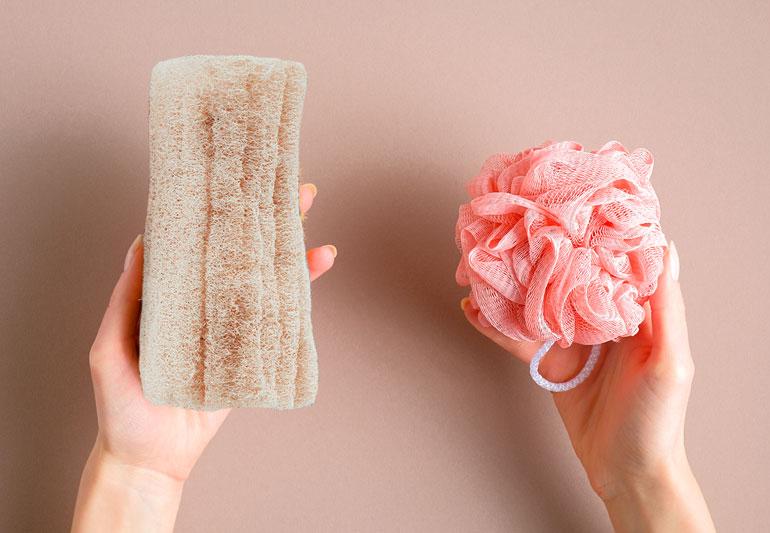
Are you making the most out of your plastic bath pouf? If you’re not sure how to use it properly, you might be missing out on smoother skin and a more refreshing shower experience.
This simple tool can turn your daily routine into a spa-like moment, but only if you know the right way to use it. Keep reading, and you’ll discover easy steps to get the best results from your bath pouf every time you wash.
Your skin will thank you!
Choosing The Right Pouf
Choosing the right plastic bath pouf makes a big difference in your shower routine. The perfect pouf cleans your skin gently and feels comfortable. Several factors matter when selecting one. These include the material, size, texture, durability, and hygiene. Understanding these points helps pick the best pouf for your needs.
Material Types
Plastic bath poufs come in various materials. Most common is nylon, which is soft and dries quickly. Polypropylene is another option; it is slightly firmer and long-lasting. Some poufs mix materials to balance softness and strength. Choose a material that feels gentle on your skin and suits your preference.
Size And Texture Options
Sizes range from small to large poufs. Small ones are easy to hold and great for travel. Large poufs create more lather and cover more skin. Texture varies too. Some have fine mesh for sensitive skin, while others are thicker for deep cleansing. Pick a size and texture that match your skin type and washing style.
Durability And Hygiene
Durability affects how long the pouf lasts. High-quality poufs resist tearing and keep their shape after many uses. Hygiene is crucial because poufs can trap bacteria. Select poufs that dry fast and clean easily. Replace your pouf every few weeks to keep your skin healthy and fresh.
Preparing Your Pouf
Preparing your plastic bath pouf correctly sets the stage for a refreshing and effective bathing experience. It’s not just about grabbing it from the package and using it right away. Taking a moment to clean and soak your pouf can improve its softness and help it last longer.
Cleaning Before Use
Before your first use, rinse the pouf thoroughly under warm water. This helps remove any dust or manufacturing residues that might be on the surface. Gently squeeze the pouf a few times to make sure water flows through all its layers.
If you want to be extra cautious, soak the pouf in a mild soap solution for a few minutes. This step can reduce bacteria buildup and make your pouf feel fresher from the start. Have you ever noticed how a new pouf sometimes feels scratchy? Cleaning it first will help avoid that discomfort.
Soaking Tips
Soaking your pouf before use softens the plastic mesh, making it gentler on your skin. Fill a bowl or your bathtub with warm water and let the pouf sit for about 5 to 10 minutes. You’ll find it easier to work up a rich lather afterward.
Adding a few drops of your favorite body wash or liquid soap to the soaking water can boost the scent and cleaning power. Just be sure not to soak it for too long to avoid weakening the material. How much softer could your skin feel with just this simple prep step?
Applying Soap Or Body Wash
Applying soap or body wash with a plastic bath pouf can enhance your shower experience. The right technique ensures a thorough cleanse and a refreshing feel. Discover how to maximize your pouf’s potential for clean, soft skin.
Best Products To Use
Choose a soap or body wash that suits your skin type. For sensitive skin, mild or hypoallergenic products work best. Moisturizing body washes are ideal for dry skin. These options keep your skin hydrated and soft.
Look for products with natural ingredients. They are gentle and effective. Popular choices include aloe vera or shea butter-infused washes. These offer extra nourishment while cleansing.
Creating A Rich Lather
Wet the bath pouf thoroughly before adding soap. This helps create a rich lather. Squeeze a small amount of body wash onto the center of the pouf. A dime-sized amount is usually enough.
Rub the pouf between your hands. This action builds up the lather. Circular motions work best. You will notice the foam increasing quickly.
A rich lather makes cleaning your skin easier. It helps in reaching every part of your body. The luxurious foam feels soothing and refreshing.
Credit: health.clevelandclinic.org
Proper Scrubbing Techniques
Mastering proper scrubbing techniques with a plastic bath pouf can transform your shower routine. The right approach helps your skin feel fresh without causing irritation. It’s about knowing where to focus, how to move, and when to ease off.
Gentle Circular Motions
Use soft, circular movements to lather and cleanse your skin. This technique helps distribute soap evenly and stimulates blood flow without being harsh. Think of it as waking up your skin rather than scrubbing it raw.
I once rushed through scrubbing and ended up with red, sensitive spots. Switching to gentle circles made a noticeable difference in skin comfort and appearance. How often do you check if your scrubbing feels soothing or abrasive?
Targeting Rough Areas
Some parts of your body need extra attention, like elbows, knees, and heels. Focus your pouf on these rough patches using slightly firmer pressure. But keep the strokes controlled to avoid damaging the skin’s surface.
- Apply a little more soap on the pouf for these areas.
- Use small, deliberate circles to break down dead skin.
- Rinse the pouf frequently to avoid buildup.
Avoiding Over-exfoliation
It’s tempting to scrub hard for that squeaky-clean feeling, but overdoing it can harm your skin barrier. Limit your scrubbing to once or twice a week, especially if you have sensitive or dry skin. Pay attention to any redness or discomfort—it’s your skin’s way of signaling it needs a break.
Have you noticed how your skin reacts after a vigorous scrub? Adjusting your routine based on these signs helps maintain healthy skin without stripping away natural oils.
Rinsing And Drying
Rinsing and drying your plastic bath pouf properly is key to keeping it clean and safe for your skin. Skipping these steps can lead to bacteria buildup, making your daily shower less hygienic. Let’s dive into how you can rinse it thoroughly and dry it effectively to extend its lifespan and protect your skin.
Thorough Rinse Methods
After you finish scrubbing, hold your bath pouf under warm running water. Squeeze and release it repeatedly to flush out soap, dead skin, and dirt trapped inside. This simple action helps remove residues that can cause unpleasant odors or skin irritation.
If you want a deeper clean, soak your pouf in a mixture of water and white vinegar for about 5 minutes. Vinegar acts as a natural disinfectant and breaks down soap scum. Rinse it again thoroughly afterward to remove any vinegar smell.
Have you ever noticed your pouf still feels slimy after rinsing? Try running it under hot water for 30 seconds to kill lingering bacteria. Just make sure the temperature isn’t too high to avoid damaging the plastic fibers.
Drying To Prevent Bacteria
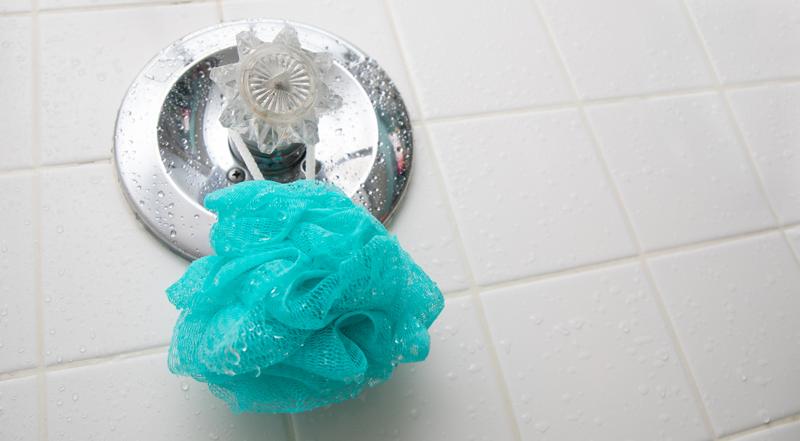
Moisture is a breeding ground for bacteria, so drying your pouf quickly is essential. Shake off excess water and hang it in a well-ventilated area. Avoid leaving it in a damp shower corner where it stays wet for hours.
I learned this the hard way when my pouf developed an unpleasant smell after being left in a shower caddy. Since switching to a hook outside the shower, it dries much faster and stays fresh longer.
Consider rotating between two poufs. This gives each one ample time to dry completely between uses, reducing bacteria growth. Do you notice a difference in how fresh your poufs feel when you switch regularly?
Maintaining Your Bath Pouf
Maintaining your plastic bath pouf keeps it fresh and safe to use. A clean pouf helps avoid bacteria and mold build-up. Proper care extends its life and keeps your skin healthy.
Regular Cleaning Schedule
Rinse your bath pouf thoroughly after each use. Squeeze out excess water to help it dry faster. Hang it in a well-ventilated area to prevent moisture buildup.
Once a week, soak the pouf in a mixture of warm water and mild soap. Let it sit for 10 minutes to remove dirt and oils. Rinse well and let air dry completely before using again.
Disinfect the pouf regularly by soaking it in diluted vinegar or a gentle antibacterial solution. This kills germs and keeps the pouf hygienic.
Replacing Your Pouf
Replace your bath pouf every 2 to 3 months. Over time, it can trap bacteria even with cleaning. Signs you need a new pouf include a bad smell, discoloration, or frayed texture.
Using a worn-out pouf can cause skin irritation or infections. Choose a new pouf made from soft, durable material. Keep up with regular cleaning to enjoy a fresh pouf longer.
Benefits For Skin
Using a plastic bath pouf can do more than just help you get clean. It actually offers several benefits that can improve your skin’s health and appearance over time. Let’s look at how it can make a real difference for your skin.
Exfoliation Effects
A plastic bath pouf gently scrubs away dead skin cells, revealing fresher skin underneath. This prevents clogged pores and reduces rough patches, which can make your skin feel smoother and softer. Have you noticed how your skin feels after a good scrub? That’s the pouf at work, removing buildup you didn’t even realize was there.
Improved Circulation
Massaging your skin with a bath pouf boosts blood flow. Increased circulation brings more oxygen and nutrients to your skin cells, helping them stay healthy and repair faster. Next time you use your pouf, pay attention to how your skin feels tingly or warm—this is a sign your circulation is improving.
Enhanced Skin Glow
Regular use of a bath pouf can brighten your complexion by clearing away dull, dead skin. The combination of exfoliation and better circulation gives your skin a natural, healthy glow. Have you ever wondered why your skin looks fresher after a spa treatment? Your plastic bath pouf can help bring that glow into your daily routine.

Credit: amazerbath.com
Common Mistakes To Avoid
Using a plastic bath pouf seems simple, but many make mistakes that reduce its benefits. Avoiding these errors keeps your skin healthy and your pouf lasting longer. A few small changes make a big difference in your bath routine.
Using Too Much Pressure
Pressing hard with a bath pouf can irritate your skin. The plastic mesh gently lifts dirt and dead skin. Scrubbing too hard may cause redness or scratches. Use light, circular motions instead. Let the pouf do the work without force.
Keeping It Wet Too Long
Leaving your pouf wet after use promotes bacteria growth. Moisture is a perfect place for germs to multiply. Rinse it well and squeeze out excess water. Hang it in a dry, airy spot to dry fast. This prevents bad odors and skin infections.
Sharing Your Pouf
Sharing a bath pouf spreads bacteria and skin germs. Each person’s skin has different bacteria types. Using your own pouf reduces the risk of infections. Replace your pouf every few weeks. This keeps your skin clean and healthy.

Credit: muselect.en.made-in-china.com
Frequently Asked Questions
How Do You Properly Use A Plastic Bath Pouf?
Wet the pouf and apply a small amount of body wash. Gently rub it in circular motions on your skin. Rinse your body thoroughly and hang the pouf to dry after use to prevent bacteria growth.
How Often Should You Replace A Bath Pouf?
Replace your plastic bath pouf every 3 to 4 weeks. Frequent replacement prevents bacteria buildup and keeps your skin healthy. Regular cleaning between uses also extends its lifespan.
Can A Plastic Bath Pouf Exfoliate Your Skin?
Yes, a plastic bath pouf gently exfoliates by removing dead skin cells. Use it with mild pressure to avoid irritation. Regular exfoliation promotes smoother, cleaner skin.
How Do You Clean A Plastic Bath Pouf?
Rinse the pouf thoroughly after each use. Soak it weekly in a solution of water and vinegar or bleach. Allow it to air dry completely to keep it hygienic.
Conclusion
Using a plastic bath pouf can make your shower routine simple and fun. It helps create a rich lather with little soap or body wash. Gently scrub your skin to remove dirt and dead cells. Rinse it well after use to keep it clean and last longer.
Replace your pouf every few weeks for good hygiene. A small step that gives smooth and fresh skin every day. Try these tips and enjoy your bath time more.



