
Are you struggling with stale air or lingering odors in your home? Proper ventilation can make a huge difference in the air you breathe every day.
Knowing how to ventilate a house the right way helps keep your living space fresh, healthy, and comfortable. You’ll discover simple, effective tips that anyone can use to improve airflow and reduce moisture. Keep reading to learn how easy it is to transform your home into a cleaner, more inviting place—your lungs will thank you!
Importance Of Home Ventilation
Proper home ventilation is key to a healthy living space. It controls moisture, removes odors, and clears harmful pollutants. Fresh air improves comfort and protects your home’s structure. Poor ventilation can cause damage over time. It affects both your health and your property.
Effects Of Poor Air Quality
Stale air can lead to headaches and tiredness. Dust and allergens build up inside your home. Mold grows in damp, unventilated areas, causing allergies and asthma. Chemicals from cleaning products and paints stay trapped. This increases the risk of respiratory problems. Poor air quality also damages walls and furniture. It can cause paint to peel and wood to rot.
Benefits Of Proper Ventilation
Good airflow keeps air fresh and clean. It lowers humidity, preventing mold and mildew. Ventilation removes harmful gases like carbon monoxide. It reduces odors and smoke from cooking or pets. A well-ventilated home feels more comfortable and inviting. It supports better sleep and overall health. Proper ventilation also helps save energy by reducing the need for air conditioning.
Credit: www.jlconline.com
Types Of Ventilation Systems
Ventilating a house is key to fresh air and a healthy home. Different systems help move air in and out. Each system works in a unique way to keep your space comfortable. Understanding these types helps you choose the best for your needs.
Natural Ventilation
Natural ventilation uses windows, doors, and vents to move air. It relies on wind and temperature differences. This type costs less and saves energy. It works best in mild climates and during good weather. Opening windows in opposite directions creates a cross breeze. Roof vents and chimneys also help hot air escape.
Mechanical Ventilation
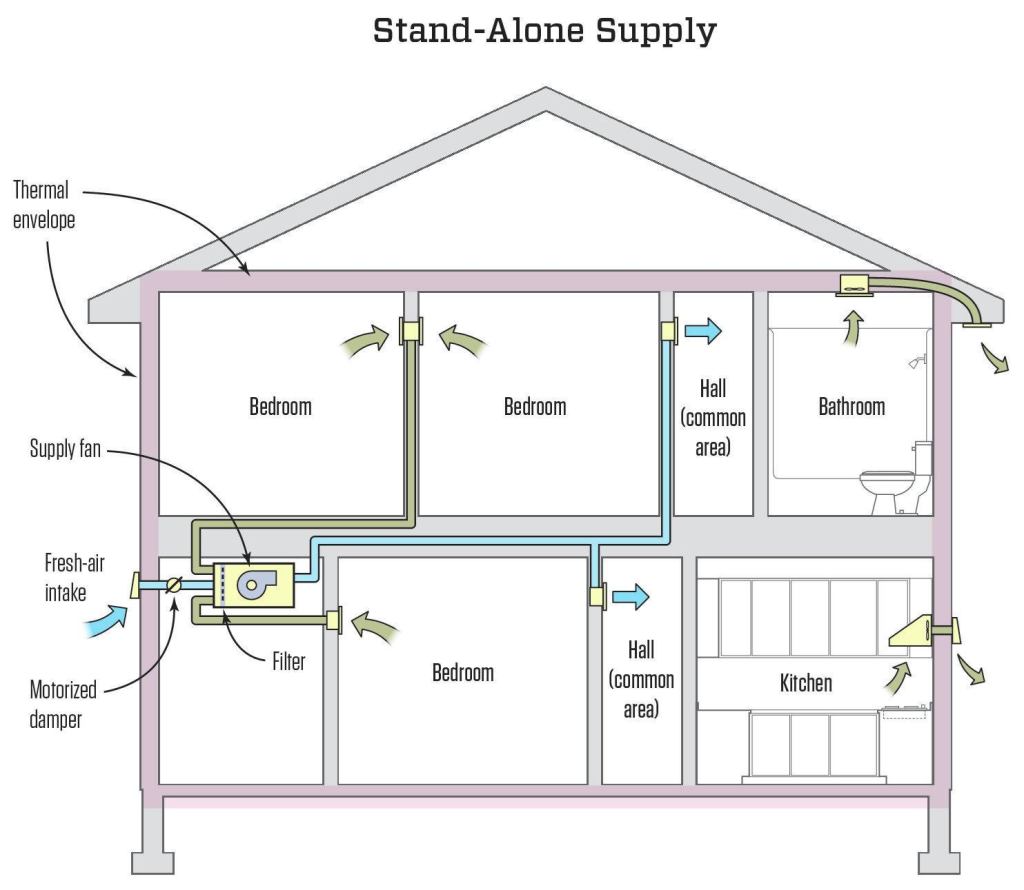
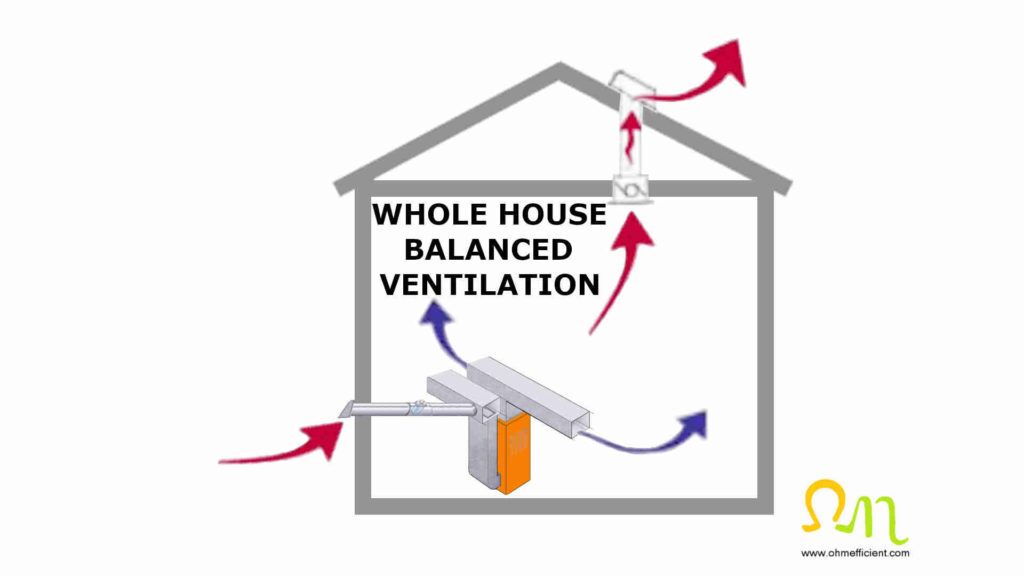
Mechanical ventilation uses fans and ducts to control airflow. It is common in modern homes and buildings. This system works regardless of outside weather. It can filter and clean the air too. Types include exhaust fans, supply fans, and balanced systems. Mechanical ventilation ensures fresh air all day long.
Hybrid Ventilation
Hybrid ventilation combines natural and mechanical methods. It switches between natural airflow and fan power as needed. This system offers flexibility and energy savings. It adapts to weather, time of day, and indoor air quality. Hybrid ventilation provides comfort with lower running costs.
Simple Ways To Improve Airflow
Improving airflow in your home doesn’t require complicated tools or expensive equipment. Simple changes can make a big difference in how fresh and comfortable your indoor air feels. Let’s look at some easy ways to help air move freely throughout your space.
Opening Windows And Doors
Opening windows and doors is the easiest way to let fresh air in and push stale air out. Try creating a cross breeze by opening windows on opposite sides of a room or house.
This simple action can quickly refresh your indoor air without using energy. Have you noticed how a breeze feels cooler and cleaner? That’s the power of natural ventilation.
Using Exhaust Fans
Exhaust fans in kitchens and bathrooms pull out humid or smoky air, improving overall air quality. Running these fans while cooking or showering can stop moisture buildup and reduce odors.
If you don’t have exhaust fans, consider installing them in areas where air tends to get trapped. Small changes like this can prevent mold and keep your home feeling fresh.
Utilizing Ceiling Fans
Ceiling fans help circulate the air already inside your home, making rooms feel cooler and more comfortable. Set the fan blades to spin counterclockwise in summer to push air down and create a wind-chill effect.
In winter, switch the fan to spin clockwise to gently pull cool air upward and push warm air down from the ceiling. Have you tried adjusting your ceiling fan’s direction to match the season? It can improve comfort and save energy.
Installing Ventilation Equipment
Proper installation of ventilation equipment helps maintain fresh air flow inside the house. It removes stale air and reduces moisture, improving indoor air quality. Choosing the right vents and placing them well ensures effective ventilation throughout the home.
Installing ventilation equipment in your home can dramatically improve the air quality and comfort of your living space. Whether you’re dealing with excess moisture, cooking odors, or simply want fresher air, the right equipment makes all the difference. But how do you choose the best tools for the job, and where should you place them for optimal performance?Choosing The Right Vent Fans
Selecting the right vent fan is crucial. Consider the size of your room and the specific needs it has. A bathroom fan should be powerful enough to handle steam, while a kitchen fan might need to tackle strong cooking smells. Look for models with energy-efficient ratings to save on electricity bills. Quiet operation can also make a big difference, especially in bedrooms or study areas. It’s worth checking online reviews or asking friends for recommendations based on their experiences.Placement Tips For Maximum Efficiency
Where you install your ventilation equipment can significantly impact its effectiveness. Aim to place fans where they can draw out the most air. In bathrooms, this is typically near the shower or bathtub, while in kitchens, above the cooking range is ideal. Consider the direction of prevailing winds if you’re installing windows or wall vents. This can enhance natural airflow and reduce reliance on powered fans. Remember, a poorly placed fan might not effectively remove stale air, defeating its purpose.Maintaining Ventilation Systems
Regular maintenance keeps your ventilation system running smoothly. Check and clean filters monthly to prevent dust buildup. A clogged filter reduces efficiency and can even damage the fan over time. Ensure the vents are clear of obstructions, both inside and out. Leaves or debris can block external vents, reducing airflow. Periodically inspect the fan’s operation—if it starts making unusual noises, it might be time for a service or replacement. Taking these steps not only extends the life of your equipment but also ensures your home stays fresh and healthy. What steps will you take today to improve your home’s ventilation?Managing Moisture And Humidity
Managing moisture and humidity is key to keeping your home healthy and comfortable. Too much moisture can cause damage and trigger allergies. Proper ventilation helps control dampness and keeps air fresh. This section covers ways to reduce humidity and protect your home.
Preventing Mold Growth
Mold grows in damp, warm places. It can harm your health and damage walls. Prevent mold by keeping areas dry and well-ventilated. Fix leaks quickly and clean wet spots. Use exhaust fans or open windows to let moisture escape. Avoid carpet in places that often get wet.
Using Dehumidifiers
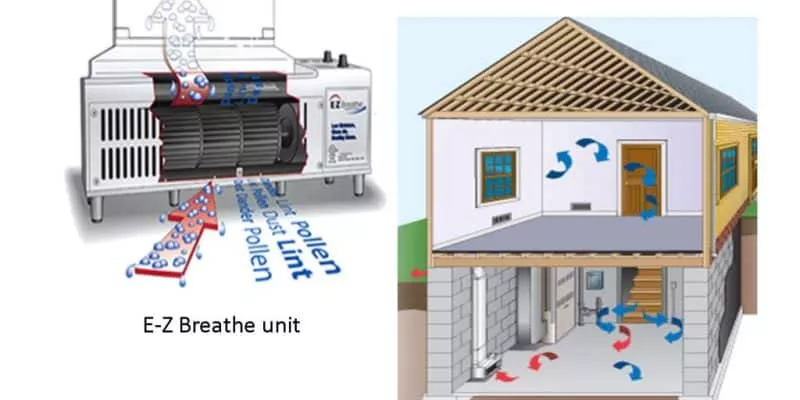
Dehumidifiers remove excess moisture from the air. They work well in basements and other damp rooms. Choose a dehumidifier with the right capacity for your space. Run it regularly, especially during humid seasons. Empty the water container often to keep it working well. This helps reduce musty smells and keeps surfaces dry.
Ventilating Bathrooms And Kitchens
Bathrooms and kitchens produce a lot of steam and moisture. Use exhaust fans during and after showers or cooking. Fans should vent outside, not into the attic. Open windows when weather allows. Wipe down wet surfaces like sinks and counters. These steps help stop moisture buildup and keep air clean.

Credit: ezbreathe.com
Energy-efficient Ventilation Practices
Energy-efficient ventilation keeps your home fresh without wasting power. It helps maintain good air quality and saves money on energy bills. Using smart methods, you can control airflow and reduce heat loss. This balance protects the environment and makes your home more comfortable all year.
Balancing Air Exchange And Energy Use
Good ventilation needs fresh air in and stale air out. Too much air exchange wastes heat or cooling energy. Too little causes stuffy rooms and moisture problems. Find a balance by:
- Sealing leaks around windows and doors
- Using controlled ventilation systems
- Adjusting vents based on weather and occupancy
This approach keeps your home fresh and energy costs low.
Using Heat Recovery Ventilators
Heat Recovery Ventilators (HRVs) exchange stale indoor air with fresh outdoor air. They transfer heat between the two air streams. This keeps your house warm in winter and cool in summer. Benefits include:
- Reduced energy needed for heating and cooling
- Improved air quality with constant airflow
- Lower humidity levels inside the home
HRVs work well in airtight homes and climates with extreme temperatures.
Smart Ventilation Controls
Smart ventilation systems adjust airflow automatically. They use sensors to detect humidity, temperature, and air quality. Controls turn fans on or off as needed. Advantages include:
- Energy savings by running only when necessary
- Better comfort with consistent air quality
- Easy monitoring through apps or home systems
Smart controls make ventilation simple and efficient without wasting energy.
Credit: ohmefficient.com
Frequently Asked Questions
What Are The Best Methods To Ventilate A House Effectively?
Effective house ventilation includes using exhaust fans, opening windows, and installing air vents. These methods improve airflow and reduce indoor pollutants, moisture, and odors, promoting better air quality and comfort.
How Often Should I Ventilate My House For Health?
Ventilate your house daily or at least several times a week. Regular ventilation removes stale air, reduces humidity, and prevents mold growth, enhancing indoor air quality and overall health.
Can Natural Ventilation Replace Mechanical Ventilation?
Natural ventilation can supplement but not always replace mechanical systems. Mechanical ventilation ensures consistent airflow, especially in sealed or poorly ventilated homes, maintaining better air quality year-round.
Why Is Proper Ventilation Important In Winter?
Proper ventilation in winter prevents condensation, mold, and indoor air pollution. It balances warmth with fresh air, maintaining a healthy, comfortable living environment without excessive heat loss.
Conclusion
Good ventilation keeps your home fresh and healthy. Open windows and use fans to move air. Check vents and clean them often to avoid dust. Proper airflow helps reduce moisture and stops mold growth. A well-ventilated house feels comfortable and saves energy.
Small steps make a big difference for your home’s air quality. Start today and enjoy a cleaner, fresher living space.



