
Have you ever wondered who keeps your home comfortable no matter the season? That’s where an HVAC technician comes in.
These skilled professionals make sure your heating, ventilation, and air conditioning systems work smoothly. Whether it’s a scorching summer day or a chilly winter night, their expertise keeps your environment just right. If you want to know what an HVAC technician really does, how they do it, and why their work matters to you, keep reading.
This simple guide will give you all the answers you need.
Role Of An Hvac Technician
The role of an HVAC technician goes beyond just fixing air conditioners or heaters. These professionals ensure that indoor environments remain comfortable and safe, no matter the season. Their expertise keeps homes, offices, and public spaces running smoothly through efficient heating, ventilation, and air conditioning systems.
Daily Responsibilities
Every day, an HVAC technician handles a variety of tasks. This includes installing new systems, performing routine maintenance, and troubleshooting issues when equipment breaks down. You might be surprised how often they diagnose problems that aren’t obvious at first glance, like hidden leaks or faulty wiring.
They also keep detailed records of repairs and inspections. Communication plays a big part in their job because explaining complex technical issues to customers clearly can make a huge difference in service satisfaction.
Types Of Systems Serviced
HVAC technicians work on many types of systems, not just the typical home air conditioner or furnace. They service:
- Central heating and cooling systems
- Heat pumps
- Boilers
- Refrigeration units
- Ventilation systems, including ductwork
Each system has its unique challenges. For example, refrigeration requires knowledge of chemical refrigerants, while ventilation involves airflow dynamics. Have you ever thought about how different these systems really are under the hood?
Work Environments
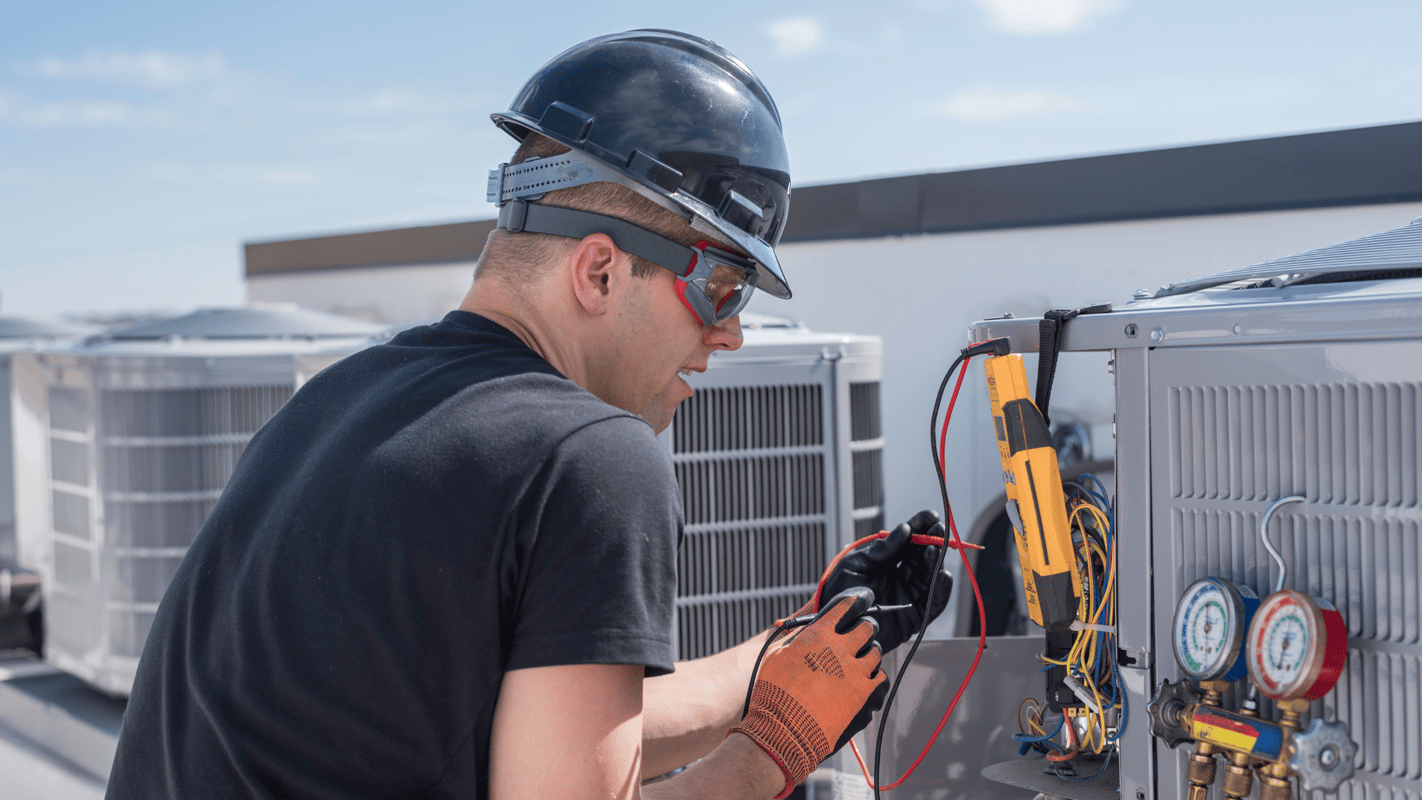
HVAC technicians work in diverse environments. They may visit residential homes, commercial buildings, or industrial sites. Each setting demands specific safety measures and tools.
Working outdoors during extreme weather is common. At times, you’ll find technicians climbing rooftops or crawling through tight spaces to reach equipment. This variety keeps the job physically engaging but also requires adaptability and caution.
Credit: dreambound.com
Essential Skills For Hvac Technicians
To excel as an HVAC technician, certain skills go beyond basic training and certifications. These essential skills shape how effectively you handle systems, troubleshoot issues, and interact with customers. Building these skills can set you apart in a competitive field and prepare you for real-world challenges.
Technical Knowledge
Your foundation as an HVAC technician is solid technical knowledge. This means understanding heating, ventilation, and air conditioning systems inside and out.
You need to read blueprints, use diagnostic tools, and know how to install and repair complex equipment. Staying updated on new technologies like smart thermostats or eco-friendly refrigerants is crucial. Have you ever noticed how quickly HVAC technology evolves? Keeping up is part of the job.
Problem-solving Abilities
Every service call is a puzzle waiting to be solved. You must diagnose issues quickly and accurately to avoid wasting time or causing further damage.
Think about moments when a simple fix turned out to be a symptom of a bigger problem. Strong problem-solving skills help you dig deeper and find lasting solutions. Do you enjoy challenges where you can apply logic and creativity to fix things?
Customer Service Skills
Working with customers is more than just fixing equipment. You need to explain problems and solutions clearly and patiently.
Good communication builds trust and often leads to repeat business and referrals. Imagine how frustrating it is when you don’t understand what a technician is doing. Your ability to listen and respond respectfully can make all the difference.
Training And Certification
Training and certification form the backbone of a successful career as an HVAC technician. Without proper education and credentials, you can struggle to gain trust and secure jobs in this competitive field. Understanding the key steps to become qualified helps you plan your path effectively and avoid unnecessary setbacks.
Educational Requirements
You typically need a high school diploma or equivalent to start your journey. Courses in math, physics, and electronics build a solid foundation for HVAC work.
Many aspiring technicians attend technical schools or community colleges offering HVAC programs. These programs last from six months to two years and cover essential topics such as refrigeration, heating systems, and electrical controls.
Have you considered how your current skills could fit into HVAC training? Even basic knowledge of wiring or mechanics can give you a head start.
Certifications And Licenses
Certifications prove your skills and can set you apart from other candidates. The EPA Section 608 certification is mandatory to handle refrigerants safely and legally.
Additional certifications from organizations like NATE (North American Technician Excellence) or HVAC Excellence validate your expertise in specific areas.
Licensing requirements vary by state and often include passing exams and meeting experience criteria. Make sure to check what your local laws demand to avoid compliance issues.
Apprenticeship Programs
Apprenticeships combine on-the-job training with classroom instruction, allowing you to learn while earning.
During an apprenticeship, you work under experienced HVAC technicians who guide you through real-world challenges. This hands-on experience is invaluable in developing practical skills.
Apprenticeships usually last 3 to 5 years and may be sponsored by unions or trade organizations. Are you ready to commit to this immersive learning process?
Credit: dreambound.com
Tools And Equipment Used
Every HVAC technician relies on a variety of specialized tools and equipment to get the job done right. These tools help them diagnose problems, install new systems, and perform routine maintenance efficiently. Understanding the tools they use gives you a clearer picture of their expertise and the complexity of their work.
Diagnostic Instruments
Diagnostic instruments are essential for pinpointing issues in HVAC systems. Technicians often use multimeters to measure electrical values like voltage, current, and resistance. Refrigerant gauges help them check pressure levels, ensuring the system runs safely and efficiently.
Another common diagnostic tool is the thermal imaging camera. It reveals temperature differences that are invisible to the naked eye, helping detect leaks or blockages. Have you ever wondered how technicians quickly find hidden problems? These tools are why.
Installation Tools
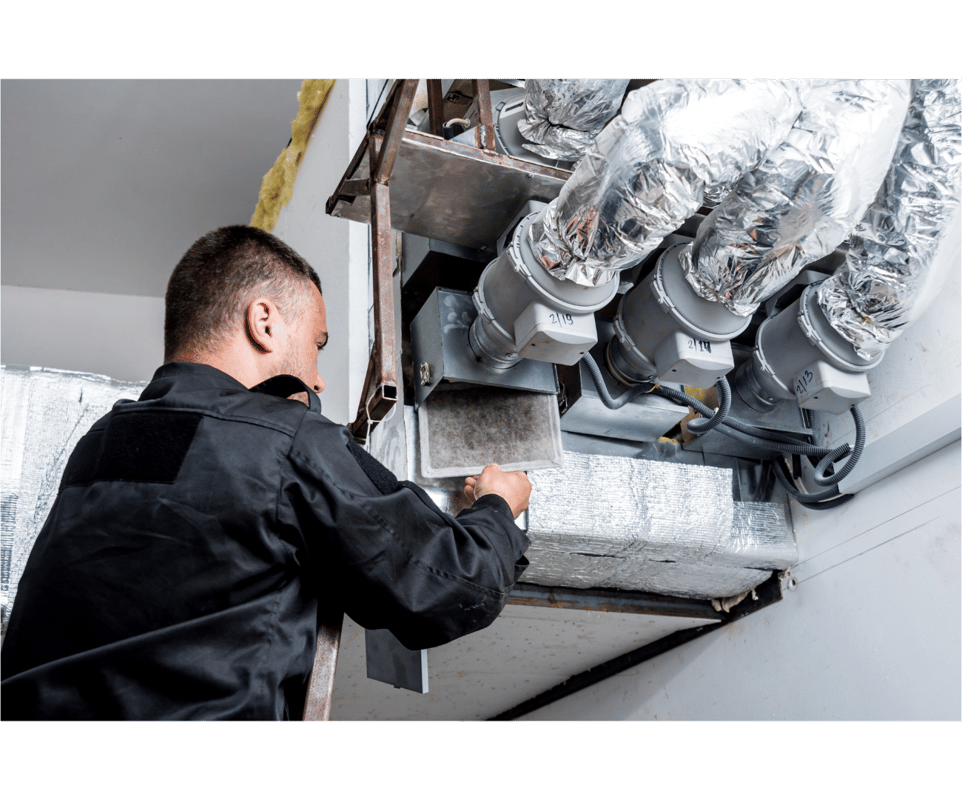
Installing HVAC systems requires precision and the right set of tools. Wrenches, pipe cutters, and tubing benders allow technicians to fit pipes and components accurately. Power drills and screwdrivers help with mounting units and securing parts.
Technicians also use vacuum pumps to remove air and moisture from refrigerant lines during installation. This step is critical to avoid damage and ensure the system functions properly. Think about the precision needed—one wrong connection can mean a costly repair later.
Maintenance Equipment
Routine maintenance keeps HVAC systems running smoothly and extends their lifespan. Technicians carry coil cleaners, fin combs, and brushes to clean components that collect dirt and debris. This prevents system overload and improves airflow.
They also use leak detectors to spot refrigerant leaks before they cause bigger issues. Carrying the right maintenance tools lets technicians address small problems before they escalate. What’s your approach to keeping your home’s HVAC system in top shape?
Challenges Faced By Hvac Technicians
HVAC technicians face many challenges in their daily work. Their job demands both physical strength and technical knowledge. They must adapt to new technologies and maintain safety standards. These challenges shape their skills and work environment.
Physical Demands
HVAC technicians often work in tight spaces. They lift heavy equipment and tools regularly. Climbing ladders and bending for long periods is common. This work requires stamina and good physical health. The job can be tiring and requires careful body movement.
Safety Concerns
Working with electrical systems and refrigerants is risky. Technicians must follow strict safety rules. They wear protective gear to avoid injuries. Exposure to chemicals and sharp tools needs caution. Staying alert helps prevent accidents on the job.
Keeping Up With Technology
HVAC systems are constantly evolving. New models use advanced technology and smart controls. Technicians must learn new skills regularly. Training and certifications keep them updated. Adapting to changes ensures efficient and accurate repairs.
Career Growth Opportunities
As an HVAC technician, you might start your career with basic skills and knowledge, but the field offers numerous opportunities for growth and specialization. From mastering complex systems to exploring emerging technologies, the career journey of an HVAC technician can be both fulfilling and dynamic. But what paths can lead you to greater success and satisfaction in this field?
Specializations
Specializing can significantly enhance your career as an HVAC technician. Whether it’s focusing on refrigeration, solar technology, or energy efficiency, each specialization opens doors to unique job roles and higher earning potential. Imagine being the go-to expert in your company for cutting-edge solar HVAC systems—how rewarding would that be?
Specializing not only boosts your resume but also keeps you engaged and learning. Many HVAC technicians find immense satisfaction in becoming specialists, as it allows them to tackle more challenging projects and gain deeper insights into specific technologies.
Advancement Paths
Advancement in the HVAC field is accessible and rewarding. Many technicians start as apprentices and, with experience and additional certifications, can move up to supervisory roles. Have you considered what it might be like to lead a team or manage large-scale projects?
Some technicians advance to become project managers, overseeing entire HVAC installations. Others might transition into sales or consulting, using their technical expertise to guide clients through complex system choices.
Industry Trends
The HVAC industry is evolving with trends like smart home technology and sustainable solutions. Staying updated on these trends can significantly impact your career growth. Are you ready to adapt and embrace these innovations?
Smart thermostats, for instance, are becoming household staples, and technicians familiar with these systems are in high demand. Likewise, a focus on green technology and energy-efficient systems is not just a trend but a necessity, paving the way for HVAC professionals who are equipped to meet these demands.
The HVAC field is ripe with opportunities for those willing to specialize, advance, and adapt. By choosing the right path, you can build a career that’s not only prosperous but also aligned with your interests and passions.
Credit: www.carrierenterprise.com
Frequently Asked Questions
What Does An Hvac Technician Do?
An HVAC technician installs, maintains, and repairs heating, ventilation, and air conditioning systems. They ensure optimal indoor climate control and energy efficiency.
How Do You Become An Hvac Technician?
To become an HVAC technician, complete a technical training program and obtain certification. Hands-on experience and apprenticeships improve job prospects.
What Skills Are Essential For Hvac Technicians?
HVAC technicians need mechanical knowledge, problem-solving skills, and attention to detail. Good communication and physical stamina are also important.
How Much Do Hvac Technicians Earn?
The average HVAC technician salary varies by location and experience, typically ranging from $40,000 to $70,000 annually in the U. S.
Conclusion
An HVAC technician keeps your home comfortable year-round. They install, repair, and maintain heating and cooling systems. These experts work with tools and machines daily. Their skills ensure safe and efficient air quality indoors. Knowing what they do helps you appreciate their role.
A good technician saves energy and money. Trusting a professional prevents costly problems later. Remember, HVAC technicians make your environment better to live in.



