
Is your attic feeling hot, stuffy, or even damp? Proper ventilation can fix that—and it’s easier than you might think.
When you learn how to ventilate an attic correctly, you protect your home from moisture damage, reduce energy bills, and keep your living space more comfortable. You’ll discover simple, practical steps to improve your attic’s airflow and prevent common problems that can cost you time and money.
Keep reading to find out how a well-ventilated attic can make a big difference for your home’s health and your peace of mind.
Credit: www.firststarexteriors.com
Benefits Of Attic Ventilation
Proper attic ventilation brings many important benefits to your home. It helps keep the attic dry, reduces energy bills, and protects the roof. Good airflow stops problems before they start and keeps your house comfortable all year.
Preventing Moisture Build-up
Ventilation moves moist air out of the attic. This stops water from collecting on wood and insulation. Without airflow, moisture can cause mold and wood rot. These issues damage the structure and cause bad smells. Proper ventilation keeps the attic dry and healthy.
Reducing Energy Costs
Hot air in the attic makes your home warmer. This forces air conditioners to work harder. Ventilation lets hot air escape outside. Cooler attic air means less energy needed to cool your home. This lowers your electricity bills and saves money.
Extending Roof Lifespan
Heat and moisture can damage roofing materials. Ventilation reduces heat buildup under shingles. This prevents warping and cracking over time. Dry air stops wood from rotting and metal from rusting. A well-ventilated attic helps your roof last longer and stay strong.
Credit: www.roofingcontractor.com
Types Of Attic Vents
Attic ventilation is key to maintaining a healthy, energy-efficient home. Choosing the right types of attic vents can make a big difference in airflow and temperature control. Understanding the options helps you decide what fits your attic’s design and your home’s needs.
Ridge Vents
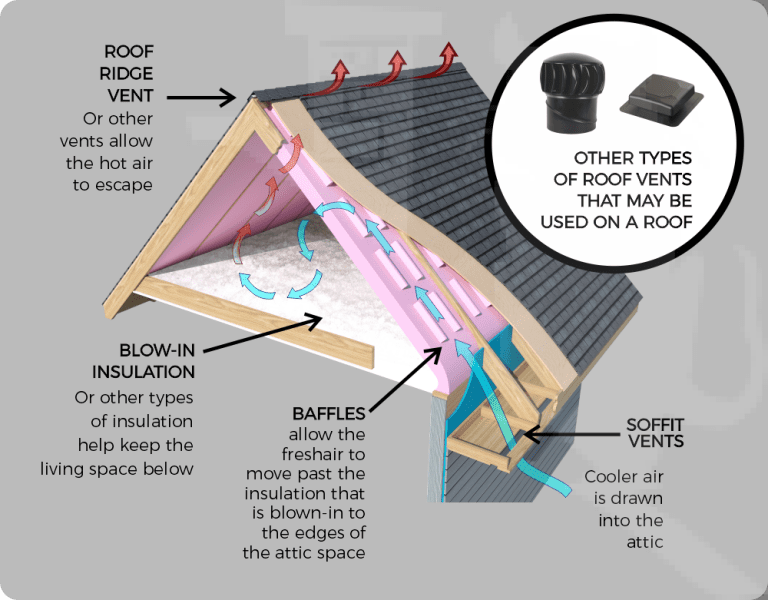
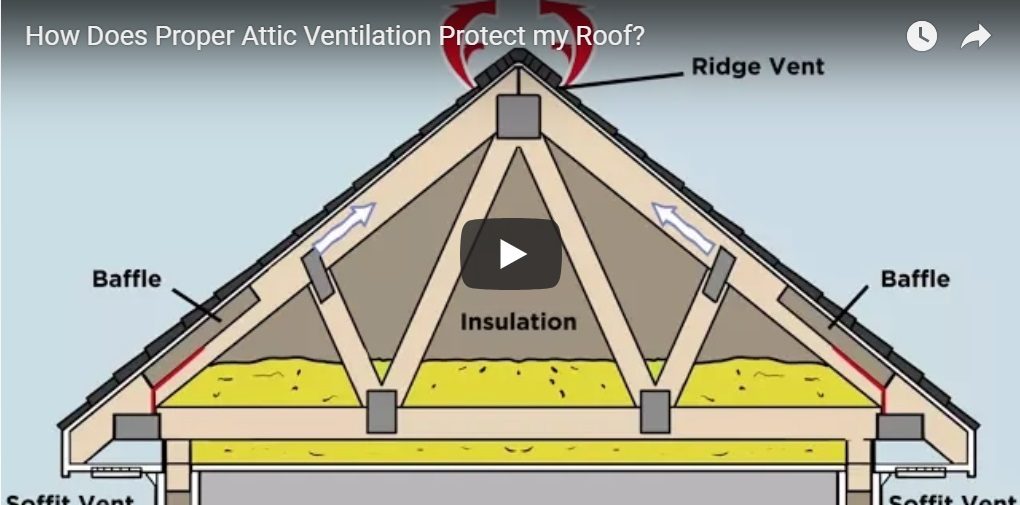
Ridge vents run along the peak of your roof and allow hot air to escape naturally. They work best when paired with intake vents, creating a continuous airflow that keeps your attic cooler. I’ve seen homes with ridge vents use less energy on cooling during summer, proving their effectiveness.
Soffit Vents
Soffit vents are installed under the eaves of your roof and draw cool air into the attic. They work hand-in-hand with ridge vents to push warm air out and bring fresh air in. If you want to improve ventilation without altering your roofline, soffit vents are a practical choice.
Gable Vents
Gable vents are placed on the exterior walls of the attic, near the peak of the gable. They provide cross ventilation by letting air flow in and out through opposite sides of the attic. If your attic has accessible gable ends, these vents are easy to install and maintain.
Turbine Vents
Turbine vents use wind power to spin and pull hot air out of your attic. They work best in windy areas and add a mechanical boost to natural ventilation. While effective, they require occasional maintenance to keep the spinning mechanism free of debris.
Assessing Your Attic’s Ventilation Needs
Proper ventilation keeps your attic dry and cool. Assessing your attic’s ventilation needs is the first step. This helps you find out how much airflow your attic requires. It also shows if current vents work well or need changes. You can spot areas where air gets stuck. Good ventilation prevents mold, wood damage, and high energy bills.
Measuring Attic Space
Measure your attic’s length and width in feet. Multiply these numbers to get the floor area. Check the roof slope and height as well. These details affect how much ventilation you need. Larger attics require more vents and airflow.
Checking Existing Ventilation
Look for vents like soffit, ridge, gable, or roof vents. Count how many vents you have and note their size. Check if vents are clear of debris or insulation. See if air moves freely through the vents. Poor airflow means your attic is not ventilated well.
Identifying Problem Areas
Look for signs of poor ventilation. These include:
- Moisture or mold spots
- Wood rot or damage
- Hot or stuffy air inside
- Ice dams on the roof in winter
Check corners and under insulation for trapped air. These spots need extra attention to improve airflow.
Credit: www.roofingcontractor.com
Installing Attic Ventilation Systems
Installing attic ventilation systems is essential for maintaining a healthy home. Proper ventilation helps control temperature and moisture levels. It protects your roof and lowers energy costs. Choosing and placing vents correctly ensures air flows well. Deciding between a DIY project or hiring a professional affects results and safety.
Choosing The Right Vent Types
Select vents based on your attic size and roof design. Common types include ridge vents, soffit vents, gable vents, and turbine vents. Ridge vents run along the roof peak and allow hot air to escape. Soffit vents are under the eaves and let fresh air in. Gable vents are placed on the end walls and provide cross-ventilation. Turbine vents use wind power to pull air out.
- Ridge vents for continuous airflow
- Soffit vents for intake air
- Gable vents for simple installation
- Turbine vents for extra ventilation
Match vents to your climate and attic layout for best results.
Placement Strategies
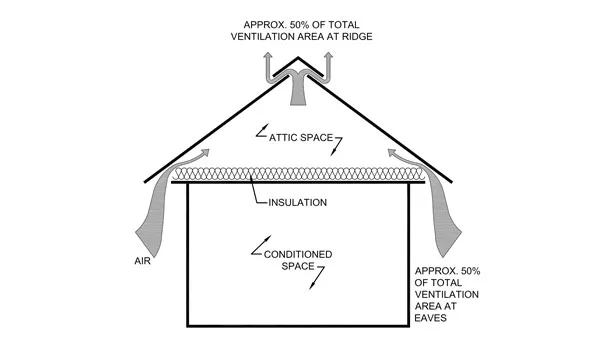
Proper vent placement balances air intake and exhaust. Start by installing soffit vents low on the roof. This allows fresh air to enter the attic. Place exhaust vents such as ridge or gable vents high up. Hot air naturally rises and escapes through these vents. Maintain clear airflow paths by avoiding blockages. Use baffles to keep insulation from covering vents.
- Install intake vents near the roof edge
- Place exhaust vents near the roof peak
- Ensure vents are evenly spaced
- Keep vents free from obstructions
Diy Vs Professional Installation
DIY installation saves money but requires skill and tools. You must measure and cut precisely. Mistakes can cause leaks or poor ventilation. Professionals bring experience and proper equipment. They ensure vents fit well and work efficiently. Hiring a pro adds cost but improves safety and quality. Assess your skills and time before starting the project.
- DIY suits small, simple vent setups
- Professional help for complex roof structures
- Pros reduce risk of errors and damage
- DIY requires careful planning and patience
Maintenance Tips For Optimal Airflow
Keep vents clear of dust and debris to ensure smooth airflow throughout the attic. Regularly check for blockages and repair damaged screens or fans promptly. Proper maintenance helps prevent moisture buildup and keeps the attic well-ventilated.
Proper attic ventilation is essential for maintaining a healthy and energy-efficient home. By ensuring optimal airflow, you can prevent moisture build-up, reduce energy costs, and extend the life of your roof. Let’s dive into some straightforward maintenance tips to ensure your attic ventilation system is always in top shape.Regular Cleaning Of Vents
Keeping your vents clean is crucial for maintaining good airflow in your attic. Dust, debris, and even pests can clog vents over time. Make it a habit to check and clean your vents every few months to ensure they are free from obstructions. A simple vacuum with an extension hose can effectively clear out any dust. For stubborn debris, use a soft brush or cloth to wipe down the vents. Cleaning not only improves airflow but also helps in maintaining air quality inside your home.Inspecting For Blockages
Blockages can severely impact the efficiency of your attic ventilation. Inspect your vents for any signs of blockage, such as accumulated debris or bird nests. It’s surprising how often these issues go unnoticed until they cause a problem. During your inspection, also check for any damaged or misaligned vents. Addressing these issues promptly can prevent larger, more costly repairs in the future. Are you overlooking these inspections in your home maintenance routine?Seasonal Adjustments
Changing seasons can affect how your attic ventilation system performs. In winter, ice and snow can block vents, while summer heat might demand more efficient airflow. Adjust your maintenance routine according to the season. Ensure that your attic insulation is not blocking airflow during colder months. During the warmer months, consider adding fans or other ventilation aids to enhance airflow. Adapting to seasonal changes keeps your attic environment stable and efficient. Regular upkeep, keen inspections, and seasonal considerations are key to optimal airflow in your attic. Are you ready to take these simple steps to ensure a well-ventilated attic?Common Mistakes To Avoid
Proper attic ventilation helps prevent moisture buildup and temperature problems. Many homeowners make simple mistakes that reduce ventilation effectiveness. Avoid these common errors to keep your attic healthy and your home comfortable.
Overventilation Risks
Too much ventilation can cause cold air to enter during winter. This may lead to frozen pipes and ice dams on the roof. Overventilation also wastes energy by letting heated air escape. Balance is key to avoid these problems.
Ignoring Insulation
Ventilation works best with good insulation. Poor insulation lets warm air reach the attic and cause condensation. Moisture buildup can damage wood and insulation material. Always check insulation before adding vents.
Incorrect Vent Placement
Vents must be placed where air can flow freely. Placing vents too close or too far apart reduces airflow. Avoid blocking vents with insulation or debris. Proper vent spacing ensures air moves from soffit to ridge vents.
Frequently Asked Questions
What Is The Best Way To Ventilate An Attic?
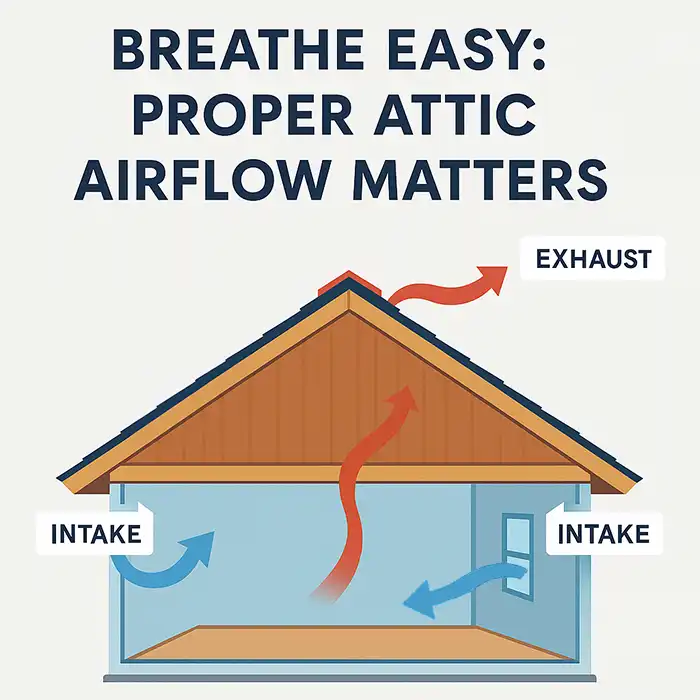
The best way to ventilate an attic is by combining intake vents and exhaust vents. Intake vents allow fresh air in, while exhaust vents remove hot, moist air. This balanced airflow prevents moisture buildup and reduces heat, protecting your attic and home structure efficiently.
Why Is Attic Ventilation Important For Homes?
Attic ventilation controls temperature and moisture levels. Proper ventilation prevents mold, wood rot, and ice dams. It also reduces cooling costs by lowering attic heat. Good ventilation extends roof life and improves indoor air quality, making homes healthier and more energy-efficient.
How Many Vents Do I Need For Attic Ventilation?
The number of vents depends on attic size and roof type. A general rule is one square foot of vent area per 150 square feet of attic floor. Balance intake and exhaust vents for effective airflow. Consult local codes or a professional for precise vent requirements.
Can Attic Ventilation Reduce Energy Bills?
Yes, attic ventilation helps lower energy bills by reducing heat buildup. Cooler attics reduce the load on air conditioning systems. This improves energy efficiency and comfort inside your home, especially during hot summer months.
Conclusion
Proper attic ventilation keeps your home cooler and prevents damage. It helps stop moisture buildup and mold growth. Good airflow also lowers energy bills by reducing heat. Simple steps like installing vents and fans make a big difference. Regular checks ensure your attic stays well-ventilated.
Remember, a healthy attic means a healthier home. Start improving your attic ventilation today for long-term benefits.



