

Have you ever wondered if your roof is getting enough ventilation? The right amount of airflow can make a huge difference in your home’s comfort, energy bills, and even the lifespan of your roof.
Too little ventilation can cause heat buildup, moisture problems, and costly damage. But how much ventilation does a roof really need? You’ll discover simple ways to find the perfect balance for your roof. Keep reading to protect your home and save money in the long run.

Credit: valleypeakroof.com
Why Roof Ventilation Matters
Roof ventilation plays a crucial role in maintaining the health of your home. It might seem like a small detail, but without proper airflow, your roof and attic can face serious problems. Understanding why roof ventilation matters helps you protect your investment and keep your living space comfortable year-round.
Preventing Moisture Damage
Moisture buildup in your attic can cause wood rot, mold growth, and damage to insulation. Proper ventilation allows moist air to escape, keeping your roof structure dry and safe. Have you noticed musty smells or water stains in your attic? These are signs that your ventilation might be lacking.
Controlling Temperature
Heat can get trapped in your attic during summer, causing your home to become uncomfortably warm. Good ventilation helps release this hot air, reducing the load on your air conditioning system. This not only keeps your home cooler but can also lower your energy bills.
Extending Roof Lifespan
Excess heat and moisture can cause roofing materials to deteriorate faster. With proper ventilation, you prevent premature aging of shingles and other materials. Think about it—investing in ventilation now can save you from costly roof repairs or replacements later.
Types Of Roof Ventilation
Understanding the different types of roof ventilation can help you decide what fits best for your home’s needs. Each type works in unique ways to promote airflow and reduce moisture buildup. Knowing how they function will guide you to improve your roof’s lifespan and energy efficiency.
Soffit Vents
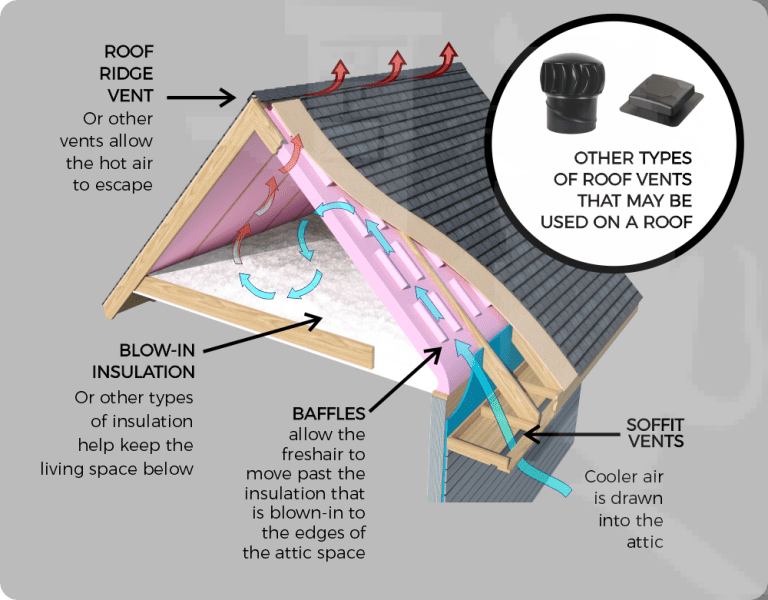
Soffit vents are located under the eaves of your roof. They allow fresh air to enter the attic space, creating a natural airflow system. You might not notice them, but they play a crucial role in keeping your attic cool and dry.
If your attic feels hot or damp, soffit vents could be part of the solution. They work best when paired with other vents to create a proper air exchange.
Ridge Vents
Ridge vents run along the peak of your roof. They let warm, humid air escape from the attic, which helps prevent heat buildup. These vents blend in with your roofline, making them less noticeable than other types.
Have you ever felt a temperature difference between your attic and outside? Ridge vents can help balance that by letting hot air out continuously. They often work in combination with soffit vents for maximum effect.
Gable Vents
Gable vents are installed on the exterior walls near the roof’s peak. They provide ventilation by allowing air to flow in and out of the attic. These vents come in various shapes and sizes and can add a decorative touch to your home.
Think about your attic’s airflow – are you relying on just one source? Gable vents can complement other vents, but they might not be enough alone in some climates.
Turbine Vents
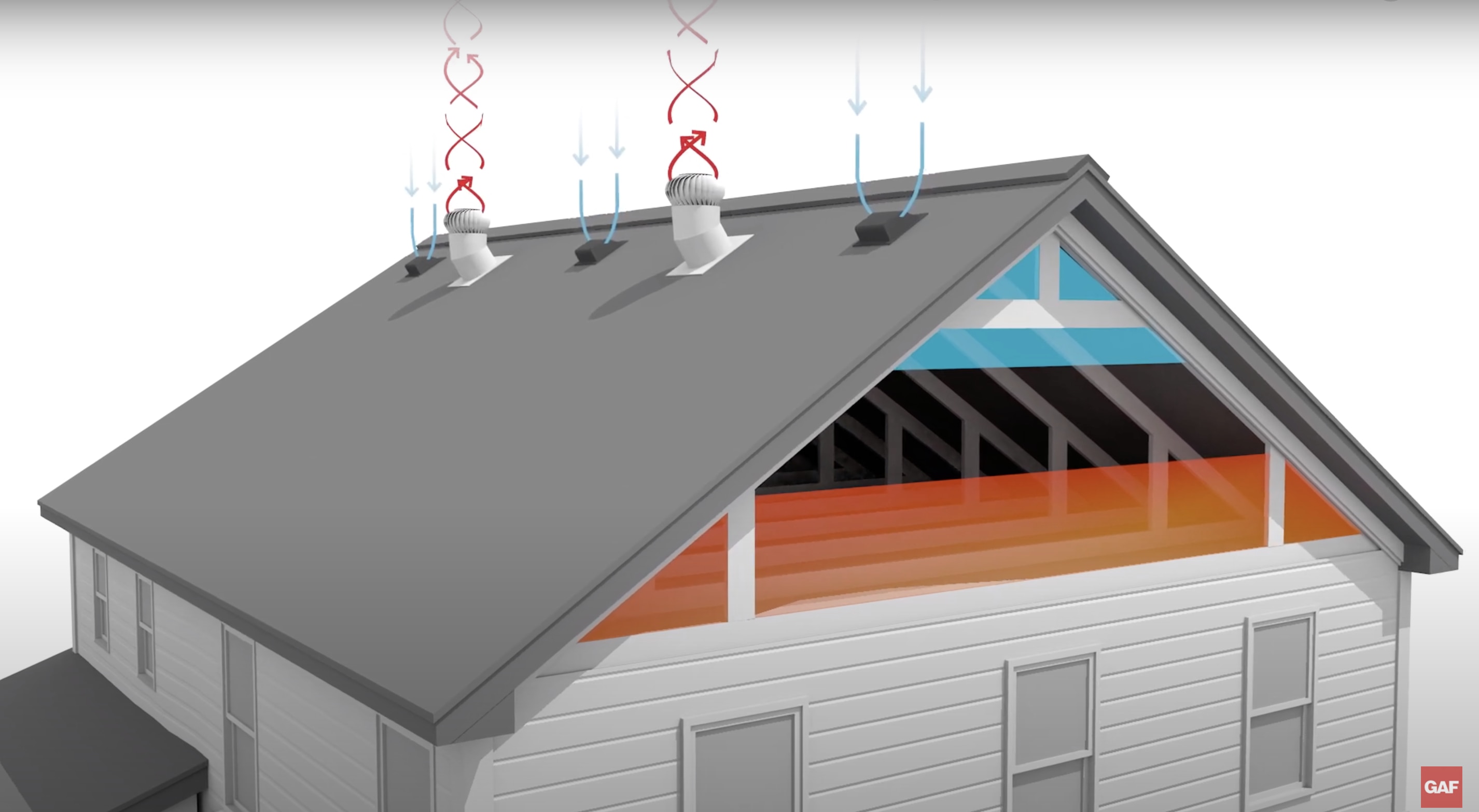
Turbine vents spin with the wind to pull hot air out of the attic. They don’t require electricity, making them an energy-efficient choice. The spinning motion actively sucks out air, which can be more effective than passive vents in certain conditions.
Do you notice wind patterns around your house? Turbine vents work best when exposed to steady breezes. If your location is calm, their performance might be limited.
Calculating Ventilation Needs
Calculating how much ventilation your roof needs is more than just a guess. It requires understanding specific measurements and guidelines to ensure your attic stays dry and your energy bills stay low. Without the right balance, you might face moisture problems or higher cooling costs.
Square Footage Guidelines
The starting point for calculating ventilation is knowing your attic’s square footage. Typically, you need 1 square foot of ventilation for every 150 square feet of attic space. This ratio helps maintain good airflow and prevents heat buildup.
Think about your own attic—measure the length and width, then multiply to get the total square feet. Use this number to figure out how much ventilation area you need. If your attic is 900 square feet, you’ll want about 6 square feet of ventilation.
Net Free Vent Area (nfva)
Not all vents provide the same amount of airflow. The Net Free Vent Area (NFVA) tells you how much open space a vent offers for air to pass through. Manufacturers usually list the NFVA on the product packaging or website.
For example, if a vent has an NFVA of 50 square inches, you’ll need enough vents to add up to your total required ventilation area. This helps you avoid buying vents that look big but don’t actually move enough air.
Balancing Intake And Exhaust
Proper roof ventilation means balancing intake vents (usually at the eaves or soffits) with exhaust vents (near the ridge or roof peak). This balance creates a steady airflow that removes hot air and moisture effectively.
Ask yourself if your intake vents allow as much air in as your exhaust vents let out. If not, you could end up with poor circulation and trapped moisture. Adding or adjusting vents to match their NFVA helps keep your attic healthy and your roof lasting longer.
Credit: www.northeast-home.com
Factors Affecting Ventilation Requirements
Understanding the factors that affect your roof’s ventilation needs is key to ensuring a healthy and long-lasting roof system. Ventilation isn’t just about adding vents randomly; it depends on several important aspects of your roof and environment. Knowing these will help you avoid moisture build-up, reduce energy costs, and extend your roof’s life.
Roof Design And Pitch
The shape and angle of your roof play a big role in how much ventilation it needs. Steeper roofs often allow air to flow more easily, which can reduce the need for extra vents.
On the other hand, flat or low-pitch roofs trap more heat and moisture, demanding more aggressive ventilation solutions. Think about your own roof—does air move freely, or does it feel stuffy? That’s a clue to what your ventilation setup should be.
Climate Considerations
Your local weather greatly affects ventilation needs. In hot, humid areas, you’ll want more ventilation to prevent heat build-up and moisture problems. Dry, cold climates need ventilation too, but the focus shifts to preventing ice dams and condensation.
Have you noticed how different roofs perform in summer versus winter? Adjusting ventilation based on climate can save you from costly repairs and uncomfortable indoor conditions.
Insulation Impact
Insulation works hand-in-hand with ventilation. If your attic is well-insulated, it traps heat better, but without proper ventilation, moisture can accumulate and cause damage.
Too much insulation without enough airflow creates a breeding ground for mold and rot. Balancing insulation thickness with ventilation openings ensures your roof stays dry and energy-efficient.
Common Ventilation Mistakes
Determining the right amount of roof ventilation is crucial. Too little can cause moisture buildup and mold. Excessive ventilation might lead to energy loss. Balancing airflow is key to maintaining roof health and energy efficiency.
Proper roof ventilation is crucial for maintaining a healthy home. Yet, many homeowners unknowingly make common ventilation mistakes. These errors can lead to problems like moisture buildup, mold growth, and even structural damage. Understanding these pitfalls can help you avoid costly repairs and ensure your roof serves its purpose effectively.Insufficient Ventilation
Many homeowners underestimate the amount of ventilation their roof requires. A roof needs a balance of intake and exhaust to allow air to flow freely. Without this balance, heat and moisture can accumulate, leading to issues such as increased energy bills and damage to roofing materials. Picture a hot summer day where your attic feels like a sauna; this is often a sign of inadequate ventilation. Have you checked if your roof has enough vents?Blocked Vents
Blocked vents are another common issue that hampers proper airflow. Leaves, debris, and even nests can obstruct vents, causing a backup of heat and moisture. Regular inspection and cleaning are vital to prevent these blockages. Imagine a clogged vent as a roadblock in your attic’s air circulation—inefficient and potentially harmful. Have you ever wondered if your attic is breathing as it should?Overventilation Risks
While lack of ventilation is problematic, overventilation can also be risky. Adding too many vents can disrupt the natural airflow, allowing water to enter during storms. It may seem like more is better, but balance is key. Think of it as opening too many windows during a windy day, where instead of cooling, you end up with an indoor whirlwind. Are you confident in the number of vents on your roof?Diy Vs Professional Installation
Deciding between a DIY roof ventilation installation and hiring a professional is important. Both options have benefits and challenges. Knowing your limits helps ensure safety and effectiveness. Proper roof ventilation prevents moisture buildup and extends roof life. This section breaks down key factors to consider for your project.
Assessing Your Skills
Roof ventilation installation requires some basic knowledge of roofing and construction. Comfort working at heights is necessary. Understanding airflow and ventilation principles helps. Measure your ability to use tools safely. Experience with roof repairs or similar tasks is a plus. If unsure about any step, it might be safer to seek help.
Tools And Materials Needed
Installing roof ventilation needs specific tools and materials. These include:
- Measuring tape
- Power drill and bits
- Utility knife
- Roof vents (ridge, soffit, or gable)
- Roofing nails or screws
- Caulk or sealant
- Safety gear such as gloves and harness
Having all tools ready before starting saves time. Using proper materials ensures ventilation works well.
When To Hire Experts
Roof work can be risky and complex. Hire professionals if:
- You lack experience with roof tasks
- Your roof is steep or large
- Local building codes require licensed installers
- You want a warranty on the work
- The project involves electrical wiring or complex structures
Experts have skills and equipment to complete the job safely. They can spot potential problems and fix them right.
Maintaining Roof Ventilation
Maintaining proper roof ventilation is essential to keep your home comfortable and your roof in good shape. Without regular care, vents can get clogged or damaged, reducing airflow and leading to costly issues like moisture buildup or ice dams. Staying on top of ventilation upkeep ensures your roof continues to breathe effectively throughout the year.
Regular Inspections
Checking your roof vents regularly helps catch problems before they escalate. Look for signs like visible blockages, rust, or unusual debris around vents. Pay special attention after storms or heavy winds—these can dislodge vent covers or cause damage you might miss otherwise.
Have you noticed any unexplained moisture or musty smells inside your attic? These can be red flags pointing to poor ventilation that needs a closer look during your inspections.
Cleaning Vents
Dirt, leaves, and even bird nests can block airflow if vents aren’t cleaned periodically. Use a soft brush or a vacuum to gently remove any buildup on vent surfaces. Be cautious not to damage screens or covers while cleaning.
Keep in mind that clogged vents reduce your roof’s ability to expel heat and moisture, increasing risks of mold or wood rot. A clean vent is a simple fix that goes a long way in protecting your roof structure.
Repairing Damages
Damaged vents can let water in or block airflow altogether. Look for cracked vent covers, loose screws, or holes that might have formed. Fixing these issues quickly prevents bigger problems like leaks or pest infestations.
If you’re unsure about the extent of damage, consulting a professional can save you from costly repairs later. Remember, a small repair today can save your roof’s health tomorrow.
Credit: www.gaf.com
Frequently Asked Questions
How Much Ventilation Does A Roof Need Per Square Foot?
A roof typically requires 1 square foot of ventilation per 150 square feet of attic space. This ensures proper airflow and prevents moisture buildup, which protects roofing materials and extends their lifespan.
Why Is Proper Roof Ventilation Important?
Proper roof ventilation regulates temperature and moisture levels. It prevents mold, reduces energy costs, and prolongs roof life by avoiding heat and moisture damage inside the attic.
What Are Common Types Of Roof Ventilation?
Common roof ventilation types include ridge vents, soffit vents, gable vents, and turbine vents. Each type promotes airflow, helping maintain a balanced and healthy attic environment.
Can Too Much Roof Ventilation Be Harmful?
Excessive roof ventilation can cause energy inefficiency and allow moisture intrusion. Balanced intake and exhaust vents are crucial to maintaining optimal airflow without over-ventilating.
Conclusion
Proper roof ventilation keeps your home safe and comfortable. It stops moisture buildup and prevents roof damage. Good airflow also helps lower energy bills. Check your roof’s ventilation regularly for best results. Small changes can make a big difference in roof life.
Keep these tips in mind to protect your home. Ventilation matters more than many people realize. Take action now to avoid costly repairs later. Your roof will thank you.



