
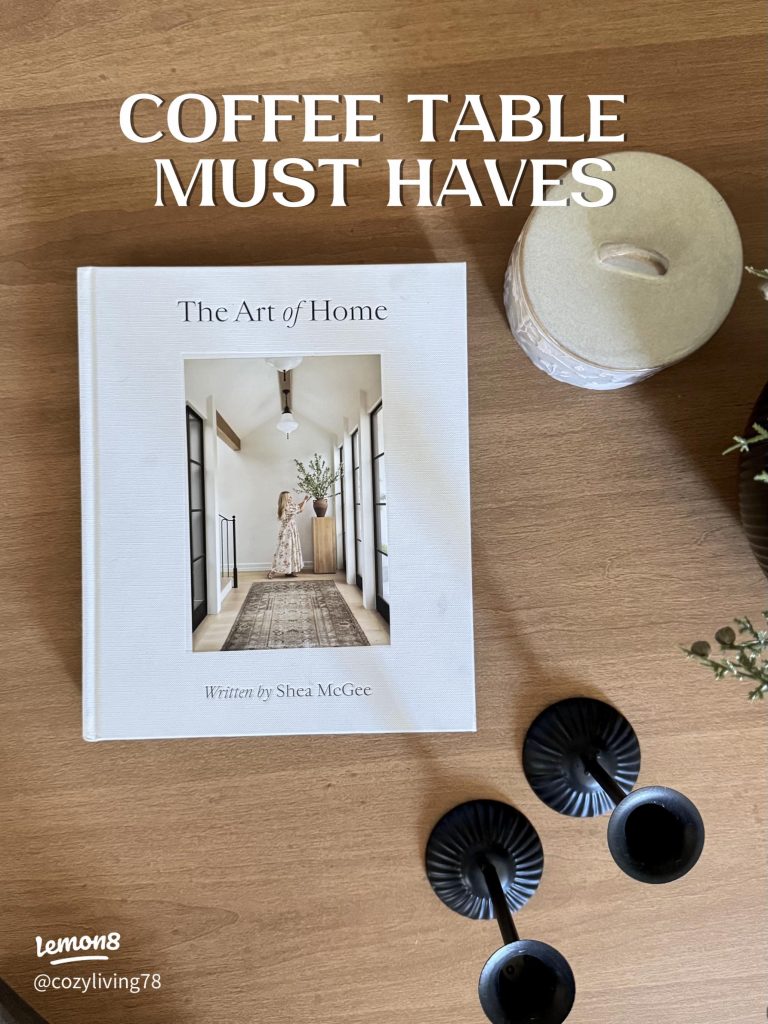
Have you ever dreamed of creating a coffee table book that grabs attention and sparks conversation? Writing one might seem like a big challenge, but with the right steps, you can turn your ideas into a stunning book that people will love to flip through.
Whether you want to showcase your photography, share your passion, or create a unique gift, this guide will walk you through exactly how to write a coffee table book that stands out. Keep reading, and you’ll discover simple, effective tips to bring your vision to life.

Credit: medium.com
Choosing A Theme
Choosing a theme is a crucial part of creating a coffee table book. It sets the tone and attracts the right audience. A strong theme helps your book stand out and keeps the content focused. This section explores key points to consider while picking a theme for your project.
Finding Your Niche
Begin by identifying what excites you. Your passion will show in the book’s content. Think about subjects you know well or want to explore deeply. Focus on a specific area to avoid broad or unclear themes.
Consider these questions:
- What topics do you enjoy most?
- Which subjects do you have unique knowledge about?
- What stories or images do you want to share?
Researching Trends
Check popular coffee table books to spot current trends. Notice themes that attract readers and buyers. Use online stores and social media for insights. Trends help your book feel fresh and relevant.
Look for patterns in:
- Design styles
- Popular subjects
- Visual themes
Balancing Personal And Market Interests
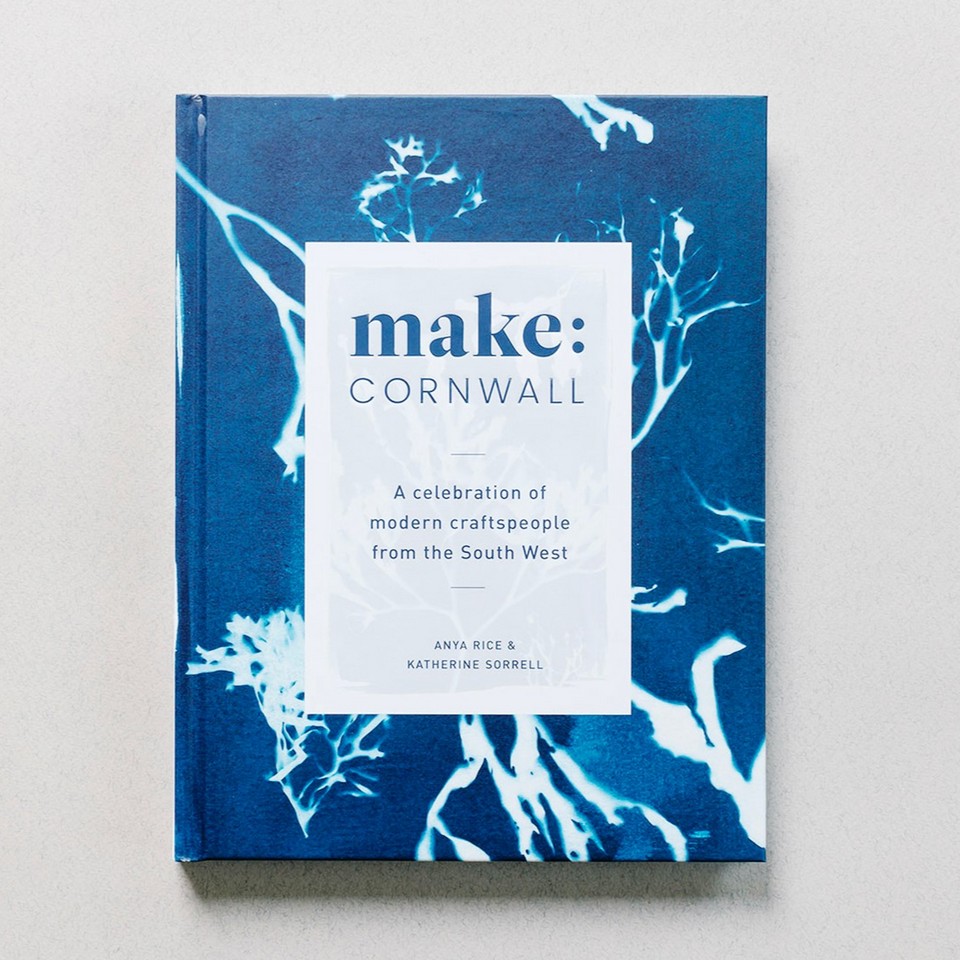
Mix your passion with what readers want. A book that reflects your interests and sells well is ideal. Avoid themes that only please you or only follow market trends. Find a middle ground to keep your project meaningful and appealing.
Try these tips:
- Test your ideas with friends or potential readers
- Check if your theme fits common interests
- Adjust your concept based on feedback
Credit: www.kernowcraft.com
Planning Your Content
Planning your content is the backbone of creating a coffee table book that captivates and holds attention. Without a clear plan, your book might feel scattered or lose its unique charm. Taking the time to map out your story, visuals, and structure sets you up for a smooth creative process and a final product you’ll be proud of.
Storytelling Techniques
Think about the story your coffee table book will tell. Are you sharing a journey, highlighting a theme, or celebrating a subject? Your narrative should guide readers effortlessly from one page to the next.
Use short captions, quotes, or anecdotes to add depth to your visuals. These bits of text turn simple images into memorable stories. Ask yourself: what emotions or thoughts do you want your readers to feel as they flip through the pages?
Selecting Visuals
Choose images that support your story and keep your audience engaged. Variety matters—mix close-ups, wide shots, and detail images to add visual interest.
Quality is key. Sharp, well-lit photos make a big difference in print. If you’re using artwork or illustrations, ensure they match the tone and style of your book. Don’t overload pages; sometimes, less is more.
Organizing Chapters
Divide your content into clear chapters or sections that flow logically. Think about how each chapter builds on the previous one and leads into the next.
Use chapter titles that spark curiosity or clarify the content. This helps readers navigate your book easily and enhances their experience. Have you considered how you want readers to feel when they close your book?
Writing Engaging Text
Captivating text draws readers into your coffee table book. Use simple words and vivid descriptions to create a strong connection. Short, clear sentences keep the flow smooth and enjoyable.
Writing engaging text for a coffee table book is an art that requires attention to detail and a flair for storytelling. The text should complement the visuals, enhancing the reader’s experience without overshadowing the images. Striking the right balance between informative and entertaining content is key.Crafting Captivating Captions
Captions are more than just descriptions; they’re invitations to explore the image further. They should spark curiosity and provide an intriguing context. Imagine flipping through pages and encountering a caption that not only tells you what you’re seeing but also hints at the story behind it. Consider asking yourself, what would make a reader pause and ponder the image? Use captions to highlight unique details, historical significance, or personal anecdotes related to the image. This makes the reader want to learn more and creates a deeper connection with the content.Using Descriptive Language
Descriptive language paints a vivid picture in the reader’s mind. It breathes life into the images, making them more memorable. Think about the senses: how does the scene look, smell, or even feel? Instead of saying “a beautiful sunset,” try “a fiery sunset that painted the sky in shades of orange and pink.” This approach pulls the reader into the scene, allowing them to visualize and experience the moment. Descriptive language transforms simple text into a sensory experience.Maintaining Consistent Tone
A consistent tone throughout the book creates a seamless narrative. It ensures that the reader feels a sense of continuity as they move from page to page. Determine the overall mood of your book—whether it’s playful, serious, or nostalgic—and stick to it. Consistency in tone also helps reinforce the book’s theme and purpose. If your coffee table book is about travel adventures, maintain an adventurous and exploratory tone. This coherence keeps the reader engaged and provides a satisfying reading experience. Writing engaging text for a coffee table book is about creating a dialogue between the reader and the images. How will you craft your story?Designing The Layout
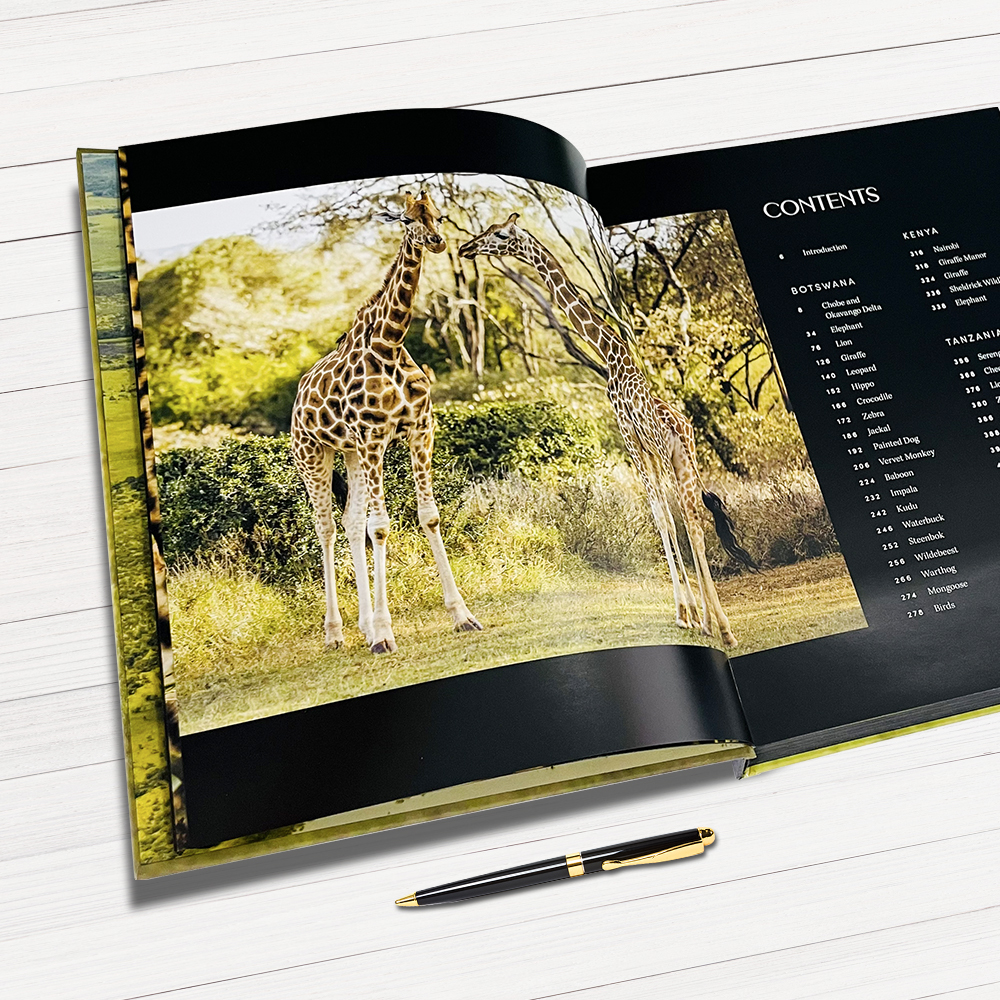
Designing the layout of a coffee table book sets the tone for the entire reading experience. A well-crafted layout invites readers to explore each page with ease and interest. It blends visuals and text in a way that feels natural and pleasing to the eye. This stage shapes how stories and images connect, guiding readers smoothly from one section to another.
Choosing Fonts And Colors
Select fonts that match the book’s theme and style. Use clear, easy-to-read typefaces for body text. Pair them with decorative fonts for titles or headings to create contrast. Stick to two or three fonts to keep the design clean.
Choose colors that complement the images and mood of your book. Use neutral tones for backgrounds to make text and photos stand out. Add accent colors to highlight important details or sections. Consistency in colors helps unify the pages.
Balancing Images And Text
Place images and text in a way that neither overwhelms the other. Use white space to separate elements and avoid clutter. Let photos breathe by giving them room on the page.
Mix full-page photos with smaller images and text blocks for variety. Use captions or short paragraphs to explain or enhance pictures. Balance helps keep readers engaged and makes the content easy to follow.
Creating Visual Flow
Arrange elements to guide the reader’s eye smoothly across the page. Use alignment and spacing to create a natural reading path. Consider the order of images and text to tell a clear story.
Use repeating design elements, like lines or shapes, to connect pages visually. Change layouts slightly from page to page to maintain interest. A good visual flow keeps the reader turning pages eagerly.
Selecting High-quality Images
Selecting high-quality images is key to creating a captivating coffee table book. Pictures tell the story just as much as words. Crisp, clear, and well-chosen photos make readers pause and enjoy each page. Images should match the book’s theme and style. Poor quality or irrelevant pictures can distract and reduce the book’s appeal.
Photography Tips
Use natural light to capture true colors and details. Avoid harsh shadows or overexposure. Focus on the subject and keep backgrounds simple. Shoot from different angles to add variety. Use a tripod for steady shots, especially in low light. Take many photos to select the best later.
Sourcing Stock Photos
Choose stock photos with high resolution and clear licensing. Free sites like Unsplash or Pexels offer quality images without cost. Paid sites provide a wider range and exclusive photos. Always check the image size to avoid pixelation in print. Pick photos that fit the book’s mood and message.
Editing For Impact
Enhance images by adjusting brightness and contrast. Crop to remove distractions and focus on the main subject. Use filters sparingly to keep photos natural. Sharpen details to improve clarity. Keep a consistent style across all images for a unified look. Save edited files in high resolution for printing.
Printing And Production
Printing and production are where your coffee table book truly comes to life. This stage transforms your digital design into a tangible object that readers will touch, flip through, and display. The choices you make here affect not only the look but also the feel and durability of your book.
Choosing Paper And Binding
Paper quality changes the entire reading experience. Thick, glossy paper highlights photos and colors, making images pop. Matte paper offers a softer, elegant feel that reduces glare, ideal for artistic or vintage-themed books.
Binding style also impacts how your book handles. Hardcover binding adds a premium touch and protects your pages well. On the other hand, perfect binding (softcover) is lighter and often more affordable but less durable.
Think about how your audience will use the book. Will it sit on a coffee table for browsing, or will it be carried around? Your choice should match the book’s purpose and your vision for its longevity.
Working With Printers
Finding the right printer can be a game-changer. You want a printer who understands your vision and offers samples of their work. Don’t hesitate to ask for test prints; colors and details often look different in print than on screen.
Clear communication is key. Share your specifications, including paper type, binding, and color preferences. Be specific about deadlines and shipping to avoid surprises.
Ask about their minimum order quantities and turnaround times. Some printers specialize in short runs, which can be great if you’re testing the market or want to avoid large upfront costs.
Budgeting For Quality
Quality printing isn’t cheap, but cutting corners can cost you readers and reputation. Set a realistic budget that prioritizes key elements like paper and binding.
Consider where you can save without sacrificing quality. For example, fewer pages with higher-quality paper can look better than a thicker book printed on cheap stock.
Have you thought about unexpected costs like shipping, taxes, or proofing fees? Adding a 10-15% buffer to your budget can prevent last-minute stress.
Marketing Your Book
Marketing your coffee table book is just as important as creating it. Without the right strategies, your beautiful work might never reach the audience it deserves. You need to actively connect with potential readers and build excitement around your book.
Building An Audience
Start by identifying who will love your book. Are they art lovers, travelers, or design enthusiasts? Focus your efforts on engaging with those communities.
Gather email subscribers early. Offer sneak peeks or exclusive content to encourage sign-ups. This list becomes your direct line to people eager for your updates.
Consider collaborating with influencers or bloggers who share your book’s theme. Their endorsement can introduce your work to a broader and more relevant audience.
Leveraging Social Media
Choose platforms where your audience spends time. Instagram is perfect for sharing stunning visuals from your book, while Pinterest can drive traffic through mood boards.
Post consistently with a mix of content: behind-the-scenes shots, stories about your creative process, and user-generated content if readers start sharing your book.
Use hashtags strategically to increase visibility. For example, if your book features city photography, hashtags like CityScapes or UrbanPhotography can attract interested viewers.
Organizing Launch Events
A launch event creates buzz and allows you to connect with readers face-to-face. You could host it at a local gallery, bookstore, or café that aligns with your book’s style.
Make the event interactive: offer signed copies, display prints, or even set up a photo booth themed around your book’s content. This makes your launch memorable and shareable.
Don’t forget virtual options. Livestream your launch to reach fans who can’t attend in person. Invite guest speakers or collaborators to add more value and variety.
Credit: qinprinting.ca
Selling And Distribution
Getting your coffee table book into the hands of readers is just as important as creating it. Selling and distribution shape how wide your audience will be and how smooth the buying experience feels. You need a clear plan that covers where your book will be available and how you’ll deliver it efficiently.
Online Platforms
Online platforms offer a direct way to reach readers all over the world. You can list your coffee table book on sites like Amazon, Etsy, or specialized book marketplaces. Setting up your own website with a shop section gives you full control over pricing and branding.
Consider using social media shops or crowdfunding platforms to build a community before launch. How will you make your book stand out among thousands online? High-quality photos, detailed descriptions, and customer reviews are key elements you shouldn’t skip.
Retail Partnerships
Partnering with retail stores can give your book physical visibility where readers love to browse. Local bookstores, gift shops, and galleries often welcome unique coffee table books, especially if you approach them with a clear pitch and sample copies. You could also explore pop-up shops or book fairs to test different markets.
Think about which stores match your book’s style and audience. Have you reached out to shop owners with a personalized proposal? Building relationships here can lead to long-term support and local buzz.
Shipping And Fulfillment
Efficient shipping and fulfillment are crucial to keep your customers happy and coming back. Decide whether you will handle packing and shipping yourself or use a fulfillment service to save time. Each option has costs and pros—self-shipping gives control but can be time-consuming, while fulfillment centers offer convenience but reduce your margin.
Consider packaging that protects your book and reflects its quality. Have you tested delivery times and conditions? Small details like tracking options and clear return policies build trust and encourage repeat purchases.
Frequently Asked Questions
What Is A Coffee Table Book?
A coffee table book is a large, visually appealing book. It features high-quality images and brief texts. These books are designed to spark conversation and showcase specific themes or interests.
How Do I Choose A Theme For My Coffee Table Book?
Pick a theme that excites you and has broad appeal. Popular themes include travel, art, nature, or photography. A strong theme guides your content and attracts readers.
What Content Should Be Included In A Coffee Table Book?
Include high-resolution images, short descriptions, and engaging stories. Balance visuals with concise text to maintain reader interest. Use captions to add context without overwhelming the pages.
How Can I Design A Visually Appealing Coffee Table Book?
Use a clean layout with consistent fonts and colors. Prioritize large, striking images and white space. Ensure text is easy to read and complements the visuals.
Conclusion
Writing a coffee table book takes clear ideas and careful planning. Choose topics that excite you and tell a story with your images. Keep your layout simple and your words easy to read. Quality photos and thoughtful design make your book stand out.
Take your time to edit and polish every page. This way, your coffee table book will attract attention and bring joy to many readers. Start creating and share your unique vision with the world.



