

Are you wondering how to keep your flat roof in top shape year-round? Proper ventilation is the key to preventing moisture buildup, reducing heat, and extending the life of your roof.
But what kind of ventilation works best for flat roofs? You’ll discover the most effective ventilation options designed specifically for flat roofs. By the end, you’ll know exactly how to protect your investment and avoid costly repairs. Keep reading to find out which ventilation methods suit your flat roof perfectly!
Types Of Flat Roof Ventilation
Choosing the right type of ventilation for your flat roof is crucial to maintain its durability and energy efficiency. Ventilation helps control moisture, prevents heat buildup, and reduces the risk of damage. Let’s examine the main types of flat roof ventilation and how they work to protect your building.
Passive Ventilation Methods
Passive ventilation relies on natural air movement without the use of mechanical devices. It often involves vents placed strategically on the roof or walls to allow fresh air in and stale air out.
- Ridge Vents:Installed along the roof’s peak, they let hot air escape naturally.
- Soffit Vents:Positioned under the roof’s edge, they enable cool air to enter.
- Static Roof Vents:Fixed vents that maintain airflow through pressure differences.
These methods are low-cost and require little maintenance. However, their effectiveness depends on wind and temperature differences, which can be unpredictable. Have you noticed how some buildings feel stuffy inside despite having vents? That’s often due to insufficient passive ventilation.
Active Ventilation Systems
Active ventilation uses fans or mechanical systems to move air in and out of the roof space. This approach provides consistent airflow regardless of weather conditions.
- Exhaust Fans:These pull hot, moist air out of the roof area, preventing condensation.
- Intake Fans:They push fresh air into the space to balance pressure.
- Solar-Powered Ventilators:These energy-efficient fans run on solar power, reducing electricity costs.
Active systems are ideal if you want reliable ventilation or if your building design limits natural airflow. They do require electricity and occasional maintenance, but their benefits often outweigh these considerations. Could adding a solar fan be a smart upgrade for your flat roof?
Hybrid Ventilation Solutions
Hybrid ventilation combines passive and active methods to optimize airflow. It uses natural ventilation when conditions allow and switches to mechanical systems as needed.
- Smart Ventilation Controls:Sensors monitor temperature and humidity to adjust fans automatically.
- Combination Vents:Systems that open or close vents in response to airflow demand.
- Integrated Solar and Electric Fans:They maximize efficiency by using solar power first, then switching to electric power.
This approach offers flexibility and energy savings. If you want to minimize your environmental impact but still maintain a healthy roof environment, hybrid systems might be the best fit. What’s your experience with balancing natural and mechanical ventilation in your building?
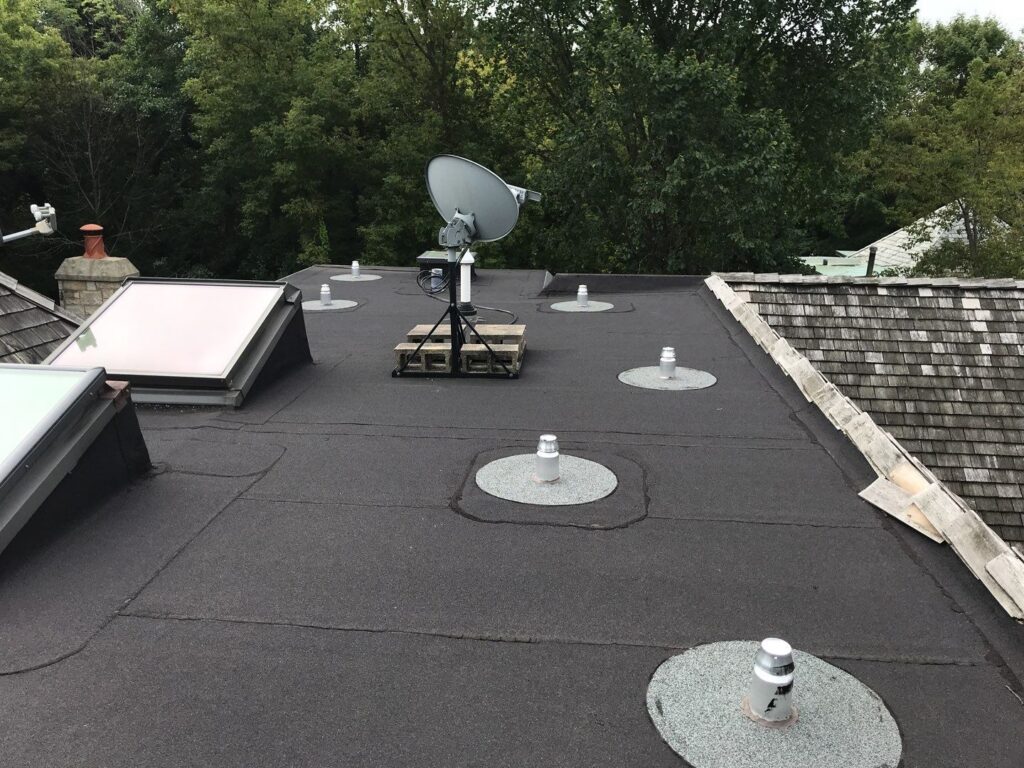
Credit: abedward.com
Benefits Of Proper Ventilation
Proper ventilation in flat roofs plays a crucial role in maintaining the overall health of your building. It helps manage moisture, regulates temperature, and ultimately extends the life of your roof. Without it, you might face costly repairs and reduced comfort inside your space.
Moisture Control
Moisture buildup can cause serious damage to flat roofs. Proper ventilation allows damp air to escape, preventing mold and rot from forming. Have you ever noticed a musty smell or seen water stains on your ceiling? These are signs moisture is trapped, which ventilation can fix.
Ventilation reduces condensation that often accumulates in flat roof structures. This keeps the insulation dry and effective. Dry insulation means better energy efficiency and fewer health risks.
Temperature Regulation
Flat roofs can trap heat, especially during hot weather. Proper ventilation helps push out hot air and brings in cooler air, making your building more comfortable. This means you spend less on air conditioning and avoid temperature swings that stress roofing materials.
During winter, ventilation prevents warm indoor air from heating the roof deck unevenly. This stops ice dams from forming, which can damage your roof and gutters. Would you want to save on energy bills while protecting your roof at the same time?
Extending Roof Lifespan
Flat roofs without proper ventilation wear out faster. Heat, moisture, and trapped air weaken roofing materials over time. By adding the right ventilation, you reduce this stress and keep your roof strong longer.
Think about how often you replace things that get overheated or soaked in water. Your roof is no different. Proper ventilation is a simple step that protects your investment and avoids premature replacements.
Common Ventilation Components
Proper ventilation is essential for flat roofs to prevent moisture buildup and extend the life of your roofing materials. Understanding the common ventilation components can help you choose the right system for your roof’s needs. Each component plays a unique role in maintaining airflow and reducing heat buildup.
Ridge Vents
Ridge vents run along the peak of your roof and allow hot air to escape naturally. They work best when paired with intake vents, creating a balanced airflow system. If your flat roof has a slight slope or parapet, ridge vents can be an effective way to keep air moving.
Soffit Vents
Soffit vents are installed under the eaves of your roof, allowing fresh air to enter the attic space or roof cavity. This fresh air pushes out the warm air through exhaust vents like ridge vents or turbines. Without soffit vents, your roof might not get enough air circulation, leading to trapped heat and moisture.
Turbine Vents
Turbine vents spin with the wind, pulling hot air out from under the roof. They don’t require electricity, making them a cost-effective option for enhancing ventilation. However, their effectiveness depends on wind presence, so they may not work well in areas with little airflow.
Powered Exhaust Fans
Powered exhaust fans actively remove hot air and moisture using electricity. You can control them with thermostats or humidistats to run only when needed, improving energy efficiency. These fans are especially useful if natural ventilation options are limited or your roof space tends to overheat.
Installation Considerations
Proper installation of ventilation for flat roofs is essential for long-lasting performance. It ensures airflow, prevents moisture buildup, and protects the roof structure. Careful planning during installation helps avoid costly repairs and improves energy efficiency.
Location And Placement
Ventilation must be placed where air can flow freely. Install vents near the edges or high points of the roof. Avoid blocking vents with insulation or roofing materials. Position vents to allow fresh air intake and hot air exit. Correct placement reduces heat and moisture damage.
Material Compatibility
Choose ventilation materials that match the flat roof type. Use corrosion-resistant metals or durable plastics. Ensure vent components work well with roofing membranes. Proper material choice prevents leaks and extends roof life. Check for UV resistance to avoid damage from sunlight.
Building Code Requirements
Follow local building codes for ventilation size and type. Codes specify minimum airflow rates to protect the roof. Obtain permits if needed before installation. Use certified products that meet safety and performance standards. Compliance ensures a safe and effective ventilation system.
Maintenance Tips For Ventilation
Flat roofs often use ridge vents, soffit vents, or turbine vents for proper airflow. Regular cleaning and inspection keep these vents free from debris and working well. Proper ventilation prevents moisture buildup and extends the roof’s life.
Maintaining effective ventilation on flat roofs is crucial for longevity. Proper maintenance ensures optimal airflow and prevents damage. Follow these tips to keep your flat roof ventilation in top shape.Regular Inspections
Schedule inspections at least twice a year. Look for blockages or damage. Check for signs of rust or wear on vents. Ensure all parts are secure and functioning well.Cleaning And Repairs
Clear debris from vents and surrounding areas. Use a soft brush or vacuum for cleaning. Repair any damaged vent covers or ducts promptly. Replace broken components to maintain efficiency.Seasonal Adjustments
Adjust ventilation settings for changing weather. In summer, increase airflow to reduce heat buildup. In winter, ensure vents are free from snow or ice. Regularly monitor vents to adapt to seasonal needs.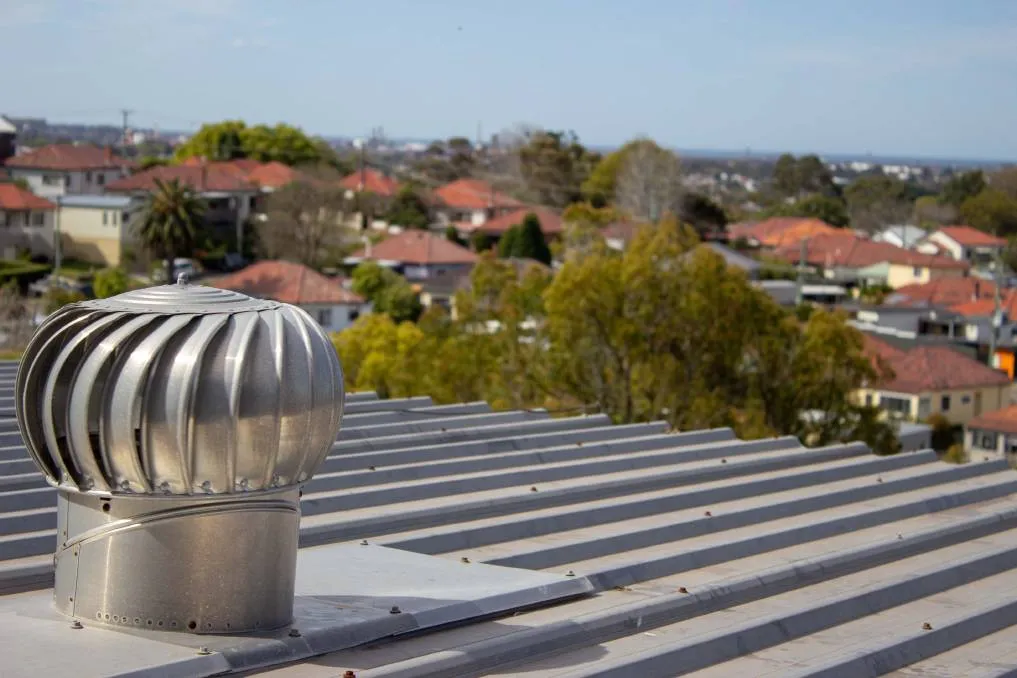
Credit: www.oscarroofing.ca
Innovative Ventilation Technologies
Innovative ventilation technologies have transformed how flat roofs manage airflow and temperature. These advancements not only improve energy efficiency but also extend the roof’s lifespan by preventing moisture buildup and heat damage. If you want to keep your building comfortable and reduce maintenance costs, understanding these modern options is essential.
Solar-powered Vents
Solar-powered vents use sunlight to drive small fans that pull hot air out of the roof space. This technology requires no external electricity, making it a cost-effective and eco-friendly solution.
Because they operate only when the sun is shining, these vents adjust naturally to the heat load on your roof. Imagine your roof automatically cooling itself during the hottest parts of the day without raising your electric bill.
Installing solar vents can also reduce the risk of mold growth by improving airflow, especially in humid climates. Have you considered how much energy you might save by switching to solar-powered ventilation?
Smart Ventilation Controls
Smart ventilation controls let you customize airflow based on real-time conditions like temperature and humidity. These systems use sensors and automated settings to optimize ventilation without manual adjustments.
By connecting to your smartphone or building management system, you can monitor and control the roof ventilation remotely. This means you can respond quickly to changing weather or indoor conditions, ensuring your flat roof stays in top shape.
What if your ventilation system could learn your building’s patterns and adjust itself to save energy and prevent damage? Smart controls bring that possibility within reach, making roof maintenance smarter and easier.

Credit: whittsroofing.com
Frequently Asked Questions
What Types Of Ventilation Suit Flat Roofs Best?
Flat roofs commonly use ridge vents, soffit vents, and turbine vents. These types ensure proper airflow and prevent moisture buildup. Choosing the right ventilation depends on roof size and climate conditions.
Why Is Ventilation Important For Flat Roofs?
Ventilation helps regulate temperature, reducing heat buildup in summer. It prevents moisture accumulation, which can cause mold and roof damage. Proper airflow extends the roof’s lifespan and improves energy efficiency.
How Does Soffit Ventilation Work On Flat Roofs?
Soffit vents allow fresh air to enter under the roof’s edge. This air flows through the attic space and exits via other vents, maintaining balanced airflow. This process prevents condensation and supports roof health.
Can Turbine Vents Improve Flat Roof Ventilation?
Yes, turbine vents use wind power to pull hot, moist air out of the roof space. They are effective in enhancing ventilation without electricity. Turbine vents help keep the roof dry and cool.
Conclusion
Proper ventilation keeps flat roofs dry and extends their life. Using vents like ridge, soffit, or turbine helps air flow well. Good airflow stops moisture and heat buildup inside the roof. This prevents damage and lowers repair costs later. Choose the right ventilation based on your roof design and climate.
Regular checks ensure the system works as it should. Remember, well-ventilated flat roofs stay strong and protect your home better.



