
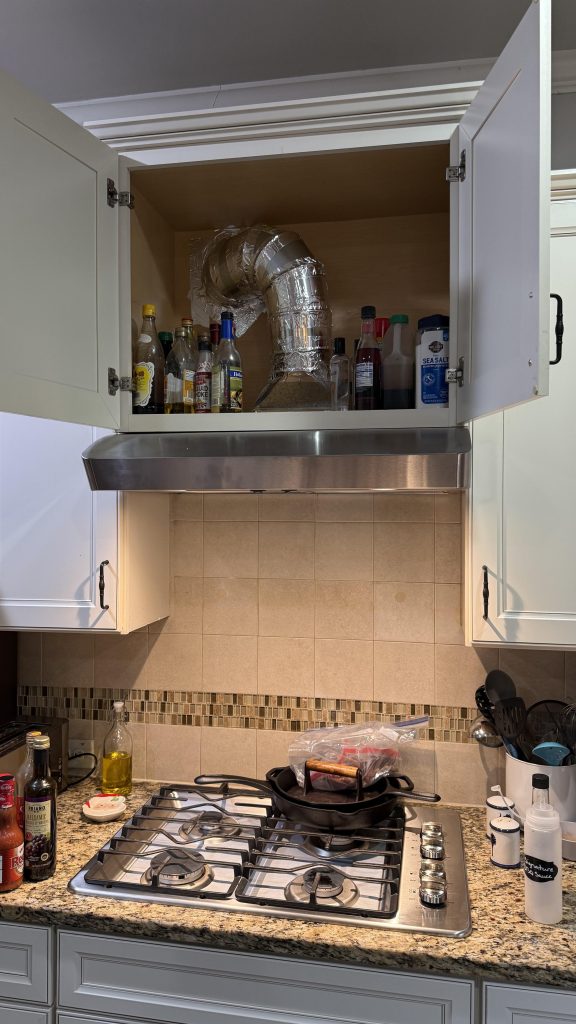
Have you ever wondered if working in a kitchen without proper ventilation is against the law? If you spend hours cooking or managing a kitchen, this question isn’t just important—it could affect your health and safety every day.
Breathing in smoke, heat, and fumes without fresh air can be dangerous. But what does the law say about it? Keep reading to find out if your kitchen setup meets legal standards and how it impacts you and everyone working around you.
This knowledge could protect you from serious risks and even legal trouble. Don’t miss out on what you need to know!

Credit: www.reddit.com
Legal Requirements For Kitchen Ventilation
Kitchen ventilation is not just about comfort; it is a legal necessity. Proper ventilation removes smoke, heat, and harmful gases, ensuring a safe work environment. Laws and regulations set clear standards for ventilation in commercial and residential kitchens.
Building Codes And Standards
Building codes often require kitchens to have effective ventilation systems. These codes specify the type and capacity of exhaust fans and vents. They ensure that air circulates properly to avoid buildup of smoke and grease. Compliance with these codes is essential to pass inspections and avoid fines.
Health And Safety Regulations
Health and safety rules protect workers from dangerous air quality. Poor ventilation can cause respiratory problems and increase fire risks. Regulations demand regular maintenance and proper installation of ventilation equipment. Employers must provide a safe kitchen environment to meet these standards.
Local And National Laws
Local and national laws vary but generally require kitchens to have ventilation systems. These laws may include specific airflow rates and filter requirements. Failure to follow these laws can lead to penalties or closure of the kitchen. Staying informed about the laws in your area is critical for compliance.
Credit: blog.yaleappliance.com
Health Risks Without Proper Ventilation
Working in a kitchen without proper ventilation can expose you to serious health risks. The air often fills with smoke, fumes, and other harmful particles that your body has to deal with every day. Ignoring ventilation can lead to immediate discomfort and long-term damage to your respiratory system.
Exposure To Smoke And Fumes
Smoke from cooking oils, burnt food, and gas stoves contains harmful chemicals. Breathing this in can cause eye irritation, headaches, and dizziness. Imagine spending hours in a kitchen where the air feels thick and hard to breathe—how long do you think your body can handle that?
Airborne Contaminants And Allergens
Without ventilation, airborne grease, dust, and allergens accumulate quickly. These particles worsen allergies and can trigger asthma attacks. If you notice frequent coughing or sneezing while working, poor ventilation might be the culprit you haven’t considered.
Long-term Respiratory Issues
Continuous exposure to kitchen pollutants can lead to chronic respiratory diseases like bronchitis or even asthma. This risk grows if the kitchen is used daily without proper air exchange. Do you want your passion for cooking to come at the cost of your lung health?
Common Ventilation Systems In Kitchens
Proper ventilation keeps kitchens safe and comfortable. It removes smoke, heat, and odors. Good airflow helps prevent health risks and complies with safety rules. Kitchens use different systems to maintain fresh air and clear harmful gases.
Exhaust Hoods And Fans
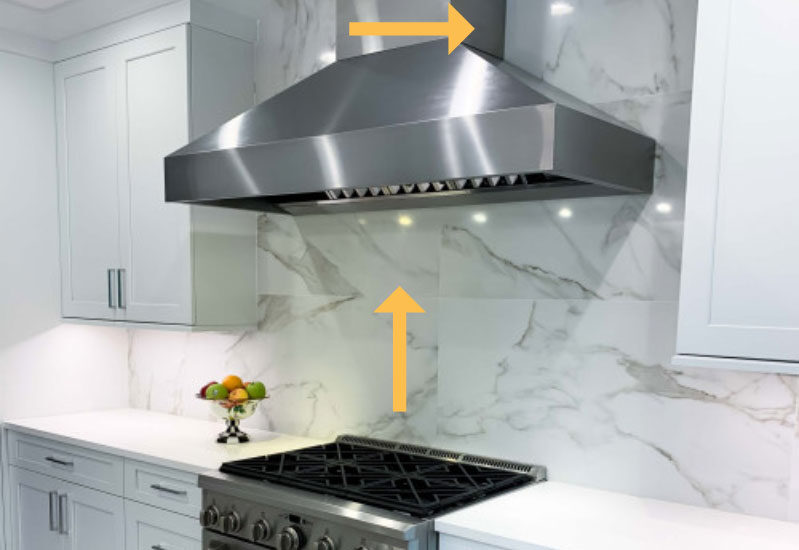
Exhaust hoods sit above stoves and cooking areas. They pull out smoke, steam, and grease. Fans inside these hoods push the air outside the building. This stops smoke from building up and keeps the kitchen air clean. Many kitchens have filters to catch grease before air exits.
Makeup Air Units
Makeup air units bring fresh air inside. They replace the air that exhaust fans remove. Without this, negative pressure can cause problems. These units keep air balanced and improve comfort. They also help maintain proper temperature and airflow.
Air Filtration Solutions
Air filtration systems clean the air inside kitchens. They remove tiny particles, smoke, and odors. Filters in these systems need regular cleaning or replacement. Some kitchens use high-efficiency filters for better air quality. Filtration helps protect workers’ health and keeps the kitchen environment pleasant.

Credit: www.kitchenaid.com
Consequences Of Non-compliance
Working in a kitchen without proper ventilation violates health and safety laws. Ignoring these rules leads to serious consequences. Both business owners and employees face risks. Understanding these consequences helps maintain a safe work environment.
Fines And Penalties
Authorities impose fines on kitchens lacking ventilation systems. These fines vary by region and severity. Repeat violations result in higher penalties. Fines can reach thousands of dollars. Non-compliance also damages a business’s reputation.
Business Closure Risks
Health inspectors may shut down kitchens without ventilation. Closures can be temporary or permanent. This disrupts daily operations and causes revenue loss. Reopening requires fixing ventilation issues and passing inspections. Failure to comply can lead to permanent closure.
Employee Health Claims
Poor ventilation causes health problems like respiratory issues. Employees can file claims against employers for unsafe conditions. These claims result in costly lawsuits and compensation payments. Protecting workers’ health reduces legal risks. Proper ventilation is essential to avoid health-related claims.
How To Ensure Proper Kitchen Ventilation
Working in a kitchen without proper ventilation can violate safety laws. Good airflow helps remove smoke, heat, and odors, keeping the environment safe and comfortable. Ensuring proper ventilation prevents health risks and legal problems for kitchen workers.
Ensuring proper kitchen ventilation is crucial not only for maintaining a safe and healthy cooking environment but also for complying with legal standards. A well-ventilated kitchen can prevent the buildup of harmful fumes and heat, improving both air quality and comfort. Without adequate ventilation, you risk potential health hazards and may even face legal consequences.Regular Maintenance And Inspections
Regular maintenance is the backbone of effective kitchen ventilation. Dust and grease can quickly accumulate in vents, reducing their efficiency. Schedule routine inspections to spot potential issues before they become costly problems. Cleaning filters and ducts frequently can prevent fire hazards and ensure the system operates at peak performance. Do you remember the last time you checked your kitchen vents? If not, it might be time to set a reminder.Hiring Certified Professionals
When it comes to installing or maintaining your ventilation system, hiring certified professionals is a wise investment. They have the expertise to ensure everything meets safety standards and operates efficiently. A professional can identify issues you might overlook and offer solutions tailored to your kitchen’s specific needs. Trusting experts can save you from future headaches and ensure your kitchen remains a safe space to cook.Upgrading Old Ventilation Systems
Older systems might not meet today’s safety and efficiency standards. Upgrading your ventilation could improve air quality and reduce energy costs. Consider the latest technologies that offer better performance and lower environmental impact. Have you ever thought about how much an outdated system could be costing you in terms of both money and safety? Taking proactive steps now can make a significant difference in the long run.Case Studies And Real-life Examples
Exploring case studies and real-life examples highlights the importance of proper kitchen ventilation. These stories show the risks of poor ventilation and the benefits of good systems. They help understand legal and health issues in kitchen work environments.
Incidents From Poor Ventilation
- In one restaurant, lack of ventilation caused a fire due to grease buildup.
- Several workers reported headaches and breathing problems in a bakery without vents.
- A fast-food kitchen faced fines after inspectors found no exhaust system.
- Employees at a small café suffered heat exhaustion during summer without airflow.
- One case involved a restaurant closure after repeated health complaints about air quality.
Successful Ventilation Implementations
- A large hotel installed a hood system, reducing smoke and odors significantly.
- A bakery added exhaust fans, improving air circulation and worker comfort.
- A popular diner used a makeup air system to balance kitchen pressure safely.
- Many kitchens upgraded to energy-efficient ventilation, cutting costs and pollution.
- Restaurants with proper ventilation saw fewer health complaints and better inspections.
Frequently Asked Questions
Is Working In A Kitchen Without Ventilation Illegal?
Yes, most health and safety laws require proper kitchen ventilation. Working without it can violate regulations and risk fines.
What Are The Risks Of No Kitchen Ventilation?
Lack of ventilation causes poor air quality, heat buildup, and dangerous gas accumulation. This risks worker health and fire safety.
How Does Kitchen Ventilation Affect Worker Safety?
Proper ventilation removes smoke, fumes, and heat. It prevents respiratory issues, heat stress, and improves overall workplace safety.
Are There Legal Standards For Kitchen Ventilation?
Yes, building and health codes set minimum ventilation requirements. Compliance ensures a safe, healthy environment and avoids legal penalties.
Conclusion
Working in a kitchen without ventilation can be unsafe and against the law. Good airflow helps remove smoke, heat, and harmful gases. Employers must provide proper ventilation to protect workers’ health. Ignoring these rules can lead to fines or closure.
Always check local laws before starting kitchen work. Safety should come first in every kitchen. Clean air means better work and fewer risks. Never overlook the importance of proper ventilation.



