
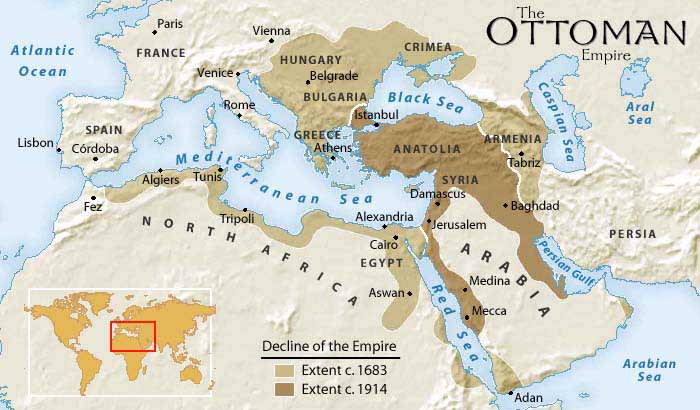
Have you ever wondered if Persia was part of the Ottoman Empire? This question might seem simple, but the answer reveals a fascinating story of power, culture, and history.
Understanding the relationship between Persia and the Ottoman Empire can change how you see the past and the way borders shaped the modern world. If you want to clear up the confusion and discover the truth behind these two great empires, keep reading.
Your curiosity is about to be rewarded with clear facts and surprising insights.
Persia And The Ottoman Empire
The relationship between Persia and the Ottoman Empire is a story of rivalry, conflict, and cultural exchange. These two powerful empires stood as neighbors for centuries, each shaping the political and cultural landscape of the Middle East. Understanding their dynamic can help you grasp why Persia was never fully part of the Ottoman Empire, despite their close proximity and frequent battles.
Geographical And Political Boundaries
Persia, known today as Iran, had clear geographical borders that separated it from the Ottoman Empire. The rugged mountains and deserts acted as natural barriers, making it difficult for any empire to fully control the other’s territory. Politically, Persia was ruled by the Safavid dynasty and later the Qajar dynasty, maintaining its independence despite Ottoman attempts to expand eastward.
Military Conflicts And Treaties
Frequent wars marked the relationship between the two empires, often centered on control of border regions like Mesopotamia. Battles were intense but rarely resulted in permanent territorial changes. Several treaties, such as the Treaty of Zuhab in 1639, established boundaries that respected Persia’s sovereignty and prevented Ottoman annexation.
Cultural Exchanges And Differences
Despite conflicts, Persia and the Ottoman Empire influenced each other culturally. Persian art, poetry, and architecture left a lasting impact on Ottoman culture. However, religious differences—Persia being predominantly Shia Muslim and the Ottoman Empire Sunni Muslim—deepened political divides and shaped their interactions.
Why Persia Was Never Fully Part Of The Ottoman Empire
The question of why Persia was never absorbed into the Ottoman Empire comes down to a mix of geography, strong centralized rule, and religious identity. The Safavid dynasty’s ability to unify Persia around Shia Islam created a distinct identity resistant to Ottoman Sunni influence. You might wonder how these historical boundaries still affect the region’s politics today—these old rivalries have echoes in modern relations between Iran and Turkey.

Credit: www.worldhistory.org
Geographical Boundaries
Understanding the geographical boundaries is key to answering whether Persia was part of the Ottoman Empire. The two empires had distinct territories that shaped their political and cultural identities. Let’s look closely at where their borders lay and how geography influenced their relationship.
Distinct Borders Of The Ottoman And Persian Empires
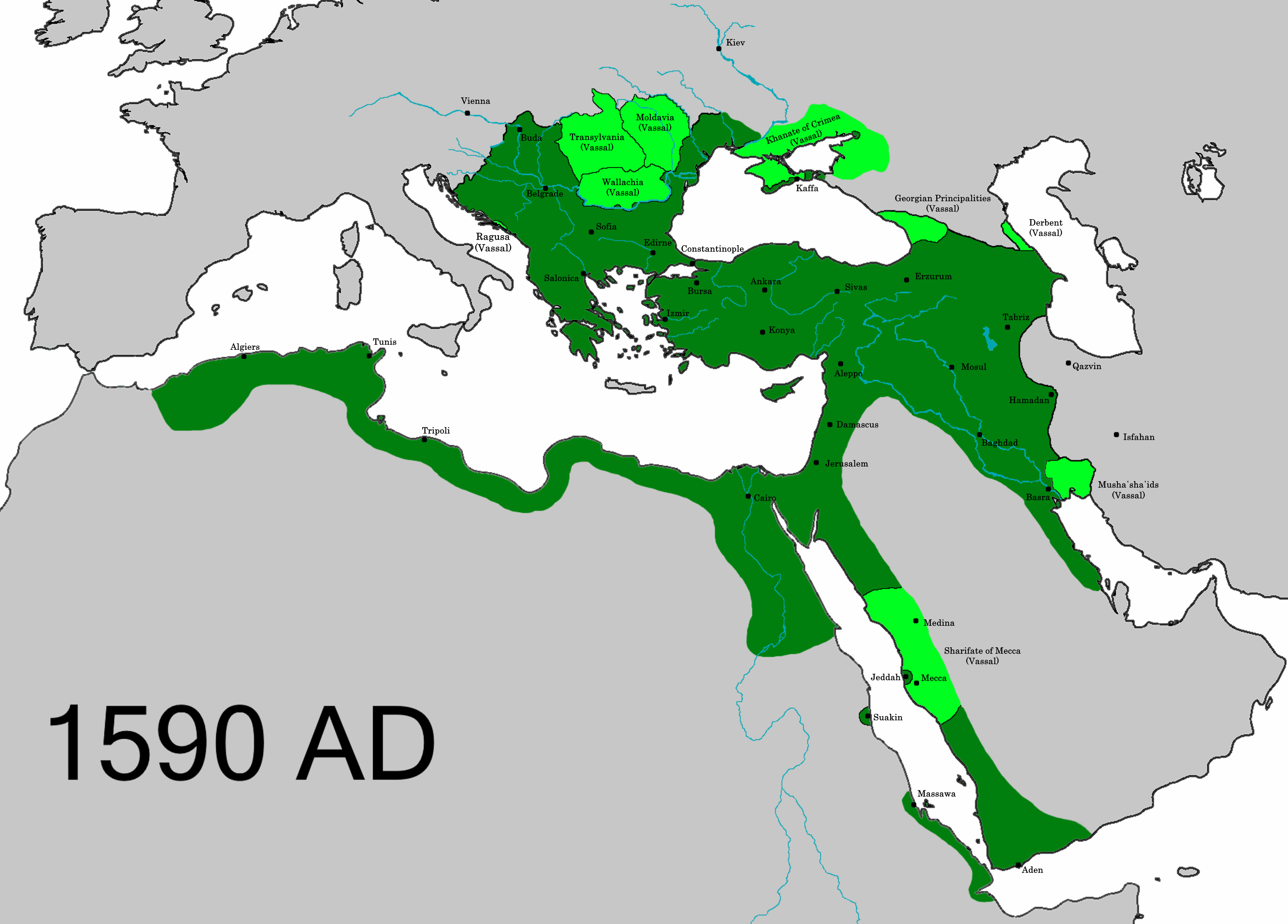
The Ottoman Empire primarily covered much of modern-day Turkey, parts of Southeast Europe, and the Middle East. Persia, known today as Iran, occupied the plateau east of the Ottoman lands. Their borders met but never fully merged.
Natural barriers like mountains and deserts often marked the dividing lines. For instance, the Zagros Mountains served as a natural separation between Persian lands and Ottoman-controlled areas.
Territorial Disputes And Shifting Boundaries
Though Persia was never fully part of the Ottoman Empire, the borders were not always fixed. Several wars and treaties over centuries caused shifts. This often led to contested regions, especially around modern-day Iraq and eastern Turkey.
Have you ever wondered how geography can fuel conflicts? In this case, difficult terrain made control hard and borders fluid. This gave rise to a tug-of-war over key cities and trade routes.
Impact Of Geography On Cultural Influence
Even with separate boundaries, proximity allowed cultural exchanges. Trade routes crossing these borders brought goods, ideas, and customs between the two empires. You can see traces of this in architecture and language influences in border regions.
Geography did not just separate them; it also connected them in surprising ways. What does this tell you about the power of location in shaping history?
Historical Relations
The relationship between Persia and the Ottoman Empire is a tale of complex interactions shaped by diplomacy, conflict, and mutual influences. While the two were never unified under a single rule, their histories intertwined in significant ways. Understanding these historical relations offers insights into their enduring cultural legacies and geopolitical dynamics.
Early Interactions
In the early days, both Persia and the Ottoman Empire were emerging powers in the region. They often found themselves in a delicate dance of diplomacy and rivalry. Persian cultural influences, such as art and architecture, left a lasting mark on the Ottoman Empire, highlighting the rich exchange between these two civilizations.
Imagine living in a time where a single letter or envoy could shape the fate of nations. Those early interactions were filled with strategic marriages and alliances, setting the stage for centuries of complex relations.
Conflicts And Wars
Despite their cultural exchanges, Persia and the Ottoman Empire were frequently at odds. Major conflicts, such as the Ottoman-Safavid Wars, were driven by territorial ambitions and religious differences. These wars reshaped borders and influenced the political landscape of the Middle East.
Consider the impact of these conflicts on ordinary people who lived through sieges and battles. The legacy of these wars can still be seen in the region’s modern-day borders and cultural divisions.
Treaties And Agreements
Amidst the wars, there were also moments of peace. Treaties like the Treaty of Zuhab in 1639 marked significant turning points. These agreements often aimed to stabilize the region and establish boundaries that both sides could respect.
Such treaties were not just political documents; they were attempts to bring a semblance of order to a turbulent region. They remind us that even fierce rivals can find common ground when necessary.
As you reflect on these historical relations, consider how they continue to influence the political and cultural fabric of the region today. What lessons can we learn from the past to navigate current and future challenges?
Political Structures
The political structures of Persia and the Ottoman Empire reveal key differences that shaped their histories and governance. Understanding these systems helps clarify why Persia was never fully part of the Ottoman Empire. Each had its own unique way of organizing power and control.
Persian Governance
Persia was ruled by a centralized monarchy, often led by a Shah who held supreme power. The Shah’s authority was supported by a complex bureaucracy, which included viziers and local governors called satraps.
Religion played a strong role in governance, with Shi’a Islam deeply influencing laws and policies. Persian rulers often relied on religious scholars to legitimize their rule and maintain social order.
Local tribal leaders and nobles also held considerable influence, especially in rural areas. This created a balance between central authority and regional powers that helped Persia maintain its distinct identity.
Ottoman Administration
The Ottoman Empire operated under a system that combined a sultan’s absolute rule with a structured administrative hierarchy. The sultan was the supreme ruler, but day-to-day governance was managed by appointed officials.
One key feature was the millet system, which allowed religious communities to govern their own affairs. This approach helped the Ottomans manage a vast, diverse population.
The empire was divided into provinces, each ruled by a governor called a bey or pasha. These governors were directly accountable to the sultan, ensuring tight control over distant territories.
Cultural Differences
Persia and the Ottoman Empire were two powerful empires with distinct cultures. Their cultural differences shaped their identities and relations. These differences can be seen clearly in language, religion, traditions, and customs. Understanding these aspects helps explain why Persia was never fully part of the Ottoman Empire.
Language And Religion
Persia primarily spoke Persian (Farsi), a language with a rich literary history. The Ottoman Empire used Ottoman Turkish, which mixed Turkish, Arabic, and Persian words. This created a language barrier between the two.
Religion also marked a clear division. Persia was mainly Shia Muslim, while the Ottoman Empire followed Sunni Islam. This religious split caused political and social tensions. It influenced their laws, leadership, and daily life.
Traditions And Customs
Persian traditions focused on poetry, art, and elaborate court ceremonies. Persian gardens and architecture reflected their unique style. Their festivals, like Nowruz, celebrated the new year with special rituals.
The Ottoman Empire had its own customs, such as the Janissary military system and unique palace protocols. Their art and music were different, showing Central Asian and Islamic influences. Social customs and dress codes also varied greatly between the two cultures.

Credit: medium.com
Impact Of Ottoman Influence On Persia
The impact of Ottoman influence on Persia was complex and nuanced. Although Persia was never fully part of the Ottoman Empire, their long history of interactions shaped various aspects of Persian society, culture, and politics. Understanding this influence helps you see how two powerful neighbors shaped each other in unexpected ways.
Political And Military Interactions
The Ottoman Empire and Persia were often rivals, engaged in frequent wars and border conflicts. These clashes pushed Persia to strengthen its military strategies and fortifications. If you look at Persia’s shifting alliances and reforms, you’ll notice how Ottoman pressure played a key role.
At the same time, the Ottomans influenced Persian governance by showing the importance of centralized control and military organization. This led some Persian rulers to adopt more structured administrative systems to better manage their territories and resources.
Cultural And Artistic Exchanges
You might be surprised to learn that Persian art and architecture bear traces of Ottoman influence. Persian carpets, ceramics, and miniature paintings sometimes incorporated Ottoman styles, blending motifs and techniques. This cultural cross-pollination enriched Persian artistic traditions.
Language and literature also reflected this exchange. Persian poets and writers borrowed themes and styles from Ottoman counterparts, which added fresh perspectives to their work. Have you ever noticed how closely connected Middle Eastern literary traditions are?
Trade And Economic Impact
The Ottoman Empire controlled key trade routes that affected Persian commerce. Persia’s economy benefited from access to Ottoman markets, but also faced challenges due to tariffs and competition. This dynamic forced Persian merchants to adapt their strategies and diversify goods.
For travelers and traders, the relationship between the two powers meant navigating shifting political landscapes to maintain profitable trade. This ongoing interaction helped shape Persia’s economic policies and regional connections.
Legacy Of Persia And Ottoman Relations
The legacy of Persia and Ottoman relations is deep and complex. These two empires shaped much of the Middle East’s history. Their interactions influenced culture, politics, and trade for centuries.
Although Persia was never part of the Ottoman Empire, their borders and interests often clashed. This rivalry created lasting impacts on both societies.
Shared Cultural Influences
Persian art, literature, and architecture inspired the Ottoman world. The Ottomans adopted Persian styles in poetry and design. Persian language influenced Ottoman court language and administration.
Political Rivalry And Diplomacy
Both empires competed for control over key regions. This rivalry led to many wars and peace treaties. Diplomacy was essential to avoid full-scale conflicts.
Trade And Economic Exchanges
Trade routes connected Persia and Ottoman lands. Goods like silk, spices, and carpets moved between them. Economic ties helped both empires grow wealthier.
Religious And Sectarian Differences
Persia was mainly Shia Muslim, while Ottomans were Sunni. This difference fueled political and religious tensions. It shaped alliances and conflicts in the region.
Legacy In Modern Middle East
Their rivalry influenced national borders seen today. Cultural exchanges still affect art and literature. Understanding their legacy helps explain regional dynamics.
Credit: owlcation.com
Frequently Asked Questions
Was Persia Ever Part Of The Ottoman Empire?
No, Persia was never fully part of the Ottoman Empire. Persia, modern-day Iran, remained an independent empire ruled by the Safavids and later dynasties. The Ottomans and Persians often clashed over territory but never merged under one rule.
How Did Ottoman-persian Relations Influence Their Borders?
Ottoman and Persian empires fought multiple wars shaping their borders. Their conflicts led to treaties defining modern boundaries between Turkey and Iran. These relations influenced political and cultural exchanges despite ongoing rivalry.
Did The Ottoman Empire Control Any Persian Territories?
The Ottoman Empire controlled some western border areas near Persia. However, Persia’s core regions were never under Ottoman rule. Control fluctuated through battles, but Persia maintained sovereignty over most of its lands.
What Distinguished Persian And Ottoman Empires Politically?
Persia was ruled by Shia Muslim dynasties, while Ottomans were Sunni Muslims. This religious difference fueled conflicts. Additionally, their governance styles and cultural identities were distinct, keeping them separate politically.
Conclusion
Persia was never part of the Ottoman Empire. These two had separate rulers and cultures. They often fought over land and power. Persia stayed independent for most of history. Both shaped the region in different ways. Knowing this helps us understand world history better.
Their stories show how borders and empires change. History is full of such interesting facts. Keep exploring to learn more about the past.



