

Choosing the right chandelier size can completely change the look and feel of your room. But how do you know exactly how big of a chandelier you need?
Picking one that’s too small might make your space feel empty, while one that’s too large can overwhelm your room. You want your chandelier to shine as the perfect centerpiece, balancing style and space. You’ll discover simple tips and easy calculations to find the ideal chandelier size for your home.
Keep reading to make sure your next chandelier fits just right and transforms your space beautifully.
Choosing The Right Chandelier Size
Choosing the right chandelier size is key to enhancing your room’s style and function. The perfect chandelier balances the room’s scale and adds light without overwhelming the space. Selecting a chandelier that fits well helps create harmony and draws the eye upward, making the room feel complete.
Factors Affecting Chandelier Size
Several factors influence the size of your chandelier. Consider the room’s purpose and the furniture layout. A dining room may need a different size than a foyer or living room. The style of the chandelier also matters; some designs look better large, others small. Think about the visual weight and how much light you want.
Room Dimensions And Ceiling Height
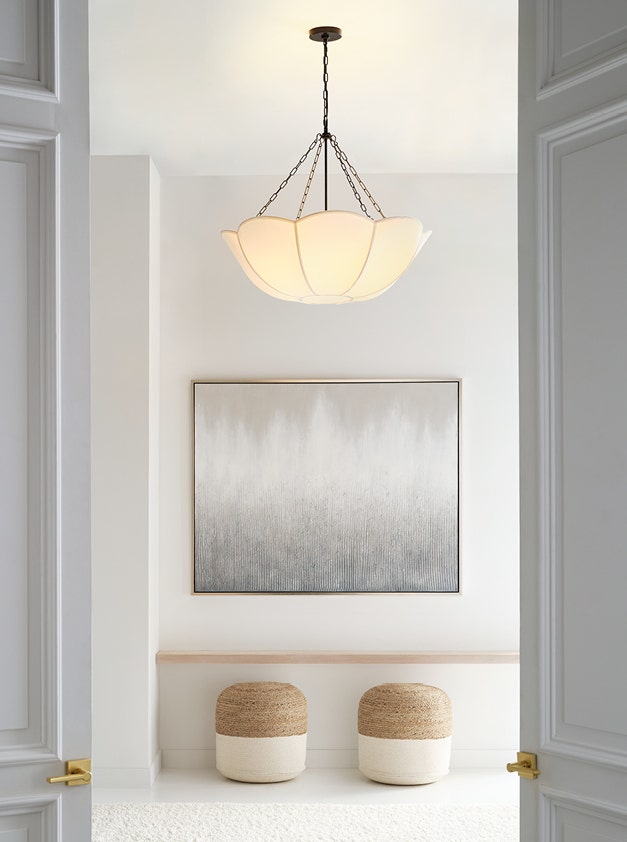
Measure your room’s length, width, and ceiling height. Use these numbers to find a chandelier that fits well. For example, add the room’s length and width in feet. Convert this sum to inches to get the ideal chandelier diameter. Ceiling height decides the chandelier’s drop length. Higher ceilings allow longer fixtures; low ceilings need shorter ones to avoid crowding.
Credit: www.visualcomfort.com
Calculating Chandelier Diameter
Choosing the right chandelier size can transform your space, but figuring out the perfect diameter might feel tricky. Understanding how to calculate the chandelier diameter ensures it fits well with your room’s dimensions and doesn’t overpower or underwhelm your design. Let’s break down practical ways to get that ideal measurement.
Using Room Measurements
Start by measuring your room’s length and width in feet. These two numbers help you find a chandelier size that balances the space without overwhelming it.
Add the length and width together to get a combined number. This sum, expressed in inches, often matches the ideal chandelier diameter. For example, if your room is 15 feet long and 12 feet wide, add 15 + 12 = 27. Your chandelier diameter should be about 27 inches.
This simple approach helps keep your chandelier proportional. Too small, and it gets lost; too big, and it crowds your space.
Simple Formula For Size Estimation
You can also use a straightforward formula to estimate chandelier size that works well in most rooms. Take the room’s dimensions in feet, add them together, and convert that number into inches.
- Measure room length (feet)
- Measure room width (feet)
- Add both measurements
- Convert the sum to inches (multiply by 1 if using feet, just read as inches)
This formula ensures the chandelier complements your room without overwhelming it. Have you ever walked into a room where the chandelier seemed too tiny or too huge? This calculation helps you avoid that mismatch.
Remember, this is a starting point. Consider ceiling height and furniture placement too. But knowing the right diameter gets you closer to a well-balanced look.
Determining Chandelier Height
Choosing the right chandelier size depends on your room’s dimensions and ceiling height. Measure the space carefully to ensure the chandelier fits well without overwhelming the area. A properly sized chandelier balances style and function perfectly.
Determining the right chandelier height ensures both functionality and style. A chandelier that hangs too low or too high can disrupt the room’s balance. Proper height selection enhances lighting and aesthetic appeal.Ceiling Height Guidelines
Ceiling height plays a crucial role in chandelier placement. For standard 8-foot ceilings, maintain at least 7 feet between the floor and the chandelier’s bottom. This clearance ensures safe and comfortable movement beneath the fixture. For ceilings taller than 8 feet, add an extra 3 inches of chandelier height per additional foot of ceiling height. This adjustment maintains proportionality, preserving the room’s visual harmony.Height Above Dining Tables And Counters
Position chandeliers 30 to 36 inches above dining tables. This height allows adequate light without obstructing the view across the table. For kitchen islands or counters, maintain a similar 30 to 36-inch distance from the surface to the chandelier’s bottom. This ensures functional lighting for tasks and provides an unobstructed workspace. Using these guidelines, select the ideal chandelier height for your space. Create a balanced and inviting atmosphere in any room.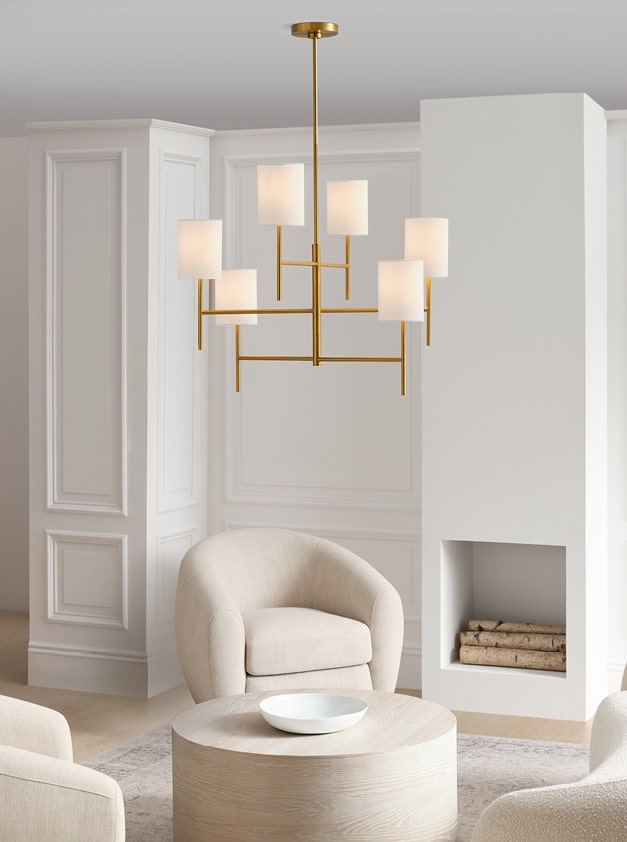
Credit: www.visualcomfort.com
Chandelier Sizes For Different Rooms
Choosing the right chandelier size for each room can dramatically change the space’s feel and functionality. The size should complement the room’s dimensions, ceiling height, and purpose. Let’s break down how to pick the perfect chandelier size for different rooms in your home.
Living Room
The living room often serves as a central gathering spot, so your chandelier needs to make a statement without overwhelming the space.
Measure the room’s length and width in feet, then add those numbers together to get the ideal chandelier diameter in inches. For example, a 15×20 feet living room suggests a chandelier around 35 inches wide.
Keep ceiling height in mind. If your ceiling is higher than 9 feet, consider a larger chandelier or one that hangs lower to fill the vertical space.
Dining Room
In dining rooms, chandeliers should enhance the dining experience without blocking views or making the table feel cramped.
Pick a chandelier about 12 inches narrower than your table’s width. If your table is 60 inches wide, aim for a chandelier around 48 inches wide.
Hang the fixture 30 to 36 inches above the table surface to allow clear sightlines and comfortable lighting.
Bedroom
Bedrooms need a softer touch—your chandelier should add charm and warmth without overpowering the room.
Smaller chandeliers, typically 12 to 24 inches in diameter, work best in bedrooms, depending on room size.
Consider ceiling height and personal style. A low-hanging chandelier can add coziness, but make sure it doesn’t interfere with your daily movement.
Entryway And Foyer
The entryway is your home’s first impression, so size matters here to create a welcoming atmosphere.
Calculate chandelier size by adding the room’s width and length (in feet), then convert that number to inches for the diameter.
For two-story foyers, a larger, more dramatic chandelier can fill the vertical space beautifully. Make sure it hangs high enough to avoid head bumps but low enough to be admired.
Style And Scale Considerations
Choosing the right chandelier means thinking beyond just size and brightness. Style and scale play a huge role in how your lighting fits the room and complements your decor. Your chandelier should feel like a natural part of the space, not something awkwardly stuffed in or glaringly out of place.
Balancing Design And Size
Your chandelier’s design can affect how big or small it looks in a room. A delicate, intricate chandelier might need to be larger to stand out, while a bold, chunky fixture could overwhelm a small space if it’s too big.
Think about your room’s style. A modern, minimalist room pairs well with sleek, simple chandeliers that don’t overpower the space. In contrast, a traditional room can handle more ornate and larger designs. Have you ever seen a tiny, crystal chandelier in a huge dining room? It just gets lost.
Visual Impact And Proportion
How does your chandelier draw the eye? It should complement the room’s proportions. If your room has high ceilings, a taller, more dramatic chandelier can fill the vertical space. Low ceilings call for flatter designs to avoid feeling cramped.
Proportion isn’t just about height. Consider the width of your table or room. A chandelier that’s too narrow feels disconnected; one that’s too wide can block views and movement. A good rule is to choose a chandelier about half to two-thirds the width of your table.
- In a 6-foot wide table, aim for a chandelier 3 to 4 feet wide.
- For rooms, add the room’s length and width in feet, then convert that number to inches for your chandelier’s diameter.
What kind of statement do you want your chandelier to make? Your choice in style and scale shapes not just the light, but the whole mood of your space.
Practical Tips For Installation
Choosing the right chandelier size is only part of the process. Installing it correctly matters just as much. Proper installation ensures safety and showcases your chandelier beautifully. Careful planning before hanging the fixture saves time and effort.
Measuring Before Purchase
Measure the room’s length and width in feet. Add these two numbers to get a rough chandelier diameter in inches. For example, a 12×14 foot room needs a chandelier about 26 inches wide.
Check ceiling height. The chandelier should hang 7 feet above the floor in rooms with standard ceilings. For taller ceilings, add 3 inches for every extra foot.
Measure the space above your dining or seating area. The chandelier size should not overpower the table or furniture below.
Professional Installation Advice
Hire a licensed electrician for safe chandelier installation. They handle wiring and weight support properly. Avoid risks of electrical problems or falls.
Ensure ceiling boxes are rated to hold heavy fixtures. Some chandeliers require additional support or braces.
Discuss fixture height and placement with the electrician. They can help position the chandelier for best light and balance.

Credit: www.1800lighting.com
Frequently Asked Questions
How Do I Measure Room Size For Chandelier?
Measure the room’s length and width in feet. Add the two numbers and convert to inches. This sum guides chandelier diameter for balanced lighting.
What Chandelier Size Fits A Dining Table?
Choose a chandelier about half to two-thirds the table’s width. This ensures proportional lighting without overpowering the space.
How High Should A Chandelier Hang?
Hang chandeliers 30 to 36 inches above the table surface. For rooms without tables, keep it 7 feet from the floor for clearance.
Can Chandelier Size Affect Room Ambiance?
Yes, a properly sized chandelier enhances room balance and mood. Too large or small disrupts harmony and lighting effectiveness.
Conclusion
Choosing the right chandelier size makes your room feel balanced and bright. Measure your space carefully before buying. A chandelier too big can overwhelm a room. Too small, and it may go unnoticed. Consider ceiling height and room shape too.
Proper lighting adds warmth and style to any space. Take your time to find the perfect fit. Your room will look inviting and well-lit. Enjoy the glow and charm your new chandelier brings.



