
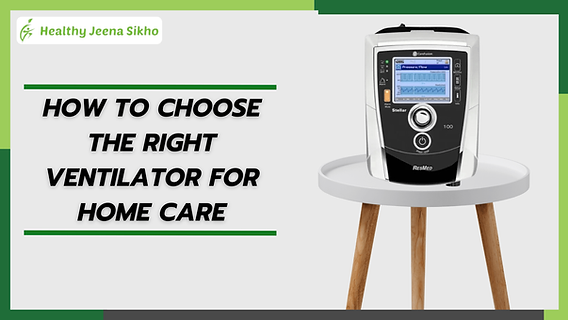
If you or a loved one ever face breathing difficulties, understanding ventilators can become crucial. You might wonder, what are the different types of ventilators, and how do they work?
Knowing the three main types can help you feel more confident when discussing treatment options with healthcare providers. You will discover exactly what these ventilators are, how they differ, and why each one matters. Keep reading to empower yourself with knowledge that could make all the difference in a critical moment.
Types Of Ventilators
Ventilators are vital machines that assist or replace natural breathing. They help patients with breathing difficulties or respiratory failure. Understanding the main types of ventilators helps in knowing how they support different medical needs. Ventilators vary based on their use, design, and mobility.
Invasive ventilators deliver air through a tube inserted into the windpipe. This method ensures precise control over breathing support. They are used in intensive care units and during surgeries. Invasive ventilators offer high levels of oxygen and pressure support. Patients usually require sedation when using these ventilators.
Non-invasive ventilators provide breathing support without tubes inside the airway. They use masks or nasal devices to deliver air pressure. This type suits patients with mild to moderate breathing issues. Non-invasive ventilators reduce the risk of infections compared to invasive ones. They are common in home care and emergency settings.
Portable ventilators are compact and easy to move. They provide breathing support outside hospitals, like during transport or home care. These ventilators balance size, power, and battery life. Portable ventilators can be invasive or non-invasive. They offer flexibility for patients needing continuous respiratory assistance.
Invasive Ventilators
Invasive ventilators are critical machines used in hospitals to support patients who cannot breathe on their own. These devices deliver oxygen directly into the lungs through a tube inserted into the windpipe. Understanding how invasive ventilators work and when they are used can help you appreciate their vital role in intensive care.
How They Work
Invasive ventilators push air and oxygen into the lungs using a tube called an endotracheal tube or a tracheostomy tube. This tube is placed through the mouth or neck directly into the windpipe, ensuring a clear airway.
The machine controls the amount of air, oxygen levels, and pressure to match the patient’s breathing needs. It can fully take over breathing or assist the patient’s own efforts, depending on the situation.
Common Uses
Doctors use invasive ventilators for patients with severe respiratory failure, such as those suffering from pneumonia, trauma, or during major surgeries. They are also essential for patients who are unconscious or unable to maintain their airway.
In emergency rooms and intensive care units, invasive ventilators provide life-saving support when other methods fail. If you or a loved one ever need this support, it means the medical team is closely managing breathing to give the best chance of recovery.
Advantages And Limitations
- Advantages:Invasive ventilators provide precise control over breathing, oxygen levels, and carbon dioxide removal. They are effective for critically ill patients needing full respiratory support.
- Limitations:Inserting the tube can cause discomfort and carries risks like infections or damage to the airway. Patients usually require sedation, and long-term use can lead to complications such as lung injury.
Have you ever wondered how patients survive when their lungs fail? Invasive ventilators answer that question by taking over the vital task of breathing. Understanding their strengths and risks helps you see why medical teams weigh options carefully before choosing this method.
Non-invasive Ventilators
Non-invasive ventilators help patients breathe without the need for a tube in the windpipe. These devices provide airflow through masks or nasal prongs. They are often used for patients with breathing difficulties but who do not require full intubation. Non-invasive ventilators support breathing while allowing patients to speak and eat normally.
Mechanism And Operation
Non-invasive ventilators deliver air pressure through a mask that fits over the nose or mouth. The device pushes air to keep airways open and improve oxygen flow. It adjusts pressure based on the patient’s breathing needs. Sensors detect when the patient inhales and exhales to synchronize the air delivery. This method reduces the work of breathing and helps maintain stable oxygen levels.
Typical Applications
- Chronic obstructive pulmonary disease (COPD) flare-ups
- Sleep apnea treatment
- Respiratory failure without the need for intubation
- Support during recovery from respiratory infections
- Neuromuscular disorders affecting breathing muscles
Pros And Cons
| Pros | Cons |
|---|---|
| Less invasive; no need for intubation | May cause skin irritation from mask pressure |
| Allows patients to eat and speak | Not suitable for severe respiratory failure |
| Reduces hospital stay length | Requires patient cooperation and comfort |
| Lower risk of infections compared to invasive ventilators | Possible air leaks reduce effectiveness |
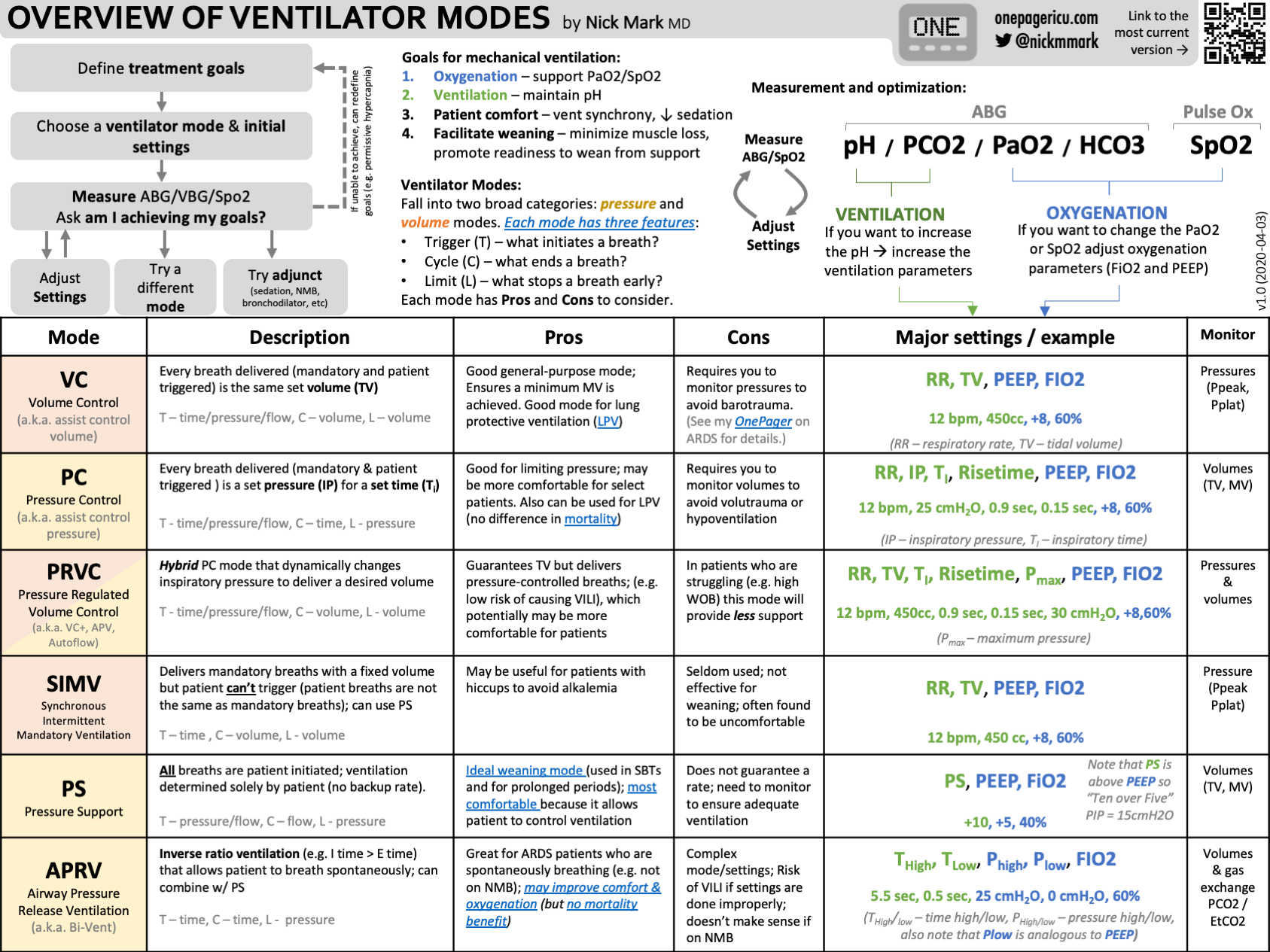
Credit: www.anaestheasier.com
Portable Ventilators
Portable ventilators are compact breathing devices designed for mobility. They help patients breathe outside hospital settings. These devices are ideal for emergencies and home care. Their design supports easy transport and quick setup. Portable ventilators offer reliable breathing support on the move.
Design And Functionality
Portable ventilators are lightweight and compact. They often run on battery power for hours. The design includes simple controls for easy use. Many models have screens showing breathing patterns. They deliver air with adjustable pressure and volume. These ventilators support several breathing modes. Their quiet operation suits patient comfort.
Situations For Use
- Emergency medical services during transport
- Home care for patients with chronic breathing issues
- Field hospitals and disaster relief settings
- Short-term ventilation after surgery
- Backup support during power outages
Benefits And Drawbacks
| Benefits | Drawbacks |
|---|---|
| Easy to carry and transport | Limited battery life |
| Quick to set up and operate | Less powerful than full-size ventilators |
| Supports various breathing modes | Requires regular maintenance |
| Useful in many care environments | May not suit all patient conditions |
Choosing The Right Ventilator
Ventilators come in three main types: invasive, non-invasive, and portable. Each type serves different patient needs and settings. Choosing the right one depends on the level of support and care required.
Choosing the right ventilator is a crucial decision that impacts patient outcomes and healthcare efficiency. With various types available, understanding the nuances of each can guide you in making an informed choice. This section will help you explore essential factors to consider.Patient Needs
Every patient is unique, and their ventilatory needs can vary significantly. Consider the severity of the patient’s condition, their age, and specific respiratory requirements. Tailoring the ventilator choice to the patient’s needs ensures optimal support and recovery.Clinical Settings
The environment where the ventilator will be used plays a vital role in your decision. Are you in a high-tech ICU or a resource-limited rural clinic? Different settings might require different functionalities, so assess the features that will be most beneficial in your specific clinical context.Cost And Accessibility
Budget constraints and availability can influence your choice. While advanced ventilators offer more features, they come with a higher price tag. Balancing cost with the essential features needed for quality care ensures you make a sustainable decision for your facility. Choosing the right ventilator can feel daunting, but by focusing on these key areas, you equip yourself with the knowledge to make a choice that best supports both your patients and your practice. What are the specific needs and constraints in your environment that could influence your decision?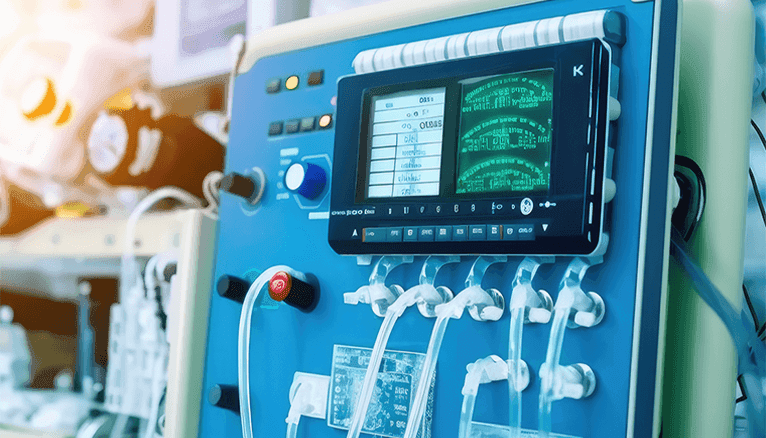
Credit: www.apexhospitals.com
Future Trends In Ventilation
The future of ventilation holds promising improvements for patients and healthcare providers. Advances in technology aim to make ventilators more efficient, comfortable, and connected. These trends focus on better outcomes and easier management in critical care.
Technological Advances
New ventilators use smart algorithms to adjust breathing support automatically. They can respond quickly to changes in patient needs. Portable and lightweight devices are becoming more common. These allow patients to move freely while receiving care. Energy-efficient designs also improve battery life for mobile use.
Improved Patient Comfort
Modern ventilators aim to reduce discomfort during treatment. Soft sensors and quieter motors help lower noise and irritation. Customizable settings let patients breathe more naturally. Enhanced humidification systems prevent dryness and irritation in airways. These features help patients stay calm and recover faster.
Integration With Monitoring Systems
Ventilators now connect with electronic health records and monitoring tools. Real-time data sharing improves treatment decisions. Alerts notify medical staff of any issues immediately. This integration supports remote monitoring and telemedicine. It helps doctors track patient progress without constant bedside presence.

Credit: www.youtube.com
Frequently Asked Questions
What Are The Main Types Of Ventilators?
The three main types of ventilators are invasive, non-invasive, and portable. Each type serves different patient needs and medical situations.
How Does An Invasive Ventilator Work?
Invasive ventilators deliver air through a tube inserted into the airway. They are used for critical respiratory support during surgery or severe illness.
What Is A Non-invasive Ventilator?
Non-invasive ventilators support breathing without tubes, using masks or nasal devices. They are ideal for mild to moderate respiratory distress.
When Are Portable Ventilators Used?
Portable ventilators provide respiratory support outside hospitals. They are essential for emergency transport and home healthcare settings.
Conclusion
Understanding the three types of ventilators helps in choosing the right one. Each type serves a specific purpose in patient care. Knowing their differences makes medical discussions clearer. It supports better decisions in healthcare settings. Keep this knowledge handy for future reference.
Ventilators play a vital role in saving lives. Simple awareness can make a big difference.



