
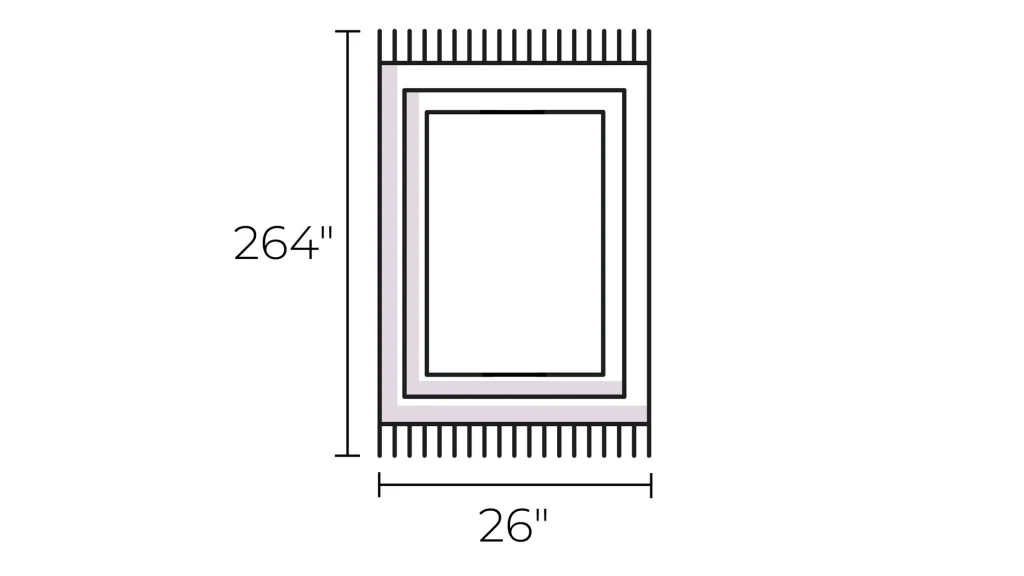
Are you thinking about adding a runner rug to your hallway, kitchen, or staircase but unsure about the right size? Knowing the exact dimensions of a runner rug can make all the difference in how your space looks and feels.
Choosing the wrong size might leave your room looking awkward or cluttered. You’ll discover the common runner rug dimensions and get simple tips to pick the perfect fit for your home. Keep reading to find out how to transform your space with the right runner rug size.

Credit: www.amazon.com
Common Runner Rug Sizes
Choosing the right size for your runner rug can transform a narrow hallway or a busy kitchen into a cozy, stylish space. Understanding the common runner rug sizes helps you pick one that fits perfectly without overwhelming or underwhelming the area. Let’s look at the typical lengths and widths you’ll find, so you can imagine how a runner could enhance your own home.
Standard Lengths
Runner rugs usually come in lengths that suit long, narrow spaces. The most common lengths you’ll see are:
- 6 feet– Great for shorter hallways or entryways.
- 8 feet– A versatile option that fits most standard corridors.
- 10 feet– Ideal for longer hallways or larger kitchens.
- 12 feet and above– Used in expansive spaces that need a bold, continuous flow.
Have you measured your hallway length? That’s the first step to knowing which runner length feels just right.
Typical Widths
Widths of runner rugs are designed to be narrow but wide enough to be comfortable underfoot. Common widths include:
- 2 feet– Perfect for tight spaces where you want a subtle accent.
- 2.5 feet– The most popular width, balancing comfort and space efficiency.
- 3 feet– Offers a bit more coverage, especially in wider hallways.
Think about how much floor space you want your runner to cover. Would you prefer something slim that barely makes an impression or a wider rug that becomes a feature?
Choosing The Right Size For Your Space
Choosing the right size runner rug is key to enhancing your space. A rug that fits well brings balance and warmth. Too small, and it feels lost. Too large, and it overwhelms the area. Measuring the area carefully helps find the perfect fit.
Measuring Hallways
Measure the length and width of the hallway first. Leave some space on each side between the rug and the wall. Usually, 4 to 6 inches of floor showing on each side works well. This gap frames the rug and prevents it from looking cramped.
Pick a runner rug that is slightly shorter than the hallway length. This allows room at both ends and reduces tripping hazards. A narrow width, around 2 to 3 feet, fits most hallways comfortably.
Sizing For Staircases
Stair runners need to cover the tread and part of the riser. Measure the width of the stairs and the depth of each step. The runner should be about 2 to 4 inches narrower than the stair width. This allows the wood or flooring edges to show.
The length depends on the number of steps. Add extra length for the landing area if present. Ensure the rug stays secure and does not slip on the stairs.
Runner Rugs In Kitchens
Kitchens often benefit from runner rugs in narrow walkways or in front of sinks. Measure the area where you want to place the rug. Make sure it does not block cabinet doors or appliances.
Choose a runner with a width that fits the walkway comfortably, typically 2 to 2.5 feet. The length should cover the main working areas without crowding the space. A well-sized kitchen runner adds comfort and style.
Customizing Runner Rug Dimensions
Runner rugs usually measure between 2 to 3 feet wide and 6 to 14 feet long. Customizing dimensions helps fit unique spaces perfectly and enhances room flow. Choosing the right size ensures both style and comfort in narrow areas.
Customizing runner rug dimensions can transform a space from ordinary to extraordinary. A runner rug isn’t just a floor covering; it’s a statement piece that can define your hallway or staircase. By customizing the dimensions, you can ensure a perfect fit that complements your home’s unique style and layout.Tailored Length Options
Finding the right length for your runner rug might seem tricky, but it’s all about balance. Consider the total length of your hallway or staircase, and subtract a few inches from each end. This creates a balanced look, allowing the rug to ‘float’ in the space. Personalizing the length also allows you to highlight specific areas. Maybe your hallway has a beautiful console table you’d like to showcase. A custom-length runner can stop just short, making that piece pop.Width Adjustments
Width is equally important when customizing your runner rug. Too wide, and it might look cramped; too narrow, and it could appear misplaced. Measure the width of your hallway or staircase, leaving space on either side for a visually pleasing border. Think about the traffic flow in your home. A wider runner might be ideal in high-traffic areas, providing more coverage and protection for your floors. How often do you find yourself wishing for just a little more or less rug? Customizing the width can solve this common issue, offering comfort without compromising on style. Customizing your runner rug’s dimensions isn’t just about measurements; it’s about enhancing your living space to suit your lifestyle and aesthetic.
Credit: www.amazon.com
Impact Of Runner Size On Room Design
The size of a runner rug can dramatically change how your room feels and functions. Choosing the right dimensions is not just about fitting the space but also about enhancing the overall design. Your runner’s length and width can either tie the room together or make it feel off balance.
Balancing Proportions
Think about the size of your room and the furniture layout when picking a runner rug. A runner that’s too narrow or short can look lost in a large space. On the other hand, an oversized runner might overwhelm a small hallway or entryway.
I once placed a runner that was too small in a long corridor, and it made the space feel disjointed. Adjusting to a longer runner instantly improved the flow and made the corridor feel more purposeful. You want your rug to complement the space, not compete with it.
Creating Visual Flow
Runner rugs guide the eye and foot traffic along a path. The right size helps create a smooth transition from one area to another. This is especially important in narrow spaces like hallways or alongside beds.
Imagine walking into a room where the runner stops abruptly. It can feel jarring. A well-sized runner extends the space visually and invites movement. Ask yourself: does the rug lead you naturally through the room, or does it interrupt the flow?
Materials And Thickness Considerations
Choosing the right materials and thickness impacts a runner rug’s look and feel. These factors influence size perception, comfort, and how long the rug lasts. Understanding materials and thickness helps you pick a runner that fits your space and needs.
Effect On Rug Size Perception
Thinner runner rugs often make narrow hallways feel wider. They lay flat, creating a smooth, continuous look. Thick rugs add height and texture, which can make spaces feel cozier but smaller.
Materials like wool or cotton have natural fibers that reflect light differently. This changes how big or small the rug appears. Synthetic fibers may give a shinier finish, affecting size perception too.
Durability And Maintenance
Natural fibers like wool are strong and resist wear well. They handle foot traffic and maintain shape longer. Cotton is softer but may wear out faster in busy areas.
Synthetic materials like nylon or polyester resist stains and are easy to clean. They hold up well in high-traffic spots but might not feel as soft.
Thicker rugs often require more care to keep clean. Dirt can settle deep inside. Thin rugs are easier to vacuum and shake out.

Credit: shop.wellwoven.com
Placement Tips For Runner Rugs
Placing a runner rug can transform a narrow hallway or corridor into a stylish and inviting space. But getting the placement right is key to both the rug’s functionality and aesthetic appeal. Let’s look at some practical tips to help you position your runner rug perfectly.
Aligning With Furniture
Runner rugs work best when they complement your furniture layout. In a hallway, position the runner so it runs parallel to the walls, allowing enough room on each side for foot traffic. In narrow spaces like kitchens or entryways, make sure the rug doesn’t block cabinet doors or drawers.
In rooms with furniture, align the runner under the front legs of sofas or chairs. This creates a cohesive look and anchors the seating area without overwhelming the space. Think about where people walk most frequently and place the rug there to protect your floor and add comfort.
Avoiding Common Mistakes
A common error is choosing a runner that’s either too short or too narrow for the space. A rug that’s too small looks out of place and doesn’t provide enough coverage. Measure your hallway or corridor carefully before buying to ensure the runner fits well.
Another mistake is placing the rug too close to doors or stairs, which can cause tripping hazards or wear down the edges quickly. Leave a few inches of bare floor near doorways and staircases for safety and longevity.
Have you ever noticed how a poorly placed rug can make a room feel cluttered or awkward? Take your time to visualize different placements before committing. Sometimes shifting the rug just a few inches can make a big difference in flow and comfort.
Frequently Asked Questions
What Are The Common Sizes Of Runner Rugs?
Runner rugs typically measure between 2 to 3 feet wide and 6 to 14 feet long. The most popular size is 2. 5 x 8 feet, ideal for hallways and narrow spaces. These dimensions fit well in high-traffic areas for added style and protection.
How To Choose Runner Rug Dimensions For Narrow Hallways?
Measure your hallway width and length before buying. Choose a runner rug about 6-10 inches narrower than the hallway. This ensures enough border space while covering the floor effectively. Proper sizing enhances both safety and visual appeal in tight spaces.
Can Runner Rugs Fit Stairs And Entryways?
Yes, runner rugs often fit stairs and entryways well. Common stair runners are about 27 inches wide and 80-90 inches long. For entryways, sizes vary but usually fall within 2-3 feet wide and 6-10 feet long. Proper dimensions prevent slipping and add warmth.
Why Is Rug Length Important For Runners?
The length of a runner rug defines the coverage area. Too short, and it looks awkward; too long, it can bunch up. Ideal length covers the full walkway or hallway without excess material. This ensures safety and a neat, stylish look.
Conclusion
Choosing the right runner rug size makes your space look neat and cozy. Standard runner rugs usually measure between 2 to 3 feet wide and 6 to 14 feet long. This fits most hallways, kitchens, and staircases well. Remember to measure your area before buying to avoid mistakes.
A good runner rug protects floors and adds style without crowding your room. Keep these dimensions in mind for a perfect fit and a warm, inviting home. Simple steps lead to great results.



