
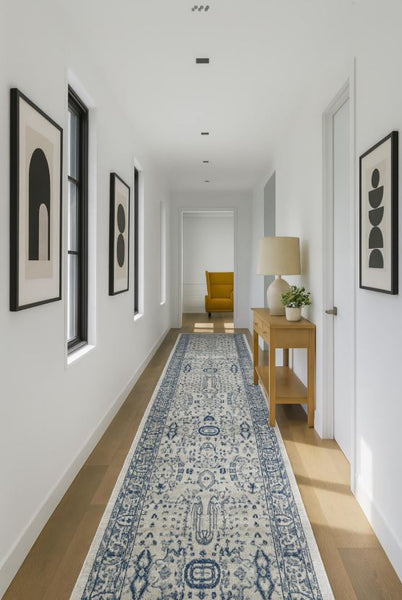
Choosing the right hallway runner can completely change the look and feel of your space. But have you ever wondered how long your hallway runner should be?
Picking the perfect length isn’t just about style—it affects safety, comfort, and how your home flows. If your runner is too short, it might look awkward; too long, and it could become a tripping hazard. You’ll discover simple tips to find the ideal runner length for your hallway, making your home both beautiful and functional.
Keep reading to transform your hallway with the perfect runner size.

Credit: www.paintingforhome.com
Choosing The Right Length
Choosing the right length for a hallway runner is important to enhance your space’s look and safety. The runner should fit the hallway well, balancing style and function. Too short or too long can look odd or cause tripping. The key is finding a runner length that suits your hallway’s size and shape.
Measuring Your Hallway
Start by measuring the length of your hallway from one end to the other. Use a tape measure and write down the exact length. Leave some space at both ends of the hallway, so the runner does not cover the entire floor. Usually, leaving 6 to 12 inches of floor visible at each end works well.
Measure the width of the hallway too. This helps pick a runner that is not too wide or narrow. A good runner width leaves some floor visible on both sides. This balance makes your hallway look neat and spacious.
Standard Runner Lengths
Hallway runners come in common lengths to fit typical spaces. Standard lengths include:
- 6 feet
- 8 feet
- 10 feet
- 12 feet
Choose a length close to your hallway measurement, keeping space at the ends. For example, if your hallway is 10 feet long, an 8-foot runner works well. For longer hallways, consider combining two runners or choosing a custom size.

Credit: www.amazon.ca
Factors Influencing Length
Choosing the right length for a hallway runner depends on several factors. These factors ensure the runner fits well and looks balanced. The length should match the hallway’s unique features. Consider the hallway’s shape, size, and layout. Also, think about door placement and how much clearance is needed. These details help pick a runner that complements the space.
Hallway Shape And Size
The shape of the hallway impacts the runner length. Long, narrow hallways need longer runners. Short or wide hallways may require shorter runners or multiple pieces.
Measure the hallway length carefully. Leave some space at both ends. This prevents the runner from feeling cramped or too stretched out.
A runner should cover most of the hallway floor. But it should not touch the walls directly. This balance keeps the runner safe and attractive.
Door Placement And Clearance
Doors along the hallway affect runner length. The runner must allow doors to open fully without obstruction.
Leave at least a few inches of clearance near each door. This prevents the runner from catching under the door.
Consider the swing direction of doors. Runners should not block doorways or create tripping hazards.
Check if any doorways lead to other rooms or closets. Adjust the runner length to maintain smooth traffic flow.
Styling Tips For Hallway Runners
A hallway runner should leave some space at both ends, usually about 6 to 12 inches. It should be long enough to cover the main walking area but not touch the walls. This balance keeps the runner looking neat and fitting well in the space.
Styling your hallway runner involves more than just picking a color. It’s about creating a welcoming and stylish space. The right runner can add warmth and character to a hallway. Use these tips to select a runner that complements your home’s décor.Creating Visual Balance
A runner should align with the hallway’s dimensions. It shouldn’t overpower the space. Leave some floor visible on each side. This gives the runner room to breathe. Maintain symmetry with furniture and wall décor. The runner should guide the eye smoothly down the hallway.Matching Runner To Décor
Choose a runner that matches your home’s style. If your décor is traditional, opt for classic patterns. For modern homes, go with simple designs. Colors should complement existing tones in the hallway. Use the runner to accentuate or contrast other elements. This creates a cohesive look without overwhelming the senses.Common Mistakes To Avoid
Choosing the right length for a hallway runner is important. Many people make simple mistakes that affect the look and safety of their space. Avoid these common errors to get the best result.
Too Short Or Too Long
A runner that is too short looks awkward and unfinished. It can make the hallway feel disconnected. On the other hand, a runner that is too long can crowd the space. It may cover door thresholds or create tripping hazards. The runner should leave some floor visible at both ends for balance.
Ignoring Safety And Functionality
Safety is key in hallways. A runner that slips or bunches up is dangerous. Use a non-slip pad underneath to keep it in place. Also, consider the hallway’s traffic. The runner should be durable and easy to clean. Don’t choose materials that wear out quickly or trap dirt.
Maintenance And Durability
Choosing the right hallway runner involves more than just size and style. Maintenance and durability play a big role in keeping your runner looking fresh and lasting longer. A durable runner can handle heavy foot traffic without wearing out quickly. Easy maintenance means less effort to keep it clean and attractive. Both factors depend heavily on the material and proper cleaning methods.
Material Choices
Different materials offer different levels of durability and maintenance needs. Wool is strong and resists dirt well, but it can be expensive. Nylon is very durable and easy to clean, making it ideal for busy hallways. Polyester offers good stain resistance and is budget-friendly. Natural fibers like jute or sisal look great but need gentle care and may wear faster in high-traffic areas.
- Wool:Durable, dirt-resistant, soft but costly.
- Nylon:High durability, easy cleaning, great for heavy use.
- Polyester:Stain-resistant, budget-friendly, moderate durability.
- Natural Fibers:Eco-friendly, stylish, less durable.
Cleaning Recommendations
Regular cleaning keeps your hallway runner fresh and extends its life. Vacuum often to remove dust and dirt before they settle deep in the fibers. Spot clean spills immediately with a mild detergent and water. Avoid harsh chemicals that can damage the material. For deep cleaning, professional services work best, especially for wool and natural fiber runners.
- Vacuum weekly to prevent dirt buildup.
- Spot clean spills with gentle soap and water.
- Avoid bleach or strong chemicals.
- Use professional cleaning for tough stains or deep cleaning.

Credit: www.amazon.ca
Frequently Asked Questions
How Long Should A Hallway Runner Be?
A hallway runner should be about two-thirds to three-quarters the length of the hallway. It should leave 6 to 12 inches of floor visible on each end for balance and aesthetics.
What Width Is Ideal For A Hallway Runner?
Choose a runner width between 26 to 36 inches. This width provides enough walking space while fitting well within most hallway dimensions.
Can A Runner Be Shorter Than The Hallway?
Yes, but it should cover at least two-thirds of the hallway length. Too short runners can look awkward and reduce the runner’s functional appeal.
Should Hallway Runners Extend Under Doors?
It’s best to stop runners just before doors to avoid tripping hazards. This also allows doors to open and close freely.
Conclusion
Choosing the right hallway runner length improves your space’s look and safety. Measure your hallway carefully before buying a runner. Leave some space at each end for balance and style. A runner too short or too long can feel awkward.
Pick a size that fits your hallway’s length well. This simple step makes a big difference in your home’s feel. A well-sized runner adds warmth and guides footsteps nicely. Take your time, and enjoy the cozy path you create.



