

Have you ever wondered why some car seats feel cool and comfortable, even on the hottest days? That’s the magic of ventilated seats.
If you’ve been searching for a way to upgrade your driving experience, understanding what ventilated seats are could change how you think about comfort behind the wheel. Keep reading to discover how these seats work, why they matter, and how they can make every drive more enjoyable for you.

Credit: www.seatcoversolutions.com
How Ventilated Seats Work
Ventilated seats keep drivers and passengers comfortable by managing temperature. These seats use built-in technology to move air through the seat surface. This airflow helps to cool the body during hot weather. Some systems also provide warmth in cooler conditions. Understanding how ventilated seats work reveals why they are so effective.
Airflow Mechanism
Small fans or blowers sit inside the seat cushion and backrest. These fans push air through tiny holes in the seat surface. Air moves from inside the seat to the outside, touching the skin. This airflow removes heat and moisture, making the seat feel cooler. The system adjusts airflow speed based on settings or outside temperature.
Cooling And Heating Features
Ventilated seats often combine cooling and heating functions. Cooling uses fans to circulate air and reduce sweat. Heating elements warm the seat during cold weather. Drivers can choose the desired temperature with simple controls. This dual function improves comfort all year round.
Materials Used
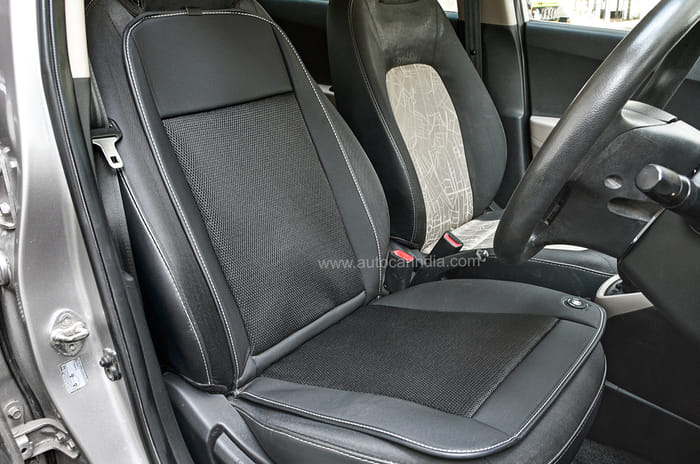
Seat surfaces use breathable materials like perforated leather or fabric. These materials allow air to pass through easily. The padding inside supports airflow without losing softness. High-quality materials ensure durability and comfort. They also help ventilated seats work efficiently.
Credit: www.autocarindia.com
Benefits Of Ventilated Seats
Ventilated seats bring many benefits to car passengers. They use small fans to circulate air through the seat. This helps keep the body cool and dry. The benefits go beyond comfort and include health and driving improvements.
Enhanced Comfort
Ventilated seats keep you cool during hot weather. They reduce sweat by allowing air to flow through. This makes long drives more pleasant and less tiring. The cooling effect helps prevent sticky and uncomfortable seats.
Health Advantages
These seats reduce skin irritation caused by heat and sweat. They help prevent rashes and discomfort from sitting too long. Good air circulation lowers the risk of overheating. This is especially helpful for people with sensitive skin or medical conditions.
Improved Driving Experience
Staying cool helps maintain focus on the road. Ventilated seats reduce fatigue caused by heat. Drivers feel more alert and less distracted. This leads to safer and more enjoyable trips.
Comparison With Heated Seats
Ventilated seats and heated seats both improve comfort but serve different purposes. Understanding their differences helps choose the right feature for your needs. This section compares how each system works, when to use them, and their energy use.
Function Differences
Heated seats use electric heating elements under the seat surface. They warm the seat to provide comfort in cold weather. Ventilated seats have small fans that blow air through perforations in the seat. This airflow cools the seat surface and helps reduce sweating.
When To Use Each
Heated seats are best in cold climates or winter months. They warm the body quickly and add cozy comfort during chilly drives. Ventilated seats are ideal for hot weather or summer. They keep the seat cool and dry, making long drives more pleasant.
Energy Consumption
Heated seats use more power because they generate heat. This can slightly reduce fuel efficiency in gas cars or drain the battery in electric vehicles. Ventilated seats use less energy since fans only move air. They provide cooling without a heavy impact on fuel or battery life.
Common Features And Controls
Ventilated seats in cars provide a cool and comfortable ride by circulating air through the seat surface. Understanding their common features and controls helps drivers enjoy this luxury with ease. These seats often include multiple settings and integrate smoothly with other car functions. Proper care ensures they work well for a long time.
Adjustable Settings
Ventilated seats usually offer several airflow levels. Drivers can choose low, medium, or high air circulation. Some models allow control of fan speed and direction. Temperature sensors may adjust airflow automatically. Controls are often located on the center console or seat side. Easy-to-use buttons or touchscreens make adjustments quick and simple.
Integration With Car Systems
Ventilated seats often connect with the car’s climate control system. This helps balance temperature inside the vehicle. The seats can work with air conditioning to cool the driver and passengers faster. Some cars link seat ventilation to the engine’s temperature sensors. This integration improves comfort without wasting energy. It also allows the use of memory settings to save preferred seat ventilation levels.
Maintenance Tips
Keep ventilated seats clean to maintain airflow. Use a vacuum to remove dust from seat vents regularly. Avoid spilling liquids on the seats to prevent damage. Check the car’s manual for cleaning instructions. Inspect ventilation fans if airflow weakens. Professional service may be needed for deep cleaning or repairs. Regular care keeps the system working efficiently and extends seat life.
Availability In Different Car Models
Ventilated seats have become a popular feature in modern cars, providing comfort during hot weather by circulating air through the seat. But how widely available are these seats across different car models? Let’s explore how ventilated seats are integrated into luxury vehicles, standard cars, and the possibilities with aftermarket options. We’ll also take a peek into what the future holds for this cooling feature.
Luxury Vs. Standard Cars
In luxury cars, ventilated seats are often a standard feature, enhancing the premium feel of the vehicle. Brands like Mercedes-Benz, BMW, and Lexus offer them as part of their comfort packages. These cars prioritize driver and passenger comfort, making ventilated seats a must-have.
On the other hand, standard cars may offer ventilated seats as an optional upgrade. Manufacturers like Ford, Honda, and Toyota provide these as add-ons, usually in higher trim levels. This means you can enjoy this luxury without breaking the bank, but it’s essential to check the specific model and trim.
Aftermarket Options
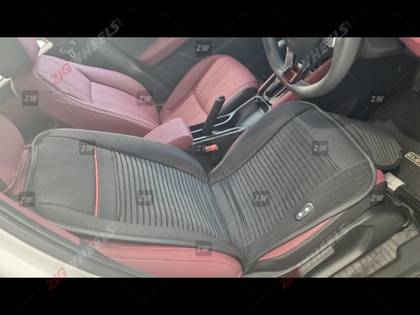
If your car doesn’t come with ventilated seats, all is not lost. Aftermarket options are available, allowing you to retrofit your current seats with a ventilation system. Companies specialize in creating seat covers with built-in fans, making installation straightforward.
It’s a cost-effective way to upgrade your ride’s comfort level. However, ensure compatibility with your car model and consider professional installation for optimal performance. Have you ever thought about how a simple upgrade can transform your driving experience?
Future Trends
The automotive industry is rapidly evolving, and ventilated seats are likely to become more prevalent across all car segments. As technology advances, expect to see more efficient and eco-friendly systems. Innovations may include smart seats that adjust ventilation based on body temperature.
Manufacturers are also exploring sustainable materials for seat construction, enhancing comfort without compromising on environmental impact. How exciting would it be to see cars that anticipate your comfort needs before you even realize them?
As we look to the future, ventilated seats could become a standard expectation, just like power windows are today. Wouldn’t it be nice to have luxury-level comfort in every car?
Credit: www.zigwheels.com
Frequently Asked Questions
What Are Ventilated Seats In A Car?
Ventilated seats use fans to circulate air through perforations. This keeps the seat cool and comfortable, especially in hot weather.
How Do Ventilated Seats Improve Driving Comfort?
They reduce sweating and heat buildup by promoting airflow. This helps drivers stay refreshed and focused during long drives.
Are Ventilated Seats Different From Heated Seats?
Yes, ventilated seats cool the seat surface, while heated seats provide warmth. Both enhance comfort but serve opposite functions.
Do Ventilated Seats Consume Extra Car Battery Power?
Yes, they use some battery power to operate fans. However, the energy consumption is minimal and usually doesn’t affect overall battery life.
Conclusion
Ventilated seats keep you cool and comfortable while driving. They use small fans to move air through the seat. This helps reduce sweat and heat, especially on hot days. Many cars now offer this feature for better comfort. It also adds a touch of luxury without extra effort.
Choosing a car with ventilated seats can improve your driving experience. Simple and effective comfort right where you sit. A small change that makes a big difference on the road.



